







Executive Overview
For the millions of passengers who step onto a commercial airliner each year, the final moments before touchdown look deceptively simple. The aircraft tracks the runway centerline with surgical precision, descends smoothly along an exact glide path, and makes minute aerodynamic corrections without any visible effort from the flight deck. Yet, even during a conventional, clear-weather Category I Instrument Landing System (ILS) approach, a critical threshold approaches at precisely 200 feet (61 meters) above the ground.
At this exact altitude, a pivotal operational and psychological boundary is crossed. The autopilot’s role shifts, and the pilot flying must make a definitive choice: either they possess sufficient visual reference of the runway environment to disconnect the automation and land the aircraft manually, or they must immediately execute a missed approach.
Defined strictly by the Federal Aviation Administration (FAA) and international civil aviation authorities, this 200-foot decision height serves as the demarcation line between instrument navigation and visual flight. However, modern commercial aviation is far more nuanced than a simple hand-off from machine to human at a fixed altitude. Modern airliners are technically capable of flying straight down to the tarmac under complete computer guidance.
Understanding why airlines routinely choose to disengage automation and hand-fly the final phase of an approach—while retaining the capability to let computers land the plane in near-zero-visibility conditions—sheds light on the sophisticated philosophy of modern flight deck management. This delicate balancing act relies on precise regulatory frameworks, rigorous human factors engineering, and a deep appreciation for both the limits and strengths of technological automation.
Detailed Chronology of an Instrument Approach and Landing
To fully appreciate the significance of the 200-foot decision boundary, it is necessary to examine the chronological progression of an instrument approach from cruise altitude down to the runway rollout.
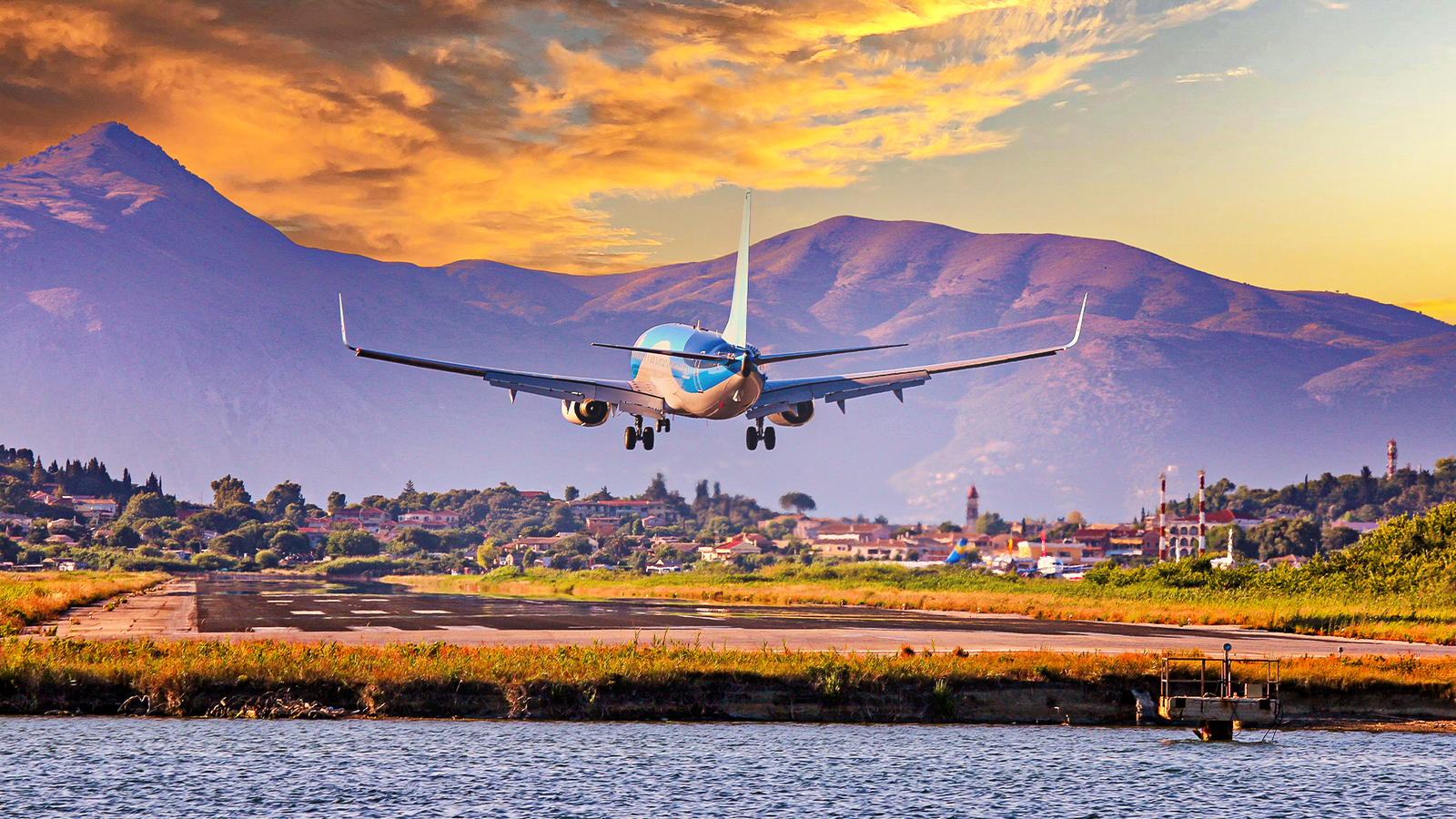
Phase 1: Terminal Arrival and Interception
The journey toward a landing begins long before the aircraft sights the runway. As the airliner transitions from high-altitude cruise to the terminal environment, air traffic control (ATC) vectors the flight toward the localizer course. The flight crew programs the Flight Management System (FMS) and selects the appropriate ILS frequency.
During this phase, the ILS transmits two primary radio signals:
- The Localizer: Provides lateral guidance (left/right alignment) relative to the extended runway centerline.
- The Glideslope: Provides vertical guidance (descent angle), typically set to a standard 3-degree slope down to the touchdown zone.
Once the aircraft captures these beams, the autopilot couples with the ILS signals, locking the aircraft onto a precise three-dimensional invisible highway in the sky.
Phase 2: The Final Approach and Configuration
As the aircraft tracks inbound down the final approach corridor, the flight crew systematically completes the landing checklist. They extend the landing gear, deploy the high-lift devices (slats and flaps), and establish the final approach speed.
Throughout this descent, the pilot flying (PF) and the pilot monitoring (PM) share a rigorous division of labor. While the automation flies the aircraft along the ILS path, the crew actively cross-checks instrumentation, monitors airspeeds, and verifies that crosswinds or wind shear are not destabilizing the approach.

Phase 3: The 200-Foot Decision Gate
As the radar altimeter ticks down, the aircraft reaches the published Decision Height (DH) for a Category I ILS approach—typically 200 feet above the runway threshold elevation.
At this exact moment, the primary task is visual acquisition. The pilot monitoring calls out, "Minimums." The pilot flying scans the forward windshield for distinct elements of the runway environment, such as the approach lighting system, runway threshold markings, or the touchdown zone lights.
- If visual references are acquired: The pilot flying states, "Landing," disengages the autopilot, assumes manual control of the yoke and rudder pedals, and guides the aircraft through the final flare and touchdown.
- If visual references are NOT acquired: The crew is legally prohibited from continuing the descent. The pilot flying immediately calls, "Go-around, flaps," advances the thrust levers to take-off power, rotates the aircraft nose upward, and initiates a missed approach procedure.
Supporting Context, Infrastructure, and Operational Metrics
The ability to switch between manual control and advanced autoland is underpinned by a complex ecosystem of ground-based navigation aids, onboard redundancies, and stringent regulatory oversight.
Categorization of ILS Operations
Not all instrument approaches are created equal. The international aviation community, under the guidance of the International Civil Aviation Organization (ICAO) and the FAA, categorizes ILS operations based on the minimum visibility and decision height permitted:
| Approach Category | Decision Height (DH) | Runway Visual Range (RVR) Minimum | Primary Operational Application |
|---|---|---|---|
| Category I (CAT I) | $ge$ 200 feet (61 meters) | $ge$ 2,400 feet (730 meters) | Standard commercial operations in moderate weather. |
| Category II (CAT II) | 100 to < 200 feet | $ge$ 1,200 feet (365 meters) | Low visibility requiring specialized equipment and crew training. |
| Category III A | < 100 feet or no DH | $ge$ 700 feet (210 meters) | Advanced low-visibility operations utilizing autoland systems. |
| Category III B | < 50 feet or no DH | 150 to 700 feet (45 to 210 meters) | Heavy fog and dense precipitation; full autoland and rollout guidance. |
| Category III C | Zero DH | Zero RVR | Theoretical standard for blind landings with no external visibility (rarely certified commercially). |
The Ground Infrastructure Behind Autoland
Allowing an aircraft to trust its automated systems down to the pavement—and even through the rollout phase—requires more than just an expensive autopilot computer. It demands pristine ground infrastructure.
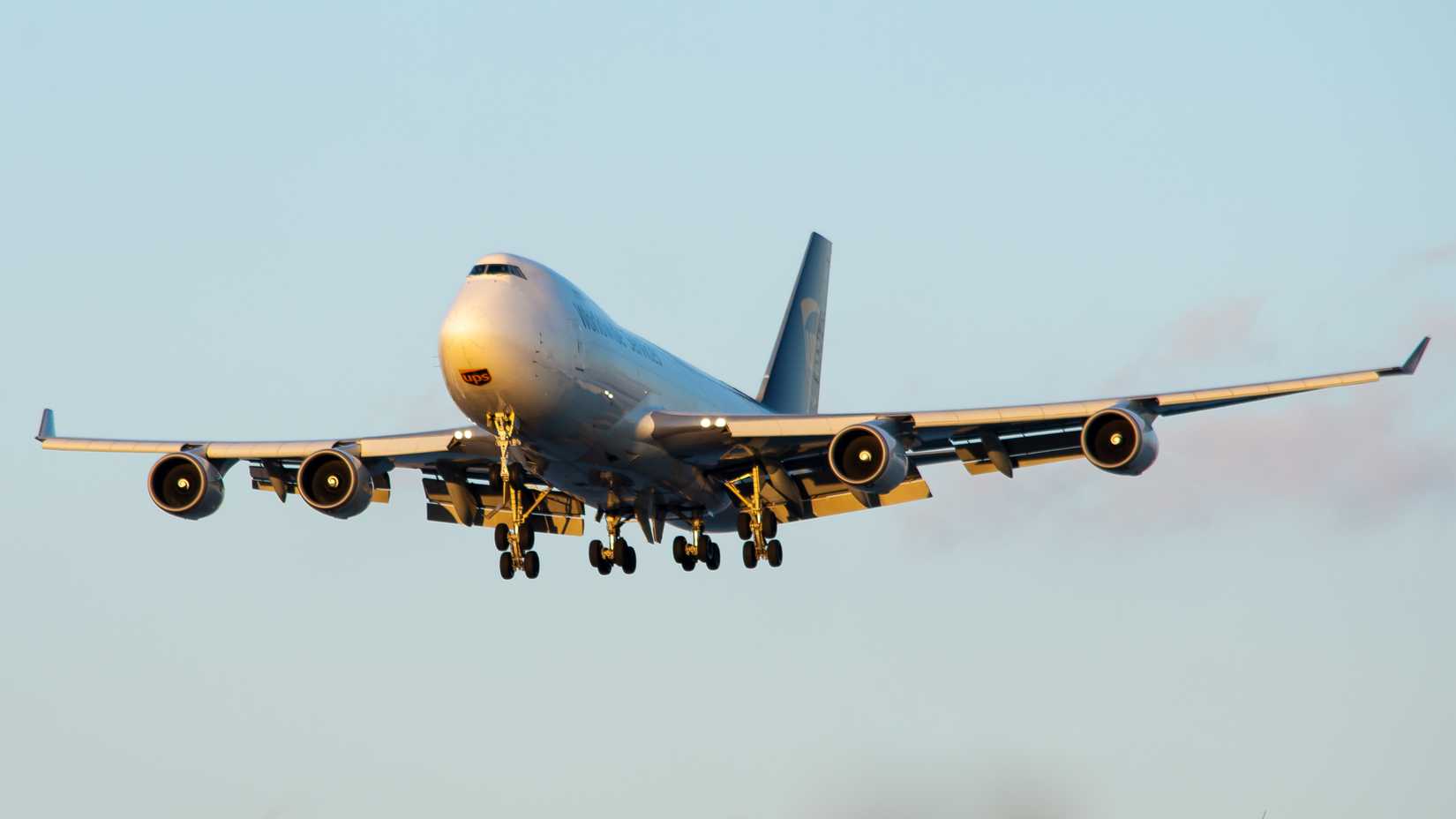
Airports equipped for Category II and III operations must protect sensitive radio signals from interference. When an aircraft is conducting a low-visibility approach, ground traffic is tightly restricted. Vehicles and other aircraft are held at designated "ILS critical areas" so that metal bodies do not reflect or distort the localizer and glideslope radio waves, which could send a coupled aircraft off course.
Furthermore, these runways feature high-intensity centerline lighting, touchdown zone lights, and precise Runway Visual Range (RVR) transmissometers positioned alongside the pavement to provide real-time visibility data to air traffic controllers and flight crews.
Official Regulatory Frameworks and Industry Standards
Navigating the boundary between human-flown and automated landings is governed by strict regulatory documentation.
FAA Advisory Circular 120-118
The foundational framework for U.S. operators seeking approval for low-visibility landing operations is detailed in FAA Advisory Circular (AC) 120-118. This document establishes the airworthiness, operational, and training requirements necessary for an airline to conduct Category I, II, and III operations.
According to AC 120-118, possessing an aircraft with an autopilot button is insufficient to execute an autoland. Airlines must secure specific operational specifications (OpSpecs) from the FAA. This requires demonstrating that:
.jpeg?q=49&fit=crop&w=825&dpr=2)
- The aircraft’s flight control architecture possesses sufficient redundancy (typically "fail-operational" or "fail-passive" systems).
- Maintenance programs ensure navigation receivers meet ultra-tight calibration tolerances.
- Flight crews undergo recurrent simulator training covering low-visibility contingencies, system degradation, and rejected landings.
The Philosophy of Redundancy: Fail-Passive vs. Fail-Operational
To understand why autoland requires such heavy regulatory sign-off, one must look at aircraft systems architecture:
- Fail-Passive Autoland Systems: If a single component or channel within the autopilot fails during the approach, the system simply disengages without making an abrupt control input. The aircraft alerts the crew, and the human pilots must instantly take manual control to complete or abort the landing.
- Fail-Operational Autoland Systems: Designed with multiple independent control channels (triplex or quadruplex redundancy). If one computer or servo fails, the remaining systems take over seamlessly without any disruption. The aircraft can safely complete the automated landing, flare, and rollout even with a system failure mid-approach.
The Human Factor: Why Pilots Prefer to Hand-Fly in Good Conditions
Despite the technological marvel of modern fly-by-wire automation, commercial airline pilots routinely disconnect the autopilot during clear-weather approaches to land the aircraft manually. This preference is driven by several operational and human-factors realities.
1. Direct Control and Situational Awareness
Manually flying an aircraft provides the pilot with a tactile, real-time connection to the machine’s energy state, aerodynamic response, and the surrounding wind dynamics. While monitoring a computer-flown approach is intellectually demanding, hand-flying exercises fine motor skills and spatial awareness that pilots must maintain to stay sharp.
2. Operational Limitations of Autoland
Automated landing systems often have stricter environmental limitations than human pilots. For example, an airline’s operating manual may impose lower crosswind or tailwind limits for an autoland than for a manual landing in the same aircraft type. If a gusty crosswind is blowing across the runway, a skilled human pilot can expertly crab, slip, and transition into a side-slip to align the aircraft with the centerline more effectively than certain legacy autopilot algorithms.
3. Runway Contamination and Braking Action
When runways are contaminated with standing water, slush, ice, or heavy snow, automated rollout systems may struggle to interpret surface friction accurately. In these scenarios, human pilots prefer to take manual control immediately upon touchdown, deploying spoilers, reverse thrust, and manual wheel braking tailored to the real-time deceleration feel of the aircraft.
Future Outlook: The Evolving Cockpit Ecosystem
As commercial aviation looks toward the horizon—marked by advancements in single-pilot operations, artificial intelligence integration, and NextGen satellite-based navigation—the relationship between the human pilot and cockpit automation will continue to evolve.
Future flight decks will likely feature even more advanced predictive flight guidance systems capable of calculating optimal descent profiles and energy management strategies from cruising altitude down to the terminal gate. However, industry consensus remains unwavering: automation is a tool to expand operational envelopes, not to eliminate the human element.
The 200-foot decision height will remain a cornerstone of pilot training and operational philosophy. Whether an aircraft is landing under brilliant blue skies or descending through pea-soup fog into a rain-slicked runway, the core mission of the flight crew remains unchanged. They are not choosing between machines and humans; rather, they are orchestrating a seamless partnership—deploying robust automation when human senses are blinded by weather, and exercising human artistry and direct control when the skies are clear.