








Executive Overview
The decision to embark on a first solo journey stands as a pivotal milestone in an individual’s personal development and travel trajectory. Far more than a mere vacation, a maiden solo voyage serves as a crucible: a successful trip can fundamentally reshape a traveler’s self-reliance, expand their global perspective, and ignite a lifelong passion for independent exploration. Conversely, a poorly matched initial destination can induce overwhelming stress, paralyzing isolation, and an abrupt halt to future wanderlust.
Choosing the right destination requires a clinical evaluation of various personal metrics, including prior group-travel experience, exposure to cross-cultural environments, linguistic adaptability, and psychological resilience when facing prolonged solitude. For novice travelers—particularly those hailing from smaller communities with limited international exposure—the challenges are twofold: mastering the mechanics of transit while simultaneously managing the internal landscape of being entirely on one’s own.
This comprehensive guide establishes an authoritative framework for evaluating potential locations. By analyzing core criteria such as linguistic accessibility, geopolitical safety, transit friction, and community integration, first-time explorers can curate an itinerary that minimizes operational stress while maximizing transformative experiences. Furthermore, this report outlines top-tier recommended destinations across North America and international territories, vetted specifically for the unique vulnerabilities and aspirations of the solo beginner.
Detailed Chronology and Decision-Making Framework
To understand how to approach solo travel, one must trace the psychological evolution of the modern independent traveler. The journey from hesitation to execution follows a distinct behavioral timeline that every beginner inevitably navigates.
Phase 1: The Internal Audit (Pre-Trip Evaluation)
Before scanning flight aggregators or browsing travel blogs, the aspiring solo traveler must conduct an honest appraisal of their comfort zones.
- The Linguistic Factor: Navigating foreign bureaucratic systems, transit networks, and emergency medical scenarios requires precision. For a first-time traveler, choosing a destination where the local language is spoken with native fluency is non-negotiable. While conversational phrases suffice for casual dining, high-stress situations demand linguistic clarity.
- The Safety Calculus: While seasoned globetrotters often chase rugged, unpredictable frontiers, the novice must prioritize environments characterized by low crime rates, stable political climates, and robust infrastructure. Prudence dictates saving bucket-list destinations with complex safety profiles for subsequent trips.
- Transit Friction: Multiple connecting flights, rural bus transfers, and obscure regional train networks exponentially increase the potential points of logistical failure. A successful inaugural itinerary favors straightforward, single-leg flights paired with seamless airport-to-accommodation transit.
Phase 2: On-the-Ground Integration
Once the destination is selected, the traveler enters the execution phase. The primary hazard here is not physical danger, but the psychological weight of isolation. Mitigating this requires intentional planning:
- Structured Spontaneity: Over-scheduling every hour suffocates the organic joy of discovery, while zero planning leaves the traveler paralyzed in a hotel room. The sweet spot involves booking two or three curated day activities—such as culinary workshops, guided historical walks, or small-group eco-tours—that naturally facilitate peer-to-peer interaction without sacrificing personal autonomy.
- The Goldilocks Principle of Popularity: Overtourism destroys local culture and inflates costs, but total isolation breeds loneliness. First-time travelers should target destinations with a healthy equilibrium—places popular enough to host robust tourist infrastructure and fellow wanderers, yet authentic enough to offer genuine encounters with local residents.
Supporting Context & Metrics: North American Destinations for Beginners
North America offers an expansive array of cultures, geographies, and microclimates that provide foreign-feeling experiences with the safety net of familiar domestic or continental logistics. Below are eight premier North American destinations meticulously vetted for the first-time solo traveler.
1. Savannah, Georgia (USA)
Famed for its antebellum architecture and moss-draped public squares, Savannah presents a deeply walkable and visually striking urban landscape. The historic downtown district flows seamlessly into the trendy Victorian and Starland districts, offering a rich tapestry of arts, local dining, and southern hospitality. For travelers seeking a gentle introduction to southern lowcountry culture without the overwhelming chaos of major metropolises, Savannah serves as an ideal baseline.
2. Nashville, Tennessee (USA)
Nashville marries a vibrant, music-centric culture with exceptional logistical accessibility. The city center is exceptionally compact and pedestrian-friendly. To further assist visitors, the municipality deploys Downtown Ambassadors clad in bright yellow apparel, providing an instant safety net for anyone turned around or seeking local recommendations. Live music spills from every honky-tonk, ensuring that a solo diner never feels conspicuous sitting alone at a bar or cafe.
3. Key West, Florida (USA)
Occupying the southernmost point of the continental United States, Key West provides a laid-back island atmosphere steeped in literary history and maritime charm. Because the central district is entirely walkable, travelers can forgo renting a car. Whether one prefers lounging on pristine beaches, partaking in water sports, or exploring historic architecture (such as the Ernest Hemingway Home and Museum), Key West offers a secure, self-contained paradise.
4. St. John’s, Newfoundland (Canada)
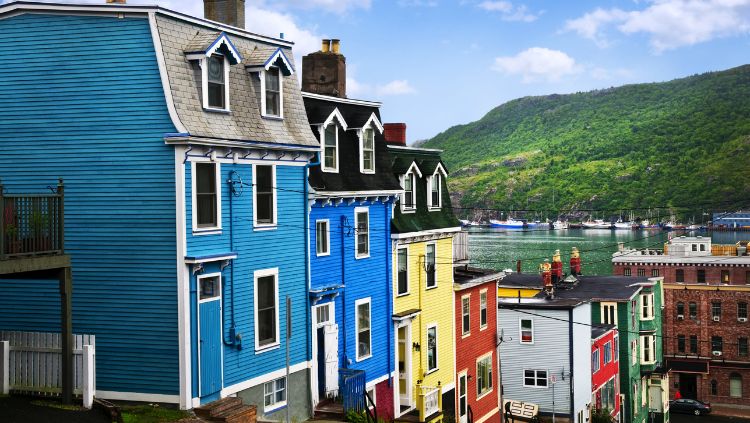
For those willing to venture north, Canada’s most easterly province delivers rugged coastal beauty matched by a uniquely welcoming populace. St. John’s, one of North America’s oldest cities, features brightly painted row houses, a thriving culinary scene, and an active arts community. Engaging with locals is effortless—often punctuated by the local tradition of being "screeched in"—making it an unforgettable and fundamentally safe outpost for Canadian and international beginners alike.
5. Montreal, Quebec (Canada)
Montreal bridges the gap between European charm and North American convenience. While French is the official language, English is widely spoken throughout the city, providing an "exotic" cultural immersion without the friction of a strict language barrier. From the cobblestone streets of Old Montreal to the sprawling murals of the Plateau, the city’s rich festival culture, culinary diversity (such as legendary local bagels), and reliable public transit make it a premier choice for urban explorers.

6. San Francisco, California (USA)
San Francisco is a city built for exploration on foot, by bicycle, or via its iconic cable cars. Navigating tourist hubs like Fisherman’s Wharf, riding a bike across the Golden Gate Bridge to Sausalito, or exploring the historic stacks at City Lights Bookstore offers endless stimulation. The city’s progressive culture and established tourist corridors provide a welcoming environment for independent visitors.
7. Vancouver, British Columbia (Canada)
Vancouver offers a rare synthesis of world-class urban sophistication and wild, accessible nature. Miles of continuous public beaches stretch from the University of British Columbia through English Bay into the sprawling urban rainforest of Stanley Park. Furthermore, world-class hiking and winter skiing in North Vancouver remain easily accessible via public transit, eliminating the need for private vehicle rentals.
8. Kauai, Hawaii (USA)
For travelers whose primary goal is decompression, Kauai delivers. As one of the quieter Hawaiian islands, it boasts dramatic natural wonders—such as the Waimea Canyon and the Na Pali Coast—coupled with a tranquil, slow-paced lifestyle. With essentially one main highway encircling much of the island, navigational anxiety is virtually nonexistent, allowing solo travelers to balance active exploration with restorative solitude.
International Destinations for First-Time Solo Travelers
Stepping outside North America marks a major psychological milestone. These international destinations have been selected for their robust English proficiency, reliable public infrastructure, cultural safety, and ease of navigation.
1. London, England
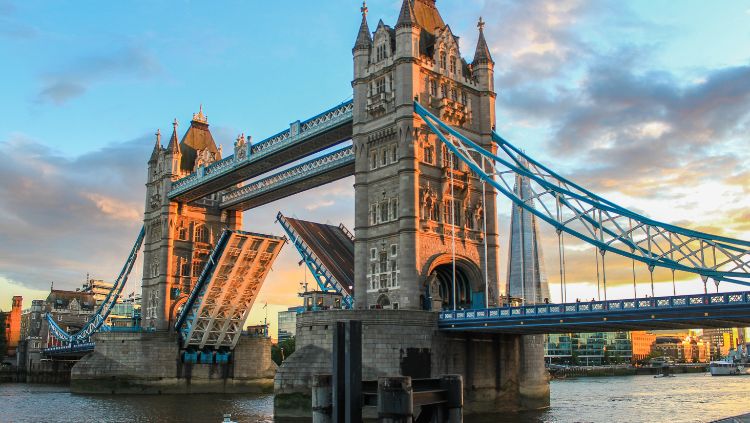
While travel experts often advise against massive global metropolises for beginners, London stands as a glorious exception. Central London is exceptionally navigable via the iconic Underground system and extensive bus networks. Solo travelers can easily immerse themselves in world-class theater, legendary museums, and cinematic streetscapes. The absence of a language barrier combined with vast tourist support networks makes London the quintessential gateway to European travel.
2. The Lake District, England
For travelers seeking a respite from urban environments, England’s Lake District offers breathtaking glacial lakes, rugged fells, and picturesque villages. Visiting during the shoulder seasons (when local schools are in session) ensures a peaceful communion with nature. The region’s extensive network of walking trails and welcoming country pubs provides a secure, quintessentially British pastoral experience.

3. Malta
Strategically positioned in the Mediterranean Sea between Sicily and North Africa, Malta is a micro-nation defined by millennia of layered history. Because English is an official language alongside Maltese, communication is effortless. Visitors can indulge in a unique fusion of Mediterranean culinary traditions, explore prehistoric temples, and enjoy coastal water sports across the island chain with complete peace of mind.
4. Dublin, Ireland
Ireland’s global reputation for unmatched hospitality holds especially true in its capital. Dublin blends a dynamic literary heritage, vibrant pub culture, and world-class museums—such as the acclaimed EPIC The Irish Emigration Museum—into a compact, walkable footprint. The innate warmth of the local population ensures that solo travelers are rarely lonely for long.
5. Sydney, Australia
Sydney offers a masterclass in balancing high-octane urban living with breathtaking natural escapes. From the iconic Sydney Opera House and pristine harbor to the coastal walk from Bondi to Coogee, the city provides a safe, clean, and highly efficient environment. Friendly locals, an incredible culinary scene, and reliable public ferries make it an ideal launchpad for exploring the Southern Hemisphere.
6. Amsterdam, Netherlands
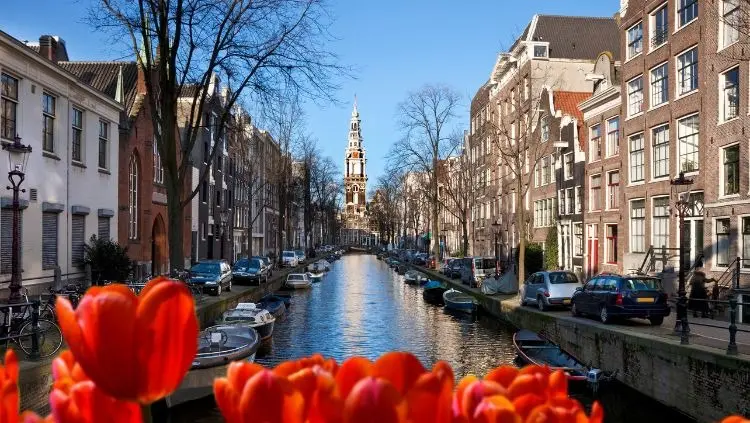
Amsterdam is a visual and cultural marvel defined by its historic canal rings, world-class art museums, and progressive ethos. It holds the distinction of having one of the highest English-proficiency rates globally among non-native populations, eliminating linguistic anxiety. Whether exploring by bicycle, canal boat, or on foot, travelers will find an impeccably organized and deeply welcoming European city.
7. Iceland
For nature enthusiasts, Iceland represents the ultimate self-drive destination. This island nation boasts otherworldly geological landscapes—from thundering waterfalls and glacial lagoons to geothermal springs—all easily traversed via the well-maintained Ring Road. The country consistently ranks as one of the safest nations on earth, making it exceptionally secure for solo drivers and outdoor adventurers.
8. Belfast and Northern Ireland
Northern Ireland offers a deeply rewarding travel experience characterized by dramatic coastlines, mythical glens, and rich industrial history. From exploring the political murals and vibrant arts scene of Belfast to marveling at the geological wonder of the Giant’s Causeway, visitors are met with legendary local storytelling and a profound sense of regional pride.
Official Statements and Industry Insights
Travel industry analysts and veteran solo wanderers consistently emphasize that the success of a trip relies far less on ticking off famous monuments and far more on emotional regulation and logistical preparation.
"The destination of your first solo trip can make a big difference. It can either build your confidence and lead to many more or, if the choice makes the trip less successful, it can curtail future solo travel. It’s important to get it right."
— Solo Traveler World Editorial Consensus
Experts underscore that reducing environmental friction—such as eliminating language barriers and transit confusion—frees up the mental bandwidth required to process the unique psychological experience of being alone in an unfamiliar place. By intentionally designing an itinerary that balances structured social engagement with personal quiet time, travelers insulate themselves against burnout and homesickness.
Future Outlook: The Evolution of Solo Travel
As global tourism infrastructure modernizes, the landscape for independent travelers continues to expand rapidly. Several prominent trends are shaping the future of solo exploration:
- Technological Integration: Advanced translation apps, offline navigation tools, and localized ridesharing platforms have drastically reduced the intimidation factor of navigating foreign territories.
- The Rise of Community Housing and Co-Living: Modern accommodations are increasingly designed with digital nomads and solo travelers in mind, offering shared communal spaces, co-working lounges, and organized social events that bridge the gap between complete isolation and group-tour rigidity.
- Demographic Shifts: Solo travel is no longer viewed as a niche activity for the young and footloose; data indicates surging growth among older adults, retirees, and demographic subsets prioritizing self-directed wellness retreats.
Ultimately, taking that first solo trip is an investment in personal agency. By selecting a destination that honors your current experience level, respects your comfort thresholds, and stimulates your curiosity, you lay the foundational confidence required for a lifetime of extraordinary global adventures.