








Executive Overview
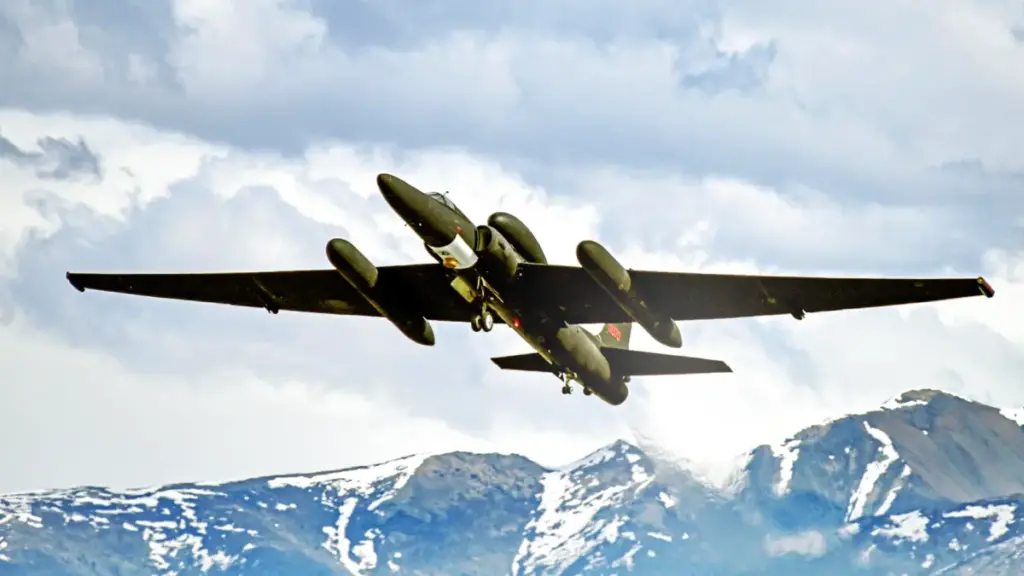
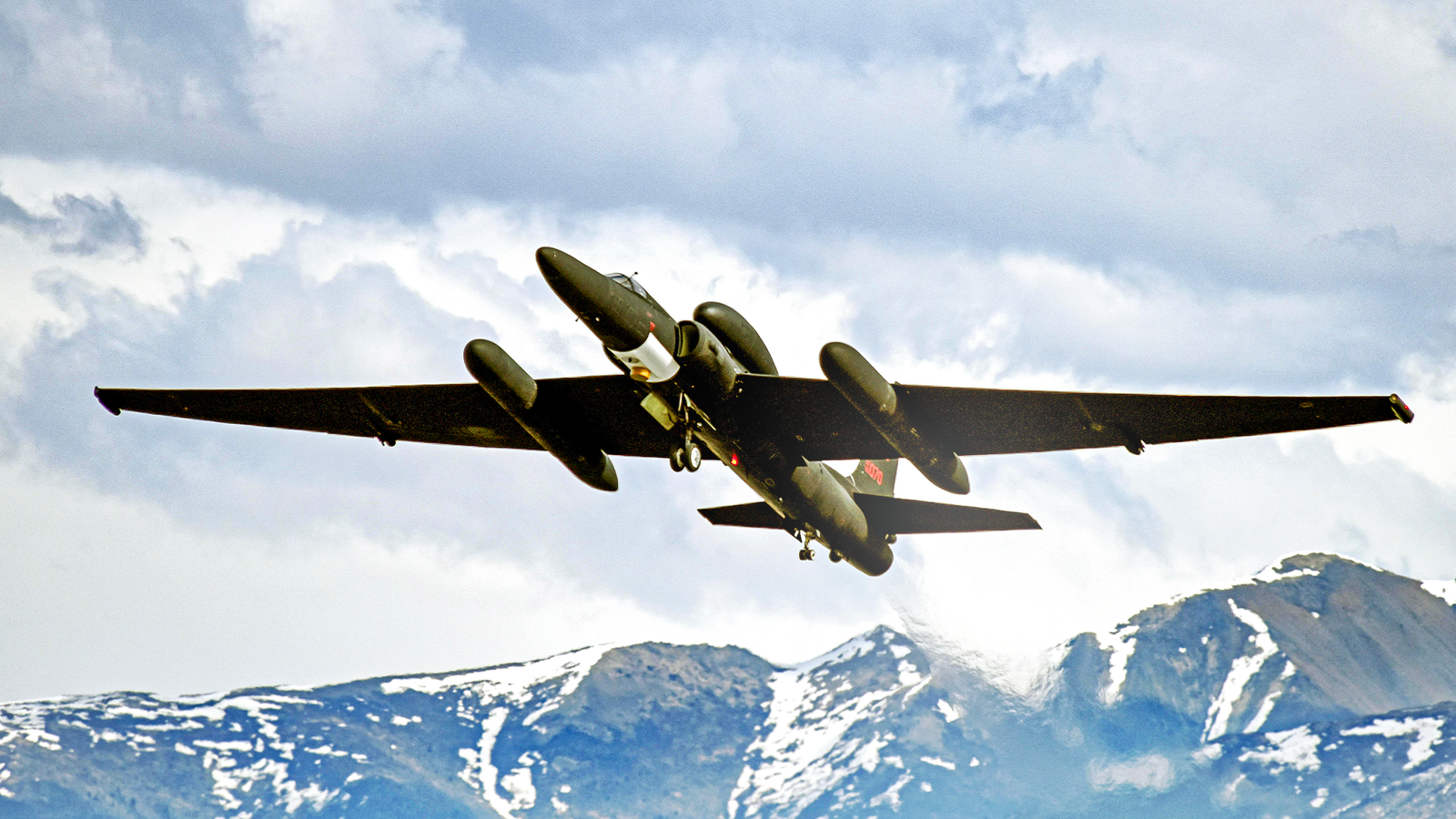
Nearly seven decades after its maiden flight, the Lockheed U-2 "Dragon Lady" remains one of the most enigmatic, demanding, and operationally vital assets in the United States Air Force inventory. While conventional military aviation largely operates within the dense, breathable layers of the lower atmosphere, and modern intelligence gathering increasingly looks toward uncrewed systems and orbital satellites, the U-2 carves out a lonely, critical niche on the ragged edge of space.
Operating routine intelligence, surveillance, and reconnaissance (ISR) missions from installations like Beale Air Force Base in California, the Dragon Lady executes flights that resemble spaceflight far more than conventional tactical aviation. Pilots routinely embark on nine- to eleven-hour missions—and occasionally much longer—flying at altitudes where the ambient atmospheric pressure is entirely hostile to human life.
Yet, the true marvel of the U-2 program extends far beyond its vintage airframe or the extreme physiological demands placed upon its pilots. In an era dominated by predictable orbital mechanics and vulnerable digital networks, the Dragon Lady offers an unmatched combination of persistence, modular adaptability, and human-in-the-loop decision-making. By pairing a high-altitude vantage point with the ability to "stare" at targets, hot-swap sensor payloads, and operate with impunity in contested electronic warfare (EW) environments, this Cold War-era icon continues to outpace modern alternatives.
Detailed Chronology: From 1950s Origins to Modern Adaptability
The operational legacy of the U-2 is a testament to visionary engineering and relentless iterative improvement. Conceived in the mid-1950s under the guidance of legendary Lockheed Skunk Works designer Clarence "Kelly" Johnson, the aircraft was built to fulfill an urgent national security requirement: penetrating deep into denied airspace to map strategic military installations without being intercepted.
The Cold War Crucible and the SR-71 Contrast
During its infancy, the U-2 established rigorous physiological and operational rituals that predated the high-altitude routines later popularized by the faster, yet short-lived, SR-71 Blackbird. While the Blackbird relied on raw speed and altitude to evade threats, the U-2 prioritized high-aspect glider-like wings, allowing it to loiter at stratospheric heights for extended durations.
As geopolitical tensions shifted and surface-to-air missile technology evolved, the U-2 faced perilous moments—most notably the 1960 shootdown of Francis Gary Powers over the Soviet Union. However, rather than heading for the boneyard, the aircraft evolved. Subsequent variants featured stretched airframes, updated powerplants, and vastly expanded sensor capacities, ensuring the platform remained relevant through the Vietnam War, the Cold War’s final decades, and modern counter-terrorism and great-power competition eras.
Modern Milestones: From Global Tours to Continuous Upgrades
The durability of the platform was underscored in July 2025, when a U-2 from the 1st Reconnaissance Squadron completed a historic tour of all 48 contiguous United States in a single flight. As noted by Lt. Col. John "Jester" Mattson, commander of the squadron, the flight served as a powerful demonstration of Beale’s capacity as a global power-projection platform, capable of rapidly responding to adversary actions anywhere in the world.
Furthermore, the Air Force has continuously modernized the U-2’s digital architecture. Through initiatives like Open Mission Systems (OMS), the Dragon Lady has transitioned from an analog-era spy plane into a digitally integrated node capable of sharing real-time targeting data seamlessly across joint and coalition networks.

Supporting Context & Metrics: Human Physiology at the Edge of Space
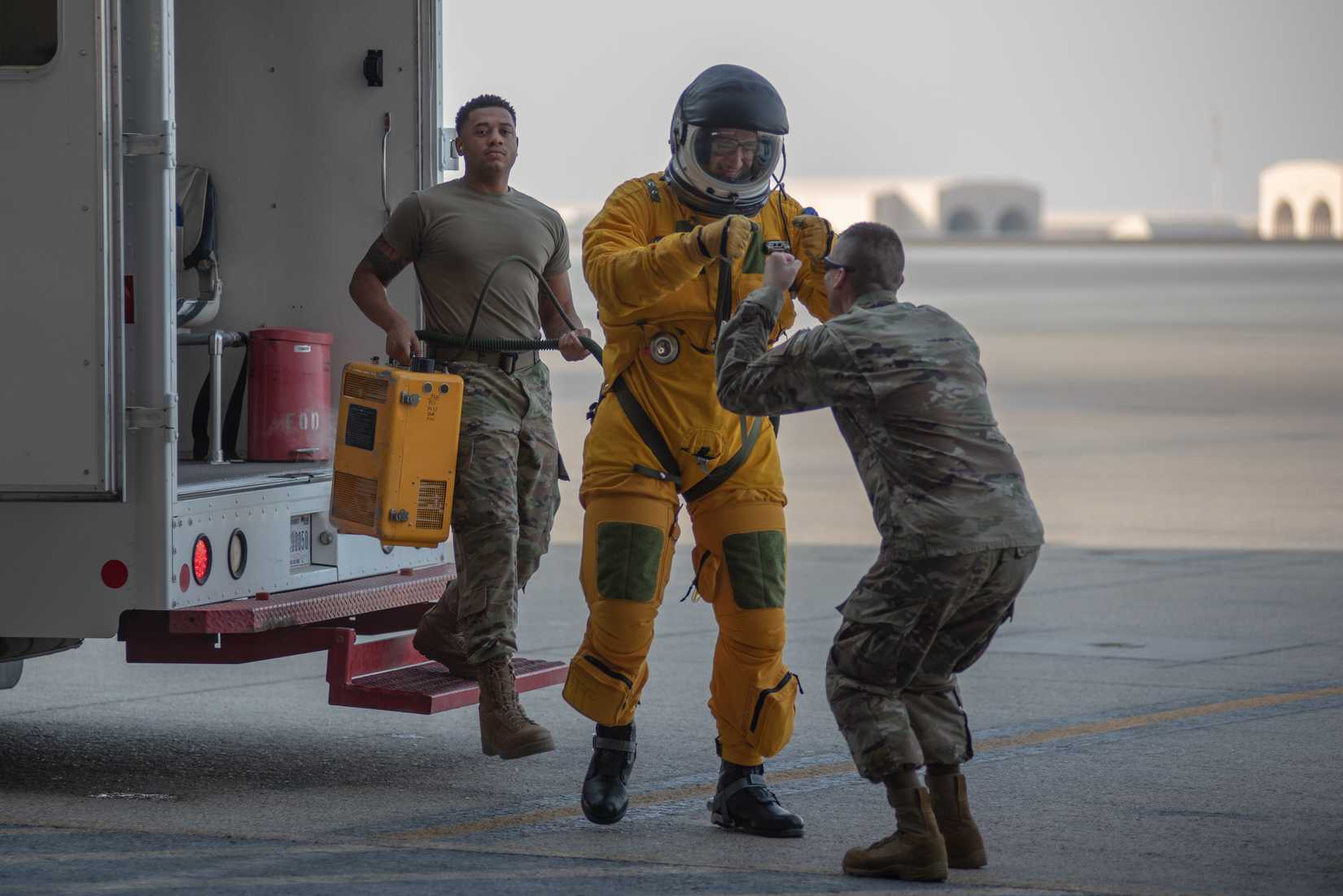
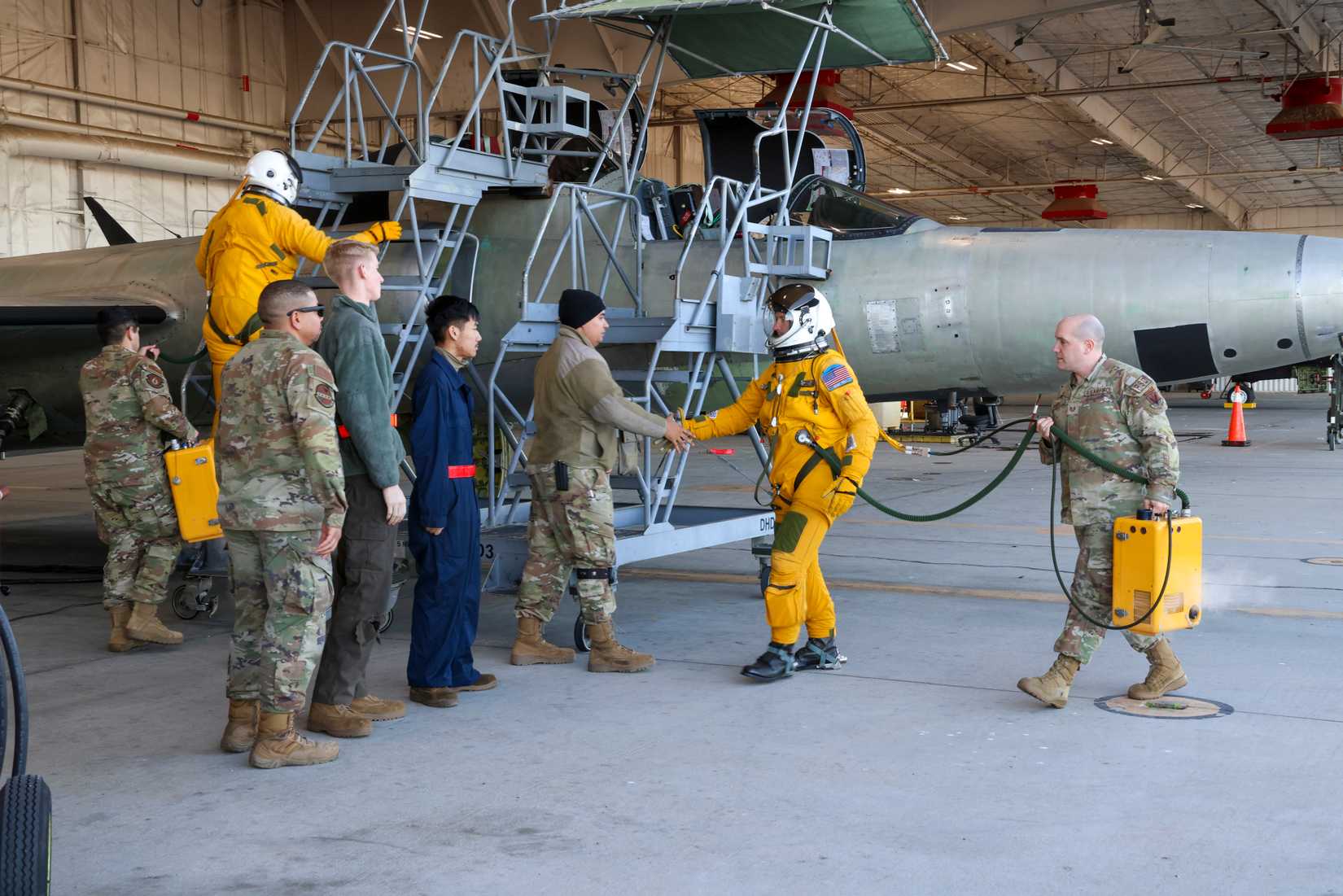
Operating the Dragon Lady requires navigating extreme physiological boundaries. A pilot taking off from Beale Air Force Base must undergo a meticulous, multi-stage preparation cycle managed by specialized Physiological Support Personnel.
The Science of the "Bends" and the Armstrong Line
At the U-2’s peak operating altitudes, the ambient atmospheric pressure is nearly nonexistent. The aircraft’s environmental control system maintains a cabin pressure roughly equivalent to the summit of Mount Everest (around 29,000 feet) rather than the sea-level-like pressurization found in modern commercial airliners.
Sustained exposure to this hypobaric environment creates the same physics that afflict scuba divers surfacing too quickly. Nitrogen, which constitutes roughly 78% of the air breathed at ground level, dissolves into the blood and bodily tissues. If a pilot transitions directly to high altitude, this nitrogen can form bubbles in the bloodstream, producing decompression sickness—commonly known as "the bends."
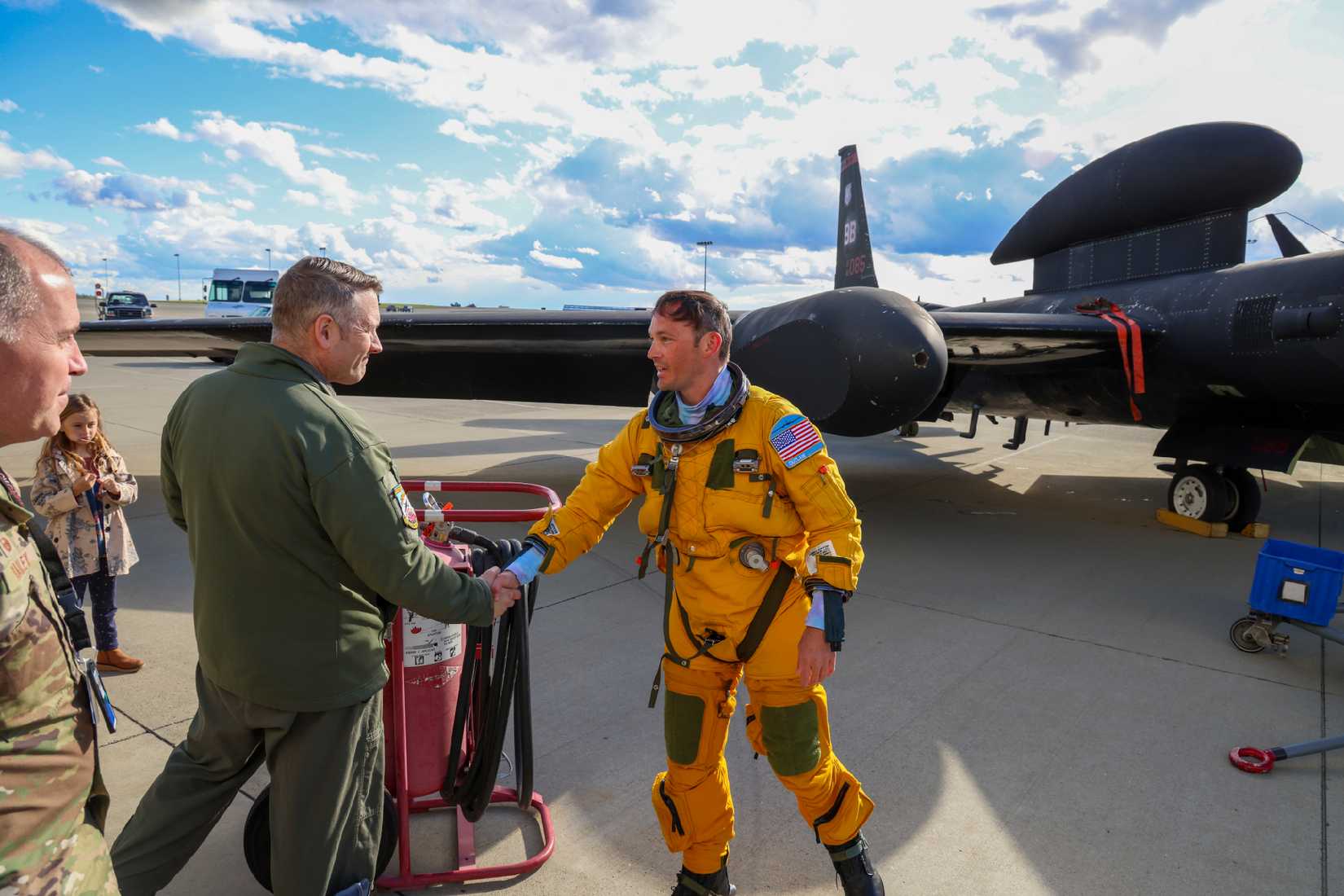
To mitigate this, pilots spend at least one hour prior to flight lying in a recliner, breathing 100% pure oxygen to purge nitrogen from their bloodstreams. Above the Armstrong Line—approximately 62,000 feet—any sudden loss of cabin pressure would cause bodily fluids to boil. To survive this catastrophic scenario, pilots are sealed into the David Clark SS1034 full-pressure suit. Weighing roughly 90 pounds, this self-contained life-support capsule acts as a wearable backup cockpit, complete with emergency pressure and oxygen systems that feed the pilot continuously from the pre-breathing chamber to the aircraft cockpit without ever mixing with ambient air.
Quantifying Risk: The CARE Program
The physical toll of these missions is thoroughly documented. Air Force flight surgeons at Beale Air Force Base spent decades analyzing human performance data on U-2 missions. A landmark retrospective Air Force study covering the years 1994 through 2010 documented 73 confirmed cases of decompression sickness among U-2 pilots.
In response to these findings, the Air Force launched the Cockpit Altitude Reduction Effort (CARE) beginning in 2013. By modifying the aircraft’s environmental control systems to lower the effective cabin altitude, the Air Force successfully reduced hypobaric exposure and enhanced pilot safety during grueling multi-hour missions.
Aerodynamic Precision: The "Coffin Corner"
Once established at operational altitude, the primary challenge shifts from physiological survival to extreme aerodynamic precision. Pilots must navigate the dreaded "coffin corner"—a narrow flight envelope in the thin air of the upper stratosphere where the margin between the aircraft’s stall speed and its maximum structural Mach limit shrinks to a critical window of approximately five knots.
Operating within this restricted band requires intense concentration. A minor deceleration causes the wings to lose lift and triggers an unrecoverable stall, while a slight overspeed subjects the airframe to severe shockwaves that can tear the wings from the fuselage. Pilots must maintain this precise velocity profile for hours on end while consuming liquid nutrition through a dedicated helmet port.
Official Statements and Strategic Value
Military leadership frequently emphasizes the irreplaceable strategic value of the U-2, particularly when compared to orbital assets and uncrewed aerial vehicles (UAVs).
"We continue to hone our combat competencies, showcasing Beale’s capacity as a power projection platform to rapidly respond to adversary actions anywhere in the world."
— Lt. Col. John ‘Jester’ Mattson, 1st Reconnaissance Squadron Commander
The Dwell Time and Orbit Advantage
While satellites are marvels of modern engineering, their utility for tactical ISR is fundamentally constrained by the physics of orbital mechanics. Satellites follow strict, predictable orbits. Advanced adversaries utilize sophisticated software to track when a spy satellite will pass overhead, enabling them to halt movements, conceal military hardware, and maintain radio silence during the brief window of observation. Once the satellite moves out of range, it may take 12 to 24 hours—or longer—for its orbit to bring it back over the same spot.
In contrast, the U-2 boasts a flight endurance of 12 to 14 hours (which can be extended further via aerial refueling). Rather than simply flying past a target, the Dragon Lady "stares" at it. By loitering outside or directly over a target area, the U-2 creates an ongoing narrative of activity: tracking guard shift changes, monitoring supply deliveries, and observing the real-time movement of mobile missile launchers along highways.
Furthermore, while modern UAVs rely heavily on continuous satellite data links that remain acutely vulnerable to electronic warfare, cyber disruption, and anti-satellite weapons, the presence of a human pilot inside the U-2 guarantees mission execution even in a heavily contested, degraded electromagnetic battlespace.
Future Outlook: Modular Adaptability and Relevance in Modern Warfare
As modern defense budgets pivot toward peer-to-peer conflict and contested logistics, the long-term outlook for the Lockheed U-2 remains surprisingly robust.
Modular Open Systems Architecture
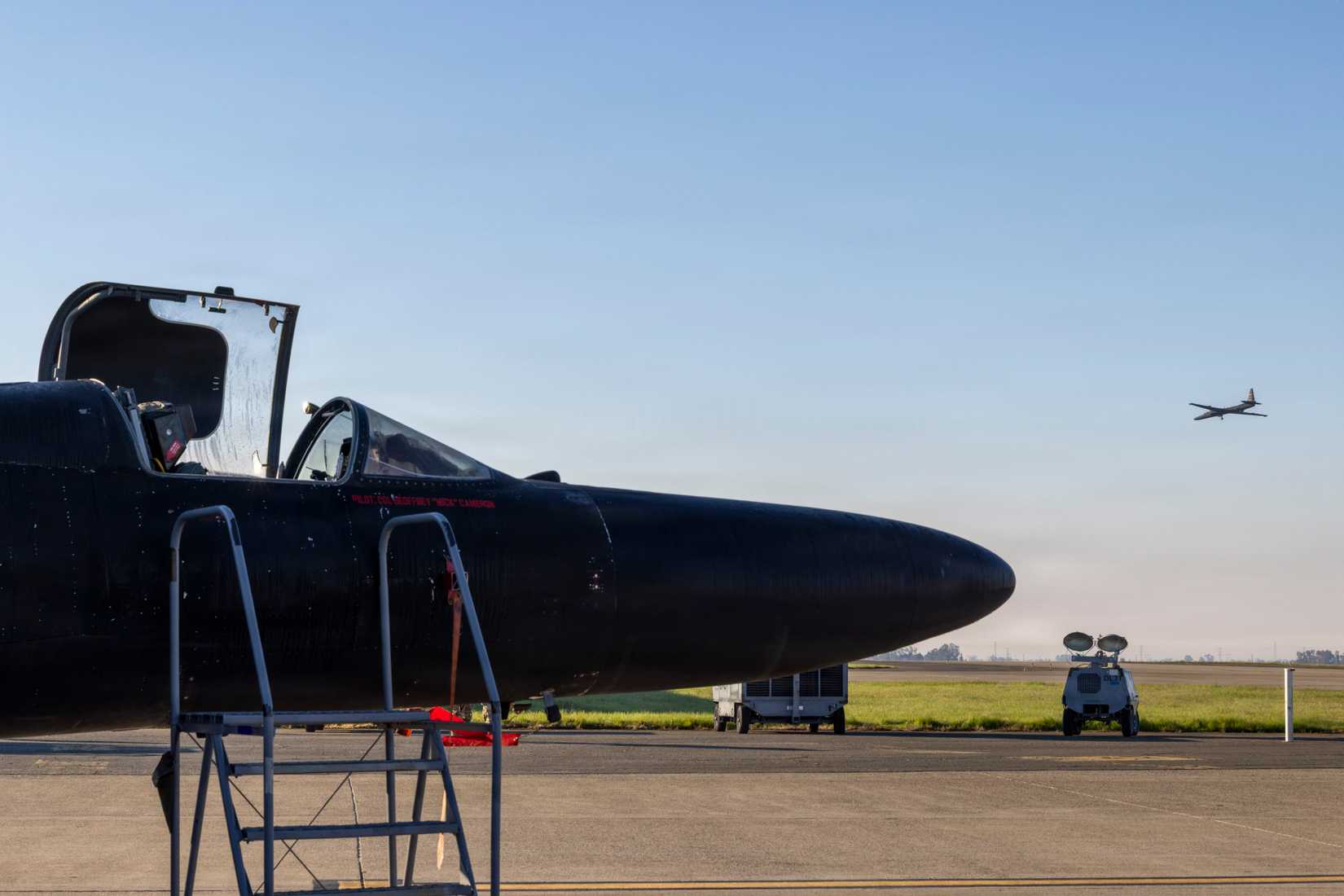
One of the Dragon Lady’s greatest operational advantages is its modular open systems architecture. Unlike a space-based satellite whose hardware design is permanently frozen at launch—rendering it obsolete if a component fails or if an adversary introduces a novel radar jammer—the U-2 features a modular nose cone, a spacious fuselage bay, and detachable wing pods.
Ground technicians can hot-swap completely different sensor packages between sorties in under an hour. If a mission launches with an optical camera package on a clear day, but a sudden weather front moves in overnight, ground crews can swap the payload for a radar pod the following day. If an adversary introduces a new communication frequency or radar emitter, engineers can rapidly integrate new signals intelligence (SIGINT) hardware into the U-2’s open digital architecture.
Electronic Warfare and Signals Intelligence
This adaptability shines brightest in electronic warfare and signals intelligence (EW/SIGINT) missions. While space-based EW assets are optimized for long-term strategic mapping of permanent national air defense grids, they lack the agility to respond to pop-up tactical threats.
If an adversary suddenly activates a mobile surface-to-air missile radar or increases tactical radio traffic ahead of an unannounced offensive, combat commanders can immediately re-task the U-2. The aircraft can vector toward the emission source in real time, pinpoint its coordinates, and relay critical targeting data directly to friendly ground or air units within minutes.
Conclusion
The Lockheed U-2 Dragon Lady defies the conventional military lifecycle. By bridging the gap between high-altitude aviation and spaceflight, it delivers capabilities that neither satellites nor uncrewed drones can fully replicate. Through continuous technological modernization, rigorous physiological preparation, and unmatched operational endurance, the Dragon Lady proves that vintage design, when paired with visionary adaptability, can remain an indispensable guardian of global security well into the future.