In the fast-paced ecosystem of travel gear manufacturing, most legacy brands subscribe to an incremental philosophy of product iteration. A zipper is swapped out here, a slightly different shade of ripstop nylon is introduced there, and a singular hero backpack might receive a modest annual revision. It is a risk-averse strategy designed to preserve manufacturing supply chains and minimize capital expenditure.
Matador, however, has discarded the traditional playbook.
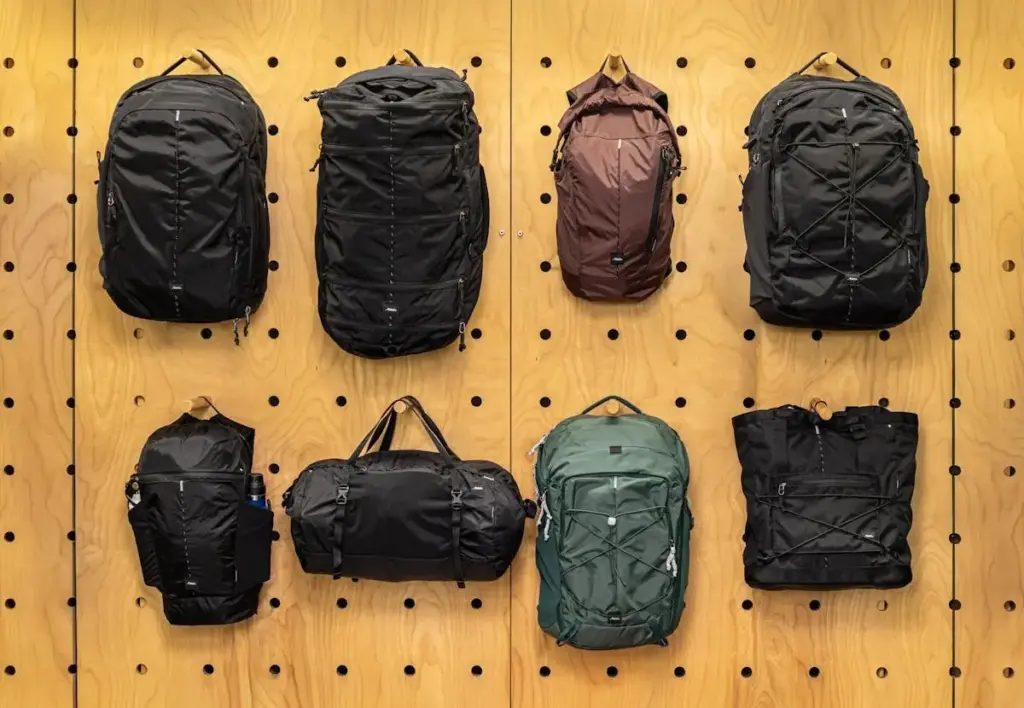
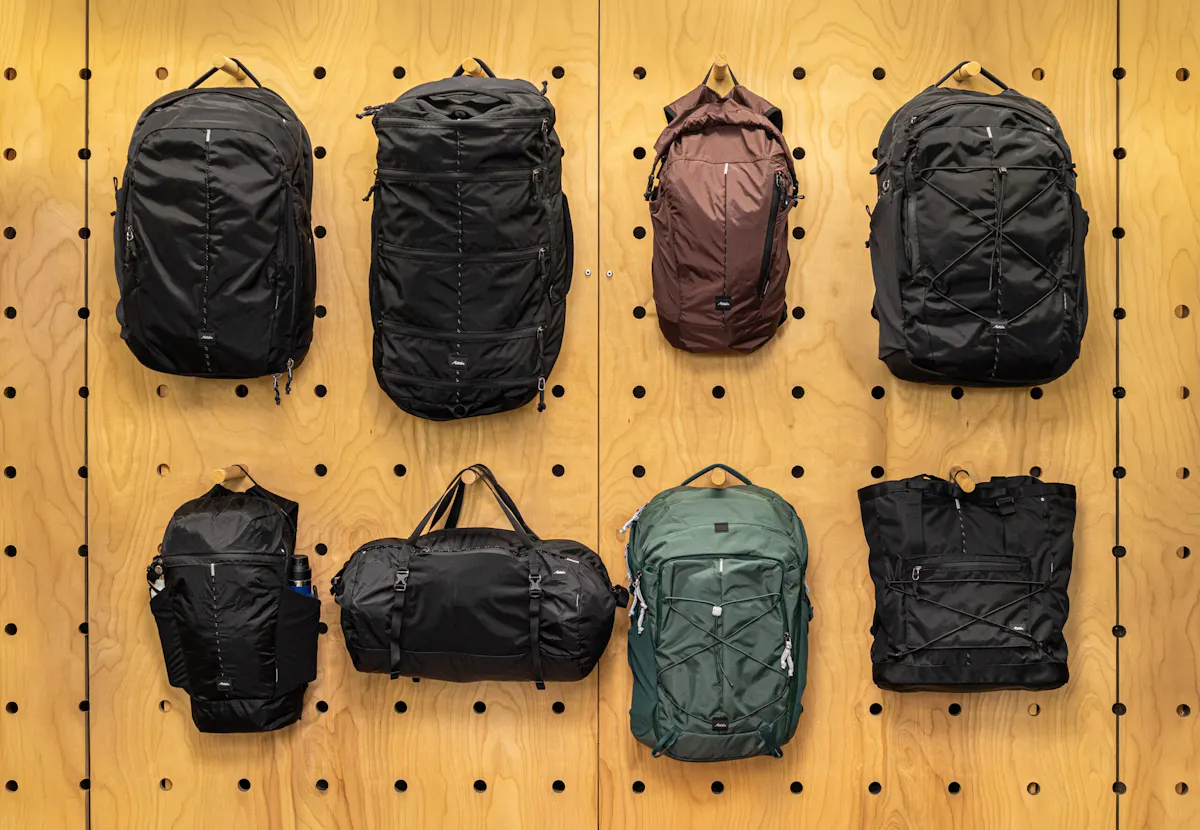
With the debut of their sweeping "Reinvented Collection," the brand has enacted a total operational and architectural reset. Rather than patching individual holes in an aging lineup, Matador’s leadership took a blank-sheet approach to the entire ecosystem, reimagining everything from high-capacity global travel packs and modular segment bags to ultra-minimalist slings and packable daypacks.
Dubbed internally as “The Grand Plan,” this comprehensive overhaul represents a rare moment in the outdoor and travel gear industry where a company essentially hits the factory reset button on its entire catalog. Spearheaded by Founder and CEO Chris Clearman, the initiative was designed to resolve decades of fragmented product evolution—transforming a collection of strong individual accessories into a unified, fully connected travel system.
For the modern traveler, this systematic shift promises greater ergonomic consistency, upgraded weather resistance, intuitive organization, and hyper-durable custom hardware, such as their proprietary DuraGlide zippers developed in partnership with Zoom. Yet, a total line-wide overhaul also raises critical questions: Do these new designs eclipse the cult-classic status of outgoing models like the Globerider series? And which of these newly engineered packs best matches your specific travel DNA?
To find out, industry-leading gear testers put the entire Reinvented Collection through rigorous real-world evaluations across Europe and beyond. Here is an investigative deep dive into why Matador tore down their drawing board, what changed across the lineup, and whether this high-stakes gamble has paid off.
Detailed Chronology: The Genesis of "The Grand Plan"
To understand the scope of the Reinvented Collection, one must first look backward at how technical gear brands organically evolve—and where they frequently stumble. Over several years of steady growth, Matador carved out a distinct niche for itself by engineering packable, technical travel gear that bridged the gap between ultralight backpacking and urban commuting. Their portfolio featured standout products that won praise from minimalist travelers and outdoor enthusiasts alike.
However, success breeds complexity. As individual products were developed across different production cycles to solve specific problems, the overarching lineup began to suffer from architectural fragmentation.
"Over the years, our lineup had grown into a collection of strong individual products, but not one fully-connected system," CEO Chris Clearman reflected during an exclusive interview. "The Grand Plan gave us a chance to step back and ask: If we were building the entire Matador travel ecosystem from scratch today, what should it look like?"
Rather than staggering updates over a five-to-ten-year window—which inevitably leaves customers navigating mismatched design languages, disparate zipper types, and conflicting organizational layouts—Matador made the bold executive decision to redesign its entire catalog simultaneously.
The timeline of development spanned years of intensive consumer research, ergonomic prototyping, and custom hardware engineering. By treating every individual component—from frame stays and sternum straps to webbing and zipper pulls—as its own dedicated micro-project, the design team was able to pinpoint recurring pain points. Zippers, long the Achilles’ heel of travel gear exposed to dust, moisture, and overpacking strain, were completely re-engineered. Harness systems were subjected to computational and physical stress-testing to strike a delicate balance: providing the load-transfer capabilities of technical alpine packs without making urban travelers feel as though they were summiting a peak.
The result is a simultaneous rollout that completely replaces legacy icons, signaling a maturation of Matador as a premier lifestyle and travel brand.
The Reinvented Lineup: A Model-by-Model Breakdown
Matador’s ground-up redesign touches nearly every category of carry. Whether you are embarking on a months-long backpacking excursion through Europe, boarding a strict budget carrier with a single personal item, or scaling a remote trail at your destination, the Reinvented Collection offers a specialized tool for the job. Below is a detailed breakdown of the standout pieces in the new ecosystem.
1. The Global Travel Pack Series (35L & 45L)
For the purists of one-bag travel, the Global Travel Pack series serves as the flagship workhorse of the new collection. Offered in both 35L and 45L configurations, these packs are designed to swallow bulky gear while maintaining an exceptionally sleek, professional silhouette.
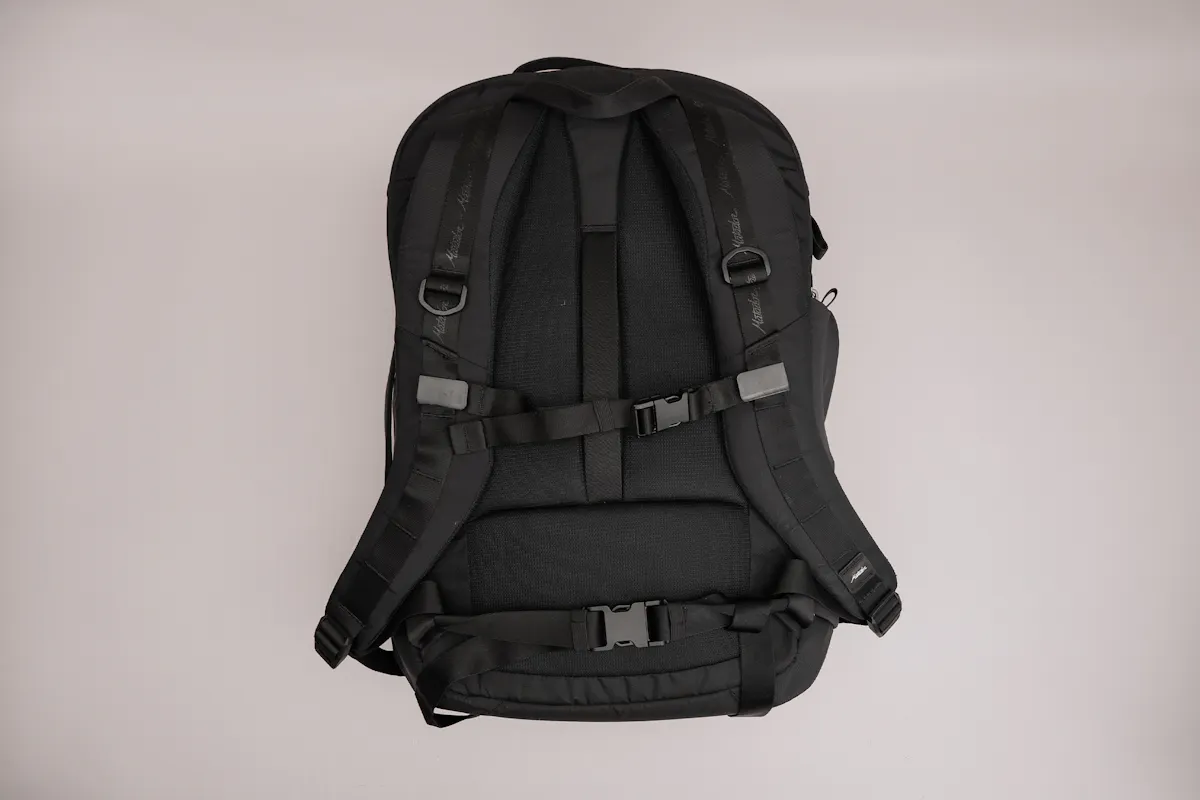
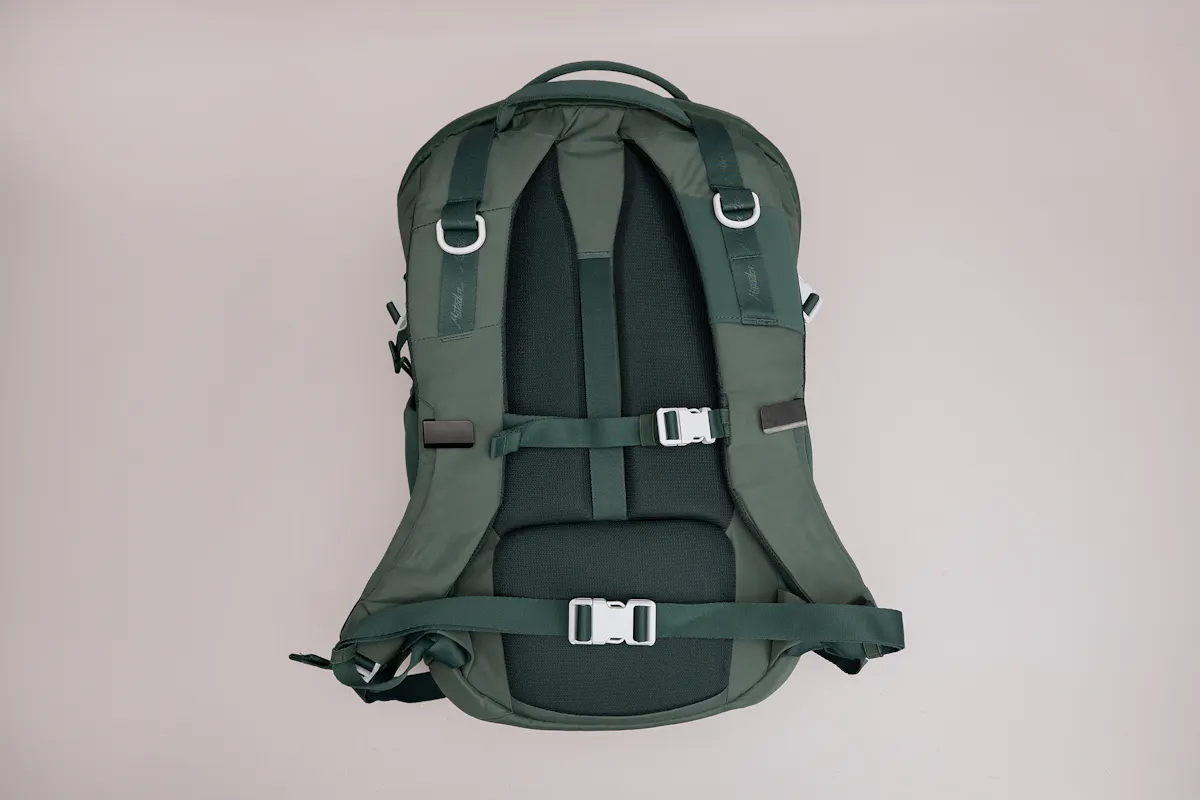
The Harness System: Both sizes feature a beefy, trail-inspired harness system complete with contoured, heavily padded shoulder straps, an easily adjustable sternum strap on a sliding rail, load lifters, and a fully stowable hip belt. Field testers taking the 35L variant to England reported that the harness system dramatically alters weight distribution, locking the bag close to the spine and relieving shoulder fatigue.
Internal Architecture: The main compartment features a wide-open bucket space for clothing, complemented by a mesh-divided section containing three zippered sub-compartments for smaller essentials. A dedicated laptop sleeve with a floating false bottom accommodates devices up to 16 inches, while a front admin panel houses tablets and daily tech.
Hidden Security: For peace of mind in crowded transit hubs, Matador has integrated the "Smuggler’s Pocket"—a discreet, well-concealed panel on the back harness designed to safeguard passports, cash, and critical identification.
Airline Considerations: While stellar for general travel, users should verify carry-on dimensions for stricter airlines, as the maximum-capacity models may push the boundaries of restrictive low-cost carrier limits.
2. The 30L Carry-On Travel Pack
Recognizing that not every traveler wants to wrestle with overhead bin limitations, Matador engineered the 30L Carry-On Travel Pack to slide effortlessly into compliance with most major domestic and international airlines.
Design Continuity: The 30L maintains the clean, minimalist aesthetic and premium materials of its larger siblings, including the custom DuraGlide and YKK zippers. The organizational layout remains familiar, including tracker pockets and the coveted Smuggler’s Pocket. However, to save weight and space, the tablet sleeve and several micro-pockets within the laptop compartment have been streamlined out.
Carry Dynamics: Due to its reduced volume, the harness system is more streamlined. While testers noted the absence of load lifters on the 30L version, the minimalist hip belt provides sufficient stabilization to keep the bag from shifting. Though slightly top-heavy when fully loaded compared to the 35L model, it represents an ideal architecture for smaller frames and streamlined packers.
3. The 45L SEG Hybrid Travel Pack
For travelers who despise digging through a cavernous main compartment to find a single pair of socks, the SEG Hybrid series offers a radical alternative.
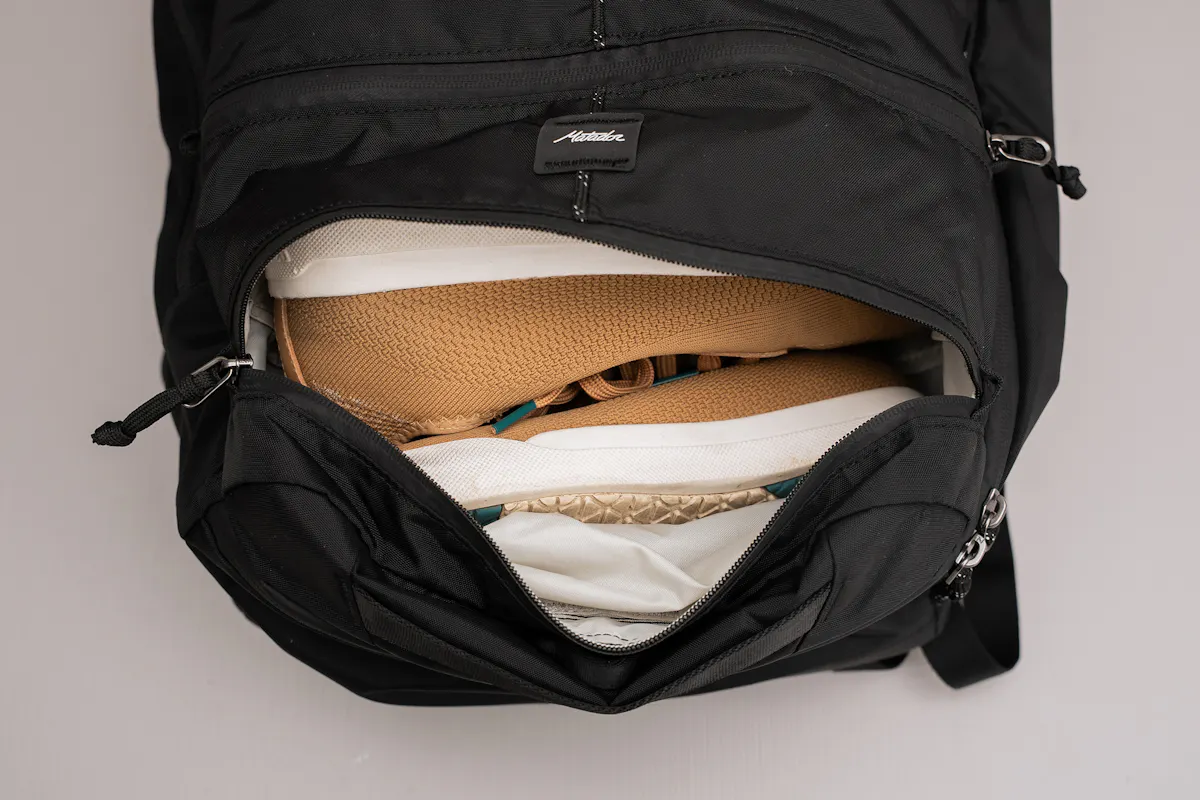
External Segmented Organization: The front panel of the SEG Hybrid is divided into multiple independent zippered segments that can be accessed externally—essentially acting as built-in packing cubes. Need a fresh t-shirt? Unzip that specific zone. Looking for footwear? Shoes slide neatly into their own dedicated compartment. This modular layout shines during airport security checks, allowing users to extract toiletries instantly without unzipping the entire bag.
Duffle-Style Versatility: While built with backpack straps, the SEG Hybrid can also be carried horizontally like a duffle. This flexibility is crucial because the bag can feel somewhat floppy and top-heavy when individual segments are left under-packed. For travelers who love the wide-open access of duffles but crave structured organization, this hybrid model is a compelling contender.
4. The 18L Personal Item Travel Pack
Scaling down significantly without abandoning structural integrity, the 18L Personal Item Travel Pack is optimized to ride beneath an airplane seat while functioning as a seamless daily driver once you reach your destination.
Dual-Access Architecture: Direct consumer feedback revealed that travelers interact with their bags differently in transit versus when stationary. This insight drove the creation of a dual-access main compartment, allowing seamless entry regardless of whether the bag is stowed under a seat or resting on a hotel desk.
Feature Set: Built with the same weather-resistant materials, breathable padding, and DuraGlide sealing zippers as the larger travel packs, it bridges the gap between executive minimalism and rugged dependability.
5. The 24L Adventure Pack
When your travel itinerary includes rough terrain, hiking trails, or inclement weather, the 24L Adventure Pack transitions seamlessly from an urban carry-on to a technical alpine daypack.
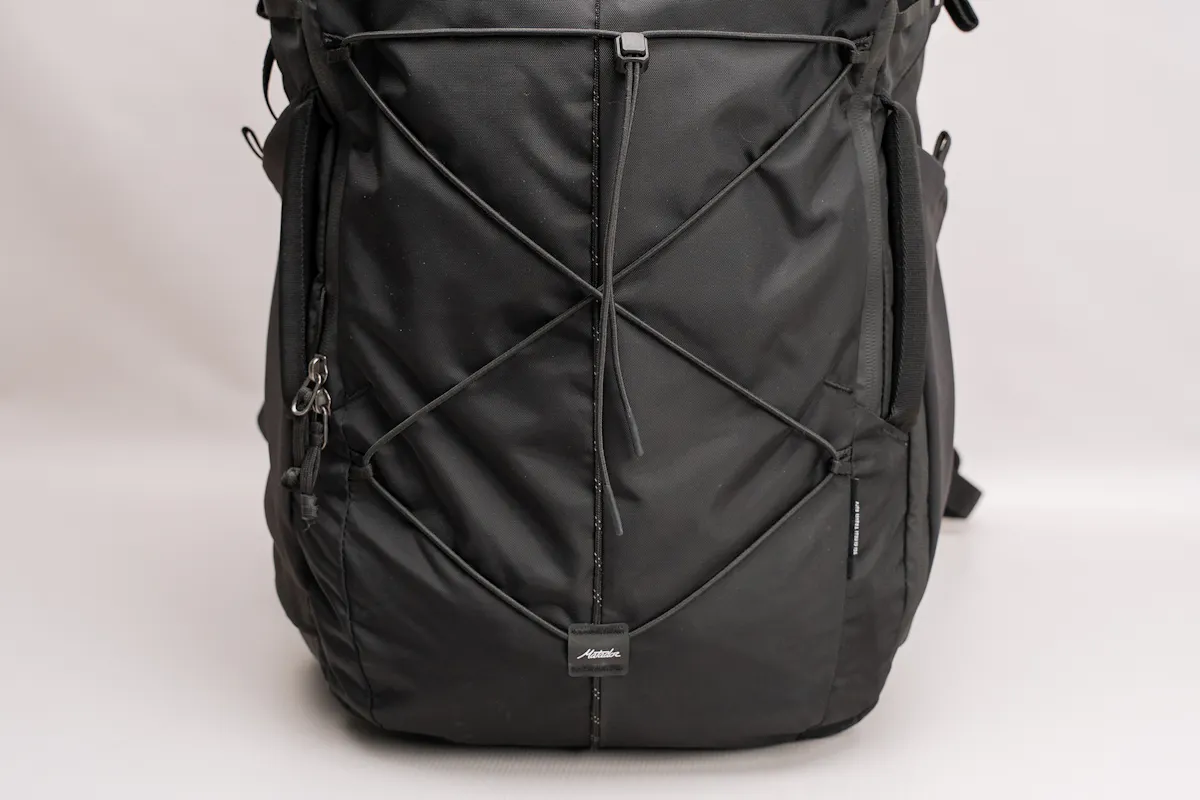
Trail-Ready Enhancements: Alongside the standard tech admin panel and dual-access points, this pack integrates outdoor-specific utilities including a front bungee system for wet gear, dedicated loops for trekking poles, and a versatile laptop sleeve that doubles as a hydration bladder compartment.
Ventilation: The breathable harness system features a central air channel that allows genuine airflow during strenuous summer hikes. Compression straps keep the load stabilized when moving quickly across uneven ground.
6. The 24L Tote Pack
For urban explorers who prefer the utility of a tote without sacrificing the ergonomic benefits of dual-strap carry, the 24L Tote Pack offers a clever hybrid solution.
Urban Utility: It includes a zippered center divider that forms a protective sleeve for documents or tablets, a mesh pocket for a 14-inch laptop, and the signature Smuggler’s Pocket.
Convertibility: When navigating city streets on a bicycle or electric scooter, the stowable backpack straps deploy instantly, preventing the awkward swinging and balance disruption common to traditional shoulder totes.
For destination travelers needing secondary carry options that vanish into nothingness when not in use, Matador updated its renowned packable line.
Standard vs. Waterproof 18L: The standard Packable Backpack features curved shoulder straps, stretchy water bottle pockets, and deep front organization. For absolute weather immunity, the 18L Waterproof variant utilizes a rolltop-and-buckle closure, taped internal seams, and DuraGlide sealing zippers.
The 30L Packable Duffle: Designed specifically to solve the universal "souvenir and dirty laundry capacity problem" on the return journey, this duffle packs into its own internal pocket. A quad-compression strap system cinches down excess fabric to eliminate floppiness when under-packed.
8. The 2L Lite Sling
Rounding out the collection is the hyper-minimalist 2L Lite Sling. Stripped down to absolute essentials, it offers a main compartment, a rear mesh pocket with a designated tracker slot, and a D-ring for accessory clipping. While lacking heavy padding—meaning bulky wallets can press against the body—it comfortably houses daily essentials like a smartphone, keys, passport, and compact cameras.
Supporting Context & Metrics: Engineering the Details
A superficial redesign involves swapping brand colors and updating marketing copy. Matador’s transformation, however, was anchored in deep material science and hardware engineering.
To quantify the success of the Reinvented Collection, one must examine the metrics of its components:
DuraGlide Zippers: Developed in close collaboration with Zoom, these custom-engineered closures solve the universal pain point of zipper failure under heavy loads. They combine water-resistant sealing with an ultra-smooth glide path. Furthermore, internal fabric baffles were added to internal compartments to relieve direct tension on the teeth when bags are aggressively overstuffed.
Fabric Selection: Matador utilized high-tenacity, weather-resistant technical synthetics across the entire ecosystem, balancing high abrasion resistance with weight-saving properties. This ensures that even the beefiest 45L travel packs remain remarkably light before a single item is packed.
Ergonomic Profiling: Frame stays and foam densities were standardized across the travel pack tier. By analyzing thousands of user data points regarding load transfer, the brand eliminated the hotspots common in previous generations, ensuring that frame structures distribute weight evenly across the hips and lumbar region.
Official Statements: The Philosophy of "The Grand Plan"
The driving force behind this unprecedented gamble was a commitment to listening directly to the travel community while refusing to compromise on holistic system design.
Reflecting on the limitations of traditional gear manufacturing, Chris Clearman elaborated on why a piecemeal approach no longer served Matador’s customer base:
"One of the advantages of replacing the full line at once is that we could apply years of learning across every bag, instead of fixing one product while leaving older products unchanged," Clearman explained. "Some bags in the previous line were designed years ago, before certain travel behaviors, technology, materials, and customer expectations had evolved. This reset allowed us to bring the whole line up to the same standard at the same time."
Addressing the delicate balance between feature richness and operational simplicity, Clearman emphasized the rigorous isolation of individual design elements:
"We also wanted to avoid the common problem where a bag has so many features that it becomes slower or more confusing to use. So, before designing the final bags, we treated individual elements as their own mini design projects: zippers, handles, zipper pulls, security loops, pocket layouts, frame stays, sternum straps, webbing, and more. We built options, tested them, quoted them, compared them, and chose the versions that gave the best mix of performance, usability, durability, and value."
Future Outlook: Is It Time to Upgrade?
Matador’s roll-of-the-dice strategy—replacing an entire catalog of successful, established products overnight—is rare in the consumer goods space. Yet, the early consensus from field tests suggests that the gamble has paid off handsomely.
The Global Travel Pack and Carry-On models successfully eclipse outgoing legacy bags like the Globerider series by offering more intuitive, versatile organization and drastically superior carry comfort. Meanwhile, niche options like the Adventure Pack and the ultra-light packable series solidify Matador’s reputation as an innovator that understands the diverse environments modern travelers encounter.
The Verdict: Whether you should upgrade depends entirely on your current gear satisfaction. If you have been wrestling with the organizational quirks, zipper friction, or suboptimal harness comfort of older bags, the Reinvented Collection offers a masterclass in modern travel engineering.
For those deeply attached to Matador’s legacy products, the secondary market or clearance shelves may beckon. But for forward-thinking travelers looking to streamline their journeys with a fully connected ecosystem, "The Grand Plan" has established a bold new benchmark for what travel gear can—and should—be.