






For decades, the global frequent flyer ecosystem operated on an unspoken social contract between commercial airlines and their most dedicated customers. It was an environment defined by mathematical exploitation: travelers spent countless hours reverse-engineering award charts, mapping complex multi-city itineraries, and leveraging carrier-imposed surcharges to unlock premium-cabin international travel for a fraction of its cash value. To the modern points hacker, the loyalty landscape was a puzzle box—a system where deep institutional knowledge yielded access to first-class suites, private lounges, and round-the-world journeys that routinely defied standard retail economics.
That golden era of mileage arbitrage has drawn to a definitive close.
In a coordinated, industry-wide defensive pivot, legacy carriers across North America, Asia, the Middle East, and Europe have systematically dismantled the mechanisms that enabled extreme value extraction. From United Airlines gutting its routing rules to Emirates restricting its flagship first-class awards, airlines are aggressively protecting the profitability of their premium inventory. The contemporary landscape is no longer a playground for clever routing tricks; it is a rigid, algorithmic ecosystem that isolates top-tier elites, penalizes casual point collectors, and replaces predictable award charts with dynamic pricing floors.
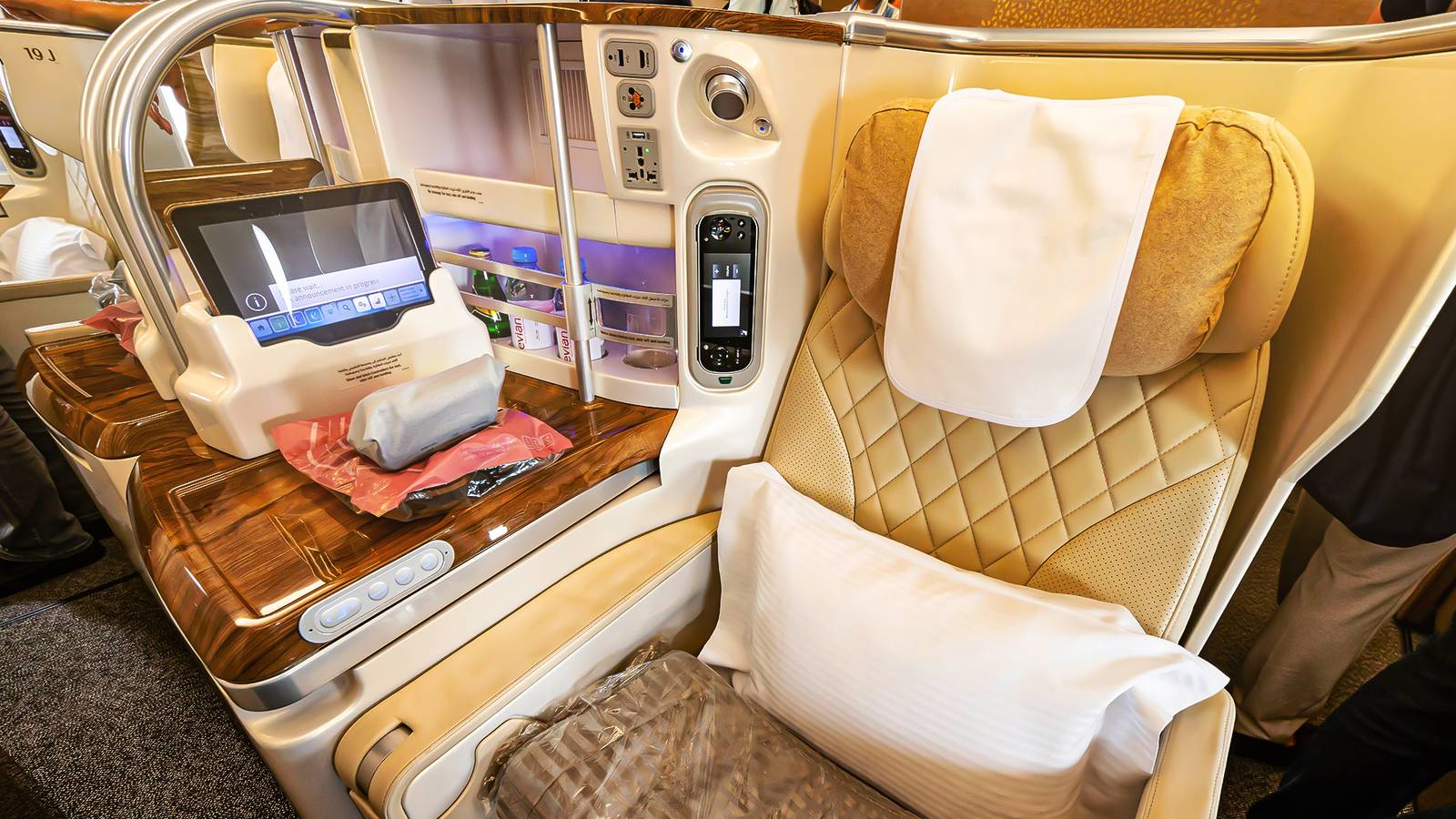
: The Structural Shift in Commercial Aviation Loyalty
The transformation of airline loyalty programs from cost-effective customer retention tools into high-margin retail profit centers represents one of the most significant structural shifts in modern aviation history. For years, major international carriers treated mileage liabilities as secondary balance-sheet entries, tolerating the "hacker community" as a minor marketing expense. However, the post-pandemic surge in premium travel demand fundamentally altered this calculus.
Airlines realized that every time a savvy traveler booked an ultra-long-haul first-class suite using deeply discounted partner miles or complex multi-destination routing rules, the carrier was losing thousands of dollars in high-yield cash revenue. Armed with advanced artificial intelligence, predictive revenue management systems, and real-time yield analytics, carriers began systematically closing structural loopholes.
The consequences of this shift are profound:

- The Death of Multi-Segment Arbitrage: Complex stopover allowances and multi-carrier routing vehicles—such as the United Excursionist Perk and the ANA Star Alliance Round the World award—have been entirely eliminated or severely restricted.
- Elite Gatekeeping: Premium cabins are increasingly locked behind walls of airline status, transforming aspirational awards into exclusive privileges reserved solely for elite-tier cardholders.
- Dynamic Devaluations: Fixed-price partner award charts are being steadily phased out or subjected to stealth devaluations, pushing points values closer to direct retail cash parity.
Detailed Chronology: The Systematic Dismantling of Loyalty Loopholes
The erosion of the frequent flyer golden age did not happen overnight; it was executed through a calculated series of policy changes deployed by the world’s leading carriers over an intense 18-month window.
1. United Airlines: Dismantling MileagePlus Perks and Instant Upgrades
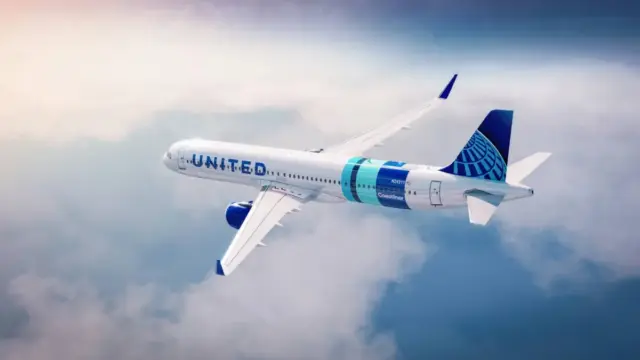
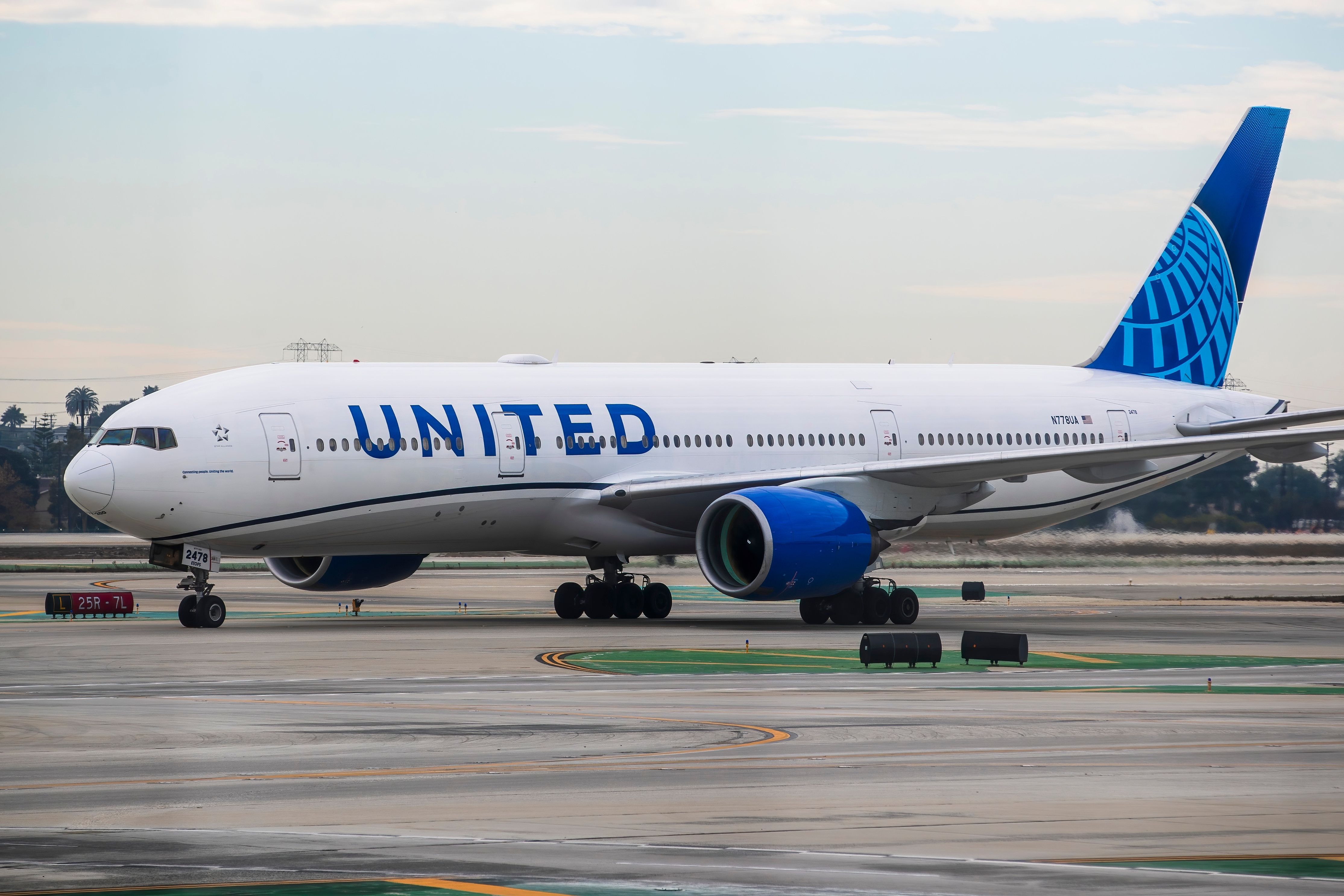
The dismantling of United Airlines’ MileagePlus program stands as a watershed moment for North American frequent flyer programs. For years, the Excursionist Perk served as the gold standard for multi-city international travel. It permitted travelers to book complex itineraries spanning three distinct geographic regions while slipping in a free one-way flight within the middle region—allowing globetrotters to visit Tokyo, fly onward to Seoul at no additional mileage cost, and continue deeper into Asia.
Effective August 21, 2025, United pulled the plug on this feature, forcing travelers away from high-value creative routing and back into linear, exponentially more expensive booking models.

This was swiftly followed by the retirement of fixed upgrade charts on November 24, 2025. Previously, corporate and full-fare economy passengers could secure instant, predictable upgrades to business or first class upon booking, provided physical inventory existed. By shifting these upgrades into a waitlist system managed entirely by proprietary revenue algorithms, United stripped away the reliability that business travelers depended on, ensuring that premium inventory is now sold strictly for cash or high, dynamically priced mileage amounts.
2. All Nippon Airways (ANA): The Demise of the Star Alliance Round-the-World Award
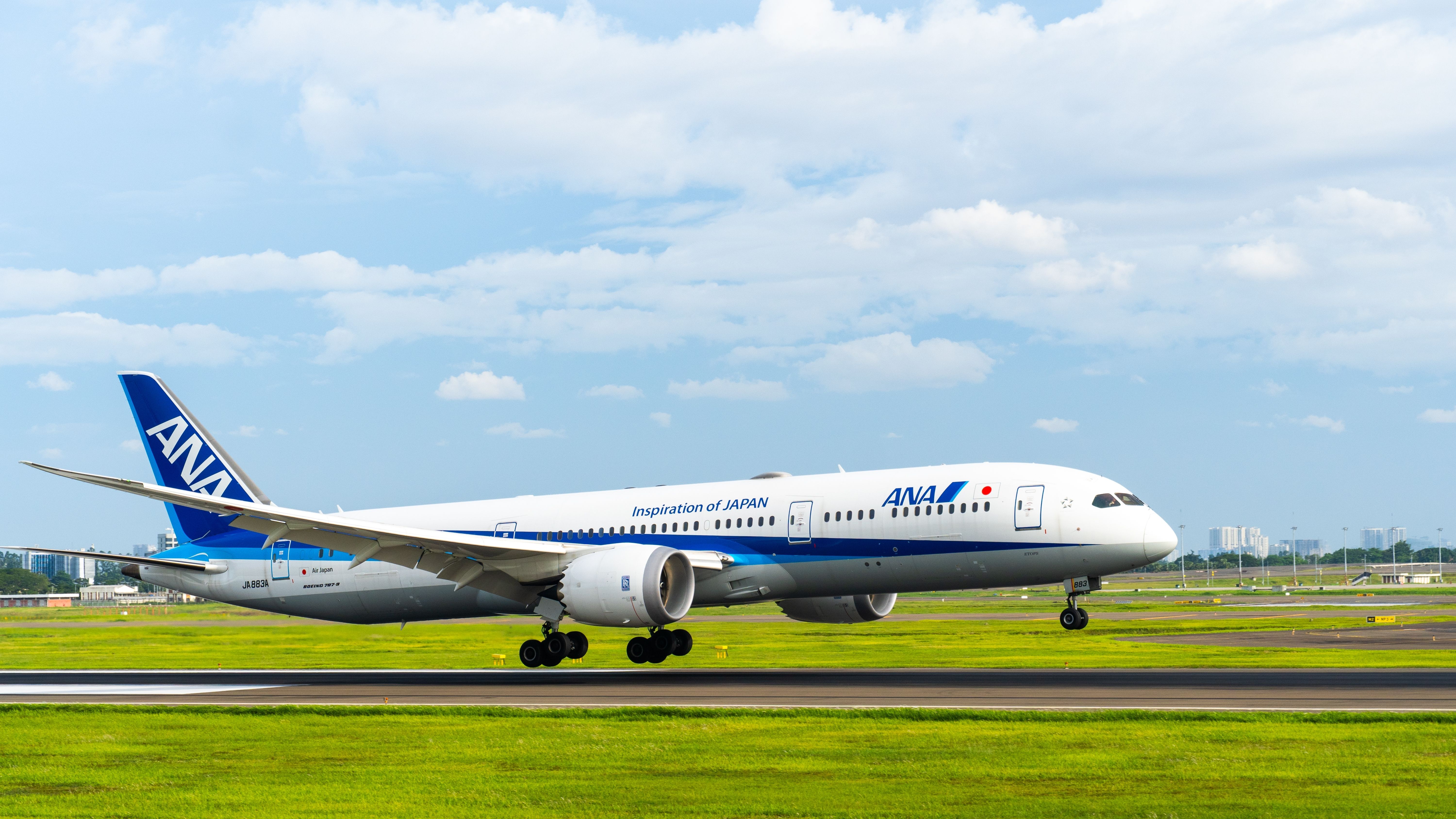
For sheer audacity and value, the All Nippon Airways (ANA) Star Alliance Round the World (RTW) award had no rival. It allowed members to construct massive, multi-stop global itineraries spanning 20,000 miles or more, weaving together multiple Star Alliance partners under a single ticket priced purely on total distance rather than point-to-point segments. It was a mathematical marvel that bypassed dynamic pricing entirely.
That architectural masterpiece met its end on June 23, 2025, when ANA ceased issuing these specialized tickets. By closing this door, ANA eliminated the single most flexible multi-destination award vehicle remaining in the alliance portfolio. Travelers are now relegated to traditional point-to-point redemptions, which are significantly more expensive and subject to strict, individual carrier availability rules.

3. Emirates & Qantas: Gated First-Class Access and Age Restrictions
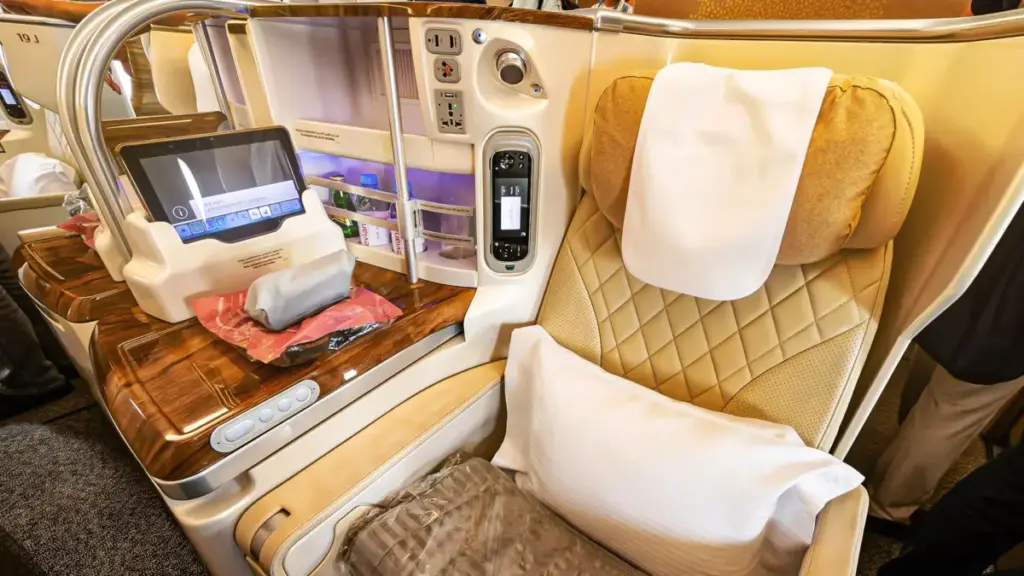
Emirates long maintained a reputation for keeping its legendary Airbus A380 First Class cabin—complete with onboard shower spas and private suites—accessible to anyone with a strong stash of partner miles. That accessibility abruptly changed on May 12, 2025, when Emirates restricted "Classic Reward" first-class bookings exclusively to members holding Emirates Skywards Silver, Gold, or Platinum status. Base-level collectors and credit card point accumulators were instantly locked out, regardless of their mileage balances.
Australia’s Qantas quickly synchronized its partnership rules with Emirates. On January 21, 2026, Qantas introduced a controversial minimum age requirement of nine years for Emirates first-class redemptions. By February 18, 2026, Qantas restricted these bookings exclusively to its own elite status holders. Compounding these restrictions, Qantas escalated first-class award costs by roughly 20% on March 31, 2026, turning a once-in-a-lifetime redemption into an extraordinarily exclusive and expensive venture.
4. Air Canada Aeroplan: Recalibrating the Partner Sweet Spots
Air Canada’s Aeroplan program had long been celebrated as a safe haven for value-seekers due to its transparent, distance-based partner award chart. By disconnecting award costs from fluctuating cash prices, Aeroplan enabled members to secure long-haul partner flights at predictable rates.
However, this structure created an unsustainable economic imbalance for Air Canada, as the cost of redeeming points for long-haul partner business class often sat far below the actual market value of those seats. On June 1, 2026, Aeroplan implemented a sweeping recalibration of its award chart. Transpacific partner business-class awards in the 7,501–11,000-mile distance band jumped from 87,500 points to 102,500 points (a 17% increase), while transatlantic first-class redemptions spiked by 20%, rising from 100,000 points to 120,000 points.
Supporting Context & Metrics: The Economics of the Devaluation
To understand why global airlines have synchronized these restrictive policies, one must examine the macroeconomic reality of modern airline balance sheets. Loyalty programs—frequently spun off into independent financial entities or used as collateral for multi-billion-dollar bank loans—are often more profitable than the core flying operations of the airlines themselves.
| Program | Policy Change | Effective Date | Core Impact |
|---|---|---|---|
| United Airlines | Termination of Excursionist Perk | August 21, 2025 | Elimination of free multi-city middle segments. |
| United Airlines | Retirement of Fixed Upgrade Charts | November 24, 2025 | Shift from fixed rules to algorithmic waitlists. |
| ANA | Termination of RTW Awards | June 23, 2025 | End of distance-based global multi-stop tickets. |
| Emirates | First-Class Award Restrictions | May 12, 2025 | Gated access reserved exclusively for Skywards Elites. |
| Qantas | Emirates Redemption Overhaul | Q1 2026 | Age limits, status gating, and 20% price hike. |
| Air Canada | Aeroplan Partner Chart Devaluation | June 1, 2026 | 17%–20% point cost increases on long-haul premium routes. |
Industry analysts point out that unmonitored arbitrage threatened to dilute the perceived luxury and exclusivity of premium cabins. When first-class cabins filled up with passengers who acquired their seats via heavily discounted credit card transfer bonuses rather than cash fares, corporate clients paying top-dollar cash fares began to express dissatisfaction. Airlines have chosen to prioritize high-yield cash customers and high-spend elite loyalty over the point-maximizing community.
Official Statements and Industry Perspectives
While airline executives rarely frame these adjustments as negative, corporate communications highlight a clear strategic realignment toward "customer simplification" and "inventory integrity."
In statements addressing the structural changes to MileagePlus, airline representatives emphasized that dynamic resource allocation ensures fair seat availability for the customers who invest most deeply in the airline’s ecosystem. Similarly, financial briefings from Air Canada regarding the Aeroplan recalibration noted that partner redemption pricing must continuously evolve to reflect global economic realities and operational cost increases.
Independent aviation analysts offer a more unfiltered assessment. Frequent flyer experts note that the traditional "cents-per-mile" obsession is hitting a brick wall. As long as third-party bank partnerships continue to inject billions of miles into circulation, airlines will be forced to artificially constrain the supply of redeemable seats to prevent system-wide inflation. The message from the boardrooms is clear: points are no longer an independent currency; they are a restricted utility token controlled entirely by corporate revenue managers.

Future Outlook: Navigating the Retail-Centric Loyalty Landscape
As the dust settles on this era of structural overhauls, the strategic playbook for frequent flyers must fundamentally evolve. The days of discovering obscure routing loopholes and exploiting unintended mathematical anomalies are largely over.
- Consolidation Over Diversification: Spreading small balances across half a dozen airline programs is no longer viable. Success in the modern landscape requires deep consolidation within a single carrier or alliance ecosystem to fast-track elite status.
- The Shift to Status-Driven Access: Because direct award inventory is increasingly gated behind elite status tiers (as seen with Emirates and Qantas), the ultimate goal must shift from hoarding raw mileage balances to maximizing status-qualifying activity through co-branded credit card spend and consistent flying.
- Embracing Tactical Workarounds: While direct awards are restricted, clever travelers will continue to find secondary workarounds—such as booking business class cabins and leveraging operational upgrade cash bids or last-minute mileage upgrade inventory at check-in.
Ultimately, the maturation of the frequent flyer industry signifies that the era of the "free ride" has been replaced by the era of the "preferred customer." Those who cling to outdated hacking strategies will find themselves continually priced out of premium cabins. However, travelers who adapt to this retail-centric reality—leveraging status, consolidating spend, and accepting predictability over arbitrage—will continue to find substantial utility in their loyalty programs, navigating the skies on terms dictated by the modern aviation economy.