







For families managing chronic, autoimmune medical conditions, the simple act of planning a family vacation can quickly transform from an exciting getaway into a high-stakes logistical challenge. When a child is diagnosed with multiple complex health conditions requiring rigorous daily medical intervention, the anxieties surrounding travel—ranging from temperature-controlled medication storage to strict cross-contamination dietary requirements—can often lead families to stay home altogether.
This is the narrative of one family’s journey, spearheaded by a mother navigating the recent, simultaneous realities of her six-year-old daughter’s Type 1 Diabetes (T1D) and Celiac Disease diagnosis. Faced with the daunting task of transporting life-saving medical equipment, maintaining strict insulin refrigeration, and preventing severe gluten exposure, the family discovered an innovative solution: an RV rental. By utilizing an RV marketplace platform, they transformed a potential travel disaster into a seamless, empowering adventure.
This in-depth feature explores the intersections of autoimmune diseases in pediatric patients, the staggering logistical realities of traveling with complex medical needs, and how alternative travel accommodations—specifically recreational vehicle rentals—are reshaping accessible tourism for medically vulnerable families.
Detailed Chronology: From Clinical Diagnosis to the Open Road
The journey toward accessible travel for this family did not begin with a map or a hotel booking; it began in a clinical examination room, punctuated by life-altering medical diagnoses.
The Onset of Celiac Disease
Years prior to their recent travel trials, the family received their first major medical hurdle: a diagnosis of Celiac Disease. While many outside the medical community occasionally mistake Celiac Disease for a trendy dietary preference, it is, in reality, a severe systemic autoimmune condition.
For a child with Celiac Disease, ingesting even trace amounts of gluten—a protein found in wheat, barley, and rye—triggers a hyper-aggressive immune response. Instead of processing the food normally, the body’s immune system attacks the small intestine, specifically damaging the delicate, finger-like projections known as villi. This damage severely impairs the body’s ability to absorb vital nutrients, leading to chronic illness, pain, and long-term developmental risks. For this family, dining out or traveling meant treating every meal as a potential health hazard.
The Type 1 Diabetes Diagnosis
Just a couple of months prior to their planned vacation, the family faced a second, even more intensive medical curveball: their six-year-old daughter was diagnosed with Type 1 Diabetes (T1D).
Unlike Type 2 Diabetes, which is frequently influenced by lifestyle and dietary factors, Type 1 Diabetes is an entirely distinct, chronic autoimmune condition. The patient’s immune system mistakenly identifies the insulin-producing beta cells within the pancreas as foreign invaders, systematically destroying them. Consequently, the pancreas ceases insulin production entirely. Without exogenous insulin delivered continuously via medical intervention and precisely metered doses around mealtimes based on carbohydrate intake, glucose cannot enter the body’s cells for energy. Instead, it accumulates dangerously in the bloodstream, leading to life-threatening complications like diabetic ketoacidosis (DKA).
Suddenly, the family’s daily life was entirely restructured around blood glucose meters, continuous glucose monitors (CGMs), insulin pumps, precise carbohydrate counting, and emergency rescue treatments.
The Intersection of Travel and Medical Realities
With a child managing both Celiac Disease and Type 1 Diabetes, the prospect of a traditional vacation—packed hotel rooms, unfamiliar restaurants, and limited refrigeration—became a source of profound anxiety. Yet, rather than letting chronic illness dictate the boundaries of their lives, the parents resolved to find a travel medium that could seamlessly accommodate their daughter’s medical protocol while still delivering the magic of a family vacation.
Supporting Context & Metrics: The Autoimmune Connection and Travel Logistics
To truly understand why traveling with this specific medical combination requires meticulous preparation, one must examine the clinical data surrounding autoimmune comorbidities and the sheer volume of supplies required for basic survival.
The Autoimmune Connection: Clinical Statistics
It is a recognized phenomenon in pediatric medicine that autoimmune diseases frequently cluster within individuals. While having Celiac Disease does not directly cause Type 1 Diabetes (and vice versa), epidemiological studies demonstrate a significant statistical overlap between the two conditions.
According to data compiled by the University of Florida Diabetes Institute, approximately 3.5% to 10% of individuals diagnosed with Celiac Disease subsequently develop Type 1 Diabetes, and similarly, patients with T1D face a heightened risk of developing Celiac Disease. Furthermore, observational research published by The National Library of Medicine underscores that the systemic risk of developing Type 1 Diabetes is significantly elevated in individuals already managing Celiac Disease or autoimmune thyroid disorders compared to the general, non-autoimmune population.
This clinical reality means that a growing demographic of pediatric patients must manage complex, multi-system health protocols simultaneously—extending far beyond the standard medical care required for a single chronic illness.
The T1D and Celiac Travel Checklist
Managing Type 1 Diabetes and Celiac Disease on the road requires a massive inventory of specialized medical hardware, pharmaceuticals, and safety gear. A standard travel kit must account for potential device failures, unexpected delays, and rigorous dietary controls:
- Insulin Supplies: Vial or pen configurations of fast-acting insulin, which must remain strictly temperature-controlled and refrigerated.
- Insulin Pump Logistics: Infusion sets, cartridges, skin prep wipes, and adhesive barrier films. Insulin pumps typically require full site changes every three days.
- Continuous Glucose Monitoring (CGM): Sensors, transmitters, and over-patches. CGMs generally require replacement every 10 days and are vulnerable to being dislodged during physical activity or swimming.
- Blood Glucose Meter: Traditional blood drop meters, lancets, test strips, and calibration fluids for cross-referencing CGM readings.
- Emergency Interventions: Fast-acting glucose rescue tabs, glucose gels, and glucagon injection kits or nasal powders for severe hypoglycemic episodes.
- First Aid & Psychological Comfort: Alcohol wipes, specialized skin adhesives, and medical-grade or child-friendly character bandages (which, as pediatric patients often remind their caregivers, cannot be boring).
- Dietary Equipment: Dedicated Celiac-safe food supplies, portable food scales for accurate carbohydrate calculation, and secure containers to prevent cross-contamination from gluten-containing items.
Maintaining this vast infrastructure in a standard hotel room—where mini-fridges fluctuate in temperature, kitchenettes are rarely gluten-free, and electrical outlets for charging monitoring devices can be scarce—presents an exhausting operational challenge for traveling parents.
Official Statements and Industry Insights: Redefining Accessible Travel
Medical advocacy organizations and travel industry platforms alike are increasingly recognizing the barriers faced by families managing chronic illnesses, pushing for structural changes in how vacations are planned and executed.
Patient Advocacy and Resource Networks
Leading health organizations emphasize that education and robust preparation are the twin pillars of safe travel for children with Type 1 Diabetes and Celiac Disease.
- Breakthrough T1D (formerly JDRF) provides extensive global resources detailing how to navigate airport security protocols with insulin pumps, how to manage insulin stability across varying climates, and how to pack redundant medical supplies to safeguard against lost luggage or mechanical failures.
- The Celiac Disease Foundation and Beyond Celiac continuously advocate for restaurant safety, food labeling transparency, and the creation of controlled culinary environments for individuals with severe gluten intolerances.
The Role of Alternative Travel Accommodations
Industry experts note a sharp rise in families seeking alternative lodging solutions—such as vacation home rentals and RV travel—specifically driven by health and dietary management needs.
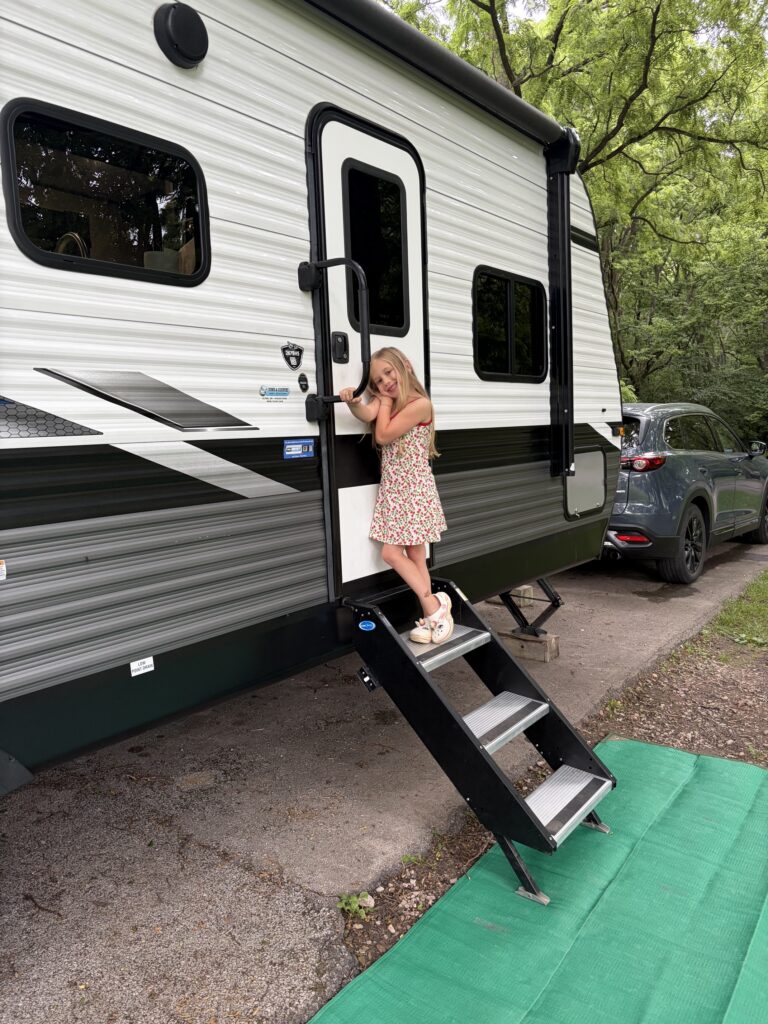
In this particular family’s case, the mother’s employment at RVshare, an RV rental marketplace, provided a unique pathway to accessible travel. By utilizing an annual employee rental stipend, the family bypassed traditional hospitality limitations.
"Taking an RV trip eased my mind immensely when it came to traveling with my diabetic daughter," the mother notes. "It was easy to pack ample backups of all the medical devices we needed, and they were always easily accessible. We could also bring all her favorite snacks and meals, ensuring that she wouldn’t accidentally be exposed to gluten."
Furthermore, modern RV rentals offer features that directly alleviate the operational friction of managing chronic illness on the road:
- Reliable Refrigeration: Unlike unreliable hotel mini-fridges, RV refrigerators provide dependable, continuous temperature control essential for preserving insulin potency.
- Full Kitchen Facilities: Dedicated stove tops, ovens, and ample counter space allow caregivers to prep entirely gluten-free meals from scratch, eliminating the cross-contamination risks inherent in restaurant dining.
- Controlled Environment: A private, mobile living space ensures that emergency medical supplies are permanently housed in a designated, easily accessible location rather than scattered across suitcases.
- Delivery and Setup Services: Recognizing that driving or towing a large recreational vehicle can intimidate first-time travelers, many RV owners on modern rental platforms offer direct delivery and setup services to the campsite. Campers can arrive to find a fully functional, climate-controlled RV with electricity, running water, and a pre-chilled refrigerator waiting for them.
Future Outlook: The Evolution of Medically Inclusive Tourism
As medical technology continues to advance—ushering in increasingly sophisticated closed-loop artificial pancreas systems, needle-free glucose monitoring integration, and improved diagnostic pipelines for autoimmune comorbidities—the profile of the traveling pediatric patient is also evolving.
However, technology alone cannot solve the environmental hurdles of travel. The future of inclusive tourism relies heavily on the adaptability of the travel and hospitality sectors. The success of RV-based travel for families managing Type 1 Diabetes and Celiac Disease points toward a broader paradigm shift: the integration of health-conscious, accessible infrastructure into outdoor recreation and family travel.
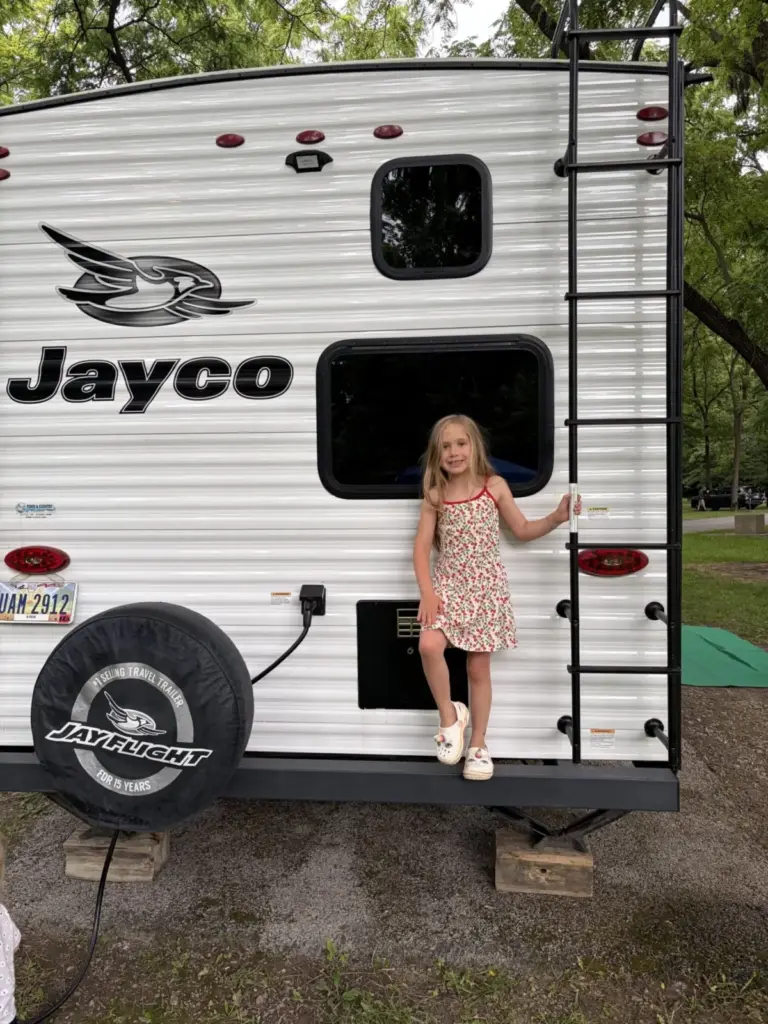
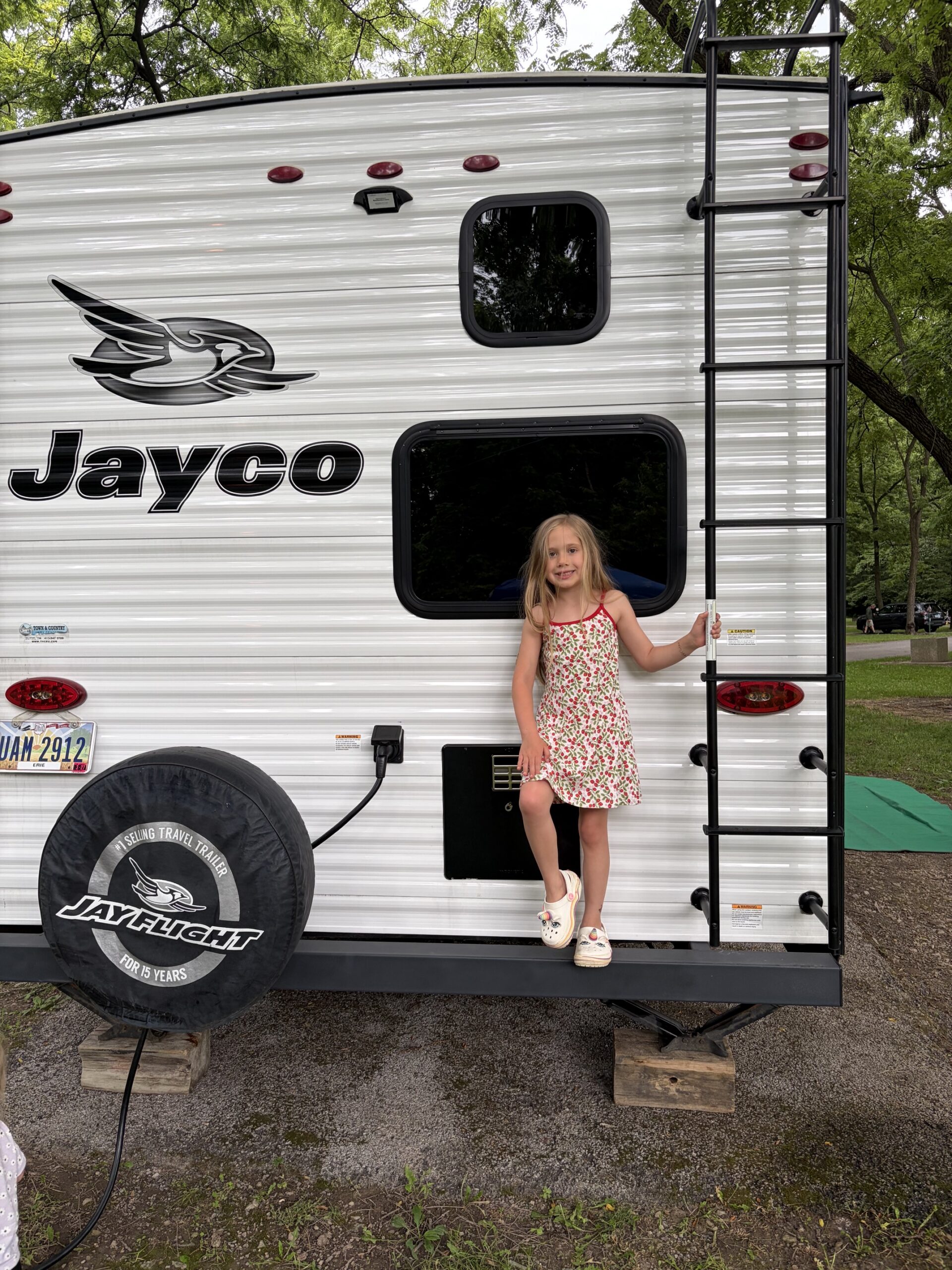
State and national parks—such as East Harbor State Park in Ohio, where the family successfully camped—are increasingly viewed not just as sites for leisure, but as safe, manageable environments for children with chronic conditions. Surrounded by nature, unplugged from excessive screen time, and enjoying playgrounds, beaches, and walking trails, children with complex medical needs can experience the physical and mental health benefits of the great outdoors without compromising their medical safety.
Conclusion
Managing Type 1 Diabetes and Celiac Disease simultaneously is an undeniable test of resilience, vigilance, and organization. Yet, as this family’s journey demonstrates, chronic illness does not have to be a permanent barrier to adventure. By leveraging innovative travel models—such as fully equipped RV rentals—and leaning into robust medical preparation, families can step outside their comfort zones, explore the open road, and prove that a life touched by autoimmune conditions can still be a life rich in exploration, discovery, and joy.
Key Medical & Patient Resources
- Breakthrough T1D: breakthrought1d.org
- Beyond Type 1: beyondtype1.org
- American Diabetes Association: diabetes.org
- Celiac Disease Foundation: celiac.org
- Beyond Celiac: beyondceliac.org
- National Celiac Association: nationalceliac.org