






Executive Overview
Months after a catastrophic backcountry avalanche in California’s Sierra Nevada range claimed the lives of three professional guides and six clients, state regulators have leveled severe administrative penalties against the guiding outfit at the center of the tragedy. On August 12, 2026, the California Division of Occupational Safety and Health (Cal/OSHA) issued $151,000 in fines to Blackbird Mountain Guides (BMG), citing the company for multiple workplace safety violations. The penalties stem from the February 17, 2026, disaster near Truckee, California—an event that stands as one of the deadliest single avalanche incidents in modern American history.
According to investigative findings released by Cal/OSHA, BMG failed to properly evaluate mounting avalanche hazards, neglected adequate staff training, and knowingly exposed workers and clients to extreme wilderness risks. Among the seven total violations leveled against the company are classifications deemed "willful-serious"—the most severe designation available to state workplace safety investigators.
The enforcement action has ignited a contentious battle between state regulators and the professional guiding community. Blackbird Mountain Guides has vehemently denied the allegations, announcing a formal appeal and arguing that the state’s regulatory framework fails to account for the unpredictable, dynamic nature of high-alpine environments. As the legal and administrative challenges move forward, the case has sent shockwaves through the outdoor recreation industry, forcing a national reckoning over professional risk management, regulatory oversight, and the fragile line between calculated adventure and occupational catastrophe.
Detailed Chronology: The February 17 Disaster and Its Aftermath
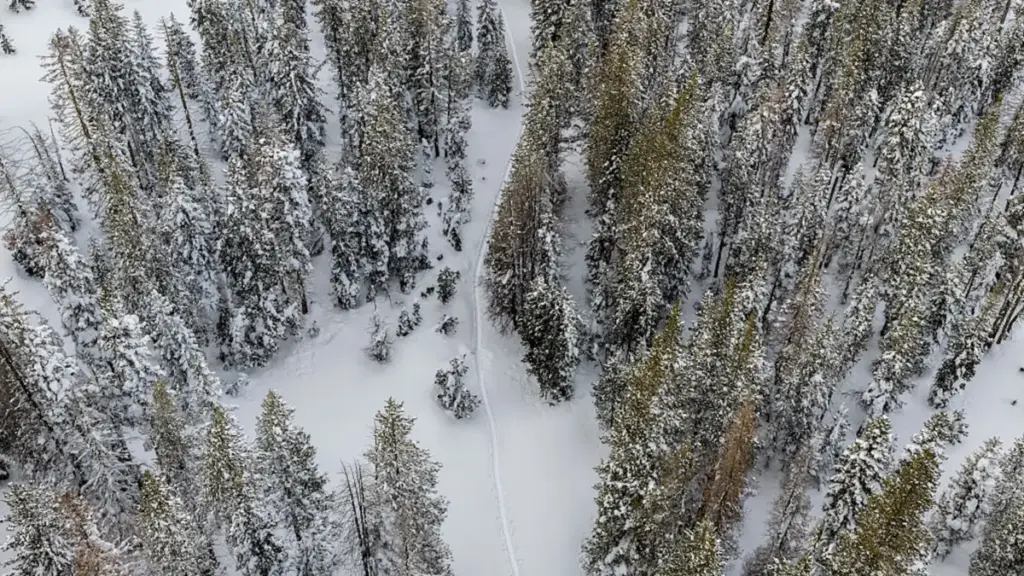
The events leading to the fatal slide unfolded across the rugged backcountry surrounding Castle Peak near Soda Springs and Truckee, California. For weeks leading up to mid-February, the Central Sierra snowpack had developed a notoriously fragile structure, characterized by buried persistent weak layers sandwiched beneath heavy, wind-slab accumulations.
On the morning of February 17, 2026, the Sierra Avalanche Center issued a dire warning for the region. Forecasters rated the avalanche danger as "considerable"—the second-highest rating on the standard five-tier scale—explicitly warning that human-triggered avalanches were likely on steep, wind-loaded slopes. Despite these warnings, a BMG-led party consisting of multiple guides and clients ventured into the backcountry.
According to Cal/OSHA’s investigative timeline, the tragedy struck when the group entered high-risk avalanche terrain. An enormous slab fracture triggered a massive slide that swept through the area, burying the entire party. Three seasoned guides and six civilian clients perished in the debris. The scale of the disaster prompted an immediate, massive search-and-rescue response, followed by spontaneous community vigils throughout Truckee and Lake Tahoe as mourners grappled with the unprecedented loss of life.
In the immediate aftermath, multiple entities launched independent investigations. While local search-and-rescue teams analyzed the physical mechanics of the slide, Cal/OSHA initiated an employment safety audit to determine whether BMG had fulfilled its legal obligation to provide a safe workplace for its guides. Concurrently, BMG commissioned its own independent avalanche investigation to review the group’s route-selection and decision-making processes.
By August, the regulatory fallout crystallized. On August 10, Cal/OSHA penalized Mammoth Mountain ski resort $126,000 following a separate fatal 2025 avalanche that killed ski patroller Cole Murphy. Just two days later, on August 12, the regulatory hammer fell on Blackbird Mountain Guides with the release of the $151,000 citation package.
Regulatory Findings and Supporting Context
The Cal/OSHA enforcement action against Blackbird Mountain Guides is rooted in California labor codes designed to protect workers from foreseeable workplace hazards. The agency’s investigative report contends that BMG leadership and field supervisors committed seven distinct safety infractions.
The "Willful-Serious" Distinction
The core of Cal/OSHA’s financial penalty—totaling $81,000 for a single combined violation—relies on the legal classification of "willful-serious." In California occupational safety law, a "serious" violation applies when there is a realistic possibility that death or serious physical harm could result from a hazard. The "willful" modifier is applied only when evidence suggests an employer either knew that a hazardous condition violated a safety rule yet made no reasonable effort to eliminate it, or operated with plain indifference to employee safety.
Cal/OSHA’s report highlights two primary areas of failure that triggered these high-level citations:
- Inadequate Hazard Evaluation: Investigators determined that BMG guides entered active avalanche terrain despite clear, publicly available warnings from the Sierra Avalanche Center identifying high-to-considerable danger.
- Post-Incident Exposure: The report further alleges that BMG guides entered a high-risk avalanche runout zone to provide aid following initial reports of instability, doing so in direct contravention of local law enforcement recommendations advising against entering the unstable zone due to ongoing secondary slide threats.
John Roach, a San Francisco-based personal injury attorney who has closely monitored the proceedings, emphasized the gravity of these findings. "A willful citation is Cal/OSHA’s most serious classification," Roach noted. "It represents a significant evidentiary step by the state, indicating that investigators found compelling proof that the employer operated outside established safety mandates regarding known, lethal hazards."
The Broader Regulatory Landscape
The penalties against BMG are part of an increasingly aggressive posture by state labor agencies toward outdoor recreation and industrial wilderness operations. Historically, backcountry guiding has operated under a patchwork of self-regulation, wilderness permits, and professional association certifications (such as the American Mountain Guides Association). However, when guides are classified as employees rather than independent contractors, state workplace safety agencies like Cal/OSHA retain jurisdiction to evaluate whether companies are maintaining compliant safety management systems.
The simultaneous scrutiny facing Mammoth Mountain and Blackbird Mountain Guides signals a potential turning point. Regulators are increasingly treating high-alpine terrain as an industrial workplace subject to Occupational Safety and Health Administration (OSHA) standards, creating friction with operators who argue that traditional industrial safety frameworks cannot be neatly mapped onto dynamic, unpredictable mountain environments.
Official Statements and Industry Conflict
The release of the Cal/OSHA citations has drawn sharp defensive responses from Blackbird Mountain Guides, pitting the company’s internal findings directly against the state’s regulatory conclusions.
Blackbird Mountain Guides Defense
In an official public statement posted to its corporate website, BMG announced its intention to vigorously contest all seven citations through the administrative appeals process. The company maintains that its operations fully complied with recognized industry standards and regulatory expectations.
"The citations do not reflect the reality of our profession or the safety program we have built," BMG stated. "We believe Blackbird operated in full compliance with all applicable regulatory requirements and consistent with the established safety frameworks of the broader professional mountain guiding industry."
Central to BMG’s defense is an independent preliminary avalanche report commissioned by the company and released on August 9, 2026. Conducted by an outside avalanche professional, the report analyzed the group’s GPS tracks and field communications. According to BMG, the independent findings indicate that the group’s movements were "consistent with an effort to reach terrain even farther from the avalanche runout zone," directly challenging Cal/OSHA’s narrative regarding route selection and exposure.
Furthermore, BMG emphasized its ongoing cooperation with reviewing authorities. "Blackbird continues to cooperate with all investigations and remains committed to working collaboratively with every agency reviewing this tragedy to further the understanding of what occurred," the company added.
Legal Realities of the Appeals Process
Legal experts note that while Cal/OSHA’s citations represent a formidable administrative hurdle, they do not constitute a final judicial determination of guilt or civil liability.
"Cal/OSHA has already done its own investigation to reach a willful finding, and that’s a real evidentiary step," attorney John Roach explained. "But it’s also not a final legal judgment; the company is appealing, and appeals do sometimes succeed in reducing a citation’s severity or amount."
Future Outlook: The Administrative Appeals Process and Industry Ramifications
The case now transitions from investigative scrutiny to the formal administrative legal arena. BMG’s appeal has been lodged with the California Occupational Safety and Health Appeals Board, an independent judicial body separate from Cal/OSHA that is tasked with hearing challenges to state safety citations.
What Lies Ahead in the Legal Proceedings?
The appeals process is expected to be protracted and complex.
- Evidentiary Hearings: Both Cal/OSHA representatives and BMG legal counsel will present expert testimony, snow science data, internal communications, and witness accounts before an administrative law judge.
- Timeline Uncertainty: There is no fixed statutory deadline for the Appeals Board to render a final decision. Legal analysts suggest the adjudication process could take several months—or potentially over a year—depending on the complexity of the technical evidence regarding snowpack mechanics and guide decision-making models.
- Potential Outcomes: The Appeals Board possesses broad discretion. It can uphold the citations and financial penalties in full, reduce the classification from "willful-serious" to standard or non-serious infractions, lower the monetary fines, or dismiss the citations entirely if BMG successfully proves it adhered to standard industry safety protocols.
Long-Term Implications for Backcountry Guiding
Regardless of the final administrative ruling, the tragedy near Truckee and the subsequent state penalties have permanently altered the landscape of professional mountain guiding in California and across the United States.
- Insurance and Risk Management: Guiding companies nationwide are facing skyrocketing liability insurance premiums and heightened scrutiny from land management agencies regarding their formal safety manuals and employee training protocols.
- The "Industrial Workplace" Debate: The case forces a profound philosophical debate within outdoor sports: Can—and should—state labor regulators police risk in environments where absolute safety is an illusion? While regulators must protect workers from negligence, professional guides argue that treating dynamic mountain ranges like factory floors ignores the inherent, unavoidable uncertainties of wilderness travel.
- Cultural Memory: For the tight-knit mountain communities of Tahoe and the wider Sierra Nevada, the legal proceedings serve as a painful reminder of a dark winter day. As the Appeals Board prepares to hear arguments, families of the victims, surviving community members, and outdoor professionals alike await a definitive accounting of responsibility—one that balances the realities of nature with the legal duties owed to those who work within it.