









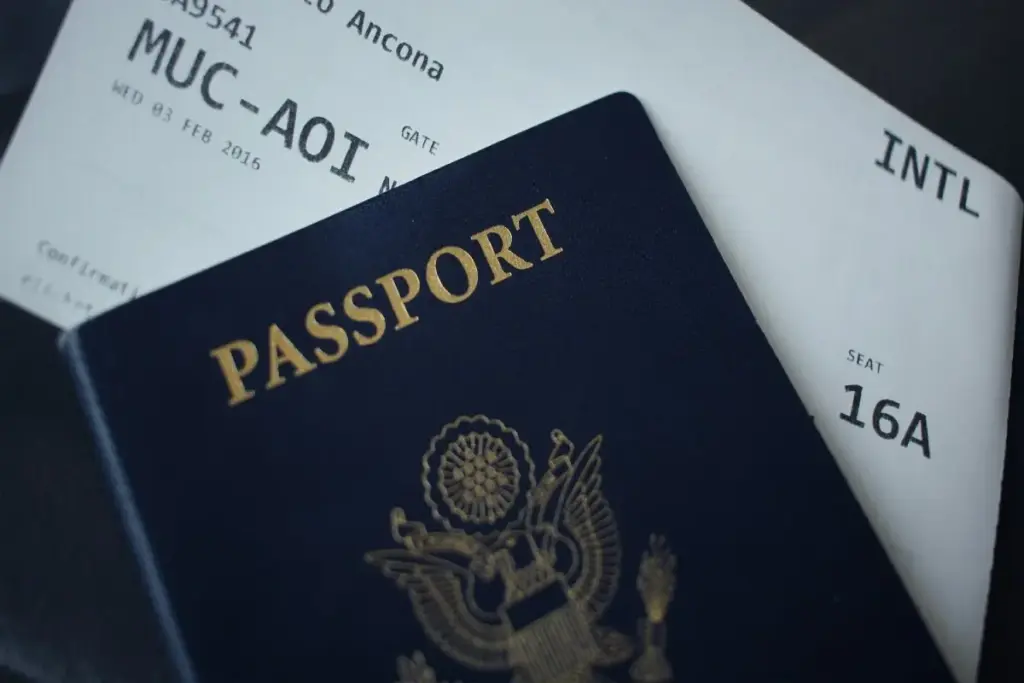
In a major bid to modernize consular services and ease the administrative burdens of Americans living and traveling abroad, the U.S. State Department has unveiled a sweeping regulatory proposal. The draft rule, scheduled for publication in the Federal Register, seeks to establish an online passport renewal pathway for U.S. citizens overseas while systematically dismantling the restrictive eligibility criteria that currently govern the domestic online renewal system.
For millions of expatriates, digital nomads, and long-term travelers, the proposal represents a long-overdue shift in how the federal government handles identity documents. If finalized, the regulation will eliminate the cumbersome, expensive, and often logistically daunting requirement for overseas Americans to make multiple in-person visits to U.S. embassies or consulates just to keep their travel credentials valid.
Dismantling the Two-Visit Consular Mandate
Under the current regulatory framework, U.S. citizens residing outside the United States face a rigid and frequently exhausting process when their passports near expiration. Unlike domestic citizens, who have recently gained access to a streamlined online renewal portal, overseas Americans are generally required to interface directly with consular offices.
In practice, this process routinely demands two separate in-person visits to a U.S. embassy, consulate, or consular agency:
- The First Visit: To submit physical application forms, present identity documents, verify citizenship, and pay processing fees.
- The Second Visit: To securely retrieve the newly issued passport once it has been printed and shipped to the foreign post.
For an American living in a capital city with an active embassy, this requirement is a minor inconvenience. However, for the millions of Americans residing in vast countries with limited consular footprints—such as Canada, Australia, Brazil, or Russia—or those living in remote regions, the "two-visit" rule is a major financial and logistical hurdle. Applicants often have to book flights, secure hotel accommodations, and take multiple days off work simply to complete basic administrative tasks.
By transitioning these services to a secure online portal, the State Department aims to replace physical appointments with a digital interface. Under the proposed system, applicants would upload their passport photos, submit their biographical information, and complete payments electronically. The physical passport would then be mailed directly to their foreign residence or made available for a single, streamlined pickup, depending on local postal reliability and security protocols.
Expanding Access for Domestic Applicants
The proposed rule does not limit its benefits to those residing outside U.S. borders. The State Department is also targeting the strict limitations that have characterized the domestic Online Passport Renewal (OPR) system since its initial testing phases.
When the State Department first piloted its online renewal system for domestic applicants, it did so with a highly conservative set of eligibility requirements. To use the online platform, domestic applicants had to meet a laundry list of criteria, including:
- Being at least 25 years old.
- Renewing a passport that was valid for a full ten years.
- Making no changes to their name, gender marker, date of birth, or place of birth.
- Residing physically within the United States or its territories.
- Possessing the physical passport in their immediate custody.
These constraints left millions of domestic travelers frustrated, forcing them to revert to the traditional mail-in process with paper checks and physical passport photos.
The new proposal seeks to gradually unwind these restrictions. By broadening the scope of who can apply online, the State Department aims to make digital renewal the default option for the vast majority of adult American citizens, regardless of minor demographic changes or geographic placement. This expansion is designed to reduce the volume of paper mail flowing into passport processing centers, thereby mitigating the risk of lost documents and data entry errors.
The Technology Drive: Executive Order 14058 and Government Modernization
The push to digitize the passport renewal process is not happening in a vacuum. It represents a critical milestone in a broader, multi-year federal initiative aimed at transforming the customer experience across government agencies.
In December 2021, President Joe Biden signed Executive Order 14058, titled Transforming Federal Customer Experience and Service Delivery to Rebuild Trust in Government. The directive explicitly commanded the Secretary of State to design and implement a secure, online passport renewal experience that did not require physical documents to be mailed.
Federal Customer Experience Initiative (EO 14058)
  │
  ├──► Domestic Online Passport Renewal (OPR) Public Beta
  │
  └──► Proposed Rule (Federal Register)
        ├──► Online Renewals for Overseas Americans
        └──► Unwinding of Domestic Eligibility Restrictions
The domestic OPR system, which entered full public availability in mid-2024 after a series of controlled beta tests, was the first major deliverable under this mandate. The system successfully demonstrated that secure identity verification, digital photo compliance checks, and electronic payment processing could coexist in a high-volume public utility.
Expanding this architecture to overseas citizens is the logical next step in fulfilling the executive order. However, extending digital services across international borders introduces unique security and logistical challenges that require a formal rulemaking process to resolve.
Security, Delivery, and the Regulatory Path Forward
Because the proposed rule represents a significant shift in administrative policy, the State Department must navigate the formal federal rulemaking process before the changes can take effect.
The Public Comment Period
Following its publication in the Federal Register, the proposal will enter a public comment period. This window allows stakeholders—including expatriate advocacy groups, travel industry associations, and individual citizens—to submit feedback, highlight potential logistical bottlenecks, and suggest refinements.
Addressing International Mailing Vulnerabilities
One of the primary challenges the State Department must address during this rulemaking phase is the security of international mail. While domestic renewals rely on the highly secure and standardized United States Postal Service (USPS), sending sensitive identity documents to overseas addresses requires navigating hundreds of different foreign postal systems. In regions with unreliable mail delivery, the State Department may need to establish hybrid models, such as allowing online applications but requiring secure pickup at a local consular post, or partnering with registered international courier services.
Digital Photo Verification and Fraud Prevention
The State Department must also ensure that its digital photo upload tools can accurately detect fraud, altered images, and deepfakes. The agency uses advanced biometric software to compare uploaded photos against existing records to confirm the applicant’s identity. Ensuring these systems operate reliably across various devices and lighting conditions is essential to preventing identity theft and maintaining the integrity of the U.S. passport.
Freeing Up Diplomatic Resources on a Global Scale
Beyond the obvious benefits to individual travelers, the proposed transition to online renewals holds profound operational benefits for the State Department’s overseas operations.
U.S. embassies and consulates are tasked with an incredibly broad array of responsibilities, ranging from high-level diplomacy and trade negotiations to emergency citizen services and visa processing for foreign nationals. In many consular sections, a significant portion of daily staff hours is consumed by routine administrative tasks, such as verifying passport applications, processing payments, and managing physical queues.
Current Consular Resource Allocation:
┌───────────────────────────┬───────────────────────────┐
│ Routine Paperwork &       │ Emergency Services, Visas,│
│ Passport Appointments     │ & High-Value Diplomacy    │
│ (High Volume, Time-Cons)  │ (Critical Mission Focus)  │
└───────────────────────────┴───────────────────────────┘

Proposed Digital Resource Allocation:
┌─────────────────────┬─────────────────────────────────────────────────┐
│ Automated Online    │ Expanded Focus on Emergencies, Visa Backlogs,   │
│ Passport Renewals   │ and Strategic Consular Diplomacy                │
└─────────────────────┴─────────────────────────────────────────────────┘
By moving routine passport renewals to a self-service online portal, the State Department can significantly reduce the foot traffic in consular waiting rooms. This shift will allow consular officers to redirect their focus toward high-priority, complex tasks, including:
- Assisting U.S. citizens facing medical emergencies, arrests, or crises abroad.
- Accelerating the processing of non-immigrant and immigrant visas, which face severe backlogs in many parts of the world.
- Enhancing security screenings and in-person interviews for first-time passport applicants and minors.
A Welcomed Change for the Global American Community
The announcement has been met with early praise from organizations representing Americans living abroad, such as Association of Americans Resident Overseas (AARO) and Democrats Abroad, who have long lobbied for administrative relief.
As global mobility continues to rise, driven by the proliferation of remote work and multinational corporate operations, the demand for agile, digital-first government services has never been higher. For the estimated nine million U.S. citizens living outside the country, a passport is not just a travel document—it is a vital lifeline that establishes identity, secures legal residence, and facilitates daily life in a foreign country.
By taking steps to align its administrative procedures with the realities of the twenty-first century, the State Department is moving closer to a system where national borders no longer act as a barrier to efficient civic services. While the rule must still clear regulatory hurdles before implementation, the publication of this proposal signals a clear, modernized path forward for American travelers and expats worldwide.