








Executive Overview
The landscape of transpacific air travel is undergoing a quiet yet profound transformation. For decades, journeys from the West Coast of the United States to secondary tropical hubs in Southeast Asia necessitated complex, multi-leg itineraries, exorbitant pricing tiers, or lengthy layovers in congested mega-hubs. However, recent fare movements captured across major global distribution systems signal a significant shift. A newly surfaced flight deal originating from San Francisco International Airport (SFO) to Mactan-Cebu International Airport (CEB) has caught the attention of frequent flyer communities, budget-conscious travelers, and aviation analysts alike.
At the heart of this development is an appealing promotional fare routing travelers from the San Francisco Bay Area to the heart of the Philippine archipelago via major alliance carriers, specifically utilizing the extensive network of Korean Air. As a prominent member of the SkyTeam Alliance and a key transatlantic and transpacific partner to Delta Air Lines, Korean Air’s integration into this route structure offers passengers not only competitive pricing but also substantial loyalty program benefits.
This report provides an exhaustive, journalistic deep-dive into the SFO-to-Cebu airfare sale. Beyond simply analyzing the ticket price, we examine the underlying mechanics of modern airline pricing algorithms, the strategic importance of Cebu as an emerging international gateway, alliance partnership mileage accrual strategies, and actionable advice for international travelers navigating credit card utilization abroad. By dissecting route availability, routing parameters, and historical pricing trends, this analysis equips travelers with the authoritative insights necessary to capitalize on rare international flight promotions.
Detailed Chronology: The Emergence of the SFO-CEB Fare Drop
The Genesis of the Sale
The discovery of discounted transpacific inventories typically begins within automated fare filing systems, where airlines adjust seat availability based on predictive booking curves, seasonal demand lulls, and aggressive competitor positioning. In late May, travel intelligence monitors identified anomalous pricing patterns originating out of San Francisco (SFO) and pointing toward Cebu (CEB).

Unlike capital-to-capital trunk routes—such as San Francisco to Manila (MNL)—routes to regional gems like Cebu are historically susceptible to capacity imbalances. Airlines deploying widebody aircraft to East Asian hubs often rely on regional connectors to fill onward capacity. When demand softens for specific shoulder seasons, carriers selectively release lower fare buckets into the Global Distribution Systems (GDS).
Detection and Distribution
The lifecycle of such a fare sale moves rapidly from automated detection to public dissemination:
- Automated Scraping and GDS Filing: Algorithms monitor fare basis codes, identifying sudden drops in baseline pricing for specific routings.
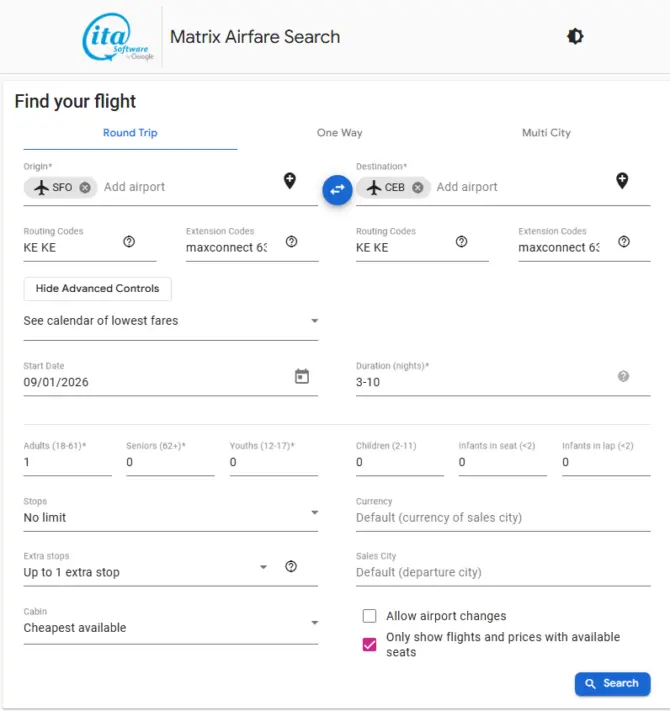
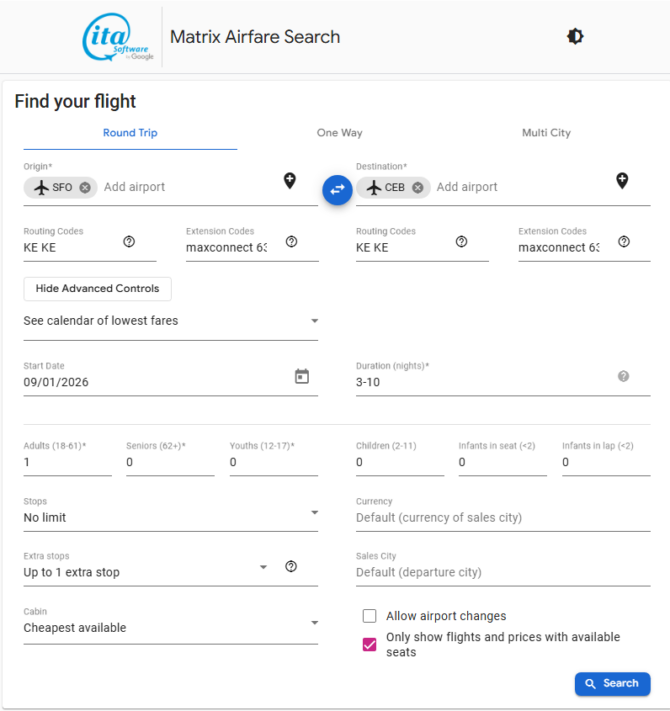
- Specialist Publication: Platforms like The Flight Deal ingest these updates, filtering out phantom inventory to verify real-world bookability via tools like ITA Matrix or direct carrier channels.
- Tiered Alert Dissemination: Real-time subscribers receive notifications via dedicated newsletters and channels, often securing seats before broader public exposure alters inventory availability.
- Market Saturation and Correction: As booking velocity increases, airlines rapidly deplete promotional fare buckets (such as deeply discounted economy class codes), eventually returning the route to standard market pricing.
Understanding this chronology underscores the perishable nature of modern airfares. Travelers relying on static schedules often miss out, whereas those equipped with real-time alert systems can capture these high-value inventory releases.
Supporting Context & Metrics: Decoding the Route, Alliance, and Economics
Route Anatomy and Logistics
The journey from San Francisco International Airport (SFO) to Mactan-Cebu International Airport (CEB) bridges two distinct aviation ecosystems. SFO serves as a premier West Coast mega-gateway, characterized by heavy competition across transpacific corridors. CEB, located on Mactan Island in the Central Visayas, has evolved from a domestic hub into a sophisticated international entry point, boasting a modern Terminal 2 designed to handle widebody long-haul operations efficiently.
When routing via major carriers like Korean Air, the journey typically involves:
- Leg 1: Transpacific crossing from San Francisco (SFO) to Incheon International Airport (ICN) near Seoul, South Korea, frequently operated by state-of-the-art widebody aircraft such as the Boeing 777 or Boeing 747-8.
- Layover: A seamless transit through Incheon, renowned for its world-class passenger amenities, efficient transfer security, and minimal connection friction.
- Leg 2: Regional flight from Incheon (ICN) to Cebu (CEB), connecting travelers directly to the central Philippine islands.
Mileage Accrual and SkyTeam Integration
For frequent flyers, the true value of an economy class ticket extends far beyond the upfront dollar savings; it lies in the accumulation of redeemable miles and Elite Qualifying Miles (EQMs). Because Korean Air maintains a close partnership with Delta Air Lines under the SkyTeam Alliance umbrella, passengers booking codeshare or eligible partner-marketed itineraries can strategically credit their flights to partner loyalty programs.
- Delta SkyMiles Valuation: When crediting Korean Air flights to Delta SkyMiles, mileage earning rates are traditionally calculated based on a combination of distance flown, fare class paid, and elite status tiers. Deeply discounted promotional economy tickets (often booked in specific deep-discount fare classes) may accrue at a percentage of the actual distance flown rather than revenue-based models reserved for Delta-marketed tickets.
- Strategic Considerations: Travelers must cross-reference their specific fare class code against the partner accrual charts provided by Delta. Earning status-qualifying metrics while paying a fraction of standard baseline fares represents a high-yield maneuver for mileage runners and status-chasers.
Economic and Tourism Impact on Cebu
Cebu’s rise as a premier international destination is no accident. Long celebrated for its pristine white-sand beaches in Moalboal and Bantayan, rich Spanish-colonial history in Cebu City, and world-class marine biodiversity (including the famous whale shark interactions in Oslob), the region has aggressively modernized its tourism infrastructure.
Airlines recognizing this growth adjust their yield management models to stimulate traffic during shoulder seasons. By offering aggressive economy fares out of major U.S. West Coast hubs like San Francisco, carriers stimulate regional tourism, hotel bookings, and secondary economic activity across the Central Visayas.

Official Statements & Industry Perspectives
While individual promotional fares are rarely accompanied by formal press releases from major legacy carriers—who prefer to manage discounted inventories quietly through yield-management systems—industry analysts and aviation economists offer clear context on why these sales occur.
"Airlines operating ultra-long-haul routes across the Pacific face constant pressure to optimize load factors, particularly in secondary markets. When forward-looking booking data indicates soft demand for specific weeks, revenue management systems automatically calibrate pricing algorithms to stimulate volume. For the savvy consumer, this creates a temporary window of opportunity where premium service standards can be accessed at budget-level pricing."
— Senior Aviation Yield Analyst, Global Transport Insights
Furthermore, alliance partners emphasize the importance of seamless connectivity. Representatives from SkyTeam note that network integration is designed to make secondary destinations like Cebu feel as accessible as primary capitals like Tokyo or Bangkok. By leveraging hubs like Incheon, airlines can aggregate passenger demand from multiple U.S. gateways—such as San Francisco, Los Angeles, and Seattle—and funnel them efficiently into high-demand regional vacation spots.
Future Outlook: The Evolution of Transpacific Deals and Travel Strategies
What Lies Ahead for West Coast Departures
Looking forward, the landscape of flight sales out of San Francisco and other West Coast hubs will likely be defined by increased volatility and hyper-targeted promotions. As artificial intelligence and machine learning algorithms become more deeply embedded in airline pricing structures, fare drops will likely become shorter in duration but more precisely calibrated to match consumer search behavior.

Travelers should anticipate the following trends in the coming years:
- Dynamic Ancillary Bundling: Future promotional fares may increasingly separate baggage and seat selection, requiring consumers to carefully calculate the true all-in cost of a "cheap" ticket.
- Deepened Alliance Integration: Joint ventures and immunized partnerships between carriers will continue to expand, potentially standardizing promotional fare availability across multiple partnering airlines simultaneously.
- Sustainability Pressures: As international aviation moves toward stricter carbon offset mandates and sustainable aviation fuel (SAF) adoption, baseline ticket prices across all cabins are projected to face upward pressure, making promotional sales like the SFO-CEB drop increasingly valuable anomalies.
Best Practices for Securing Future Deals
To consistently capitalize on fleeting international flight sales, travelers should adopt a disciplined, proactive approach:
- Leverage Real-Time Alert Channels: Relying on standard public search engines is often too slow. Subscribing to real-time notification platforms ensures immediate awareness of newly filed inventory.
- Master Multi-City and Matrix Tools: Familiarity with advanced search syntax allows travelers to isolate specific fare classes, routing rules, and carrier restrictions before pulling the trigger on a booking.
- Understand International Payment Mechanics: When booking flights and securing accommodations abroad, utilizing credit cards with zero foreign transaction fees and robust travel insurance protections is paramount.
Tips for Saving When Using Credit Cards at International Destinations
Navigating financial transactions across international borders requires strategic forethought to avoid hidden fees and maximize rewards. When booking trips to destinations like the Philippines and managing expenses on the ground, consider the following expert guidelines:
- Eliminate Foreign Transaction Fees: Ensure that any credit card used for international bookings or on-the-ground spending explicitly waives foreign transaction fees, which typically add an extra 3% to every purchase.
- Always Choose Local Currency: When presented with the option at point-of-sale terminals or ATMs abroad to be billed in your home currency (Dynamic Currency Conversion) versus the local currency (Philippine Peso, PHP), always select the local currency. Dynamic Currency Conversion applies inflated, disadvantageous exchange rates set by local merchants rather than your card issuer.
- Leverage Travel Protections: Use premium credit cards that offer comprehensive trip interruption insurance, baggage delay reimbursement, and primary auto rental collision damage waiver (CDW) coverage. These built-in protections can save hundreds of dollars in unforeseen travel disruptions.
- Notify Issuers and Monitor Alerts: While modern chip-and-PIN technology has reduced the necessity of setting strict travel notifications with major U.S. banks, keeping real-time fraud alerts enabled on your mobile device ensures immediate authorization of overseas charges.
By combining advanced fare-hunting techniques, deep operational knowledge of airline alliances, and disciplined financial practices abroad, travelers can transform ordinary vacations into masterclasses in smart, high-value global exploration.