






The Caribbean has long held an aspirational status for travelers seeking crystal-clear waters, secluded white-sand beaches, and a slower pace of island life. However, securing affordable airfare to some of the region’s more pristine and less commercialized destinations can often present a significant financial hurdle. A notable development in transatlantic and regional pricing structures has emerged with a new wave of competitive airfares directed toward Saint Vincent and the Grenadines (SVD).
At the center of this pricing update is a dual-tier fare model introduced by major legacy carriers, spearheaded by American Airlines. The airline has structured its route offerings to include a standard economy fare priced at $579 alongside a more restrictive Basic Economy alternative priced at $461. While a difference of roughly $118 may initially tempt budget-conscious flyers toward the lower-cost ticket, a deeper dive into the fine print reveals distinct operational differences in baggage allowances, seat selection privileges, change flexibility, and frequent flyer mileage accrual.
This report provides a comprehensive, professional breakdown of the new Saint Vincent and the Grenadines airfare offerings. It evaluates the mechanics of modern airline pricing strategies, weighs the true value of standard versus basic economy tickets, offers tactical guidance for travelers originating from major hubs like San Francisco (SFO), and examines what these trends signal for the future of Caribbean travel economics.
Detailed Chronology: The Evolution of Trans-Caribbean Pricing
To fully understand the current pricing landscape for flights to Saint Vincent and the Grenadines, one must contextualize the evolution of airline fare architecture over the past decade.

The Shift Toward Unbundled Fares
Historically, economy airfares included a standard suite of services: a checked bag, a carry-on item, advance seat selection, and full frequent flyer mileage eligibility. However, under intense pressure from ultra-low-cost carriers (ULCCs), legacy airlines such as American, Delta, and United adopted an unbundled pricing model. This strategy atomized the ticket price, separating the core right to occupy a seat from ancillary services like baggage and seat assignments.
The introduction of the $461 Basic Economy fare versus the $579 standard economy fare to Saint Vincent and the Grenadines is a textbook execution of this strategy.
- Phase One (Discovery and Launch): Airlines identify growing tourism demand for emerging or newly expanded Caribbean airports—such as Argyle International Airport (SVD)—and introduce introductory or baseline competitive price points to stimulate market interest.
- Phase Two (Tier Differentiation): To capture both price-sensitive leisure travelers and corporate or detail-oriented vacationers, carriers deploy multiple booking classes on the same physical aircraft. The base fare sits at $461, while the standard economy ticket is anchored at $579.
- Phase Three (Consumer Evaluation): Travelers are forced to weigh the upfront savings of the lower fare against the potential hidden costs of restrictions, such as the inability to select seats together or the forfeiture of change flexibility.
Supporting Context & Metrics: Decoding the $579 vs. $461 Dilemma
When evaluating the airfare options for a trip to Saint Vincent and the Grenadines, a surface-level comparison of the $579 standard fare and the $461 basic economy fare overlooks several critical operational differences.
+---------------------------+-----------------------------------+-----------------------------------+
| Feature                   | Basic Economy ($461)              | Standard Economy ($579)           |
+---------------------------+-----------------------------------+-----------------------------------+
| Upfront Cost              | $461                              | $579                              |
| Carry-On Baggage          | Permitted (Personal item + bag)   | Permitted (Personal item + bag)   |
| Advance Seat Assignment   | Prohibited (Assigned at check-in) | Included (Select in advance)      |
| Ticket Changes / Refunds  | Strictly prohibited               | Subject to standard fare rules    |
| Frequent Flyer Miles      | Zero accrual                      | Full mileage & elite credit earn  |
+---------------------------+-----------------------------------+-----------------------------------+
1. Baggage Policies and Carry-On Rules
A common misconception regarding basic economy fares is that they restrict all bags, including overhead carry-ons. On American Airlines, passengers purchasing the $461 Basic Economy tier are still permitted to bring a normal-sized carry-on bag and a personal item onboard, provided it fits within the specified dimensions. This softens the blow for minimalist travelers; however, checked luggage remains subject to standard baggage fees unless elite status or specific co-branded credit card privileges apply.

2. The Seat Assignment Penalty
The most contentious element of the $461 fare is the complete exclusion of advance seat assignments. Travelers who purchase this tier relinquish control over where they sit on the aircraft. Seats are assigned randomly at check-in, which presents severe logistical challenges for families, couples traveling together, or passengers with specific ergonomic preferences (such as aisle or window needs). For a long-haul journey connecting through major hubs to the Caribbean, spending several hours in a randomly assigned middle seat can heavily degrade the travel experience. Conversely, the $579 standard fare guarantees the peace of mind that comes with selecting preferred seats well in advance.
3. Flexibility and Change Restrictions
Life is unpredictable, and travel plans frequently shift due to weather, professional obligations, or personal emergencies. The $461 Basic Economy ticket is entirely non-changeable and non-refundable. If an unforeseen circumstance forces a cancellation or modification, the entire value of the ticket is typically forfeited. The $579 standard economy ticket provides a crucial safety net, allowing travelers to modify their itineraries according to standard airline change policies.
4. Loyalty Program Implications
For frequent flyers and loyalty program enthusiasts, the choice between the two tiers carries long-term consequences. Basic economy fares issued by major legacy carriers typically yield zero redeemable loyalty miles and do not count toward elite status qualification thresholds. Opting for the $579 standard economy fare ensures that the miles flown are credited to the passenger’s account, contributing toward elite status renewal and future reward travel.
Official Statements and Industry Perspective
Airlines frequently defend their tiered pricing structures as a mechanism that maximizes consumer choice. Industry analysts and consumer advocacy groups, however, offer contrasting viewpoints on how these structures impact the everyday traveler.

The Carrier Perspective
Representatives for major network carriers argue that unbundled fares democratize air travel. By stripping away services that a price-sensitive traveler may not value—such as advance seat selection or flexibility—the airline can offer a lower barrier to entry. According to airline revenue management models, this allows leisure travelers who are traveling on strict personal budgets to access destinations that might otherwise be financially out of reach.
Consumer Advocacy and Expert Analysis
Consumer advocates and travel data specialists urge travelers to look beyond the headline-grabbing base price. "The sticker price is rarely the final price when factoring in the hidden friction of basic economy," notes one seasoned aviation analyst. "When traveling long distances to island destinations where coordination is key, the stress of separated seating and zero flexibility often outweighs the $118 savings."
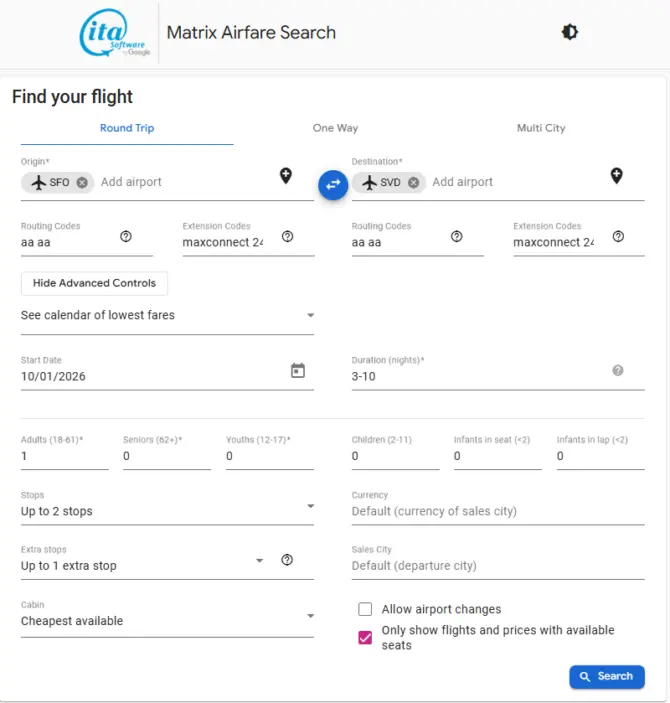
Furthermore, travel deal curators emphasize the importance of utilizing routing tools, such as ITA Matrix or Google Flights, to verify fare classes, routing options, and connection times before committing to a purchase. When routing from West Coast hubs like San Francisco (SFO) down to the southern Caribbean, minimizing layover friction and ensuring seat comfort become paramount operational considerations.
Future Outlook: The Trajectory of Caribbean Air Travel
As the global aviation sector continues its post-pandemic maturation, several trends are poised to shape the future of air travel to boutique destinations like Saint Vincent and the Grenadines.

1. Route Expansion and Increased Competition
Argyle International Airport (SVD) has progressively opened up the archipelago to more direct and seamless international connections. As tourism infrastructure expands across the 32 islands and cays that make up Saint Vincent and the Grenadines, increased carrier interest is expected. More airline competition typically correlates with more frequent promotional fare sales, driving down average ticket costs across both basic and standard tiers.
2. The Refinement of Ancillary Revenue Models
Airlines will continue to fine-tune their ancillary revenue engines. Rather than phasing out basic economy, carriers are likely to introduce even more granular pricing buckets—such as hand-baggage-only fares for long-haul routes or tiered boarding priority structures. Travelers must remain vigilant, sharpening their analytical skills to calculate the true total cost of travel rather than relying solely on initial search engine displays.
3. Strategic Booking Recommendations for Travelers
To maximize value when capitalizing on Caribbean flight sales, travelers should adopt a disciplined approach:
- Assess Travel Companionship: Solo travelers with high adaptability may find genuine value in basic economy fares. Couples and families should almost exclusively target standard economy tiers to guarantee seating arrangements.
- Leverage Credit Card Peripherals: Utilize travel rewards credit cards that offer trip cancellation insurance, checked bag fee credits, or elite status shortcuts to offset the restrictions of lower-tier tickets.
- Monitor Deal Alerts: Subscribing to dedicated real-time flight alert platforms ensures that time-sensitive fare drops—such as those targeting SFO-to-SVD itineraries—are caught and acted upon before inventory depletes.
By understanding the nuanced differences between promotional tiers, modern travelers can successfully navigate airline pricing strategies, securing both financial savings and a comfortable, stress-free journey to paradise.