





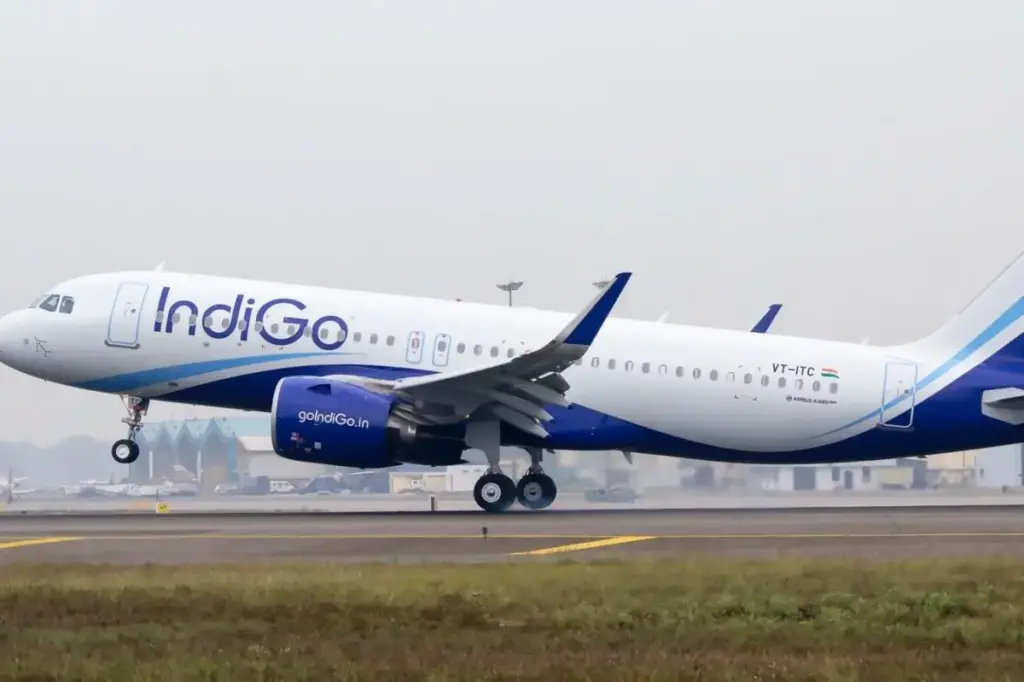
While these upward adjustments may appear modest when viewed in isolation, they collectively signal a major tactical maneuver. This development highlights one of the most powerful commercial levers available to IndiGo as it navigates a maturing market: maximizing passenger yields through ancillary revenue streams while preserving the low base fares that form the foundation of its high-volume business model.
By keeping its base ticket prices highly competitive, IndiGo continues to attract price-sensitive travelers on search engines and booking platforms. At the same time, the carrier is finding new ways to generate revenue from passengers who require extra services, marking a significant evolution in its commercial strategy.
A Closer Look at the New Tariffs
The fee increases span several of IndiGo’s most frequently utilized optional services, directly affecting family travelers, business flyers, and those carrying heavy luggage.
Infant Travel Fees
For parents traveling with infants—defined as children between three days and two years old who travel without a separate seat—the cost of travel has risen significantly. The fee for infant travel has been increased to INR 3,000 ($31), up from the previous rate of INR 2,000 ($21). This represents a 50% increase, a change that is likely to be felt by families planning domestic trips.
Excess Baggage Charges
Baggage has long been one of the most lucrative ancillary categories for low-cost carriers (LCCs) worldwide, and IndiGo is continuing to optimize this stream. The rate for domestic excess baggage has been raised to INR 800 ($8.3) per kilogram, up from the previous charge of INR 700 ($7.3) per kilogram. Because excess baggage fees are calculated on a per-kilogram basis, even a slight overage can quickly translate into a noticeable expense at the check-in counter.
Fast Forward Priority Service
IndiGo’s "Fast Forward" service, which allows passengers to bypass standard airport lines by utilizing priority check-in counters and priority boarding lanes, has also seen a price hike. The domestic rate for this convenience service has climbed to INR 650 ($7), up from the previous rate of INR 450 ($5).
Beyond these three key areas, the airline has also adjusted tariffs for other specialized services, including fees for unaccompanied minors and the issuance of official travel certificates.
The Strategic Power of the Unbundled Business Model
To understand why IndiGo is adjusting these specific fees rather than raising its core ticket prices, one must look at the mechanics of modern low-cost aviation.
In highly competitive, price-sensitive markets like India, the base fare is the single most important factor determining which airline a customer chooses. Online travel agencies (OTAs) and metasearch engines rank flights primarily by price. A difference of just a few hundred rupees can push an airline down the search results, costing it valuable bookings.
By keeping base fares low, IndiGo ensures that its flights remain highly visible and attractive to budget-conscious shoppers. Once a customer enters the booking funnel, the airline presents various optional add-ons. This strategy, known as "unbundling," allows passengers to pay only for the services they actually use. A business traveler flying with only a cabin bag does not subsidize the luggage of a leisure traveler, and a solo passenger does not pay for the infrastructure required to support infant travel.
For IndiGo, these incremental fee increases serve as a highly effective way to counter rising operational costs—such as fluctuations in aviation turbine fuel (ATF) prices and airport landing charges—without triggering a drop in passenger demand that often accompanies broad increases in base ticket prices.
Aligning with Global Aviation Trends
The timing of these fee adjustments coincides with what industry observers describe as a broader strategic shift for the airline. The moves put a spotlight on the commercial tactics available to IndiGo as it enters what some analysts refer to as the "Willie Walsh era" of disciplined airline management.
Willie Walsh, the former chief of International Airlines Group (IAG) and the current Director General of the International Air Transport Association (IATA), is widely known for his focus on cost control, operational efficiency, and the aggressive monetization of ancillary services. In this era of global aviation, airlines are moving away from simple market-share expansion and focusing more on yield optimization and maximizing the revenue generated from every single seat and passenger.
For IndiGo, which commands a dominant market share of over 60% in India’s domestic skies, the focus is shifting from simply adding capacity to squeezing more value out of its existing network. With a massive fleet and an extensive schedule, even small adjustments to ancillary fees can quickly add up to millions of dollars in high-margin revenue.
Unlike ticket sales, which carry significant variable costs such as travel agent commissions, passenger taxes, and government levies, ancillary fees are highly profitable. A fee for priority boarding or an administrative charge for a travel certificate has almost no associated marginal cost, meaning that nearly every rupee collected goes straight to the airline’s bottom line.
Balancing Customer Satisfaction and Financial Performance
While these fee adjustments make strong commercial sense for IndiGo, they also present a delicate customer relations challenge. In the age of social media, passengers are quick to voice frustration over what they perceive as "hidden charges" or "drip pricing."
The 50% increase in infant travel fees, in particular, is likely to draw scrutiny from family travelers who argue that traveling with a lap child requires minimal additional effort or resources from the airline. Similarly, the increase in excess baggage fees could lead to friction at airport check-in counters, where ground staff must enforce the new rates.
However, historical data from the global aviation industry suggests that consumers rarely change their booking habits solely because of ancillary fees. As long as the base fare remains lower than or competitive with other carriers, travelers generally prefer to book the cheaper ticket and manage the add-on costs as needed.
In India, the aviation regulator, the Directorate General of Civil Aviation (DGCA), has historically permitted airlines to unbundle services and charge for optional extras, provided that these fees are clearly disclosed to passengers during the booking process. This regulatory framework gives IndiGo the flexibility it needs to fine-tune its pricing strategy in response to changing market conditions.
What This Means for the Indian Aviation Market
IndiGo’s move to raise ancillary fees could set off a chain reaction across the Indian aviation sector. Historically, when a dominant market leader adjusts its pricing structure, competitors tend to follow suit.
Currently, the Indian aviation landscape is undergoing significant consolidation. With Air India integrating its various low-cost and full-service arms under the Tata Group umbrella, and newer entrants like Akasa Air looking to carve out their own market share, airlines are under intense pressure to improve their financial performance. Many of these carriers are facing similar cost pressures, including high fuel taxes and supply chain challenges that have grounded portions of their fleets.
By raising its fees, IndiGo has effectively created a "pricing umbrella" for the rest of the industry. Competitors may see this as an opportunity to adjust their own ancillary structures, allowing them to raise additional revenue without risking a price war on base fares.
The Path Forward for IndiGo
As IndiGo continues to expand its international reach and introduce new cabin products—including its recently announced premium business class seating—its revenue management strategies are becoming increasingly sophisticated.
The airline is transitionining from a pure-play, no-frills budget carrier into a more complex, hybrid operator capable of catering to different passenger segments. For budget-conscious travelers, the airline will continue to offer affordable base fares. For business travelers, families, and those seeking extra comfort, IndiGo will offer a wider array of premium, paid services.
The latest round of fee increases is a clear indicator of this mature approach to revenue management. By carefully raising prices on optional services, IndiGo is proving that it can boost its financial resilience while keeping its core promise of affordable, on-time, and hassle-free travel intact.