


Executive Overview
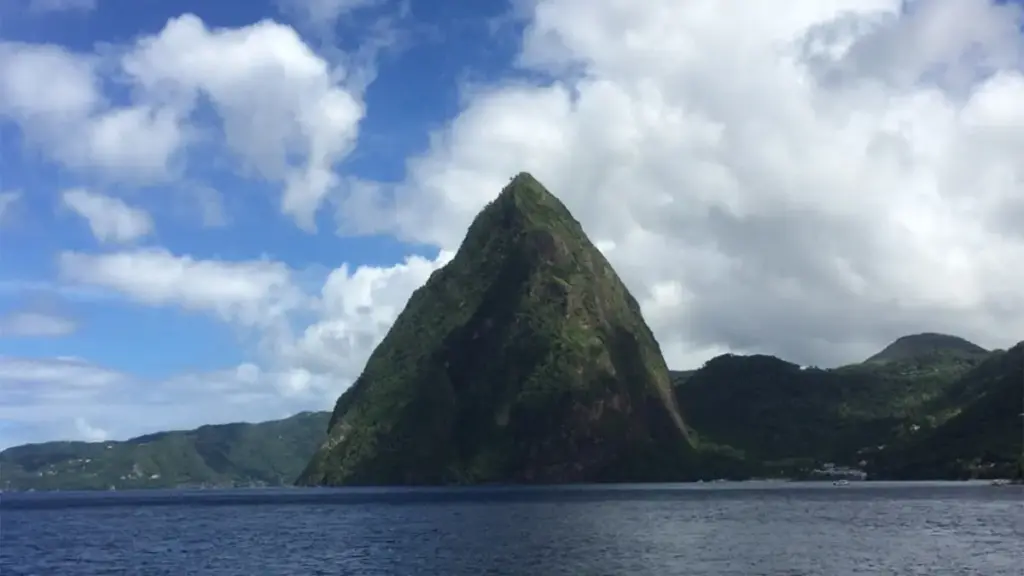
Saint Lucia is making a profound statement at the intersection of marine conservation, cultural preservation, and global tourism. The Eastern Caribbean island-nation is developing an ambitious, three-part underwater sculpture corridor designed to weave the rich tapestry of its history, culture, and heritage directly into the Caribbean Sea.
This multi-faceted project, spearheaded by the government and local creative communities, introduces a new dimensions to Saint Lucia’s already thriving marine tourism sector. Rather than relying solely on the natural splendor of its vibrant coral reefs, dramatic wall dives, and historic shipwrecks, the island is pioneering a narrative-driven underwater experience. The undertaking spans three distinct zones: a Dive Park located at Anse La Verdue near the historic fishing village of Canaries, a forthcoming Snorkel Park, and a specialized Conservation Park.
Before these artistic creations are permanently submerged to begin their new lives as artificial reefs and cultural waypoints, the government has orchestrated a rare public preview. A landmark National Exhibition, scheduled for August 29–30, will grant locals and visitors an exclusive, dry-land opportunity to view the inaugural Dive Park collection up close.
Tourism Minister Ernest Hilaire has framed the initiative not merely as a marketing strategy to attract international travelers, but fundamentally as an exercise in national ownership. By centering local artists and community creatives in the conception of the artwork, Saint Lucia is asserting its right to author its own cultural story. As this bold venture takes shape off the island’s ruggedly beautiful western coast, it joins a selective group of international pioneers—such as Grenada, Cancun, and The Bahamas—that have successfully merged public art with marine ecology. However, Saint Lucia’s hyper-local, community-first approach promises to set a new benchmark for how destinations interpret their heritage beneath the waves.
Detailed Chronology: From Community Concepts to Submerged Reality
The genesis of Saint Lucia’s underwater sculpture corridor did not happen overnight; it represents a carefully orchestrated sequence of community engagement, artistic curation, and logistical preparation.
Phase 1: Grassroots Conception and Design
Long before the first block of material was shaped, the project began on land through dialogues with Saint Lucian artists, historians, and cultural workers. Recognizing the risk of external entities defining the island’s historical narrative, the government prioritized local creative input. Residents of Canaries and surrounding districts were invited to share stories, folklore, and historical motifs that resonate with the island’s collective identity—ranging from indigenous heritage and colonial struggles to the resilience of the working-class fishing communities.
Phase 2: The National Exhibition (August 29–30)
The timeline reaches a critical milestone with the upcoming two-day National Exhibition. This event serves as a transitional bridge between the terrestrial world and the marine environment. Held in a conventional gallery-style setting, the exhibition gives the public a rare, fleeting chance to inspect the Dive Park collection in meticulous detail. Attendees can trace the chisel marks, appreciate the scale, and understand the specific historical or cultural allegories embedded within each sculpture.
More importantly, the exhibition functions as an educational forum. Planners intend to use the weekend to explain the broader vision of the three-park corridor, detailing how these static art pieces will transform over time. Once the exhibition concludes, the sculptures will be carefully transported and lowered into their permanent home at Anse La Verdue.
Phase 3: Submerged Installation at Anse La Verdue
Following the August exhibition, the Dive Park collection will undergo its oceanic migration. Placed off the coast of Canaries—a village long celebrated in Saint Lucian art and history—the sculptures will be strategically arranged on the seafloor. Here, they will immediately begin their dual roles: serving as a cultural gallery for scuba divers and acting as an artificial substrate designed to encourage coral recruitment, sponge growth, and the habitation of reef-dwelling marine life.
Phase 4: Expansion into Snorkel and Conservation Parks
While the Dive Park represents the vanguard of the project, it is only the first chapter. Subsequent phases will see the rollout of the Snorkel Park, which will bring shallow-water sculptures within easy reach of recreational snorkelers, and the Conservation Park, explicitly dedicated to ecological restoration and marine science. While exact timetables and specific design parameters for these final two parks remain under wraps, their integration will complete the comprehensive underwater corridor envisioned by project leaders.
Supporting Context & Metrics: The Evolution of Saint Lucian Marine Tourism
To understand the weight of this new initiative, one must examine the robust foundation upon which it is being built. Saint Lucia is no stranger to the upper echelons of Caribbean dive and adventure travel. For decades, the island’s western coastline—sheltered from the rough Atlantic trade winds—has served as a playground for underwater explorers.
A Legacy of Dive Excellence
The island’s marine topography is famously diverse. From the dramatic, sponge-encrusted drop-offs of the Soufrière Marine Management Association (SMMA) to historic shipwrecks and thriving coral gardens, Saint Lucia has cultivated a reputation for world-class diving. Events like the annual Saint Lucia Dive Fest have long drawn international enthusiasts to the destination, cementing its status as a premier hub for scuba diving and snorkeling.
Resorts along the western seaboard, most notably properties in the Soufrière area and around Anse Chastanet, have mastered the art of shore-based marine adventures, allowing guests to step straight off the volcanic black-sand beaches into teeming coral reefs. By anchoring the new sculpture corridor near Canaries, the government is deliberately extending this marine tourism corridor northward along the western coast, creating a more cohesive and geographically distributed adventure network.
The Global Blueprint of Underwater Art
Saint Lucia’s project enters a specialized global niche pioneered by visionary creators and destinations over the past two decades.
- Grenada’s Molinere Underwater Sculpture Park: Created by British sculptor Jason deCaires Taylor, this pioneering installation off the coast of Grenada was the world’s first underwater sculpture park, designed primarily to relieve stress on natural reefs by drawing visitors to an artificial alternative.
- MUSA (Cancun, Mexico): The Museo Subacuático de Arte grew into a massive ecological and artistic attraction between Cancun and Isla Mujeres, featuring hundreds of monumental sculptures fixed to the seabed.
- The Bahamas: Recent additions in Bahamian waters have further popularized the concept of combining cultural storytelling with marine habitat creation.
Saint Lucia’s adaptation of this model stands out due to its tripartite structure—dividing the experience into dedicated Dive, Snorkel, and Conservation zones—and its unwavering commitment to indigenous storytelling.
Official Statements and Visionary Leadership
The philosophical core of the underwater sculpture corridor is best understood through the words of the nation’s leadership, who view the project as a transformative cultural milestone.
"Most importantly, this is a project about ownership."
— Hon. Ernest Hilaire, Minister of Tourism
During briefings regarding the initiative, Tourism Minister Ernest Hilaire underscored that the government’s primary objective was not merely to construct a novel tourist attraction for foreign consumption. Rather, the overarching goal is to empower Saint Lucians to define the narrative of their own history, struggles, and triumphs.
Hilaire emphasized that by placing the creative reins in the hands of local artists and community members, the government ensures that the artwork speaks with an authentic voice. Visitors descending into the waters of Anse La Verdue will not encounter a sanitized, outside interpretation of Caribbean culture; instead, they will bear witness to stories conceived, debated, and finalized by the very people whose lineage is being represented.
Furthermore, leadership has highlighted the pedagogical and psychological dimensions of the installation. The ministry anticipates that encountering art in a silent, weightless underwater environment will foster a profound sense of stewardship among tourists and locals alike. By merging historical education with marine exploration, the project aims to cultivate a generation of ocean advocates who view the protection of Saint Lucia’s coastal ecosystems as an extension of preserving their own cultural heritage.
Future Outlook: A New Paradigm for Caribbean Travel
As the August 29–30 National Exhibition approaches, anticipation is reaching a fever pitch across the island. The unveiling of the Dive Park collection marks the moment abstract concepts finally materialize into tangible works of art, ready to meet their public before descending into the depths of the Caribbean Sea.
Looking ahead, the successful realization of the three-park corridor promises to reshape Saint Lucia’s tourism landscape. It offers a compelling blueprint for sustainable destination management—one that proves cultural enrichment and ecological conservation do not have to exist in silos.
As the sculptures settle into their marine home at Anse La Verdue, they will slowly undergo a metamorphosis. Over months and years, hard corals will encrust the surfaces, schools of tropical fish will dart through hollows, and the human-made artifacts will become indistinguishable from the living reef ecosystem. In this slow, natural integration, Saint Lucia’s history will quite literally become part of the living sea, offering travelers a deeply moving, multi-sensory way to discover the island’s enduring spirit.