







Published: Monday, 13 July 2026
Estimated Reading Time: 8 minutes
Location: Ravno, Bosnia and Herzegovina
On June 19, 2026, the historic municipality of Ravno in Bosnia and Herzegovina became the epicentre of a vital national conversation regarding the future of ecological preservation and cultural heritage. The Public Forum, officially titled “Sustainable protection of World Heritage and the environment in Bosnia and Herzegovina,” convened a diverse coalition of stakeholders, including high-ranking government officials, academic luminaries, environmental conservationists, heritage professionals, civil society organizations, local community leaders, and a passionate contingent of young people.
The primary objective of the gathering was to accelerate cross-sector dialogue and forge robust partnerships capable of tackling the intertwined crises of biodiversity loss, climate change, and heritage degradation.
The forum served as a cornerstone event for the broader project titled, “Raising Awareness of Environmental Protection and World Heritage in Bosnia and Herzegovina — Engaging youth through educational materials and public forums.” This ambitious initiative is spearheaded by the Public Institution “Vjetrenica” Ravno and receives critical international backing from UNESCO through International Assistance under the World Heritage Fund.
By strategically aligning with the post-World Environment Day 2026 climate action agenda, the forum emphasized that safeguarding globally significant ecosystems like the Vjetrenica Cave is not merely a matter of localized preservation, but an urgent international imperative. The event successfully demonstrated that long-term conservation success relies on inclusive governance, scientific rigor, and the active mobilization of the next generation of environmental stewards.
Detailed Chronology of the Ravno Public Forum
Morning Session: Setting the Stage for Collaborative Stewardship
The proceedings commenced in the heart of Ravno, drawing participants from across Bosnia and Herzegovina and international bodies. The timing of the forum—convened just weeks after the global observances of World Environment Day 2026—lent an acute sense of urgency to the discussions.
As attendees filled the venue, the atmosphere reflected a shared recognition: the traditional boundaries separating environmental conservation from cultural and natural heritage management must be dissolved. The morning agenda was meticulously designed to transition from high-level policy frameworks down to grassroots engagement strategies.
Following registration and introductory networking among academic researchers and civil society leaders, the official opening ceremony set a collaborative tone. The organizers deliberately structured the panel to represent a multi-tiered approach to governance, featuring representatives from municipal, entity, state, and international institutions. This ensured that subsequent discussions on regulatory hurdles, funding gaps, and community integration would be met with direct institutional feedback.
Afternoon Panels: Interdisciplinary Dialogues and Youth Empowerment
Following the inaugural addresses, the forum transitioned into targeted thematic sessions focusing on subterranean ecosystem management, climate resilience, and educational outreach. Experts presented case studies detailing the fragile nature of karst environments and the specific vulnerabilities facing the Vjetrenica Cave system.
A central highlight of the afternoon was the active participation of youth groups and educators. Representatives from civil society organizations showcased newly developed educational materials funded by the UNESCO World Heritage Fund project. These tools are designed to integrate karst ecology and heritage studies into local school curricula, ensuring that children in Ravno and surrounding regions grow up with a profound understanding of their ecological backyard.
The day concluded with an interactive plenary session where local stakeholders—ranging from tourism operators to agricultural workers—voiced their perspectives on sustainable development. The dialogue bridged the gap between theoretical conservation models and the socioeconomic realities of living adjacent to a globally protected World Heritage site.
Supporting Context & Metrics: The Significance of Vjetrenica Cave
The Crown Jewel of Karst Topography
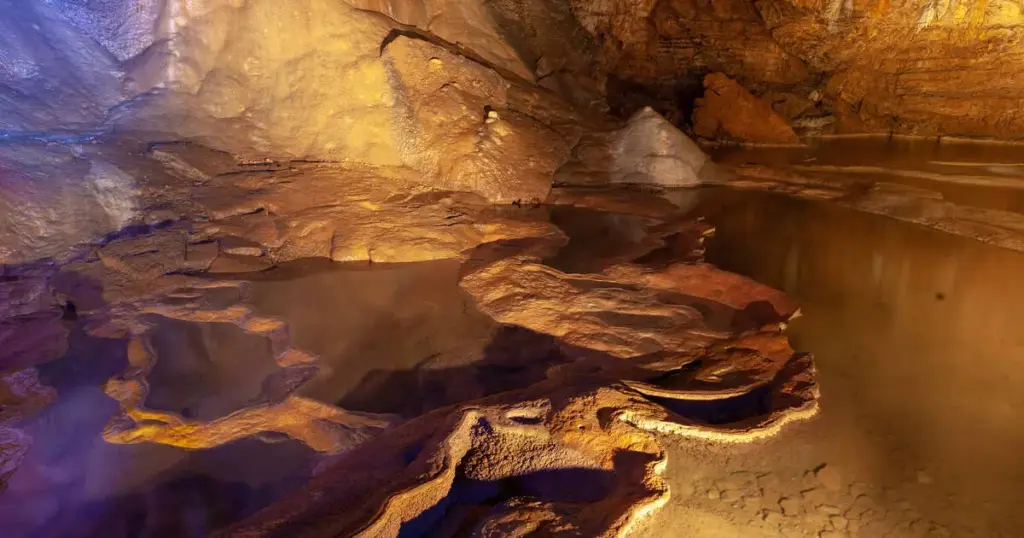
To fully comprehend the stakes discussed at the Ravno forum, one must examine the ecological and historical weight of the site at the center of these preservation efforts. In July 2024, the Vjetrenica Cave, Ravno was officially inscribed on the prestigious UNESCO World Heritage List, recognizing its Outstanding Universal Value (OUV). This designation was not lightly given; Vjetrenica represents one of the most significant subterranean biodiversity hotspots on Planet Earth.
[UNESCO World Heritage List: Vjetrenica Cave]
 ├── Inscription Year: 2024
 ├── Core Attribute: Subterranean Biodiversity & Endemism
 ├── Ecosystem Type: Dinaric Karst System
 └── Evolutionary Significance: Rare relict species tracking Earth's history
Located in the Dinaric Alps, the cave system is renowned for its extraordinarily high levels of endemism. It hosts a staggering array of subterranean fauna found nowhere else on Earth. These specialized organisms have evolved over millions of years to thrive in total darkness, constant temperatures, and oligotrophic (nutrient-poor) conditions.

Evolutionary Laboratories and Climate Vulnerability
Beyond its biological riches, Vjetrenica serves as a living laboratory for evolutionary biology. Rare relict species housed within its damp, labyrinthine chambers offer scientists unique windows into historical climate shifts and the evolutionary history of life on Earth. The cave’s microclimate is finely balanced; subtle changes in external temperatures, hydrological flows, or air circulation—driven increasingly by anthropogenic climate change—can trigger cascading ecological collapses within the subterranean web of life.
The Ravno forum directly addressed these vulnerabilities. By contextualizing the site within UNESCO’s global framework, participants analyzed how international capacity-building tools can be leveraged to monitor hydrological changes, regulate visitor capacities, and protect the broader karst watershed from industrial and agricultural runoff.
Official Statements and Institutional Perspectives
The gravity of the forum was underscored by the caliber of its opening speakers, each bringing a unique institutional mandate to the table.
Davor Baković: Local Stewardship and Community Pride
Davor Baković, Director of the Public Institution “Vjetrenica” Ravno, opened the forum by emphasizing the deep connection between the local community and the cave.
"Vjetrenica is not merely a scientific anomaly or a line item on an international registry; it is the lifeblood and identity of Ravno," Baković stated during his opening remarks. "Our institution bears the heavy responsibility of balancing public access with absolute ecological protection. Today’s forum proves that we do not bear this burden alone. Through the support of UNESCO and the active engagement of our youth, we are building a resilient shield around our natural heritage."
Biljana Čamur Veselinović: State-Level Commitment to International Standards
Representing the national government, Biljana Čamur Veselinović, Secretary of the Ministry of Civil Affairs of Bosnia and Herzegovina and Secretary-General of the Commission for cooperation with UNESCO, stressed the importance of state-level coordination in meeting international conservation obligations.
"The inscription of Vjetrenica on the World Heritage List was a monumental victory for Bosnia and Herzegovina, but it also marked the beginning of a much more demanding chapter: sustainable management," noted Veselinović. "Our ministries are fully committed to translating international environmental standards into domestic policy, ensuring that economic development never compromises the ecological integrity of our most precious sites."
Stjepan Matić: Integrating Tourism, Environment, and Policy
Speaking on behalf of the Federal Ministry of Environment and Tourism, Stjepan Matić addressed the delicate equilibrium required between sustainable tourism and ecological preservation in the Herzegovina region.
"Karst landscapes are inherently fragile. As ecotourism grows in popularity, our regulatory frameworks must mature in lockstep," Matić explained. "We are working closely with regional stakeholders to establish carrying-capacity limits, green infrastructure protocols, and educational campaigns that transform tourists into active defenders of the environment."
Siniša Šešum: UNESCO’s Vision for Youth and Resilience
Siniša Šešum, Head of the UNESCO Antenna in Sarajevo, provided the international perspective, linking the Ravno forum to global directives on climate action and youth empowerment.
"UNESCO’s World Heritage mandate is fundamentally about safeguarding our shared human story and the natural ecosystems that sustain it," Šešum remarked. "By bringing together policymakers, scientists, and—most importantly—young people, this project in Ravno exemplifies how local action can resonate globally. Empowering youth with educational tools guarantees that the legacy of Vjetrenica will be defended for generations to come."
Future Outlook: A Roadmap for Sustainable Conservation
As the Ravno Public Forum drew to a close, participants formulated a forward-looking roadmap designed to sustain the momentum generated on June 19, 2026. The consensus among experts, government officials, and civil society leaders solidified around several core action items for the coming years:
- Curriculum Integration: Expanding the deployment of educational materials developed under the UNESCO-funded project into primary and secondary schools across Bosnia and Herzegovina, fostering environmental literacy from an early age.
- Enhanced Scientific Monitoring: Strengthening partnerships between academic institutions and the Public Institution “Vjetrenica” Ravno to establish continuous baseline data collection on subterranean microclimates, hydrological shifts, and endemic species health.
- Regulatory Enforcement: Implementing stricter zoning and environmental impact assessments around the karst watershed to protect the cave system from upstream agricultural pollution and unregulated urban expansion.
- Community-Centric Ecotourism: Designing sustainable tourism models that directly benefit the local economy of Ravno while strictly adhering to UNESCO’s carrying-capacity thresholds.
- Continuous Multi-Stakeholder Dialogue: Institutionalizing the Ravno Public Forum as an annual or biennial event, ensuring that the lines of communication between government ministries, scientists, and local communities remain permanently open.
The June 2026 forum in Ravno stands as a testament to what can be achieved when local passion meets international expertise. By anchoring heritage conservation within the broader framework of climate action and sustainable development, Bosnia and Herzegovina has set a powerful precedent for environmental stewardship in the Western Balkans. As the world faces mounting ecological pressures, the commitment forged in Ravno ensures that the subterranean wonders of Vjetrenica will continue to breathe life, history, and scientific discovery into the future.