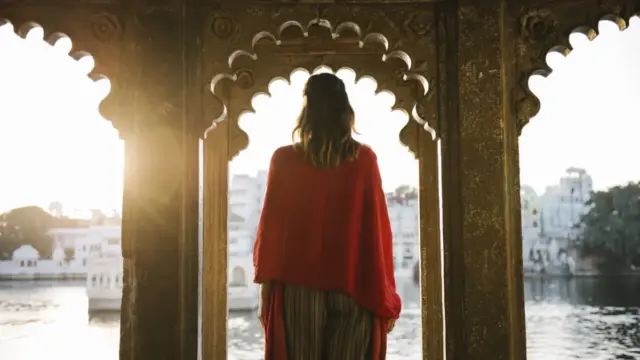
Madrid, Spain’s chief metropolis and administrative center, accommodates a population of approximately 3.5 million residents within its municipal boundaries, anchored at the geographic and economic center of the Iberian Peninsula. Welcoming over 10 million international and domestic visitors annually, the city has solidified its status as one of Europe’s premier urban destinations. Characterized by expansive architecture, deep-seated cultural institutions, and an urban rhythm that favors extended evening activity, Madrid represents a dynamic intersection of monarchical history and modern metropolitan vitality.
While neighboring Barcelona frequently occupies discussions surrounding Mediterranean leisure travel, Madrid functions as the political, artistic, and culinary engine of the nation. The city’s urban framework—punctuated by the UNESCO-designated Paisaje de la Luz (Landscape of Light)—demands a structured, analytical approach to exploration. This report provides a detailed, five-day strategic itinerary designed to navigate Madrid’s primary cultural corridors, historical landmarks, culinary ecosystems, and regional UNESCO World Heritage satellites, balancing high-density tourist sites with preserved neighborhood enclaves.
Detailed Chronology: A 5-Day Systematic Itinerary
                                  MADRID 5-DAY STRATEGIC ITINERARY
                                                 │
      ┌───────────────────┬──────────────────────┼──────────────────────┬───────────────────┐
      │                   │                      │                      │                   │
   DAY 01              DAY 02                 DAY 03                 DAY 04              DAY 05
Art Walk Corridor   Habsburg Center        Gastronomic Ecosystem   UNESCO Regional     Off-Beat Monastic
& House Museums    & Royal Palace         & Rooftop Infrastructure  Excursions         & Urban Parks
      │                   │                      │                      │                   │
  • Prado             • Puerta del Sol       • San Miguel Market    • El Escorial       • Las Descalzas
  • Thyssen           • Plaza Mayor          • Sobrino de Botín     • Aranjuez          • La Encarnación
  • Reina Sofía       • Royal Palace         • La Latina Tapas      • Alcalá de Henares • Casa de Campo
  • Sorolla (2026)    • Almudena Cathedral   • Gran Vía Rooftops    • Retiro Park       • Lakeside Area
Day 1: Immersion in the Art Walk Corridor and Historic House Museums
The initial phase of the itinerary focuses on the Paseo del Arte (Art Walk), a dense cultural corridor inscribed on the UNESCO World Heritage list in 2021 under the title Paisaje de la Luz (Landscape of Light). The site encompasses over 40 monuments and 40 historic structures, representing a centuries-old urban experiment uniting nature, science, and monarchical architecture.
PASEO DEL ARTE CORRIDOR
[Prado Museum] ──10-min walk──> [Thyssen-Bornemisza] ──10-min walk──> [Reina Sofía]
 (Classic Masters)                (Transit & Pop Art)                 (Modern/Guernica)
Primary Cultural Anchors
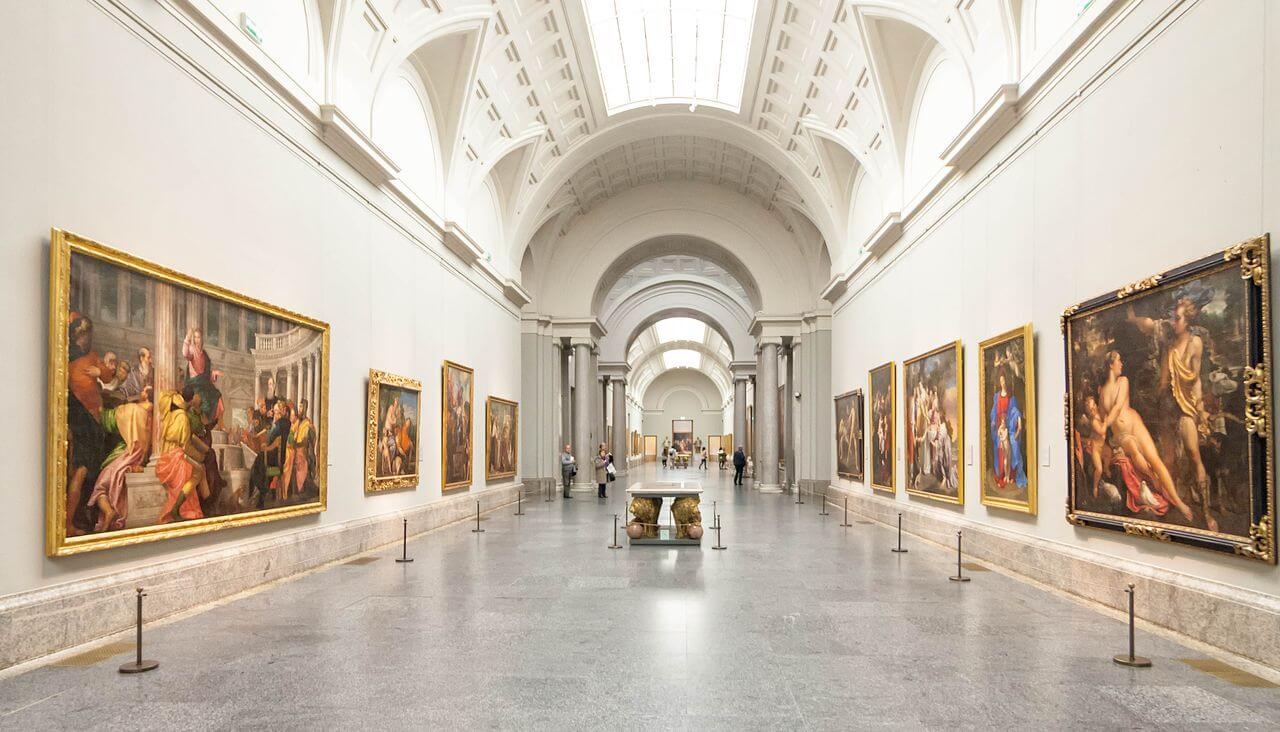
The Prado Museum (Museo del Prado): Functioning as the flagship institution of Spanish fine art, the Prado houses foundational works by European masters from the 12th to the early 19th centuries. Essential viewings include Diego Velázquez’s Las Meninas, Francisco Goya’s Black Paintings and The Third of May 1808, alongside extensive holdings of El Greco, Peter Paul Rubens, Hieronymus Bosch, and Caravaggio. A comprehensive survey requires a minimum allocation of three hours.
Thyssen-Bornemisza National Museum: Situated a 10-minute walk north along the tree-lined Paseo del Prado, this institution bridges the historical gaps between the Prado’s classical focus and modern art movements, featuring a private collection spanning Italian Primitive works through Dutch Mannerism, Impressionism, and mid-century Pop Art.
Reina Sofía National Art Centre (Museo Nacional Centro de Arte Reina Sofía): Dedicated primarily to 20th-century Spanish art, the facility holds major works by Joan Miró, Salvador Dalí, Wassily Kandinsky, and Francis Bacon. The museum’s centerpiece is Pablo Picasso’s 1937 anti-war masterpiece, Guernica, commissioned during the Spanish Civil War to depict the bombing of the Basque town of Guernica.
Culinary & Evening Integration
Following the central museum circuit, lunch options adjacent to the art corridor reflect varied traditional and contemporary models:
Taberna La Fragua de Vulcano: Offers a rustic interior suited for sampling cocido madrileño (a traditional chickpea-based meat stew).
Arzábal: Positioned near the Reina Sofía, noted for its garden terrace and traditional croquetas.
Bodega de los Secretos: A unique dining room set within restored 17th-century subterranean wine caves near the Prado.
Afternoon Enclaves: The House Museums
To conclude the cultural sequence, visitors transition to Madrid’s preserved house museums (Casas Museo)—former aristocratic residences retaining their original period interiors:
Sorolla Museum (Museo Sorolla): The former sunlit residence and studio of Joaquín Sorolla, known as the "painter of light." The facility underwent significant architectural updates and is slated for a full public reopening in 2026, showcasing its Mediterranean gardens and impressionistic canvases.
Museum of Romanticism (Museo del Romanticismo): Offers an insight into 19th-century bourgeois life, featuring a secluded garden café.
Lázaro Galdiano Museum: A neo-Renaissance mansion displaying a private collection that includes works by Goya, Velázquez, El Greco, and Hieronymus Bosch.
Day 2: Architectural and Political Legacy of Habsburg Madrid
Day two centers on the historic heart of the city, known as Madrid de los Austrias (Habsburg Madrid), reflecting the urban layout developed during the reign of the Habsburg dynasty in the 16th and 17th centuries.
HABSBURG MADRID ROUTE
[Puerta del Sol] ──> [Plaza Mayor] ──> [Royal Palace] ──> [Almudena Cathedral]
 (Km Zero / Oso)      (Porticoes)        (3,400 Rooms)       (Crypt & Dome)
Civic Hubs and Public Squares
Puerta del Sol: Serves as the geographical center of Spain’s road network, marked by the Kilómetro Cero (Kilometer Zero) stone slab set into the sidewalk facing the Royal House of the Post Office. The square also houses the 20-ton bronze statue of El Oso y el Madroño (The Bear and the Strawberry Tree), depicting the heraldic symbols embedded in Madrid’s official coat of arms since the 13th century.
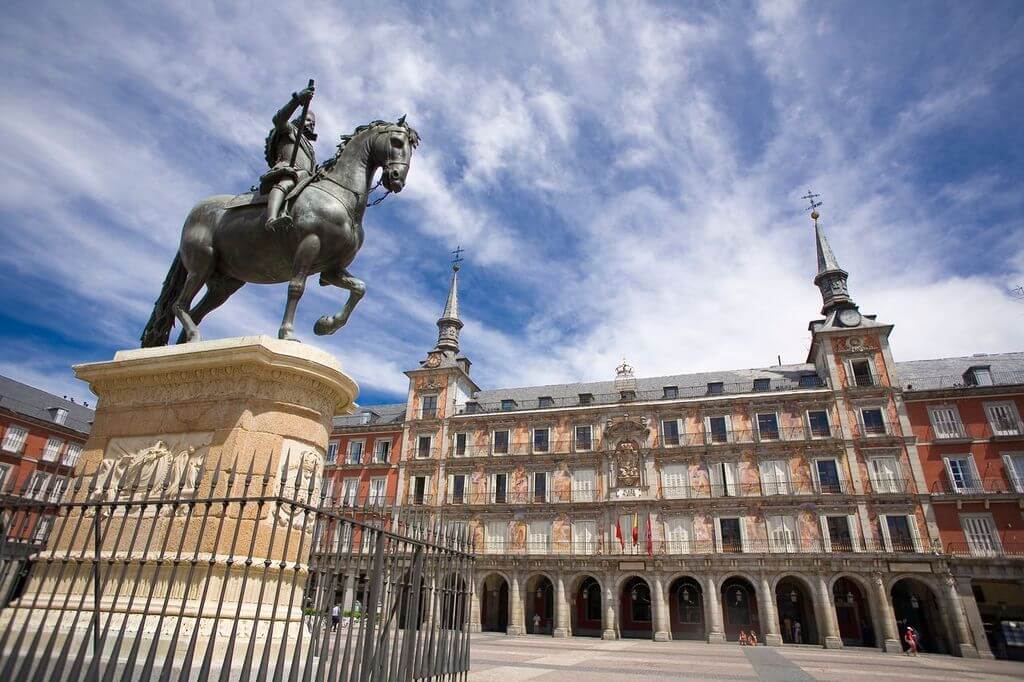
Plaza Mayor: Designed by Juan de Herrera and Juan Gómez de Mora, this porticoed central square historically accommodated royal proclamations, bullfights, inquisitorial trials, and public executions. Dominated by the Casa de la Panadería, it currently operates as a civic space bordered by traditional cafes and municipal facilities.
      HISTORIC LANDMARK COMPARISON: HABSBURG CORRIDOR
┌──────────────────────┬──────────────────────┬─────────────────────────┐
│ Landmark             │ Era of Origin        │ Key Distinction         │
├──────────────────────┼──────────────────────┼─────────────────────────┤
│ Puerta del Sol       │ 15th Century         │ National Transit Km 0   │
│ Plaza Mayor          │ 17th Century (1619)  │ Porticoed Civil Square  │
│ Royal Palace         │ 18th Century (1735)  │ Largest in W. Europe    │
│ Almudena Cathedral   │ Late 19th–20th C.    │ Consecrated 1993 (Pope) │
└──────────────────────┴──────────────────────┴─────────────────────────┘
Gastronomic Landmark
In the narrow arteries surrounding Plaza Mayor (such as Calle de Botoneras), the consumption of the bocadillo de calamares (crispy deep-fried squid served on a fresh baguette) remains a longstanding culinary ritual deeply linked to urban working-class history.
Institutional Architecture
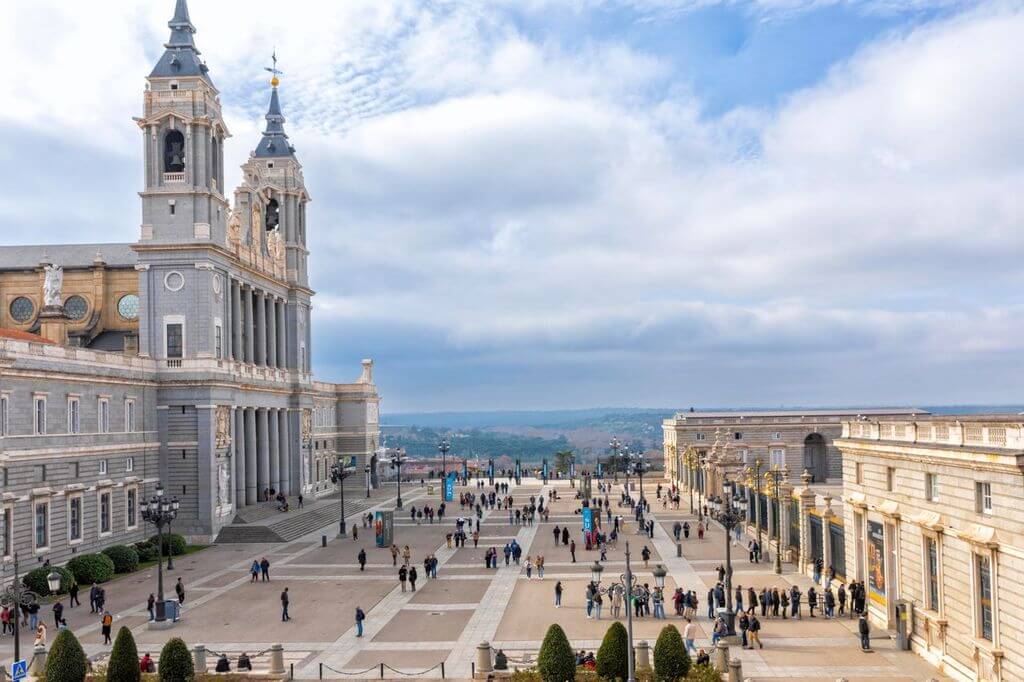
Royal Palace of Madrid (Palacio Real): Spanning 135,000 square meters with over 3,400 rooms, it is the largest functioning royal palace in Western Europe. Built on the site of an 9th-century Moorish fortress (Alcázar) destroyed by fire in 1734, the current late-Baroque structure was commissioned by King Philip V. Though the current royal family resides at the Palace of Zarzuela, the facility is utilized for state ceremonies and holds historic collections of Stradivarius violins, paintings by Caravaggio and Goya, and the Royal Armory (Real Armería).
Almudena Cathedral (Catedral de la Almudena): Standing opposite the Royal Palace, construction began in 1883 but was not fully completed until 1993, when it was consecrated by Pope John Paul II. The cathedral features a Neo-Classical exterior designed to harmonize with the adjacent palace, a Neo-Gothic interior, and a extensive Neo-Romanesque crypt supported by over 400 carved stone columns.
Day 3: Gastronomic Discovery, Market Infrastructure, and Elevated Leisure
Madrid’s identity is bound to its food distribution networks, historic dining establishments, and evolving modern culinary landscape.
GASTRONOMIC INFRASTRUCTURE MAP
┌────────────────────────────────────────────────────────────────────────┐
│ Historic Outlets: Mercado de San Miguel | Sobrino de Botín (1725)      │
├────────────────────────────────────────────────────────────────────────┤
│ Neighborhood Markets: San Antón (Chueca) | Vallehermoso (Chamberí)     │
├────────────────────────────────────────────────────────────────────────┤
│ Plant-Based & Modern Innovation: Malasaña Eco-District                 │
├────────────────────────────────────────────────────────────────────────┤
│ Elevated Skyline Logistics: Gran Vía Rooftops (Picalagartos / RIU 360°)│
└────────────────────────────────────────────────────────────────────────┘
Market Ecosystems
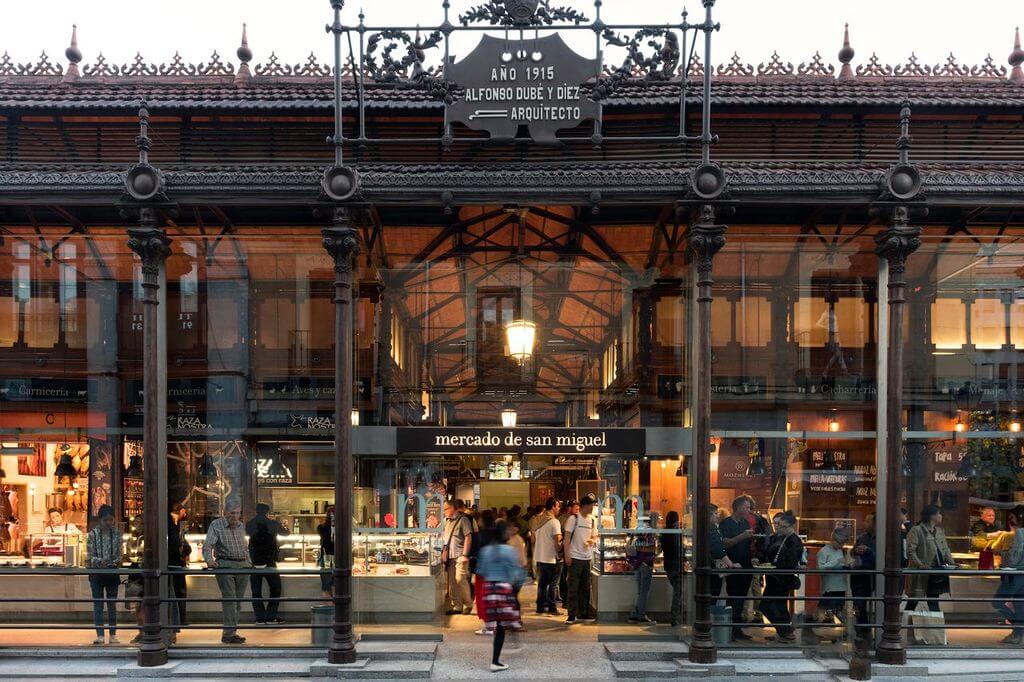
Mercado de San Miguel: Located adjacent to Plaza Mayor, this 1916 cast-iron structure functions as a high-end gastronomic hall specializing in gourmet tapas, cured Iberian ham (jamón ibérico), fresh seafood, and Spanish wines.
Mercado de San Antón (Chueca): A multi-level neighborhood market featuring traditional food stalls alongside prepared meal vendors and a rooftop terrace.
Mercado de Vallehermoso (Chamberí): A traditional municipal market that has integrated small artisan eateries with traditional produce counters, maintaining strong ties to local producers.
Historic and Modern Dining Establishments
Sobrino de Botín: Recognized by the Guinness Book of World Records as the world’s oldest continuously operating restaurant (founded in 1725). Famous for its wood-fired roasted suckling pig (cochinillo asado) and cast-iron ovens, it served as a frequent dining location for author Ernest Hemingway.
Neighborhood Tapas Routes: Tapas crawling (ir de tapeo) through the historic districts of La Latina (along Calle de la Cava Baja) and Barrio de las Letras (Literary Quarter) provides insight into regional Spanish cooking through small shared plates.
Plant-Based Innovations: The northern district of Malasaña has emerged as a central hub for plant-based cuisine in Southern Europe, offering vegetarian and vegan adaptations of traditional Iberian dishes.
Skyline Infrastructure
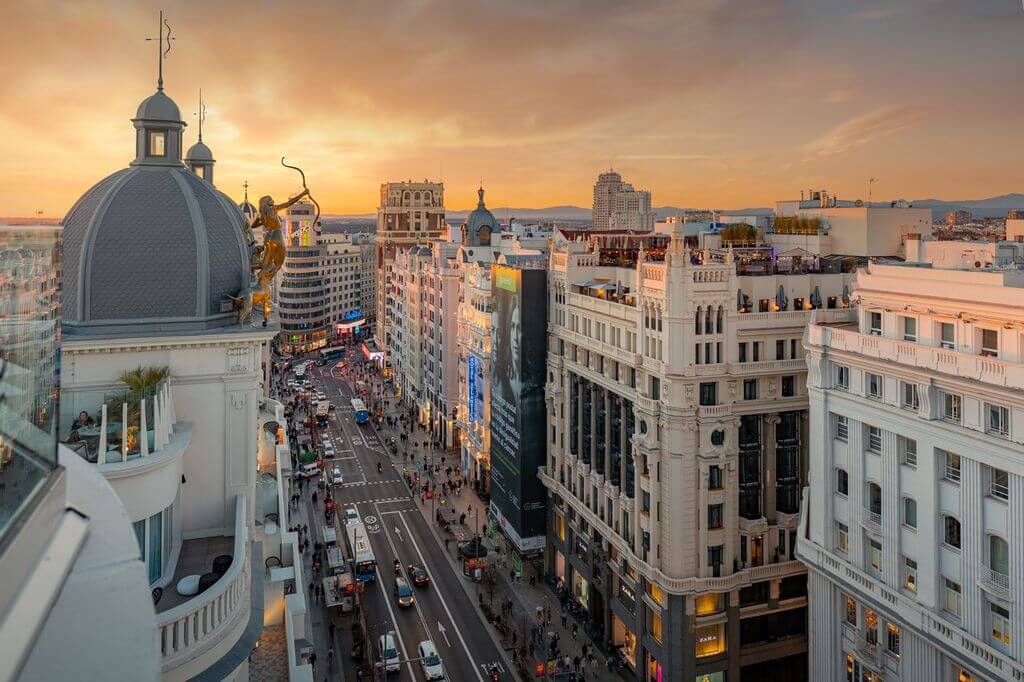
As evening approaches, the urban landscape of the Gran Vía offers access to high-altitude hospitality platforms. Venues such as Picalagartos Sky Bar and the RIU Plaza España 360° Sky Bar provide panoramic perspectives over the city’s architectural roofscape.
Day 4: Excursions Across Regional UNESCO World Heritage Sites
While the city proper holds extensive historic assets, Madrid serves as a central platform for accessing major UNESCO World Heritage sites situated within a 60-minute radius via regional rail (Cercanías) or highway networks.
                 MADRID REGIONAL UNESCO SATELLITES
                                 │
         ┌───────────────────────┼───────────────────────┐
         │                       │                       │
 [San Lorenzo de El Escorial]   [Aranjuez]      [Alcalá de Henares]
   • 1hr North-West              • 1hr South            • 45min East
   • Philip II Monastery         • Royal Gardens        • Cervantes Birthplace
   • Royal Pantheon              • Tagus River Palace   • Golden Age University
UNESCO Satellite Options
1. Monastery and Site of San Lorenzo de El Escorial
Distance: ~50 km northwest of Madrid.
Historical Significance: Commissioned by King Philip II in the late 16th century to commemorate the Spanish victory at the Battle of St. Quentin (1557) and to serve as a burial monument for his father, Holy Roman Emperor Charles V.
Architectural Profile: Designed by Juan Bautista de Toledo and completed by Juan de Herrera, the vast complex exhibits an austere, unadorned Renaissance style (Herrerian). It encompasses a royal palace, monastery, basilica, major historic library, and the Pantheon of the Kings, where most Spanish monarchs since Charles V are interred.
2. Royal Palace and Cultural Landscape of Aranjuez
Distance: ~48 km south of Madrid.
Historical Significance: Established as a spring residence for the Spanish monarchy along the banks of the Tagus River.
Architectural Profile: Blending Renaissance and Baroque styles, the property is renowned for its elaborate interior decoration—including the world-famous Porcelain Room—and expansive landscaped gardens (Jardín del Príncipe, Jardín de la Isla), which contributed to its designation as a UNESCO Cultural Landscape.
3. Historic Center of Alcalá de Henares
Distance: ~35 km northeast of Madrid.
Historical Significance: The world’s first planned university city (Universidad Complutense, founded in 1499 by Cardinal Cisneros), serving as a model for educational institutions in the Americas. It is notably the birthplace of Miguel de Cervantes, author of Don Quixote.
Architectural Profile: Features exceptionally preserved Golden Age (1492–1659) urban planning, medieval arcaded streets (Calle Mayor), and historic college courtyards.
Day 5: Enclosed Monastic Treasures and Mass Green Infrastructure
The final day focuses on hidden, restricted-access heritage sites within the historic center, concluding with Madrid’s largest public park landscape.
                      DAY 05 CULTURAL AND NATURAL SITES
                                      │
         ┌────────────────────────────┴────────────────────────────┐
         │                                                         │
[Monastic Enclaves]                                       [Casa de Campo]
  • Las Descalzas Reales (1559)                             • 1,700 Hectares (6.5 sq mi)
  • La Encarnación (1611)                                   • Lake & Panoramic Viewpoints
  • Religious Art Collections                               • Public Parkland Infrastructure
Monastic Enclaves
Monastery of Las Descalzas Reales (Monasterio de las Descalzas Reales): Founded in 1559 by Joanna of Austria, Dowager Princess of Portugal and sister of King Philip II. Originally a royal palace, it became a convent for Poor Clare nuns. High-born noblewomen entering the convent frequently contributed rich dowries in the form of fine art, transforming the cloistered space into a major vault of Renaissance and Baroque masterworks, including tapestries designed by Peter Paul Rubens and paintings by Titian and Brueghel the Elder.
Royal Monastery of La Encarnación (Real Monasterio de la Encarnación): Established in 1611 by Queen Margaret of Austria, wife of King Philip III. Designed by Alberto de la Madre de Dios, the monastery features an austere Spanish Baroque facade contrasting with a lavish interior containing a major collection of reliquaries, paintings, and sculptures. A portion of the complex remains an active convent under the management of Patrimonio Nacional.
Green Infrastructure: Casa de Campo
Transitioning from the urban core to the western boundary of the city, Casa de Campo represents Madrid’s largest municipal green space, spanning over 1,700 hectares (6.5 square miles). Originally created as a royal hunting estate under Philip II, the land was transferred to public municipal ownership in 1931.
                  PARK COMPARISON: SIZE & INFRASTRUCTURE
┌─────────────────────┬───────────────────┬───────────────────────────────┐
│ Feature             │ El Retiro Park    │ Casa de Campo                 │
├─────────────────────┼───────────────────┼───────────────────────────────┤
│ Surface Area        │ ~125 Hectares     │ ~1,700 Hectares               │
│ Primary Origin      │ 17th Century Royal│ 16th Century Royal Hunting    │
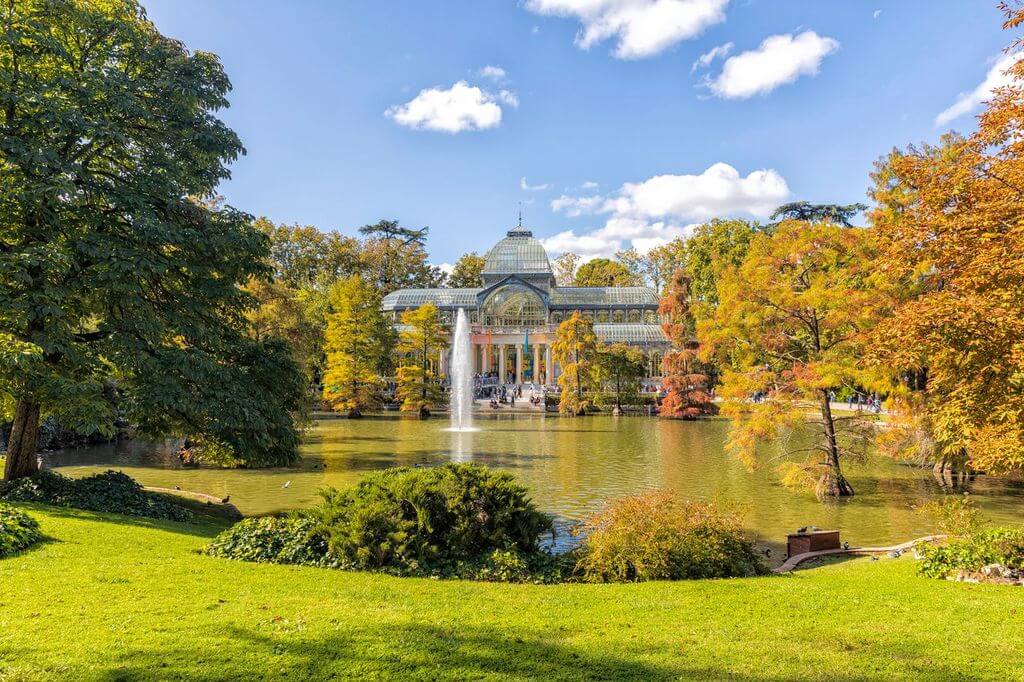
│ Key Amenities       │ Crystal Palace    │ Lake, Cable Car, Zoo          │
│ Location Context    │ Urban Art Corridor│ Western Urban Boundary        │
└─────────────────────┴───────────────────┴───────────────────────────────┘
The park includes a large central lake surrounded by dining terraces offering direct sightlines across the Manzanares River toward the Royal Palace and Almudena Cathedral skyline, serving as a transitional area between natural countryside and dense urban development.
Supporting Context & Metrics
Madrid’s post-pandemic recovery and sustained status as a global travel hub are supported by solid economic, logistical, and demographic indicators.
                  KEY METRICS: MADRID TOURISM INFRASTRUCTURE
┌──────────────────────────────────────┬──────────────────────────────────┐
│ Metric Indicator                     │ Statistical Value / Description   │
├──────────────────────────────────────┼──────────────────────────────────┤
│ Municipal Population                 │ ~3.5 Million Residents           │
│ Annual International/Domestic Visitors│ Exceeds 10.0 Million             │
│ UNESCO Inscriptions                  │ Paisaje de la Luz (2021)         │
│ Royal Palace Surface Area            │ 135,000 m² (3,400+ Rooms)        │
│ Largest Municipal Park               │ Casa de Campo (1,700 Hectares)   │
└──────────────────────────────────────┴──────────────────────────────────┘
Infrastructure and Urban Mobility
Madrid’s travel infrastructure functions via an integrated municipal network:
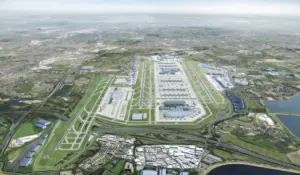
Adolfo Suárez Madrid-Barajas Airport (MAD): Located 12 km northeast of the city center, operating as the main European gateway to Latin America.
Rail Infrastructure: High-speed rail networks (AVE, Avlo, Ouigo, Iryo) operate out of twin central terminals—Atocha and Chamartín—linking Madrid to Barcelona, Seville, Valencia, and Bilbao within 2.5 to 3 hours.
Intra-Urban Transport: The Metro de Madrid comprises 12 underground lines and over 300 stations, supplemented by the Cercanías commuter train network that services regional UNESCO satellite sites.
Official Statements and Heritage Perspectives
Institutional oversight of Madrid’s heritage assets is primarily managed by Patrimonio Nacional (National Heritage), the government body responsible for preserving assets tied to the Spanish Crown, alongside the Municipal Council of Madrid (Ayuntamiento de Madrid).
Regarding the preservation of the UNESCO Paisaje de la Luz site, municipal cultural representatives have articulated the balancing act required between international tourism and local livability:
"The UNESCO designation of the Paseo del Prado and Buen Retiro landscape was a recognition not merely of historical aesthetic value, but of a functional urban model where science, nature, and art have coexisted since the 16th century. Our ongoing management priority is to prevent hyper-commercialization, preserving the public character of these cultural spaces while maintaining rigorous conservation standards for surrounding historic structures."
— Regional Heritage Conservation Board Spokesperson
Museum leadership at major institutions has similarly pointed to the importance of house museums and off-the-beaten-path sites in mitigating pressure on primary collection hubs:
"While the Prado and Reina Sofía remain essential entry points for visitors, institutions like the Sorolla Museum or the Monasterio de las Descalzas Reales provide critical depth. They offer an intimate, context-rich environment that reflects the lived reality of Spain’s artistic and monarchical history, redistributing visitor density across the city."
— Directorate Representative, Fine Art Institutional Network
Future Outlook and Strategic Developments
As Madrid moves toward the late 2020s, several long-term structural initiatives are positioned to alter the city’s tourism, economic, and architectural profile:
                          FUTURE STRATEGIC TIMELINE
                                     │
      ┌──────────────────────────────┼──────────────────────────────┐
      │                              │                              │
    2026                           2027                           2030+
Reopening of Sorolla           Expansion of High-Speed        Madrid Nuevo Norte
Museum Architectural            Rail Infrastructure          Urban Regeneration
Renovation                     Connecting Barajas            & Sustainable Mobility
Reopening of the Sorolla Museum (2026): The full restoration and spatial expansion of the Sorolla Museum will return one of Spain’s most prized historic houses to active public operation, adding modernized exhibition capacity while preserving its early 20th-century residential character.
Prado Museum Extension (Hall of Realms): The ongoing integration of the Salón de Reinos (Hall of Realms)—formerly part of the Buen Retiro Palace—into the Prado’s operational footprint will expand the museum’s total exhibition area, allowing for wider display of 17th-century monarchical art collections.
Urban Regeneration: Madrid Nuevo Norte: As one of Western Europe’s largest urban redevelopment initiatives, this long-term infrastructure project will transform the northern railway corridors around Chamartín Station into a modern business, residential, and transit hub, shifting economic weight northward while alleviating congestion in the historic core.
Sustainable Tourism and Mobility Alignment: The municipal government continues to expand zero-emission public transport zones (Madrid ZBE) within the central core, enforcing strict vehicle access policies around historic sites to improve air quality and protect stone architecture throughout the Habsburg and Bourbon quarters.
Through a structured synthesis of world-class art collections, preserved political monuments, regional historic satellites, and modern culinary networks, Madrid maintains a sustainable equilibrium—operating simultaneously as an accessible destination for international travelers and a vibrant, self-sustaining capital city.
Logistical Travel Resources and Execution Protocols
To optimize fiscal efficiency and operational planning when executing this itinerary, visitors should utilize established logistics channels:
Aviation Logistics: Utilize global air search tools (e.g., Skyscanner) to analyze multi-carrier routes into Adolfo Suárez Madrid-Barajas Airport (MAD).
Accommodations Management: Book central lodging early. Traditional hostel networks (e.g., via Hostelworld) suit budget travelers, while long-established platforms (e.g., Booking.com) provide access to boutique hotels in Barrio de las Letras, Chamberí, or Retiro.
Risk Mitigation: Comprehensive travel insurance covering medical coverage, itinerary disruptions, and property protection is strongly advised when navigating high-density urban transit systems.
Regional Transit Access: Secure Cercanías rail tickets or the TDT (Tourist Travel Pass) at automated station kiosks for direct transit to regional UNESCO sites like El Escorial and Alcalá de Henares.