








Booking a cruise vacation is an exercise in meticulous planning. Beyond selecting a preferred cruise line, plotting exotic itineraries, and evaluating departure dates, travelers face one of the most critical decisions of their entire journey: choosing the ideal stateroom. Often analogized as a floating hotel room, a cruise ship stateroom serves as a private sanctuary amidst days filled with shore excursions, high-seas exploration, and shipboard entertainment.
However, unlike a traditional land-based hotel where rooms are largely uniform, cruise ship staterooms vary wildly in classification, size, category, and onboard geography. Selecting the wrong cabin—whether due to unexpected noise pollution, susceptibility to motion sickness, or a lack of natural light—can significantly impact the overall vacation experience.
This comprehensive guide investigates the nuances of cruise ship accommodations, breaking down stateroom categories, strategic location planning, essential onboard amenities, and expert research methodologies. By analyzing data from major cruise lines, seasoned travelers, and deck-plan databases, this report equips prospective cruisers with the authoritative insights needed to optimize both their comfort and their budget.
Detailed Chronology of the Booking Process
Understanding how and when to select a stateroom requires examining the standard cruise booking lifecycle. Navigating this progression strategically ensures that travelers secure optimal accommodations without overspending.
Phase 1: High-Level Line and Itinerary Selection
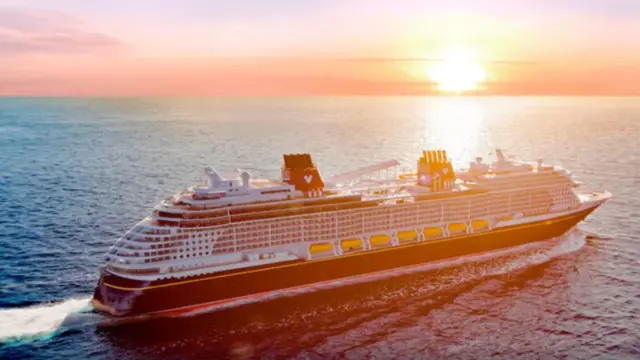
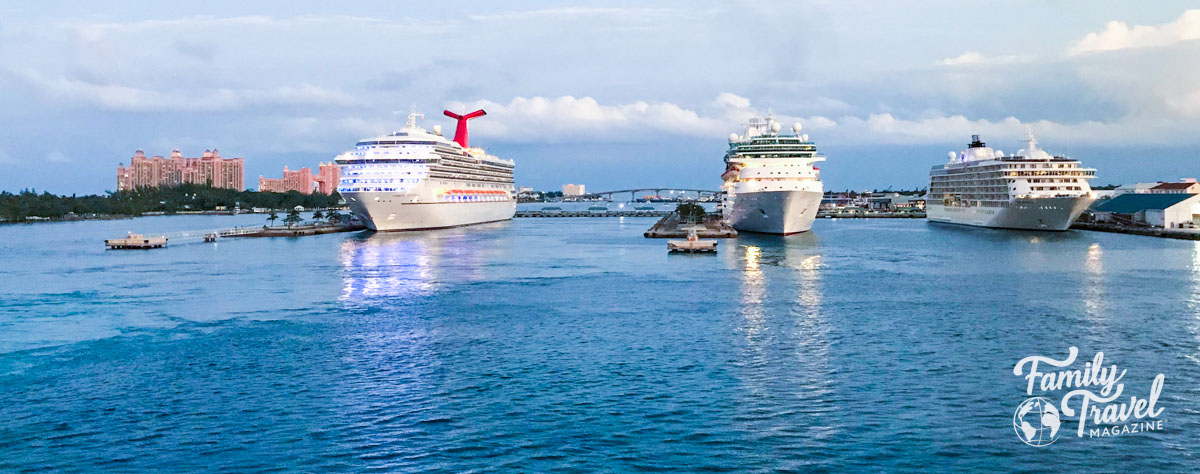
The journey begins months—sometimes over a year—in advance. Travelers must first choose a cruise line that matches their demographic preferences, budget, and vacation style (e.g., family-oriented lines like Disney Cruise Line, mega-resort ships like Royal Caribbean, or adults-only experiences like Virgin Voyages). Once the line and destination are locked in, specific ships and sail dates are evaluated.
Phase 2: Stateroom Category Selection
Once the specific sailing is chosen, the booking engine prompts the traveler to select a cabin category. This is where financial and lifestyle priorities intersect. Options traditionally range from budget-friendly interior rooms to ultra-luxurious multi-room suites. It is crucial to recognize that terminology shifts depending on the carrier; for instance, Disney Cruise Line refers to balcony accommodations as "verandahs."
Phase 3: Location Assignment and Deck Plan Analysis
Following category selection, passengers must determine their physical placement on the ship. Depending on the booking fare, travelers may either select their exact cabin number using the ship’s deck plans or opt for a "Guaranteed" (GTY) status. A GTY booking relinquishes location control to the cruise line in exchange for a lower rate, assigning a room of the booked category (or higher, in the event of an upgrade) closer to the sail date.
For those who choose their specific location, evaluating proximity to elevators, high-traffic public areas, and anchor mechanisms becomes paramount.
Supporting Context & Metrics: Stateroom Categories and Strategic Locations
To make an informed decision, travelers must weigh the distinct advantages and disadvantages of each stateroom tier, alongside the strategic implications of shipboard geography.
Breakdown of Stateroom Categories
| Stateroom Type | What It Includes | Best For | Things to Consider |
|---|---|---|---|
| Interior Stateroom | An enclosed room with zero windows or exterior access. | Budget-conscious travelers and families prioritizing excursions over room time. | Complete absence of natural light and ocean views; requires reliance on digital clocks or wake-up calls. |
| Porthole Stateroom | A traditional round maritime porthole offering a limited window view. | Travelers desiring natural light without paying premium balcony rates. | Limited availability; featured primarily on older or classic ship builds. |
| Oceanview Stateroom | A larger, sealed window offering an expansive view of the sea. | Guests wanting constant natural light and scenic vistas on a mid-range budget. | Windows cannot be opened; some rooms feature partially or fully obstructed views. |
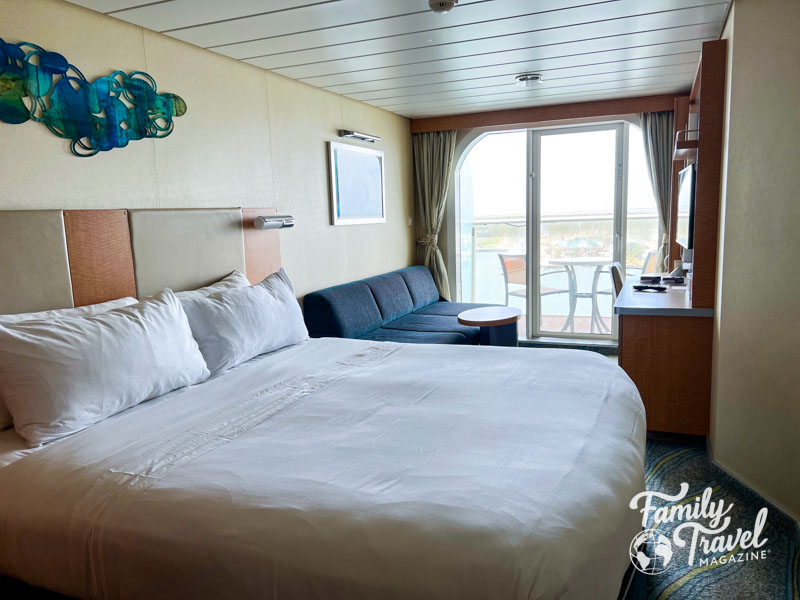
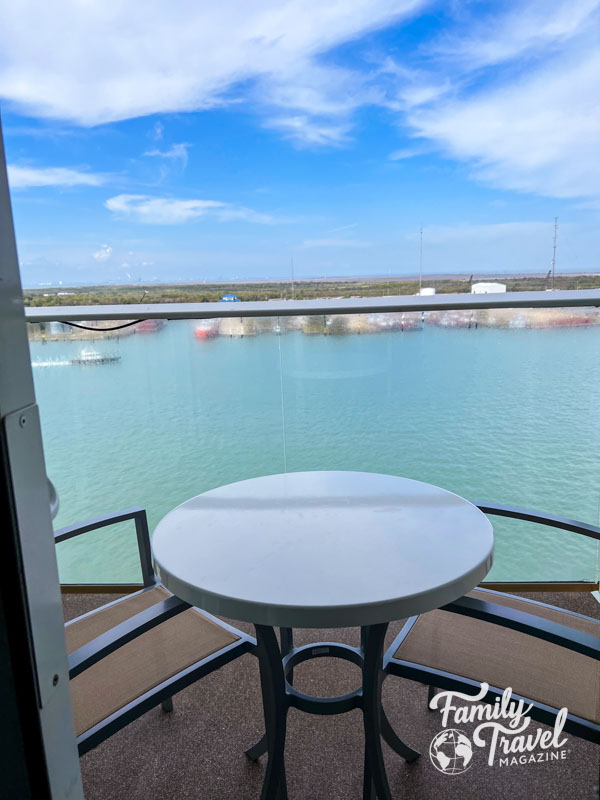
| Balcony Stateroom | A private outdoor verandah equipped with seating, accessible via sliding glass doors. | Cruisers who value private outdoor relaxation, fresh air, and morning coffee views. | Balcony sizes vary significantly by ship class; some upper-deck structures can overlook lower balconies. |
| Cruise Suite | Expanded living areas, premium furnishings, and multi-bedroom configurations. | Travelers seeking luxury, personalized service, and VIP perks. | Premium pricing; availability is strictly limited, requiring early booking. |
The Geography of the Ship: Location Matters
While category selection dictates the physical room, location dictates the environmental experience. On smaller vessels, location plays a minimal role due to short walking distances and reduced motion differentials. However, on modern mega-ships—such as Royal Caribbean’s Oasis-class vessels (Wonder of the Seas, Allure of the Seas)—location is critical.
1. Vertical Placement (Decks)
- Higher Decks: Generally offer superior views and closer proximity to top-deck amenities like the lido pool, buffets, and open-air bars. However, they are more susceptible to the rhythmic swaying of the ship in rough seas.
- Lower Decks: Positioned closer to the water line, lower decks experience significantly less motion, making them ideal for travelers prone to seasickness. However, they may lack optimal views and require longer elevator or stair journeys to reach entertainment hubs.
2. Horizontal Placement (Forward, Midship, Aft)
- Midship: Universally regarded as the prime location. Situated at the epicenter of the vessel, midship cabins minimize the sensation of rolling and pitching, while offering equalized walking distances to both the bow (forward) and stern (aft).
- Forward: Located at the front of the ship. While offering dramatic views, forward rooms can experience increased wind noise and stronger motion during transit.
- Aft: Located at the back of the ship. Aft balconies are prized for sweeping wake views, but passengers may notice mild engine vibration and mechanical hums, particularly during docking maneuvers.
3. Avoiding Acoustic and Environmental Disruptions
Experienced cruisers cross-reference deck plans against public spaces to avoid chronic noise issues. Cabins positioned directly beneath busy pool decks can suffer from the echoing sound of scraping loungers early in the morning. Similarly, rooms situated near 24-hour service areas, crew stairwells, elevators, nightclubs, or smoky casinos can introduce disruptive foot traffic and bass vibrations into the living space.
Official Perspectives and Expert Methodology
According to industry analysts and seasoned travel writers, prioritizing room features over precise location often yields a more satisfying vacation. Many frequent cruisers advocate for the "Guaranteed Stateroom" model for travelers who plan to spend minimal waking hours inside their cabin. By accepting a GTY assignment, passengers secure deep discounts that can be reallocated toward specialty dining, premium beverage packages, or immersive shore excursions.
However, for families traveling with small children or light sleepers, deliberate planning is non-negotiable. Experts recommend utilizing dedicated online databases—such as the Cruise Deck Plan database—to cross-examine user-submitted photos, cabin reviews, and visual schematics. Furthermore, digital communities such as cruise-focused Facebook groups and forums offer peer-to-peer insights regarding specific hull numbers that boast unusual layouts, oversized balconies, or hidden structural quirks.
Future Outlook: Trends in Cruise Accommodation Design
As the global cruise industry continues to expand, cruise line architects are rethinking stateroom design to cater to evolving demographic demands.
- Multi-Generational and Solo Travel: Recognizing the rise of solo cruisers and multi-generational family groups, modern ship builds are integrating more dedicated single-occupancy staterooms (eliminating traditional single supplements) alongside massive two-story family villas.
- Technological Integration: Future staterooms are leaning heavily into "smart cabin" technology, allowing passengers to control lighting, climate, room service requests, and entertainment schedules via smartphone applications or in-room digital assistants.
- Sustainable Architecture: Eco-friendly materials, energy-saving automated lighting systems, and advanced climate control features are becoming baseline standards as major lines target net-zero emissions targets.
Summary Checklist for Prospective Cruisers
- Define Your Budget: Determine whether a cost-saving interior room or an indulgent suite aligns with your financial goals.
- Assess Your Sensitivity to Motion: Opt for lower, midship cabins if you are prone to seasickness.
- Consult Deck Plans: Avoid noise vectors such as galleys, pools, elevators, and late-night lounges.
- Leverage Research Tools: Utilize third-party deck plan databases and traveler forums to vet specific cabin numbers before confirming your deposit.