







In a landmark achievement for Pacific conservation and cultural preservation, the Republic of Nauru has successfully concluded its inaugural International Assistance project under the UNESCO World Heritage Convention. This milestone arrives less than two years after the island nation officially acceded to the Convention in July 2024, stepping forward as the 196th State Party.
Supported financially through the prestigious World Heritage Fund and executed with direct technical guidance from the UNESCO World Heritage Centre and the UNESCO Regional Office for the Pacific States in Apia, the initiative marks a transformative chapter for Nauru. As a Pacific Small Island Developing State (SIDS), Nauru navigates a complex matrix of ecological vulnerability, spatial constraints, and historical legacies. The completion of this project signifies more than a bureaucratic triumph; it represents a foundational awakening in how the nation identifies, protects, and sustains its irreplaceable cultural and natural heritage for generations to come.
The multi-phase project accomplished several critical objectives. It fortified national capacities by deepening stakeholder comprehension of international heritage mechanisms, catalyzed cross-departmental governmental collaboration, and laid the groundwork for potential future World Heritage nominations. Most importantly, the initiative yielded a comprehensive, actionable five-year strategic workplan. This roadmap addresses legislative reform, site documentation, educational integration, and community-led conservation, providing Nauru with a clear trajectory as it integrates into the global heritage landscape.
Detailed Chronology: From Accession to Strategic Implementation
The realization of Nauru’s inaugural World Heritage project is the culmination of a meticulously paced, strategic timeline spanning from mid-2024 through early 2026. Each phase of this journey has built incrementally upon the last, transforming political commitment into rigorous, on-the-ground preservation efforts.
July 2024: Accession as the 196th State Party
The genesis of Nauru’s modern heritage preservation movement occurred in July 2024, when the Republic formally acceded to the 1972 UNESCO Convention Concerning the Protection of the World Cultural and Natural Heritage. By becoming the 196th State Party, Nauru formally bound its governance structures to international standards of heritage protection. This move signaled to the international community that despite its modest geographic footprint, Nauru placed immense value on safeguarding its unique ecosystems and historical narratives.
February 2025: Approval of International Assistance
Capitalizing on its newly acquired State Party status, the Nauruan government moved swiftly to secure resources. In February 2025, the UNESCO World Heritage Committee approved Nauru’s maiden request for International Assistance through the World Heritage Fund. This vital financial injection provided the fiscal scaffolding necessary to initiate national consultations, engage international experts, and execute diagnostic reviews of the island’s legislative and physical heritage landscape.
May 2025: Inaugural National Consultation Meetings
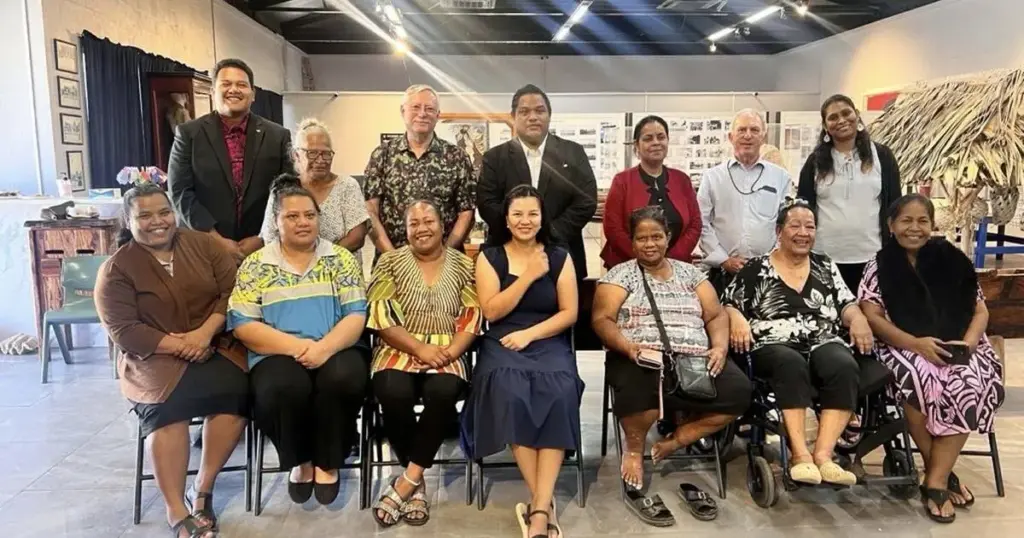
With funding secured, the momentum shifted to domestic stakeholder engagement. In May 2025, Nauru hosted its first high-level national consultation meeting dedicated to the World Heritage Convention. Coordinated domestically and backed by UNESCO, the event served a dual purpose: introducing the core tenets of the Convention to key domestic actors—ranging from tribal elders and local landowners to government ministers—and laying out an operational roadmap for the newly funded International Assistance project. This meeting established a participatory precedent, ensuring that local voices would remain central to the conservation dialogue.
February 2026: The Critical Field Mission
The operational pinnacle of the project occurred in February 2026, underscored by a pivotal seven-day field mission to Nauru. The delegation comprised international heritage experts working in tandem with local custodians from the Naoero Museum and the Department of National Heritage. During this intensive week, specialists conducted exhaustive site inspections across the island, evaluating potential cultural and natural heritage assets. Simultaneously, the expert team convened specialized workshops and focus groups with government agencies, municipal leaders, and community representatives, while undertaking a rigorous legal review of the National Heritage Act and related statutory frameworks.
Mid-2026: Synthesis, Recommendations, and Strategic Workplan
Following the February field mission, the project transitioned into its analytical and synthesis phase. Experts consolidated their findings into a suite of targeted recommendations. These included a formalized assessment of priority heritage sites holding potential for future World Heritage nomination, critical amendments to strengthen national legislation, and the formulation of a draft five-year workplan for heritage conservation. The successful delivery of these deliverables officially marked the completion of Nauru’s first International Assistance project, transitioning the nation from an exploratory phase into a period of strategic execution.
Supporting Context & Metrics: Nauru’s Unique Heritage Ecosystem
To fully comprehend the significance of Nauru’s partnership with UNESCO, one must examine the unique socio-ecological context of the island, along with the specific metrics and structural frameworks governing its heritage initiatives.
The Geographic and Cultural Landscape of Nauru
Spanning a mere 21 square kilometers (8.1 square miles), Nauru is one of the smallest independent republics in the world. Yet, its compact size belies a profound density of historical, geological, and cultural narratives. Historically renowned for its rich phosphate deposits, the island’s interior bears the deep scars of 20th-century mining, creating a stark visual contrast with the verdant coastal fringe where the majority of the population resides.
Nauru’s cultural heritage is deeply intertwined with its traditional social structures, oral histories, and ancient land-use practices. Its natural heritage encompasses fragile marine ecosystems, unique karst formations, and endemic flora and fauna that have adapted to the island’s isolated oceanic environment. However, these assets face compounding threats from climate change, sea-level rise, coastal erosion, and infrastructure development. The intersection of these pressures makes the establishment of a robust heritage management framework an urgent necessity rather than an optional luxury.
Project Implementation Metrics and Structural Framework
The implementation of the International Assistance project relied on a deeply collaborative institutional architecture:
- Lead Implementing Agency: The Naoero Museum, operating under the auspices of the Department of National Heritage.
- International Oversight: The UNESCO World Heritage Centre and the UNESCO Regional Office for the Pacific States in Apia.
- Expert Deployment: A multi-disciplinary team of international heritage conservationists, legal scholars, and site-management specialists.
- Funding Mechanism: The UNESCO World Heritage Fund (International Assistance component).
- Core Deliverables Generated:
- 1 comprehensive assessment report on priority cultural and natural heritage sites.
- 1 targeted legislative review of the National Heritage Act.
- 1 operational five-year national heritage conservation workplan.
- Multiple community consultation workshops and technical training sessions.
Key Pillars of the Five-Year Conservation Workplan
The draft five-year workplan resulting from the project serves as a pragmatic, multi-sectoral blueprint designed to guide Nauru through its next phase of heritage governance. Its core pillars include:
- Systematic Site Documentation: Implementing standardized digital and physical inventories of all known and potential cultural and natural heritage sites across the island.
- Institutional Governance: The formal establishment of a dedicated National Heritage Committee to oversee policy implementation, inter-agency coordination, and future nomination dossiers.
- Legislative Strengthening: Updating and modernizing the National Heritage Act and associated environmental and cultural protection statutes to align with international best practices and enforcement standards.
- Public Awareness and Interpretation: Developing national educational campaigns, signage, and interpretive programs to foster a deeper appreciation of heritage values among the general populace.
- Educational Integration: Embedding heritage conservation principles, local history, and environmental stewardship directly into school curricula.
- Community Engagement: Fostering grassroots partnerships and empowering local landowning communities to act as frontline stewards of their cultural and natural assets.
Official Statements & Institutional Perspectives
The successful culmination of Nauru’s first World Heritage project has elicited strong affirmations from both national authorities and international bodies, underscoring a shared commitment to the long-term preservation of Pacific heritage.
Representatives from the Department of National Heritage emphasized the psychological and cultural turning point the project represents for the island nation. In joint statements reflecting on the collaboration, local officials noted that decades of economic focus on resource extraction had frequently overshadowed the island’s intangible cultural heritage and ecological treasures. "For too long, our national narrative was defined exclusively by what we extracted from the earth," remarked a senior cultural officer involved in the project. "Through this partnership with UNESCO, we are reclaiming our narrative. We are documenting our history, protecting our remaining natural ecosystems, and ensuring that our children understand the true depth of the Nauruan identity."
From the international vantage point, UNESCO leadership has repeatedly lauded Nauru’s rapid progression from accession to active project execution. Officials at the UNESCO Regional Office for the Pacific States in Apia highlighted the unique leadership demonstrated by Nauru among Pacific SIDS.
"Nauru proves that geographic scale is no barrier to profound stewardship," a UNESCO regional representative stated following the conclusion of the February 2026 field mission. "The challenges faced by Pacific Small Island Developing States—ranging from climate vulnerability to rapid socioeconomic shifts—require innovative, community-rooted solutions. Nauru has demonstrated exemplary dedication by moving swiftly from its 2024 accession to the tangible, rigorous execution of this International Assistance project. UNESCO remains unwavering in our commitment to walk alongside the Government and people of Nauru as they transform these strategic recommendations into lasting realities."
Furthermore, international experts who participated in the field mission praised the profound level of civic engagement encountered during community workshops. Specialists noted that despite historical disruptions, the traditional knowledge systems preserved by Nauruan elders provide an invaluable, complementary framework to modern conservation science—a synthesis that heavily informed the final recommendations for the national heritage framework.
Future Outlook: The Road Ahead for Nauru’s Heritage
As the ink dries on the completion reports of Nauru’s first International Assistance project, the Republic stands at a crucial crossroads. The transition from planning to execution will determine whether the momentum generated over the past two years solidifies into enduring structural change.
Navigating Challenges and Seizing Opportunities
Nauru’s journey forward is characterized by a distinct duality of high stakes and immense opportunity. On one hand, the nation faces severe resource limitations, technical capacity gaps, and the escalating existential threats of global climate change. Coastal heritage sites remain acutely vulnerable to rising sea levels and intensifying tropical weather patterns, while interior landscapes continue to require intensive ecological rehabilitation.
Conversely, the opportunities presented by the World Heritage Convention are profound. By establishing a formalized National Heritage Committee and updating its legislative framework, Nauru is creating a transparent, predictable environment for heritage management. This institutional strengthening not only protects domestic treasures but also opens doors to broader international funding streams, academic partnerships, and sustainable ecotourism initiatives that can diversify the island’s economy away from historical mono-industries.
UNESCO’s Ongoing Commitment
Recognizing the delicate nature of this transition, UNESCO has reaffirmed that the completion of this initial project is not an endpoint, but rather a launchpad. Technical cooperation between the World Heritage Centre, the Apia Regional Office, and the Naoero Museum will continue unabated.
Future collaborative phases will likely focus on:
- Providing targeted training for local personnel in site management, conservation techniques, and digital archiving.
- Assisting the newly established National Heritage Committee in drafting management plans for specific high-priority sites identified during the 2026 field mission.
- Facilitating regional peer-to-peer exchanges, allowing Nauruan heritage professionals to share insights and learn from fellow Pacific SIDS navigating similar conservation hurdles.
- Guiding the Republic through the intricate preparatory stages required for eventual formal nomination of sites to the UNESCO World Heritage List.
Conclusion
The successful completion of Nauru’s inaugural International Assistance project is a testament to the power of multilateral cooperation and national resolve. In a remarkably short window—from the halls of UNESCO in July 2024 to the rugged landscapes of the island in February 2026—Nauru has laid a resilient cornerstone for its future. As the nation begins implementing its five-year conservation workplan, it sends a powerful message to the global community: that the heritage of even the smallest island nation is a universal treasure, worthy of rigorous defense, celebration, and preservation for all eternity.