









Executive Overview
The commercial aviation market has experienced a significant pricing shift with the introduction of a competitive airfare sale targeting nonstop routes to and from Ellison Onizuka Kona International Airport at Keāhole (KOA) on the Big Island of Hawaii. This promotion, highlighted by tiered pricing structures from legacy carriers such as American Airlines, underscores the ongoing strategic adjustments airlines are making to balance leisure demand with ancillary revenue capture.
At the center of this pricing update are two distinct fare classes: a standard economy offering priced at $516 and a deeply discounted basic economy fare priced at $386. While headline-grabbing lower rates often dominate consumer attention, a granular examination of these fares reveals vital trade-offs concerning baggage allowances, seat selection privileges, change flexibility, and frequent flyer mileage accumulation. For travelers eyeing a tropical getaway to Hawaii’s scenic western coast, understanding the operational mechanics behind these ticket classes is essential for maximizing value and avoiding unexpected travel friction.
This report provides an in-depth journalistic examination of the Kona airfare sale. It explores the nuances of modern airline fare structures, analyzes the strategic implications for travelers departing from major hubs like Dallas/Fort Worth (DFW), and offers actionable insights on how to navigate booking systems amidst evolving airline policies.

Detailed Chronology: The Evolution of Transpacific Pricing Strategies
To fully appreciate the current $516 standard and $386 basic economy pricing tiers for Kona, one must examine the broader historical evolution of transpacific and domestic US-to-Hawaii airline pricing. Over the past decade, the introduction of basic economy fares by major network carriers radically transformed the booking landscape. Originally deployed to compete directly with ultra-low-cost carriers (ULCCs) on short-haul domestic routes, this unbundled pricing model eventually expanded to long-haul and island-destination routes, including Hawaii.
The Unbundling of Transpacific Travel
Historically, a ticket to Hawaii included a standard bundle of amenities: a checked bag, advance seat assignments, standard legroom, and full mileage earning potential. However, as fuel price volatility and shifting corporate travel demands forced airlines to find alternative revenue streams, carriers began unbundling these features.
- Phase One (Pre-2015): Premium and standard economy products dominated long-haul leisure routes, with minimal fare variance outside of seasonal peaks.
- Phase Two (2015–2019): Major legacy carriers—including American, Delta, and United—introduced basic economy tiers to capture price-sensitive leisure travelers who otherwise might have opted for budget carriers or skipped vacations entirely.
- Phase Three (Post-2020 Recovery): As travel demand surged following global disruptions, airlines refined these tiers, sharpening the restrictions on basic economy while adjusting standard economy pricing to reflect inflationary pressures and rising operating costs.
The current pricing structure for Kona—showcasing a $130 spread between the basic economy option ($386) and the regular economy option ($516)—is a textbook example of modern yield management. Airlines use the lower entry-level price point to capture high search-engine visibility on aggregator sites while steering discerning travelers toward the fully featured standard economy ticket.

Supporting Context & Metrics: Breaking Down the Kona Fares
Analyzing a flight deal requires looking past the initial price tag to evaluate the total cost of ownership for the trip. Below is a detailed breakdown of the two primary fare tiers highlighted in this latest market movement, alongside the metrics that define their utility for the consumer.
1. The Standard Economy Fare ($516)
Priced at $516 for a round-trip nonstop itinerary, the standard economy fare represents a balanced product for the average traveler.
- Baggage Policy: Passengers are permitted one normal-sized carry-on bag and one personal item (such as a backpack or purse) free of charge. Checked bags remain subject to standard carrier baggage fees unless waived via elite status or co-branded credit cards.
- Seat Assignment: Advance seat selection is included at the time of booking, allowing passengers to secure window, aisle, or exit-row configurations without paying ancillary seat selection fees.
- Flexibility & Changes: While subject to the fare rules of the specific ticket class, standard economy tickets generally offer greater flexibility regarding changes or cancellations compared to their unbundled counterparts, often allowing changes for the cost of a fare difference rather than punitive forfeiture.
- Loyalty & Mileage: These fares earn full elite-qualifying miles, redeemable miles, and segment credits based on the airline’s revenue-based loyalty program structure.
2. The Basic Economy Fare ($386)
Priced at $386, the basic economy tier offers a $130 savings upfront, but this discount comes with stringent operational restrictions.

- Seat Assignment Restrictions: Advance seat assignments are strictly prohibited. Seats are typically assigned automatically at check-in, significantly increasing the likelihood of middle-seat placement or party separation for traveling companions.
- Change and Cancellation Policies: Basic economy tickets on major network carriers are notoriously rigid. They generally do not allow for changes, flight modifications, or cancellations once purchased, stripping away the safety net of itinerary flexibility.
- Mileage Accrual: Passengers flying on basic economy tickets earn zero frequent flyer miles or elite status qualifying credits. For frequent travelers calculating their annual loyalty status retention, this represents a hidden opportunity cost.
- Baggage Allowances: While basic economy passengers are still allowed one personal item, overhead bin access policies can vary by carrier, and gate agents rigorously enforce size limits.
Comparative Metric Overview
| Feature / Metric | Standard Economy ($516) | Basic Economy ($386) |
|---|---|---|
| Round-Trip Price | $516 | $386 |
| Price Difference | Baseline | -$130 |
| Carry-On Baggage | Included (1 carry-on + 1 personal item) | Included (subject to carrier overhead rules) |
| Advance Seat Selection | Included at booking | Not allowed (assigned at check-in) |
| Itinerary Changes | Permitted (subject to fare rules/diff) | Strictly prohibited |
| Mileage Earning | Full accrual | Zero miles earned |
Official Industry Perspectives and Market Dynamics
Airline revenue management executives maintain that unbundled fare structures provide consumers with unprecedented choice. By lowering the entry barrier to destinations like Hawaii, airlines stimulate demand during shoulder seasons and fill aircraft cabins that might otherwise fly with empty seats.
Industry analysts, however, often view these pricing strategies through the lens of consumer psychology. The presence of a low "anchor" price ($386) draws price-conscious shoppers into the airline’s direct booking ecosystem or aggregator search results. Once inside the booking funnel, a significant percentage of consumers ultimately trade up to standard economy or purchase ancillary add-ons (such as checked bags and preferred seating), neutralizing the initial savings.
Furthermore, consumer advocacy groups frequently highlight the friction caused by restrictive basic economy rules. Unwary travelers who purchase these tickets without reading the fine print often face steep airport penalties or find themselves unable to alter travel plans when unexpected life events occur. Consequently, travel experts universally recommend performing a comprehensive cost-benefit analysis before selecting the lower-priced tier.

Future Outlook: What Travelers Can Expect Moving Forward
As the aviation sector continues to adapt to shifting economic landscapes, consumer demand for leisure destinations in the Pacific remains remarkably resilient. Airlines are expected to continue deploying tactical, short-duration fare sales to manage capacity on key routes connecting mainland hubs to island destinations like Kona.
Key Trends to Watch:
- Dynamic Pricing Volatility: With advanced algorithmic revenue management systems dictating seat inventory in real-time, promotional fares like the $516 standard / $386 basic economy split are fleeting. Availability can shift within hours based on booking velocity.
- Expansion of Ancillary Services: As basic economy cabins become the baseline for budget-conscious travelers, airlines are exploring further segmentation, introducing specialized fare bundles that include priority boarding, expedited security access, and bundled Wi-Fi packages.
- The Rise of Real-Time Deal Tracking: Given how rapidly airfares fluctuate, travelers are increasingly relying on real-time notification platforms and specialized deal newsletters to capture fleeting promotional windows before inventory is exhausted.
Recommendations for Prospective Travelers
For those looking to capitalize on current or upcoming Kona flight deals, adherence to strategic booking principles is paramount:
- Evaluate Total Trip Costs: Factor in potential baggage fees, seat selection preferences, and the value of missed frequent flyer miles when deciding between basic and standard economy tiers.
- Monitor Itinerary Flexibility: If your travel dates are locked in and you are traveling solo or do not mind random seating, a basic economy fare can yield genuine cash savings. If flexibility is required, the standard economy ticket is a safer investment.
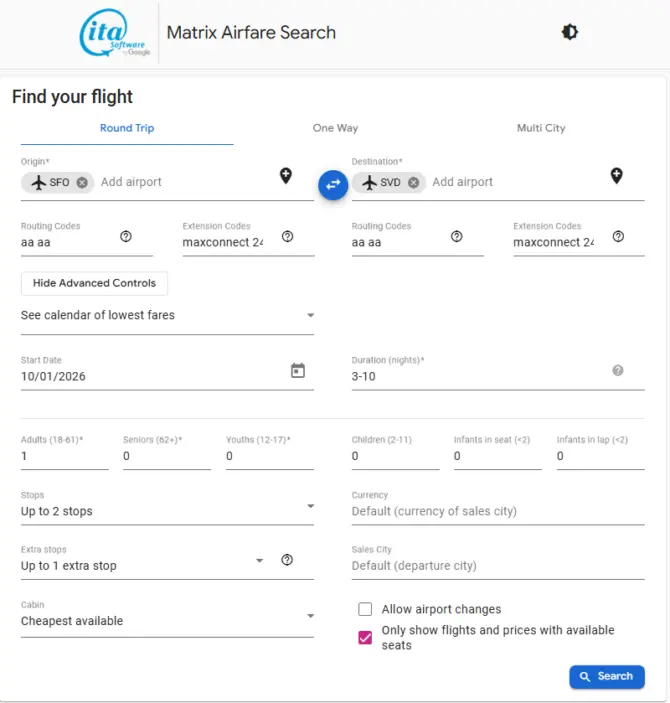
- Utilize Advanced Search Tools: Leverage ITA Matrix, Google Flights, and specialized deal subscription alerts to track historical pricing patterns and secure bookings the moment promotional inventory is loaded into global distribution systems.
By maintaining a rigorous, informed approach to airline ticketing, travelers can successfully navigate these complex pricing structures and secure exceptional value on their next journey to the Hawaiian Islands.