








Executive Overview
Traveling with chronic pediatric health conditions requires a level of logistical precision that can often deter families from exploring the open road. When a child is diagnosed with multiple autoimmune disorders—such as Type 1 Diabetes (T1D) and Celiac Disease—every vacation plan must account for cold-storage medication access, precise carbohydrate counting, sterile equipment management, and rigorous allergen avoidance.
For one mother and her six-year-old daughter, who received a life-altering T1D diagnosis just months after managing a pre-existing Celiac disease regimen, the prospect of a traditional vacation initially felt overwhelming. However, by utilizing an RV rental marketplace, the family discovered an empowering travel paradigm. This case study explores the intersection of chronic illness management and outdoor leisure, highlighting how mobile accommodations provide the controlled environment, kitchen space, and medical supply storage necessary to transform a daunting getaway into a safe, liberating family adventure.
Detailed Chronology: Adapting to Dual Autoimmune Realities
The family’s medical journey began years prior to their recent road trip when their daughter was diagnosed with Celiac Disease. For families navigating Celiac, the condition is frequently misunderstood as a trendy dietary preference rather than what it truly is: a severe autoimmune disorder. Ingesting even microscopic traces of gluten triggers an immune-mediated attack on the small intestine, flattening the delicate villi responsible for nutrient absorption. This malabsorption can lead to severe gastrointestinal distress, malnutrition, and long-term developmental complications. For this young girl, safety meant absolute elimination of wheat, barley, and rye from her diet.
Just a couple of months prior to their RV excursion, a second, more acute medical challenge emerged: a diagnosis of Type 1 Diabetes. Unlike Type 2 diabetes, which is heavily influenced by lifestyle and dietary factors, Type 1 is an autoimmune condition in which the body’s immune system mistakenly targets and destroys the insulin-producing beta cells in the pancreas. Without insulin—the critical hormone required to shuttle glucose from the bloodstream into cells for cellular energy—blood sugar levels spike dangerously, creating a medical emergency.
Following her T1D diagnosis, the six-year-old’s daily existence instantly pivoted to a regimen of medical interventions. To stay alive, she now requires a continuous delivery of insulin via an automated pump, supplemented by precise, carbohydrate-calculated bolus doses around every meal and snack.
Faced with the convergence of these two distinct autoimmune conditions, the family’s approach to travel required a complete overhaul. Packing for a vacation no longer meant simply throwing clothes into a suitcase; it demanded a meticulously curated medical inventory, temperature-controlled storage, and an entirely separate, cross-contamination-free pantry.
Supporting Context & Metrics: The Autoimmune Connection and Travel Logistics
The coexistence of Type 1 Diabetes and Celiac Disease is not a statistical anomaly. Medical literature underscores a profound immunological link between various autoimmune disorders.
According to data compiled by the University of Florida Diabetes Institute, approximately 3.5% to 10% of individuals diagnosed with Celiac Disease eventually develop Type 1 Diabetes, and vice versa. Furthermore, observational studies published by the National Library of Medicine indicate that the baseline risk of developing Type 1 diabetes is significantly elevated in individuals who already manage Celiac disease or autoimmune thyroid disorders compared to the general pediatric population.
This medical reality means that a subset of families must simultaneously manage two complex, lifelong protocols while away from the safety net of their home kitchen and local pharmacy.
The Medical Inventory of Travel
Packing for a child with Type 1 Diabetes involves a staggering array of single-use devices, backups, and specialized tools. A comprehensive travel checklist for T1D management typically includes:
- Insulin Management: Vials or cartridges of rapid-acting insulin (which must be maintained at safe, refrigerated temperatures), insulin pump supplies (infusion sets, reservoirs, and insertion devices), or backup long-acting and rapid-acting pens with pen needles.
- Blood Glucose Monitoring: A continuous glucose monitor (CGM) system, extra CGM sensors and over-patch adhesives, a traditional blood glucose meter, test strips, lancing devices, and sterile lancets.
- Hygiene and Skin Care: Alcohol wipes, skin-prep barrier wipes, adhesive remover pads, and specialized medical-grade or child-friendly adhesive bandages.
- Emergency Interventions: Fast-acting glucose rescue tablets, gel tubes, or glucagon emergency kits for severe hypoglycemic episodes.
- Precision Tools: A portable digital food scale to accurately weigh and calculate carbohydrate intake for meal dosing.
Because insulin pumps must generally be changed every three days and CGMs every ten days—and because devices can occasionally fail, malfunction, or be accidentally dislodged during active play—travelers must pack deep safety margins. Furthermore, finding child-friendly medical supplies, right down to fun adhesive bandages featuring animals or cartoon characters, plays an important psychological role in helping a six-year-old accept her daily medical routines.
Official Statements and Expert Insights
Medical advocacy organizations emphasize that while chronic conditions demand vigilance, they should never become a barrier to living a full, exploratory life. Experts from major health networks advocate for proactive planning rather than restriction.
"A diagnosis of Type 1 Diabetes or Celiac Disease alters daily routines, but it does not close the door on the world. With proper preparation, reliable backup supplies, and open communication with care teams, families can successfully navigate travel, school events, and outdoor adventures just like anyone else." — Pediatric Endocrinology Advisory Council
Organizations such as Breakthrough T1D (formerly JDRF) and the Celiac Disease Foundation provide comprehensive toolkits designed specifically to assist families in transit. These guides emphasize the importance of carrying physician letters for airport security, maintaining clear logs of insulin requirements across changing time zones, and establishing emergency protocols with travel companions or camp operators.
Moreover, hospitality and travel sector analysts note a rising demand for "controlled-environment travel." For families whose children require strict dietary isolation and reliable refrigeration for biologics or hormones, standard hotel rooms with shared mini-fridges often introduce unacceptable risks of cross-contamination or power failure. This structural limitation has driven many families toward alternative lodging options, chief among them being recreational vehicles.
The RV Solution: Redefining Freedom for Medical Travelers
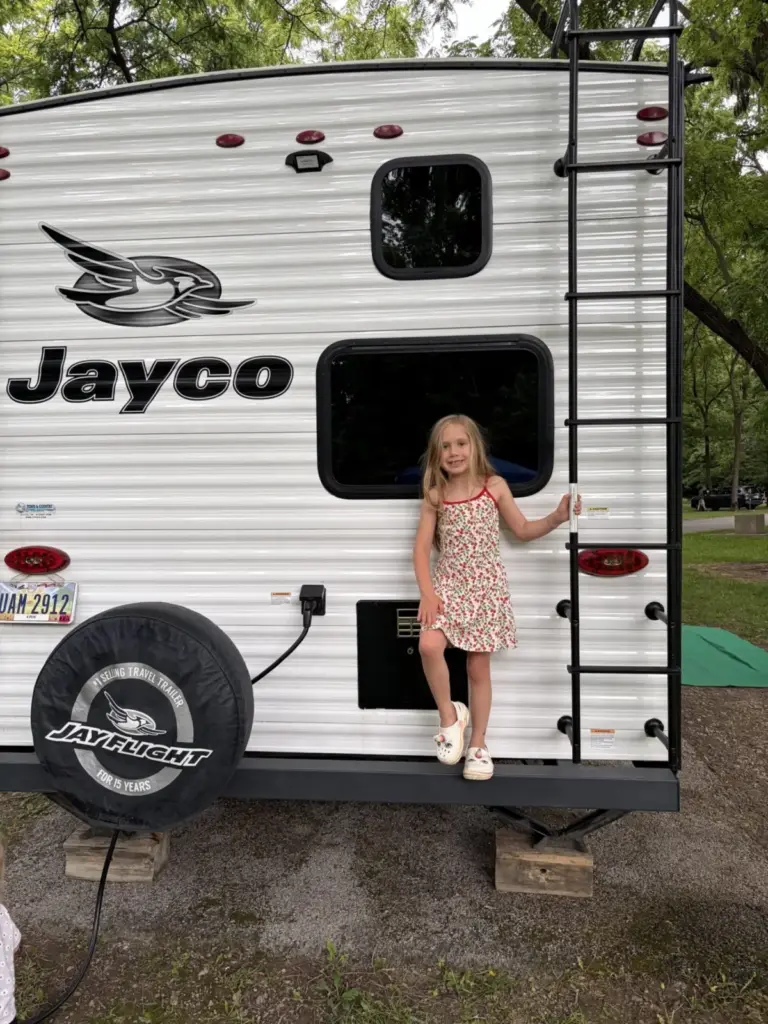
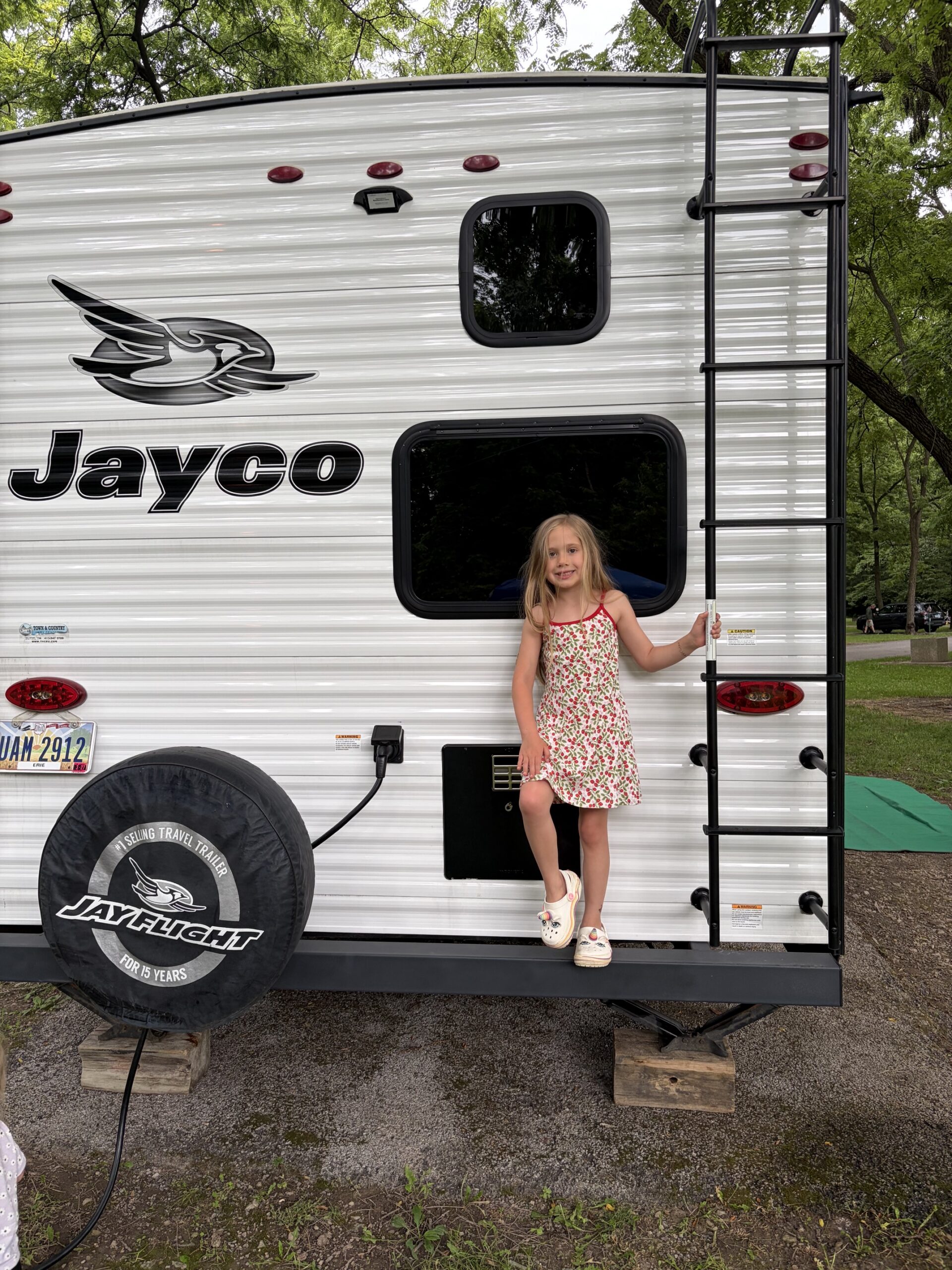
Faced with the prospect of packing a massive medical inventory alongside gluten-free provisions, the family turned to an unconventional travel solution facilitated by the workplace rental platform, RVshare.
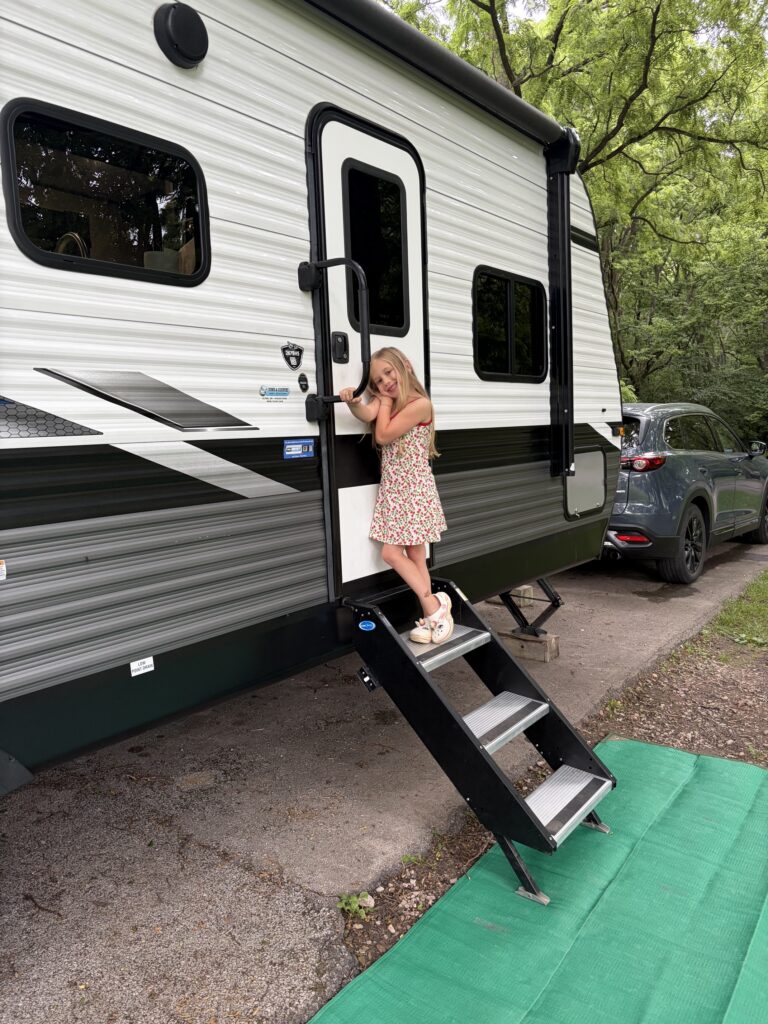
RV travel fundamentally alters the dynamics of managing pediatric chronic illness on the road. Rather than relying on restaurant kitchens—where gluten cross-contamination in fryers or prep stations poses a constant hazard—an RV provides a fully functional, dedicated mobile kitchen. This allowed the family to pack a food scale, prep safe meals from scratch, and maintain an absolute quarantine against gluten exposure.
Additionally, the transition to RV travel solved the critical challenge of medical supply storage and power reliability:
- Guaranteed Refrigeration: Insulin loses its efficacy if exposed to extreme heat or allowed to freeze. Modern RV refrigerators run reliably on propane or electric hookups, ensuring that emergency and daily insulin supplies remained at optimal temperatures throughout the trip.
- Ample Storage Space: Unlike cramped airline carry-ons or packed car trunks, an RV offers generous cabinetry and bin space. The family could easily organize a dedicated "Diabetes To-Go Kit" alongside backups of infusion sets, lancets, and skin barriers without sacrificing personal luggage space.
- Controlled Environment and Proximity: By choosing a scenic and amenity-rich destination—such as East Harbor State Park in Ohio—the family enjoyed an immersive outdoor experience (complete with campfires, walking trails, and playgrounds) while remaining within a short driving distance of major medical facilities if an unexpected emergency arose.
- Delivery and Setup Convenience: For families intimidated by the mechanics of towing or driving a large motorhome, peer-to-peer rental marketplaces allow renters to arrange drop-off service. Owners can deliver the RV directly to a campsite, fully hooked up with running water, crisp air conditioning, and a pre-cooled refrigerator ready for immediate loading.
Future Outlook: Expanding Horizons and Empowering Others
The successful execution of this initial RV trip served as a profound psychological milestone for the family. While international travel or commercial flights remain future milestones, conquering the learning curve of a mobile vacation proved that chronic illness does not have to dictate the boundaries of a family’s world.
As medical technology continues to advance—with closed-loop artificial pancreas systems, smarter CGMs, and increasingly compact delivery mechanisms—the physical burden of managing Type 1 Diabetes is steadily decreasing. Concurrently, public awareness regarding Celiac Disease and gluten-free dietary needs is forcing the hospitality and travel industries to adopt safer, more transparent standards.
For families standing at the beginning of a complex medical journey, the collective message from experienced parents and healthcare advocates is clear: preparation breeds confidence. Whether through utilizing specialized RV rentals to maintain absolute control over food safety and medical storage, or leveraging digital resources from organizations like Beyond Type 1 and the National Celiac Association, adventure remains entirely within reach.
By reclaiming the open road on their own terms, families are proving that chronic conditions can be successfully integrated into an active, joyful life—one carefully calculated meal, safe insulin dose, and outdoor memory at a time.