

Executive Overview
Nestled in the sun-drenched heel of the Italian boot, the Salento area of Puglia has steadily evolved from an undiscovered Mediterranean secret into one of Europe’s most coveted travel destinations. Renowned for its crystalline coastlines, architectural marvels, and an unhurried lifestyle, this southern sub-region offers a compelling alternative to the bustling tourist hubs of Tuscany and the Amalfi Coast. While the early luxury tourism wave in Puglia was defined by rural masserie—historic fortified farmhouses nestled deep within the countryside—a modern renaissance is quietly taking shape.
Discerning travelers are increasingly bypassing isolated countryside retreats in favor of intimate, design-forward accommodations embedded within historic town centers. This shift allows visitors to engage directly with the authentic rhythms of local life. Towns like Nardò and Galatina, situated within easy reach of the regional capital of Lecce, serve as prime cultural anchors. Here, magnificent 17th- and 18th-century palazzi (grand urban mansions) have undergone meticulous restorations, transforming into elite boutique hotels, bed-and-breakfasts, and self-catering residences.
This article explores the architectural transformation of Salento’s historic towns, the distinct hospitality models championed by visionary property owners, and the burgeoning real estate market that invites travelers to transition from temporary guests to permanent stakeholders in this southern Italian paradise.
Detailed Chronology: The Evolution of Salento’s Luxury Hospitality
Phase I: The Rise of the Rural Masseria
For decades, the luxury tourism narrative in Puglia was synonymous with the masseria. Originally built as fortified agricultural estates to protect landowners and workers from invading pirates and bandits, these sprawling stone complexes lay dormant for much of the 20th century. In the late 1990s and early 2000s, visionary hoteliers recognized the romantic appeal of these rustic yet structurally imposing structures.
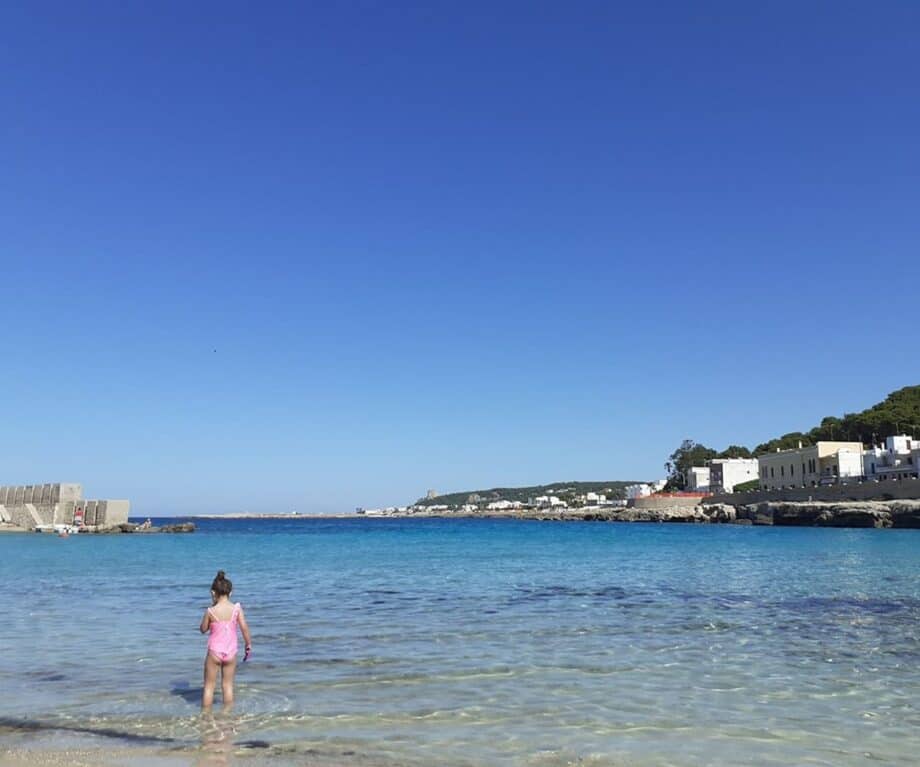
Masserie were systematically rescued from decay, converted into high-end hotels featuring secluded swimming pools, sprawling olive groves, and wellness spas. While these rural sanctuaries remain immensely popular during peak summer months—offering a private oasis away from crowded beaches—they can inadvertently isolate visitors from the vibrant social fabric of local towns. Furthermore, during the high summer season, navigating the region’s rural roads and packed coastal spots often demands patience and a reliable rental car.
Phase II: The Urban Renaissance and the Boutique Palazzi
Recognizing the limitations of seasonal, rural-centric tourism, a new wave of hoteliers and international investors began looking inward, toward the centri storici (historic centers) of Salento’s towns. Nardò and Galatina emerged as epicenters of this urban hospitality movement.
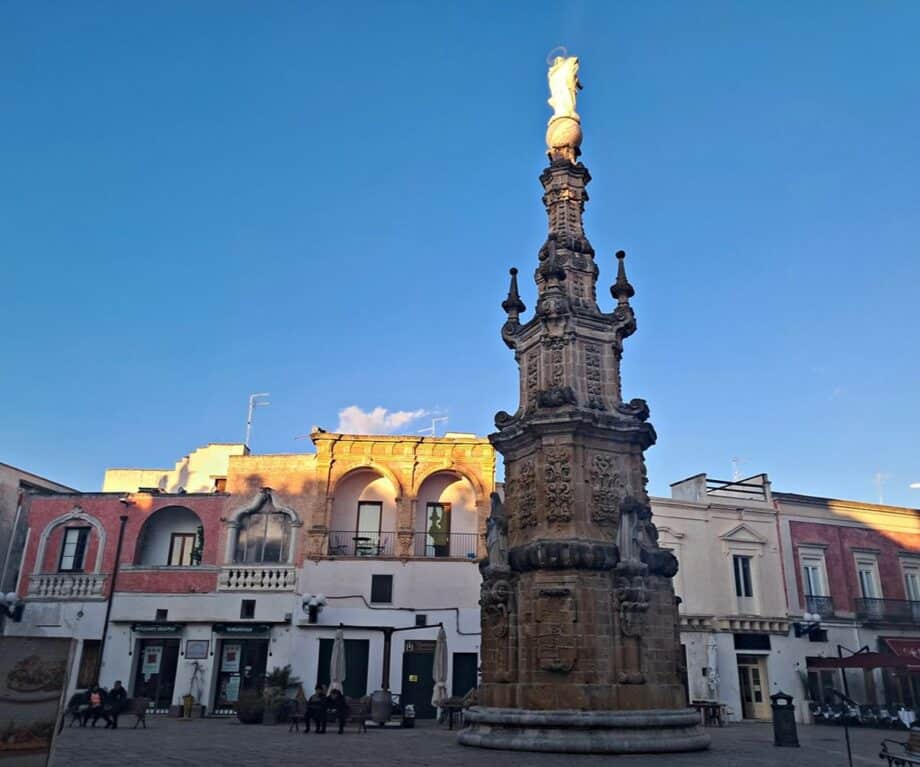
Unlike the seasonal dormancy of purely coastal settlements, vibrant towns like Nardò maintain a thriving year-round community. By selecting a base within a historic town near the coast, travelers gain immediate access to a robust ecosystem of restaurants, cafes, and bustling piazzas that remain operational twelve months a year. This urban model eliminates the absolute necessity of a car for short breaks, allowing visitors to immerse themselves fully in the daily rituals of Italian life—such as la passeggiata (the evening stroll) and morning espresso in the main square.
Supporting Context & Metrics: Cultural Geography and Property Markets
Decoding Salento: Nardò vs. Galatina
To understand the architectural and cultural landscape of Salento, one must examine the distinct characters of its primary towns:
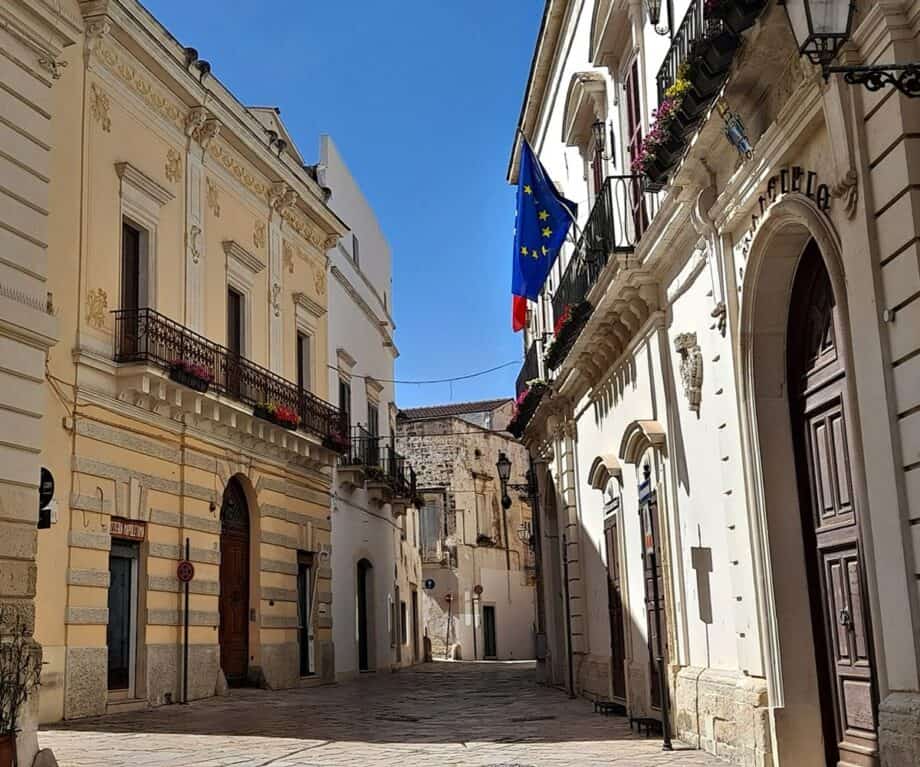
- Nardò: Boasting a larger total population due to its sprawling territory that extends down to a breathtaking stretch of Ionian coastline (just a 10-minute drive from the town center), Nardò is an architectural jewel. Its heart is the breathtaking Piazza Salandra, a masterpiece of Baroque urban design. Nardò strikes a delicate balance between urban sophistication and seaside accessibility.
- Galatina: While Nardò extends broadly toward the sea, Galatina’s centro storico is arguably grander and more concentrated. It is celebrated globally for the Basilica di Santa Caterina d’Alessandria, a 14th-century Franciscan sanctuary whose walls, vaults, and pillars are completely covered in vibrant, narrative-driven frescoes that rival those of Assisi.
The Hospitality Paradigm Shift: Formal Training vs. Intuitive Service
The burgeoning boutique hotel sector in Salento challenges traditional hospitality paradigms. While 5-star luxury resorts often rely on rigid, formal training protocols derived from corporate hospitality models, the most successful independent palazzo owners in Puglia champion a deeply personal, intuitive approach to guest relations.
In these boutique environments, service is defined not by rigid scripts, but by anticipatory care. Hosts like Vanessa Miner of Nardò House or Sophie and Laurent Mencherini of Palazzo Galluccio operate on the principle of treating guests as visiting friends. This philosophy translates into bespoke experiences: sourcing a forgotten phone charger within minutes via WhatsApp, curating private dinner parties to integrate foreign property hunters with local residents, or organizing impromptu cooking classes and on-site wellness treatments.
The Salento Real Estate Investment Landscape
Beyond tourism, Salento’s historic towns have become magnets for international real estate investment. The market offers a unique window for buyers seeking to acquire and restore historic palazzi. Recent market listings illustrate the viability and financial scope of such investments:
- Palazzo Andriani (Galatina): Spanning approximately 550 square meters, this property represents a turnkey investment. Fully restored to exceptionally high standards, it features three interconnected one-bedroom apartments and a vast ground-floor open space suitable for further commercial or residential development. It is currently valued at €1,350,000.
- Palazzo Siciliani (Galatina): For investors seeking a visionary project, this 550-square-meter 17th-century palazzo features original period details and a panoramic roof terrace. Priced attractively at €350,000 for a rapid sale, the property is structurally sound. Industry projections estimate that total restoration costs would keep the finished investment under €1,000,000, ultimately yielding six bedrooms or three independent apartments complete with private outdoor spaces and rare historic center garages.
Official Statements & Vignettes: Inside Salento’s Premier Boutique Stays
Nardò House: A Masterclass in Rooftop Sophistication
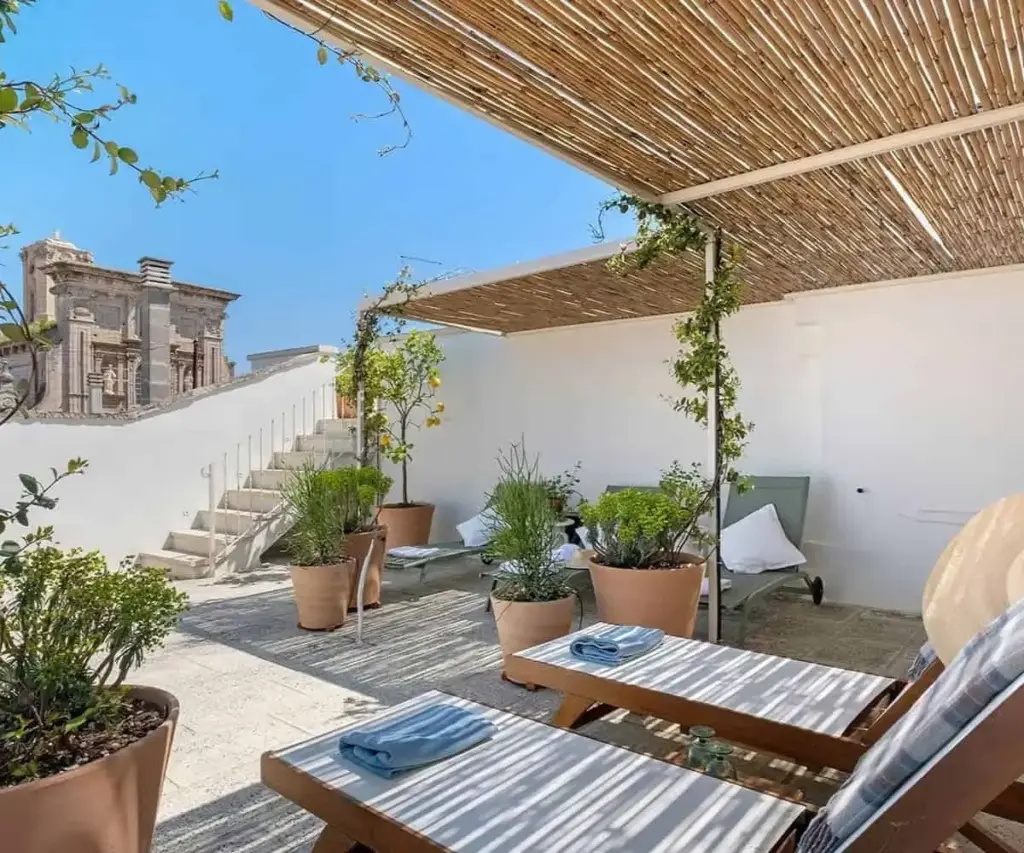
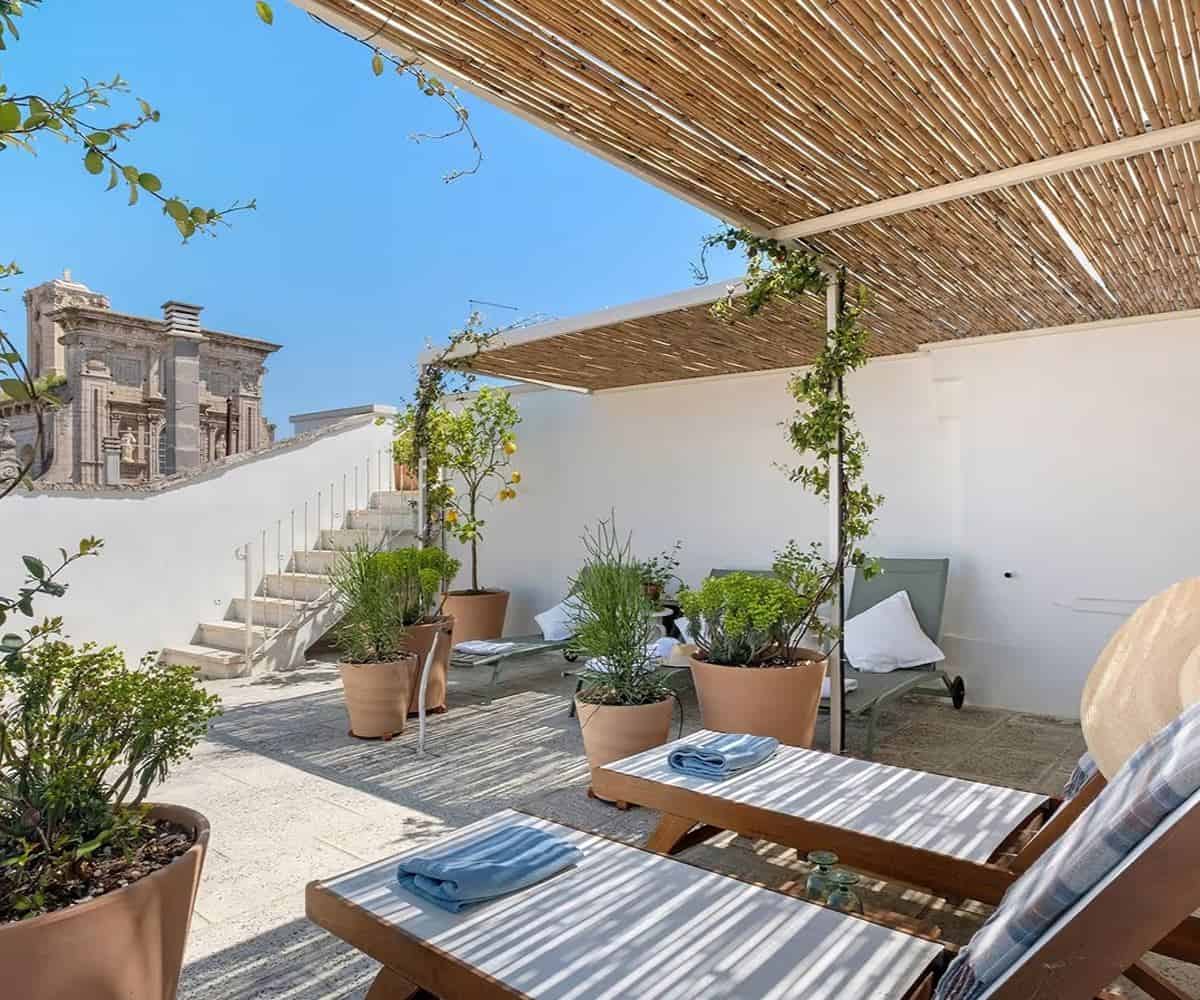
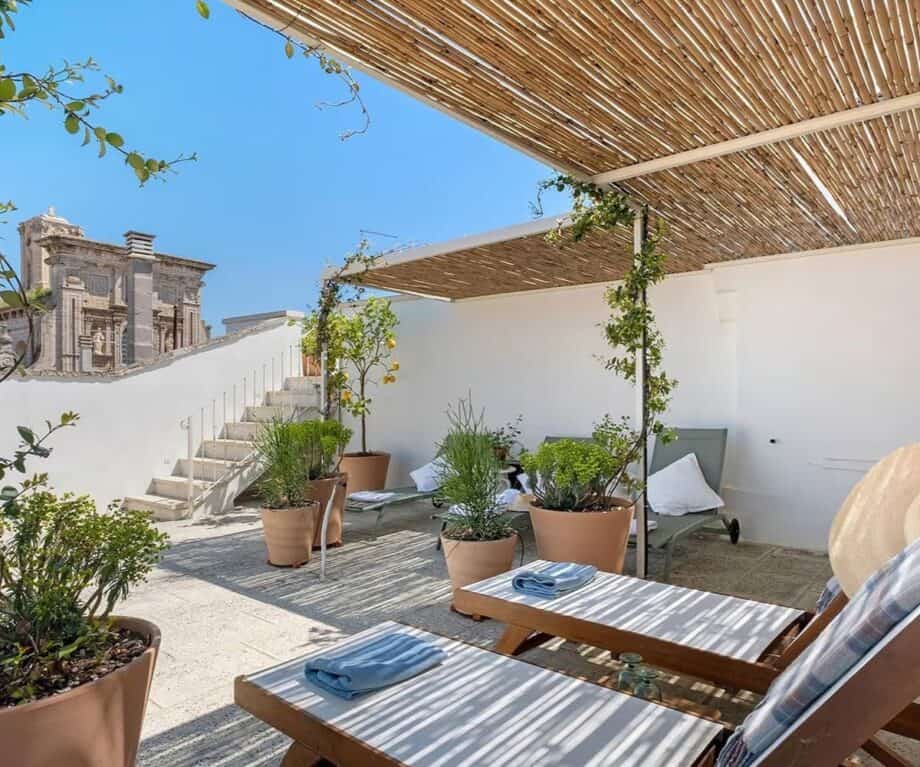
At Nardò House, Vanessa Miner has crafted an intimate hospitality model consisting of five meticulously designed bedroom suites. These can be booked individually or configured as private self-catering apartments. The crowning architectural achievement of the property is its lushly planted roof terrace, which offers panoramic views over the historic rooftops of Nardò.
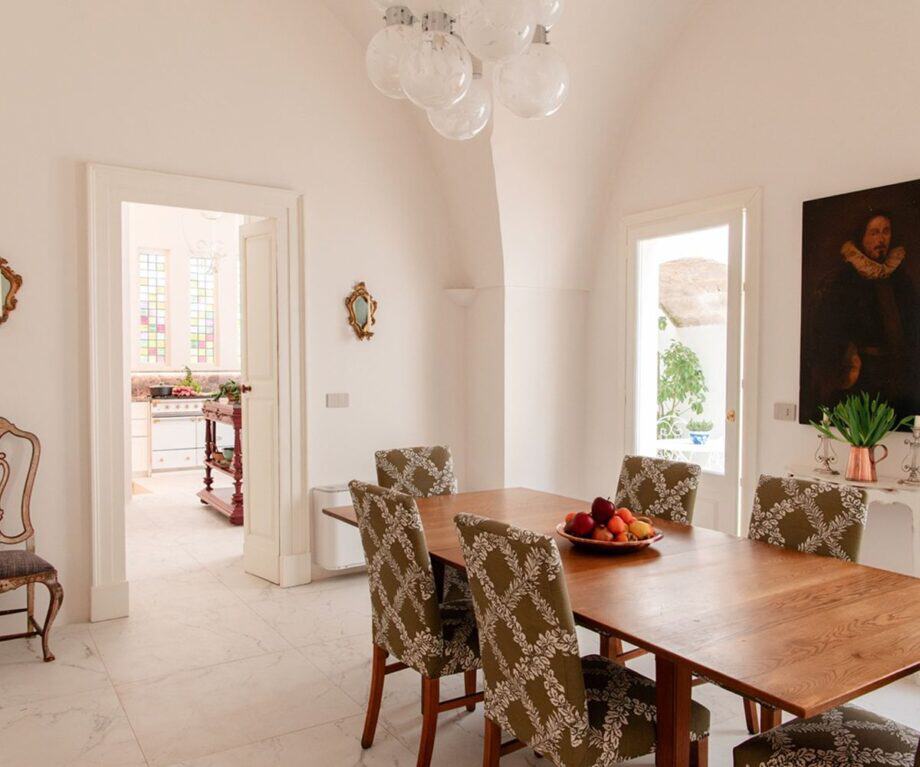
"Curling up on the comfortable seating with a bottle of local red wine and nibbles while watching the sun set over the church of San Domenico is an unmissable experience," notes travel observer Caroline Edwards.
Miner’s commitment to inclusivity and meticulous event execution is evident throughout the property. Featuring complete wheelchair accessibility in one of the apartments, along with a modern elevator connecting all floors and the roof terrace, Nardò House accommodates multi-generational family gatherings with ease. The estate has successfully hosted wedding receptions for up to 100 guests utilizing surrounding accommodations, proving that historic town properties can seamlessly merge ancient charm with modern logistical versatility. Furthermore, the property curates specialized short breaks tailored specifically for solo female travelers and groups of friends during the shoulder seasons of October, November, March, and April.
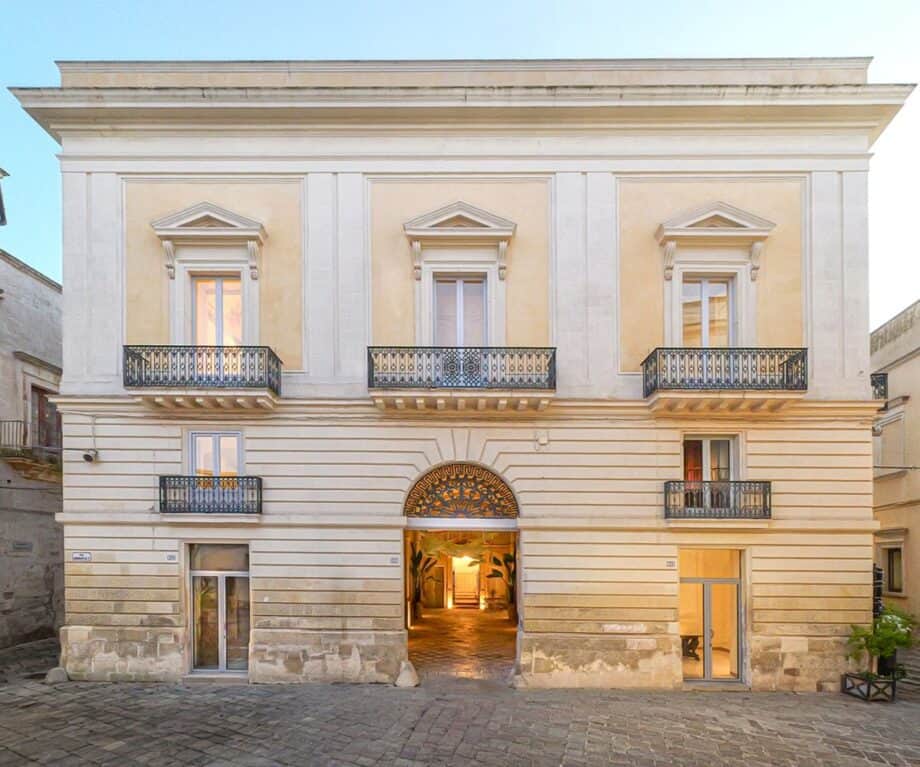
Palazzo Galluccio: A Sanctuary of Quiet Luxury in Galatina
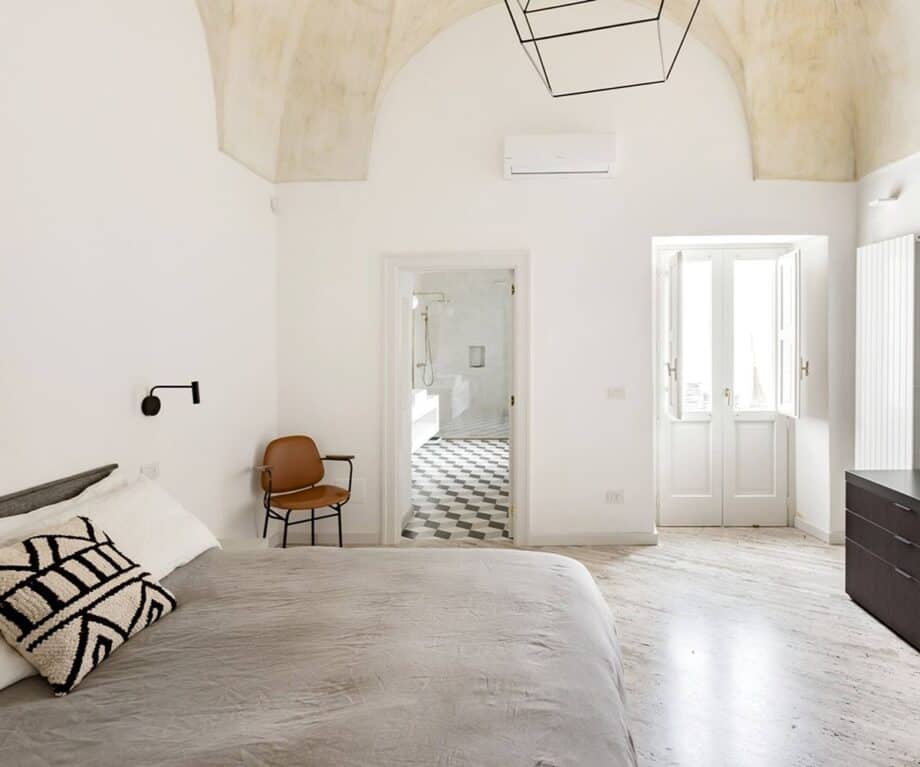
Opening its doors nearly opposite the Basilica di Santa Caterina d’Alessandria, Palazzo Galluccio represents a three-year labor of love spearheaded by proprietors Sophie and Laurent Mencherini. The restoration honors the building’s historical integrity, preserving vaulted, cobblestoned courtyards and soaring frescoed ceilings while introducing minimalist, contemporary furnishings and sleek, modern bathrooms.
Guest experience at Palazzo Galluccio is defined by subtle, high-touch details:
- Bedrooms feature breathtaking historical frescoes positioned directly above the beds.
- Mini-fridges are thoughtfully stocked with chilled flutes and bottles of premium Prosecco upon arrival.
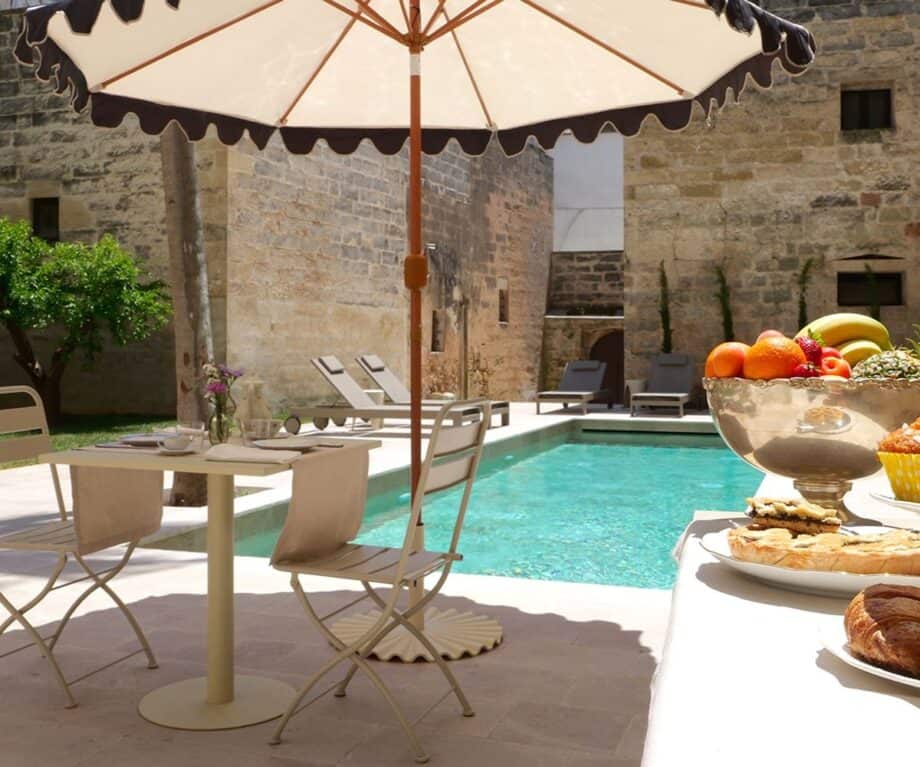
- The property’s pièce de résistance is its walled garden, complete with a swimming pool designed for actual aquatic exercise rather than mere immersion. The garden’s strategic orientation ensures morning sunlight and afternoon shade, creating a private microclimate of absolute tranquility despite its central urban location.
"When I stayed, breakfast was also served in the garden. I loved that Sophie asked me what I would like (fruit, coffee, and a pastry) and got the impression that whatever I wanted would have magically appeared," Edwards observes.
Future Outlook: The Year-Round Appeal of Salento
As international travel trends pivot away from hyper-commercialized, seasonal hotspots toward immersive, culturally grounded destinations, Salento is uniquely positioned to thrive. The region’s future lies in its ability to market itself not merely as a summer beach escape, but as a vibrant year-round cultural ecosystem.
The proliferation of design-conscious boutique accommodations in towns like Nardò and Galatina signals a permanent maturation of Puglia’s tourism sector. By emphasizing authentic human connection, architectural preservation, and slow living, properties like Nardò House and Palazzo Galluccio set a new benchmark for Mediterranean hospitality. Whether visiting for a winter weekend of culinary exploration, a spring architectural tour, or investing in a centuries-old palazzo to call one’s own, travelers and investors alike will find that Salento’s greatest luxury is its timeless, welcoming soul.