









Executive Overview
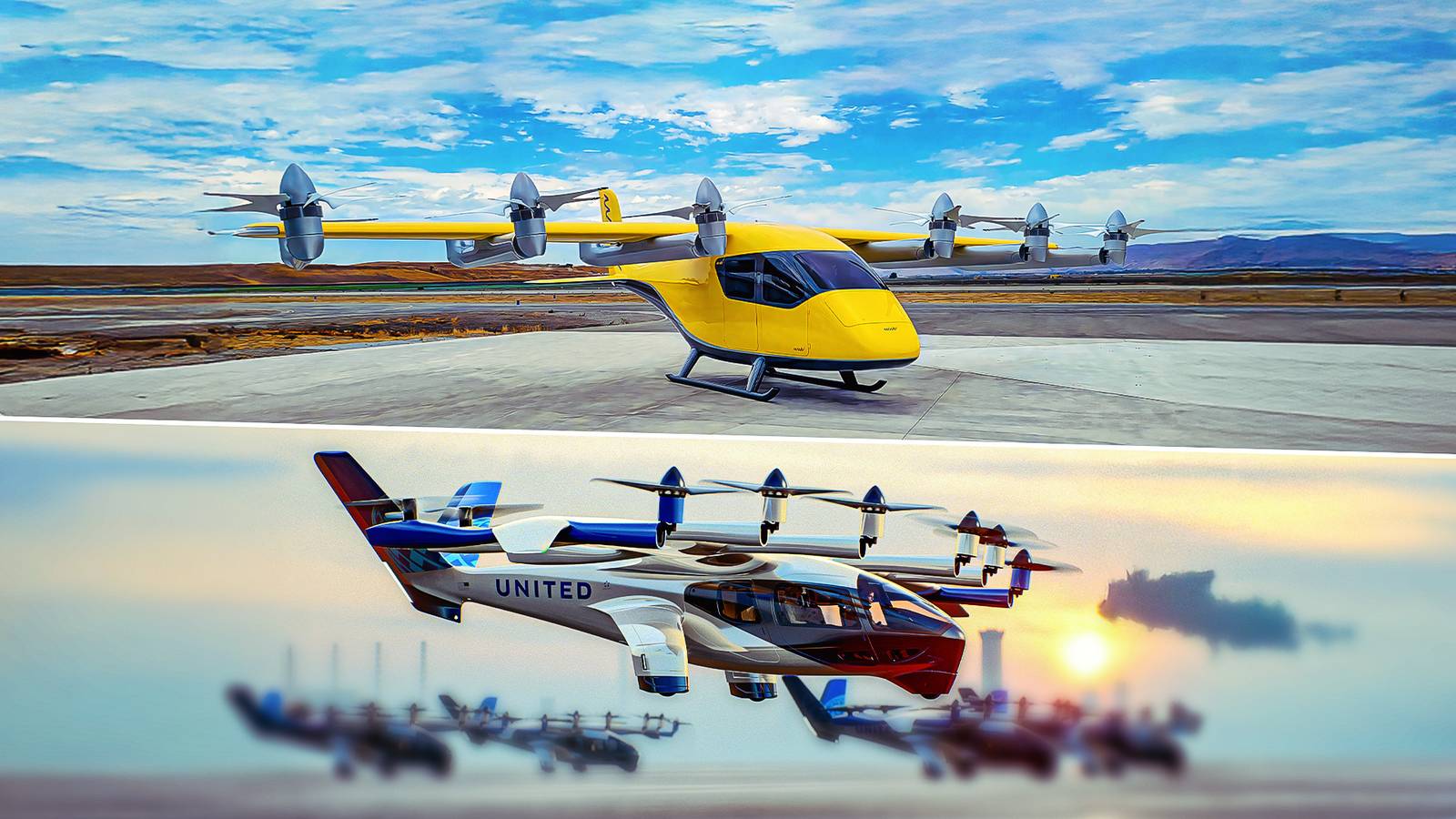
In a watershed development for the aerospace and defense sectors, Archer Aviation announced an all-stock transaction in August 2026 to acquire three prominent subsidiaries from Boeing: Wisk Aero, SkyGrid, and Insitu. This blockbuster deal consolidates major autonomous flight operations under Archer’s corporate umbrella and involves the joint construction of a unified "physical AI" platform tailored for both commercial aerospace and military defense applications.
For Archer Aviation, the agreement represents an unprecedented expansion of its technological capabilities and revenue-generating potential. By absorbing Insitu—a defense contractor pulling in an estimated $200 million in annual revenue—Archer gains a stabilizing financial counterweight to offset its ongoing cash burn, which included a staggering Q2 loss of $263.2 million. Furthermore, acquiring Wisk Aero completely neutralizes a historic rival while instantly incorporating a pioneer in electric vertical takeoff and landing (eVTOL) technology boasting 16 years of flight-testing history across six aircraft generations.
Conversely, the transaction can be interpreted as a strategic retreat by Boeing. Grappling with ongoing financial and structural crises surrounding its core commercial manufacturing programs—particularly the 737 MAX and 777X lines—Boeing is actively divesting non-core assets to fortify its balance sheet and protect its investment-grade credit rating. This divestment follows closely on the heels of the company’s $10.55 billion sale of its Digital Aviation Solutions portfolio (including Jeppesen, ForeFlight, AerData, and OzRunways) to private equity firm Thoma Bravo late last year.
Rather than walking away empty-handed, however, Boeing has secured a substantial 19.75% equity stake in Archer Aviation, a coveted seat on Archer’s board of directors, and two $100 million share purchase warrants. Furthermore, the deal establishes a collaborative pipeline wherein Boeing will contribute proprietary data from over two million flight hours to train Archer’s upcoming AI architecture.
Detailed Chronology of the Deal and Past Rivalries
To understand the magnitude of the August 2026 agreement, one must examine the turbulent history shared by the primary corporate players. For years, Wisk Aero and Archer Aviation operated as fierce adversaries in the nascent urban air mobility market.
The Legal Battles of 2021
The friction between the two entities reached a boiling point in April 2021, when Wisk Aero filed a high-profile federal lawsuit against Archer Aviation. Wisk accused its competitor of the "brazen theft" of proprietary intellectual property. The core of the legal challenge centered on Archer’s initial aircraft design, which Wisk argued bore an uncanny, infringing resemblance to its own patented configurations.
Wisk’s legal team further alleged that roughly ten former Wisk engineers who transitioned to Archer had illicitly downloaded thousands of confidential files prior to their departure. These documents allegedly contained proprietary data regarding aircraft propulsion, power management systems, avionics, flight control architectures, and advanced manufacturing methodologies. In response, Archer fired back with a retaliatory countersuit seeking upwards of $1 billion in damages, setting the stage for what many industry analysts expected to be a prolonged, bitter legal war.
The Unlikely Truce
Remarkably, the adversarial relationship dissolved into strategic cooperation through an unexpected settlement. Instead of bleeding capital in court, Archer agreed to designate Wisk as an exclusive provider of autonomous flight technology for its fleet. As part of that historic truce, Wisk was granted the option to acquire more than 13 million shares of common stock in Archer at a nominal price of $0.01 per share.

That foundational compromise paved the way for Boeing—which gradually increased its ownership stake in Wisk until it held sole control—to orchestrate the multi-subsidiary transfer finalized in August 2026. What began as a bitter intellectual property dispute has ultimately culminated in a total corporate integration.
Supporting Context, Asset Breakdowns, and Financial Metrics
The 2026 transaction involves three distinct corporate entities that collectively span commercial air mobility, airspace integration, and military unmanned systems.
1. Wisk Aero
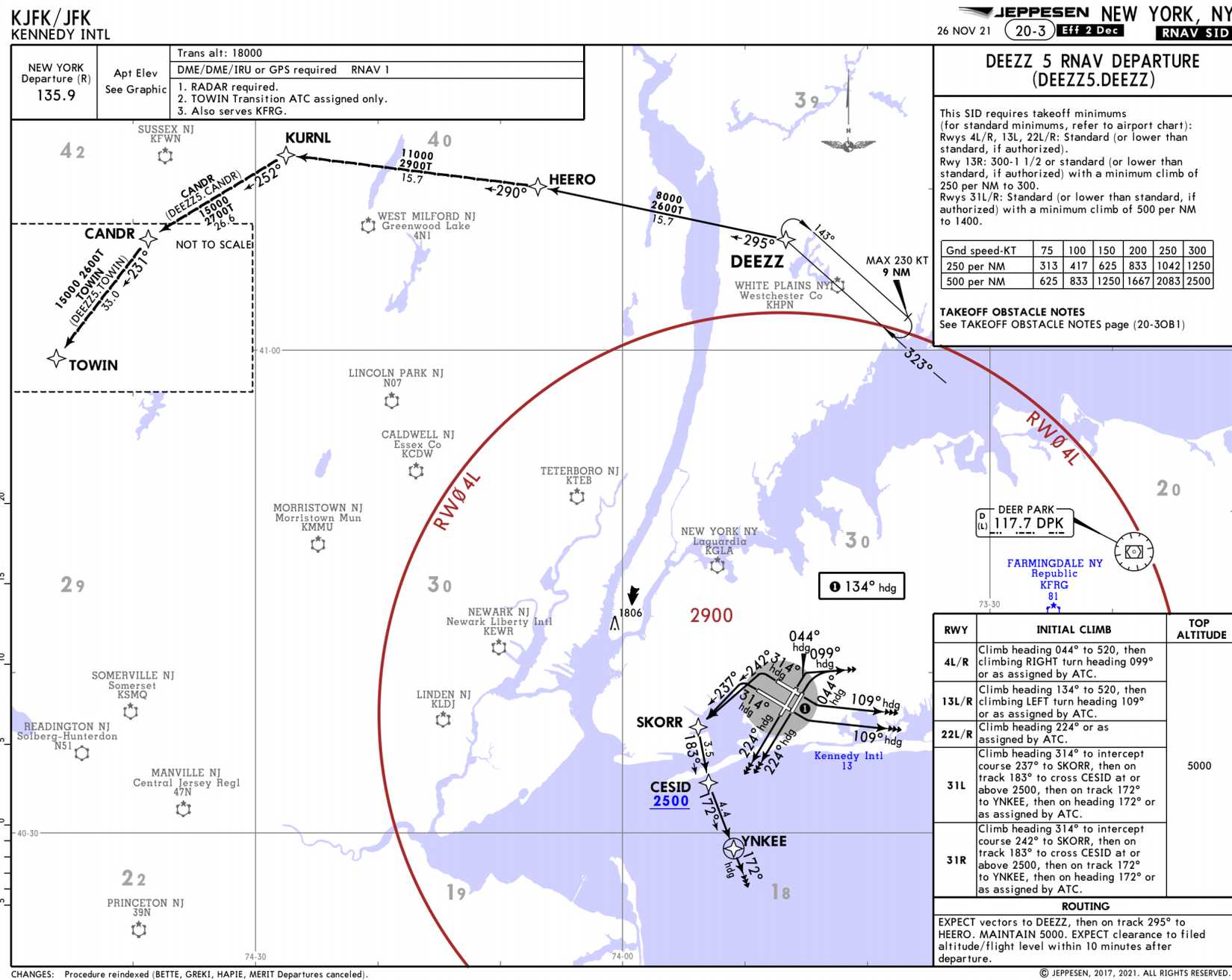
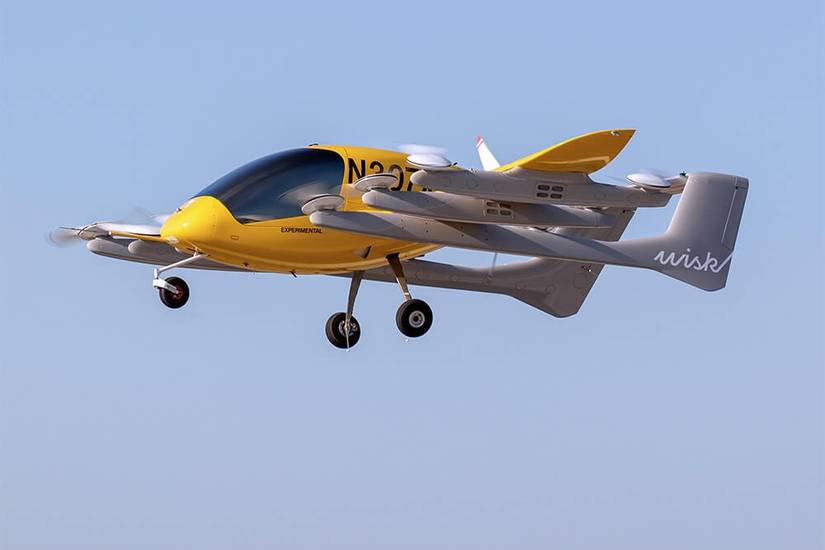
Positioned historically as a direct rival to Archer, Wisk bills itself as the creator of the world’s first four-passenger autonomous air taxi. Over a 16-year operational history, Wisk has cycled through six generations of eVTOL aircraft, accumulating more than 1,750 test flights. Its autonomous pedigree offers Archer a massive technological leap forward, eliminating the need to build an uncrewed flight control system from scratch.
2. Insitu
While Wisk represents speculative future mobility, Insitu provides an immediate, highly profitable defense drone business. Specializing in surveillance and reconnaissance platforms for military clients across 35 nations, Insitu has manufactured over 3,500 units to date and generates roughly $200 million in annual revenue.

A prime example of Insitu’s engineering prowess is the RQ-21 Blackjack (also known as the Integrator), a tactical unmanned air system (STUAS) deployed by global military forces.
| Specification | Boeing Insitu RQ-21 Blackjack / Integrator |
|---|---|
| System Type | Small Tactical Unmanned Air System (STUAS) |
| Maximum Takeoff Weight | 134 lb (61 kg) |
| Wingspan | 16 feet (4.9 meters) |
| Powerplant | 1 × EFI Piston Engine, 8 hp (6.0 kW) |
| Cruising Speed | 63 mph (100 km/h) |
| Endurance | 16 hours |
| Notable Operators | United States Navy, Australian Army and Navy, Polish Land/Special Forces, Canadian Army and Navy |
3. SkyGrid
Rounding out the trio is SkyGrid, a software venture designed to navigate the complexities of modern airspace. SkyGrid’s core mission revolves around safely integrating advanced air mobility (AAM) and highly automated aircraft into shared, congested airspace currently dominated by crewed commercial and general aviation traffic.
The Broader Divestment Trend: The Thoma Bravo Deal
The transfer of Wisk, Insitu, and SkyGrid to Archer is not an isolated event; rather, it reflects a broader corporate restructuring strategy enacted by Boeing leadership. In November of the preceding year, Boeing completed a massive $10.55 billion asset sale of its Digital Aviation Solutions business to private equity firm Thoma Bravo.
That transaction stripped away four foundational software companies:
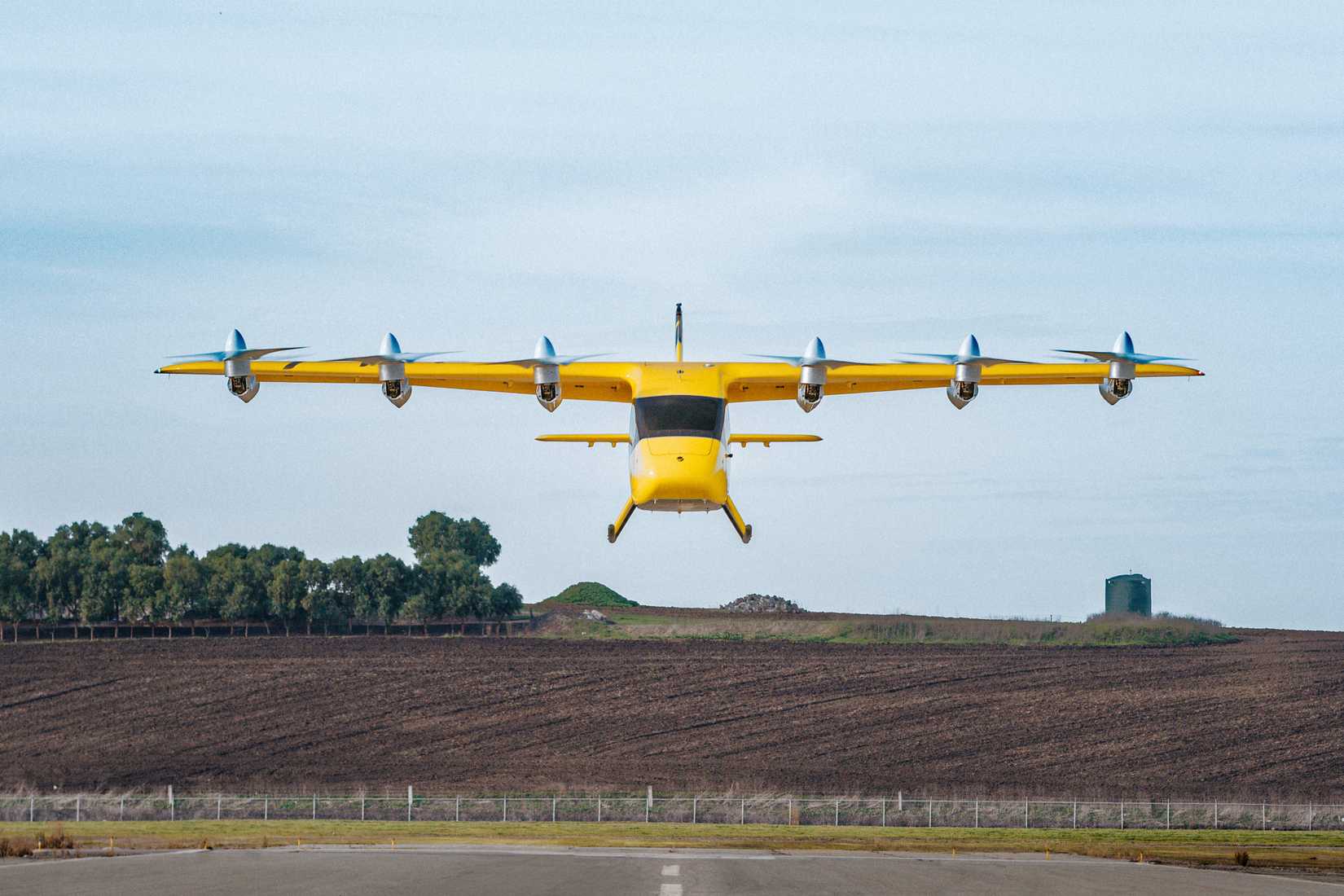
- Jeppesen: The global gold standard for navigational charts, flight planning, and operational data.
- ForeFlight: A premier electronic flight bag (EFB) app and mobile planning suite used by pilots worldwide.
- AerData: A software specialist for digital lease management, engine fleet planning, and secure technical records.
- OzRunways: A regional provider offering electronic flight bag and planning services tailored specifically for the Australian and New Zealand aviation markets.
Under the leadership of Brad Surak, former head of Boeing Digital Aviation Solutions, these combined entities now operate independently as Jeppesen ForeFlight, poised to innovate at a pace previously constrained by Boeing’s corporate bureaucracy.
Official Statements and Industry Perspectives
Corporate leadership from both sides have framed the transaction as a strategic masterstroke, though underlying financial realities suggest a more pragmatic balancing act.
Boeing’s Rationale
Faced with persistent net losses—having posted only a single net profitable quarter since 2019 according to financial trackers like MacroTrends—Boeing’s leadership has prioritized capital preservation and debt reduction.
Boeing Chief Executive Kelly Ortberg characterized the structural sell-off bluntly:
"This transaction is an important component of our strategy to focus on core businesses, supplement the balance sheet and prioritize the investment-grade credit rating."
Echoing this sentiment regarding the Archer transaction, Brian Yutko, Boeing’s Vice President of Commercial Airplanes Product Development, noted:
"This transaction is a win-win for Boeing and Archer. We look forward to collaborating with Archer to drive continued innovation in aerospace, defense and autonomy."
Yutko emphasized that transferring ownership to an agile electric aviation pure-play will dramatically accelerate the path-to-market for Wisk, SkyGrid, and Insitu products.
Archer’s Perspective
For Archer, the deal offers a massive injection of defense revenue, mature intellectual property, and institutional validation. Adam Goldstein, Archer’s Founder and CEO, shared his enthusiasm:
"This is a watershed moment for Archer and the future of physical AI in aerospace and defense. This is the next big step forward in becoming a diversified platform, rapidly growing our revenue base and bringing scale to our business."
Future Outlook: Technological Synergy and Market Reality
As Archer Aviation absorbs its former rivals and prepares for the future, industry observers remain cautiously optimistic yet watchful.
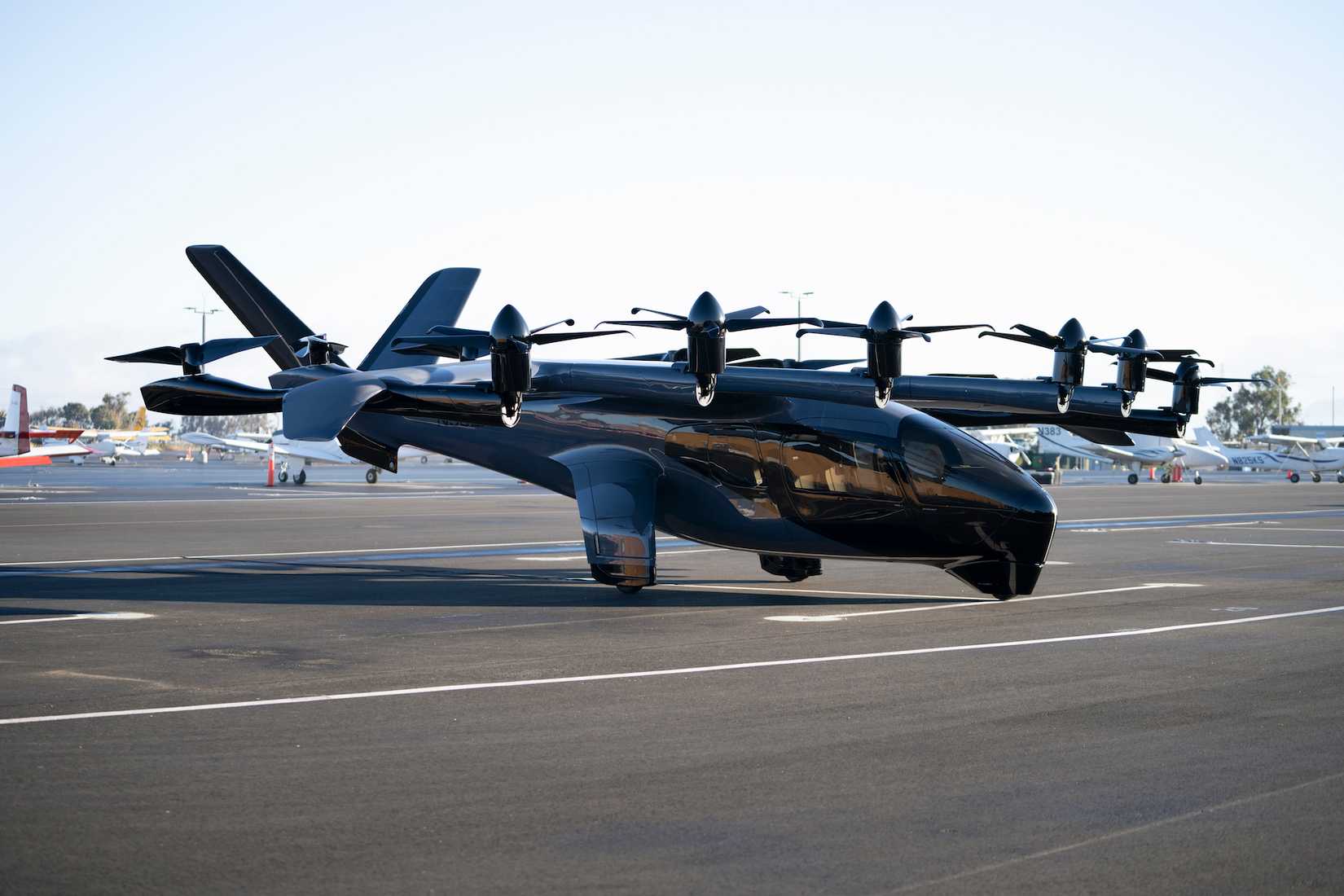
During the Farnborough Air Show, Simple Flying sat down with Tom Munis, Archer Aviation’s Chief Technology Officer, to discuss the company’s hardware roadmap. Munis highlighted the ongoing flight-testing of the all-electric Midnight aircraft, which has been airborne since 2023 as it moves steadily toward Federal Aviation Administration (FAA) type certification. Designed for short-range urban hops of approximately 62 miles (100 km), Midnight aims to provide quiet, low-emission point-to-point transit.
Beyond passenger transport, Archer is expanding into heavy-duty logistics and emergency operations via Halo, a hybrid-powered dual-use platform adapted from defense applications designed to haul heavier payloads over extended distances at higher speeds.
The Path Forward
While the integration of Wisk, SkyGrid, and Insitu alongside a massive data-sharing agreement—whereby Boeing will supply records from over two million flight hours to train Archer’s new physical AI platform—provides immense technical leverage, financial hurdles remain. Market analysts note that Archer reported a modest revenue baseline in 2025, underscoring the reality that commercializing eVTOL operations requires vast capital expenditure.
By offloading autonomous development to Archer while retaining a substantial equity stake, Boeing has successfully mitigated its immediate cash-burn exposure while keeping a foot in the door of aviation’s autonomous future. For Archer, the challenge now lies in successfully synthesizing these disparate corporate cultures, scaling manufacturing, and turning futuristic concepts into profitable, certified reality.