







The UK’s competition watchdog has launched formal investigations into two of the most prominent brands in the British travel sector. The Competition and Markets Authority (CMA) announced it is examining whether Virgin Atlantic and the digital ticketing platform Trainline have breached consumer protection laws by failing to show customers the full price of bookings upfront.
The probe targets a controversial sales tactic known as "drip pricing." This practice occurs when mandatory fees, surcharges, or taxes are withheld from the initial advertised price and are only revealed to the consumer late in the booking and payment transaction. Regulators argue that this technique misleads consumers, distorts healthy market competition, and pressures buyers into completing purchases they might have otherwise rejected.
Under existing UK consumer protection legislation, drip pricing is illegal. If the watchdog’s investigations reveal that either company has broken the law, the CMA has the authority to secure legally binding commitments to alter their business models, take the companies to court, or push for substantial financial penalties and consumer compensation orders.
The Mechanics of the ‘Drip’: Why Hidden Fees Are Under Fire
Drip pricing has increasingly become a focal point for regulatory scrutiny across the globe, and particularly within the United Kingdom. The psychology behind the practice is well-documented by behavioral economists: once a consumer has invested time, effort, and personal details into a multi-step online booking process, they develop a sense of ownership and commitment to the purchase. When additional, unavoidable fees are suddenly tacked on at the final screen, the customer is statistically far more likely to proceed with the transaction anyway, despite their frustration.
[Initial Search: Low Advertised Price]
       │
       ▼ (User inputs passenger details, selects seats/options)
[Multi-Step Booking Process]
       │
       ▼ (Time & effort invested by the customer)
[Final Checkout: Mandatory Fees Added] ──► "Drip Pricing" (Illegal under UK Law)
The CMA’s intervention is part of a broader, systemic effort to clean up the digital economy. For years, consumer advocacy groups have warned that the digital travel market is rife with hidden charges that make it virtually impossible for holidaymakers and commuters to compare prices fairly.
When companies "drip" mandatory costs, it creates an uneven playing field. An ethical business that advertises its honest, all-inclusive price upfront will appear more expensive in search results than a competitor utilizing drip pricing, even if the final checkout costs are identical. This penalizes transparent operators and rewards deceptive marketing practices.
Resort Fees and Regional Taxes: The Focus on Virgin Atlantic Holidays
The CMA’s case against Virgin Atlantic centers specifically on its tour operating and package holiday division, Virgin Atlantic Holidays. The watchdog is investigating whether the company failed to provide clear, upfront pricing for holiday packages, particularly regarding mandatory resort fees and local accommodation taxes.
Resort fees—often charged by hotels in popular tourist destinations such as Las Vegas, New York, Florida, and parts of the Caribbean—are daily charges levied by accommodation providers to cover amenities like Wi-Fi, pool access, or gym facilities. Because these fees are mandatory and cannot be opted out of by the guest, UK consumer law dictates they must be factored into the headline price shown to consumers at the very beginning of their search journey.
According to the CMA, these hidden charges are far from trivial. In many instances, resort fees and local municipal taxes can add hundreds of pounds to the overall cost of a family holiday. When these charges are omitted from the initial search results, consumers are left unable to accurately budget for their trips or make informed comparisons between different holiday packages.
A spokesperson for Virgin Atlantic Holidays responded to the announcement, stating that the company is committed to compliance and is cooperating fully with the CMA’s inquiries. The company maintains that it strives to provide clear information to its customers, but the regulator will now meticulously review the booking journeys on Virgin’s digital platforms to determine if the timing and placement of fee disclosures met legal standards.
Trainline and the Digital Ticketing Dilemma
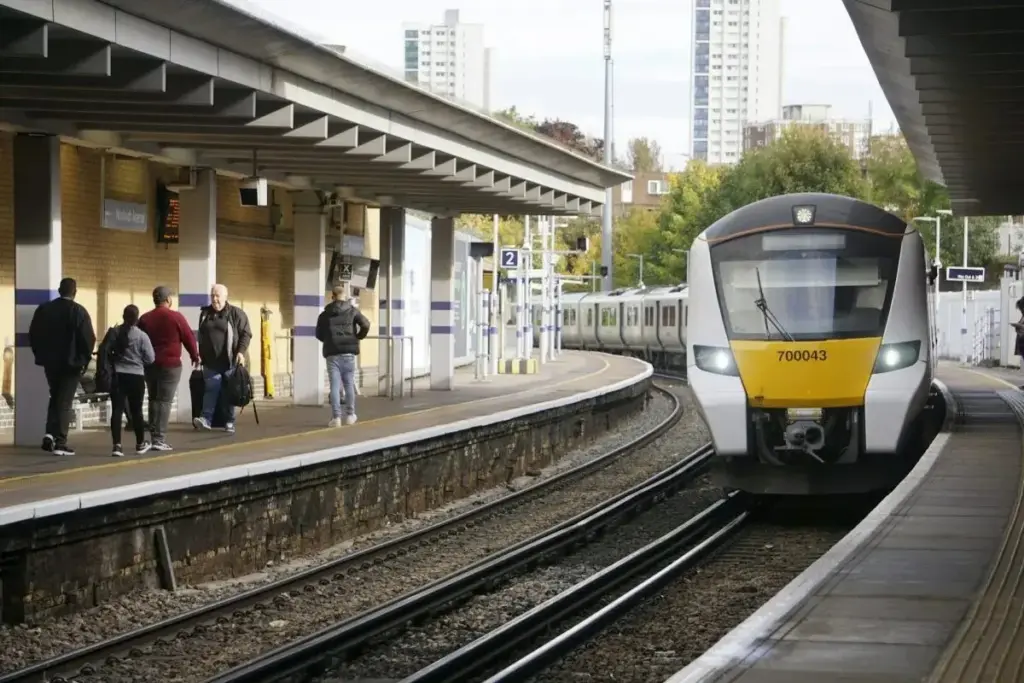
Simultaneously, the CMA has turned its attention to Trainline, the dominant independent rail and coach ticketing platform in the United Kingdom. Millions of British commuters and leisure travelers rely on Trainline’s mobile application and website daily to plan journeys and purchase tickets.
The investigation into Trainline centers on how the platform presents its booking fees and other transaction-related charges. While train operators themselves generally do not charge booking fees on their own websites, independent retailers like Trainline charge service fees to fund their digital infrastructure and proprietary routing technology.
The legal issue arises if these fees—which are mandatory for completing a transaction through the platform—are not clearly integrated into the ticket prices shown during the initial search phase. If a consumer selects a train journey based on a specific advertised price, only to discover a mandatory booking fee added at the final payment screen, the transaction may constitute drip pricing.
Trainline has historically defended its fee structure by pointing out that its fees are clearly disclosed before any payment details are entered. However, the CMA’s investigation will assess whether the disclosure happens early enough in the customer journey to prevent decision-making distortion. Because Trainline holds a massive share of the digital ticketing market in the UK, any mandated changes to its checkout flow could have significant ramifications for how rail travel is retailed nationwide.
The Legal and Financial Stakes for the Travel Industry
The opening of these formal investigations marks a critical moment for both Virgin Atlantic and Trainline. The CMA possesses robust enforcement powers, which are set to grow even stronger under the UK’s Digital Markets, Competition and Consumers (DMCC) Act.
| Potential CMA Enforcement Actions | Description & Impact |
|---|---|
| Binding Undertakings | Companies formally commit to changing their pricing displays and booking flows. |
| Court Orders | Legal injunctions forcing compliance if a company refuses to alter its practices voluntarily. |
| Financial Penalties | Direct fines under emerging legislative frameworks, potentially reaching up to 10% of global turnover. |
| Compensation Orders | Directives requiring companies to refund affected customers who were subjected to hidden fees. |
Beyond the immediate financial risks, both companies face substantial reputational damage. Virgin Atlantic has long positioned itself as a premium, customer-centric brand that stands in contrast to budget airlines. Being investigated for hidden fees directly challenges this consumer-friendly image.
For Trainline, which has faced ongoing political and industry pressure regarding the cost of rail travel in the UK, the probe could accelerate calls for passengers to bypass third-party retailers in favor of buying directly from train operating companies, which do not charge booking fees.
A Broadening Crackdown on the Travel and Hospitality Sectors
The investigations into Virgin Atlantic and Trainline do not exist in a vacuum. They are part of a concerted, multi-year push by the UK government and regulatory authorities to stamp out unfair trading practices in the travel, hospitality, and entertainment sectors.
Airlines, in particular, have been under intense scrutiny for "unbundling" services. While optional extras—such as choosing a specific seat, purchasing in-flight meals, or checking in heavy luggage—are legally permissible as add-ons, any charge that is unavoidable for the vast majority of travelers must be transparent. The line between a genuine "optional extra" and a "hidden mandatory fee" has become a major battleground for regulators.
The CMA has previously warned the travel industry that it will not tolerate platforms that use high-pressure sales tactics, misleading countdown timers, or false claims about ticket availability alongside drip pricing. The regulator’s message is clear: the digital economy must operate on trust, and transparency is non-negotiable.
What Lies Ahead for Consumers and Operators?
As the CMA gathers evidence, conducts interviews, and reviews the digital architecture of both Virgin Atlantic Holidays and Trainline, the wider travel industry will be watching closely. The outcomes of these cases are expected to establish clear precedents for how prices must be displayed online.
For consumers, the investigation promises a future where comparing travel options is simpler, more honest, and free from checkout-screen anxiety. In the interim, consumer advocacy groups recommend that travelers remain vigilant:
- Read the Fine Print: Always look for mentions of "local taxes" or "resort fees" in the property details before proceeding to checkout.
- Compare Total Costs: When booking rail travel, compare the final checkout price on third-party apps with the prices offered directly by the train operators.
- Report Unfair Practices: Consumers who encounter instances of hidden, mandatory fees are encouraged to report their experiences to citizens advice bureaus or directly to the CMA to assist ongoing regulatory monitoring.
The CMA’s formal inquiry is expected to take several months as legal teams review the evidence. Whether the watchdog decides to pursue court action or secures voluntary agreements to overhaul pricing displays, the landscape of digital travel booking in the UK is on the cusp of a major transparency upgrade.