




Ko Lipe, a small island situated in the Adang-Rawi Archipelago of the Andaman Sea near Thailand’s southern border with Malaysia, was once revered as one of Southeast Asia’s last untamed travel frontiers. Two decades ago, the island represented the quintessence of low-impact backpacker tourism: off-grid living, pristine marine biodiversity, minimal physical infrastructure, and direct economic integration with native communities.
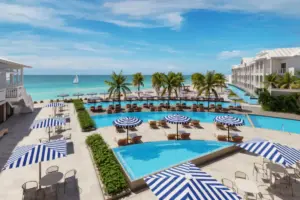
However, a comprehensive evaluation of the island’s contemporary state reveals a starkly altered reality. Ko Lipe has rapidly replicated the aggressive, unchecked development models that previously compromised major Thai destinations such as Ko Phi Phi, Phuket, and Krabi. Driven by mainland capital investments, surging tourist numbers, and insufficient urban planning, the island’s delicate fragile ecosystem faces unprecedented stress. Paved concrete thoroughfares have replaced historic footpaths; palm groves have been cleared for multi-story resorts featuring luxury swimming pools on an island with no natural freshwater reserves; and marine habitats are deteriorating under the pressure of boat traffic, sewage run-off, and anchor damage.
This report examines the transformation of Ko Lipe over a 19-year period, analyzing the ecological breakdowns, socioeconomic displacement of indigenous populations, and the systemic policy failures that characterize its current trajectory. Furthermore, it evaluates the imperative for ethical consumer intervention and presents viable, sustainably managed alternative destinations within the region.
Detailed Chronology: From Remote Sanctuary to Concrete Hub
+-----------------------------------------------------------------------------------+
|                           KO LIPE DEVELOPMENT TIMELINE                            |
+-----------------------------------------------------------------------------------+
|                                                                                   |
|  2006: OFF-GRID SANCTUARY                                                         |
|  * Electricity restricted to a few hours daily.                                  |
|  * Unpaved dirt paths, $2 USD basic beachfront huts.                              |
|  * Limited seasonal boat accessibility; pristine coral ecosystems.               |
|                                                                                   |
|  2010–2018: INFRASTRUCTURE & CAPITAL EXPANSION                                    |
|  * Year-round ferry routes opened (connecting to mainland & Langkawi, Malaysia).  |
|  * Systematic paving of island footpaths into concrete roads for motor vehicles. |
|  * Mainland developers buy out local land holdings.                              |
|  * Proliferation of resort construction across former forest canopy.             |
|                                                                                   |
|  PRESENT DAY: OVERDEVELOPMENT & ECOLOGICAL STRAIN                                 |
|  * Heavy resort footprint with luxury pools straining zero natural groundwater.   |
|  * Persistent marine diesel pollution, anchor damage, and reef degradation.      |
|  * Displacement of indigenous workforce; saturation of commercialized tourism.   |
|                                                                                   |
+-----------------------------------------------------------------------------------+
The 2006 Baseline: Low-Impact Backpacker Frontier
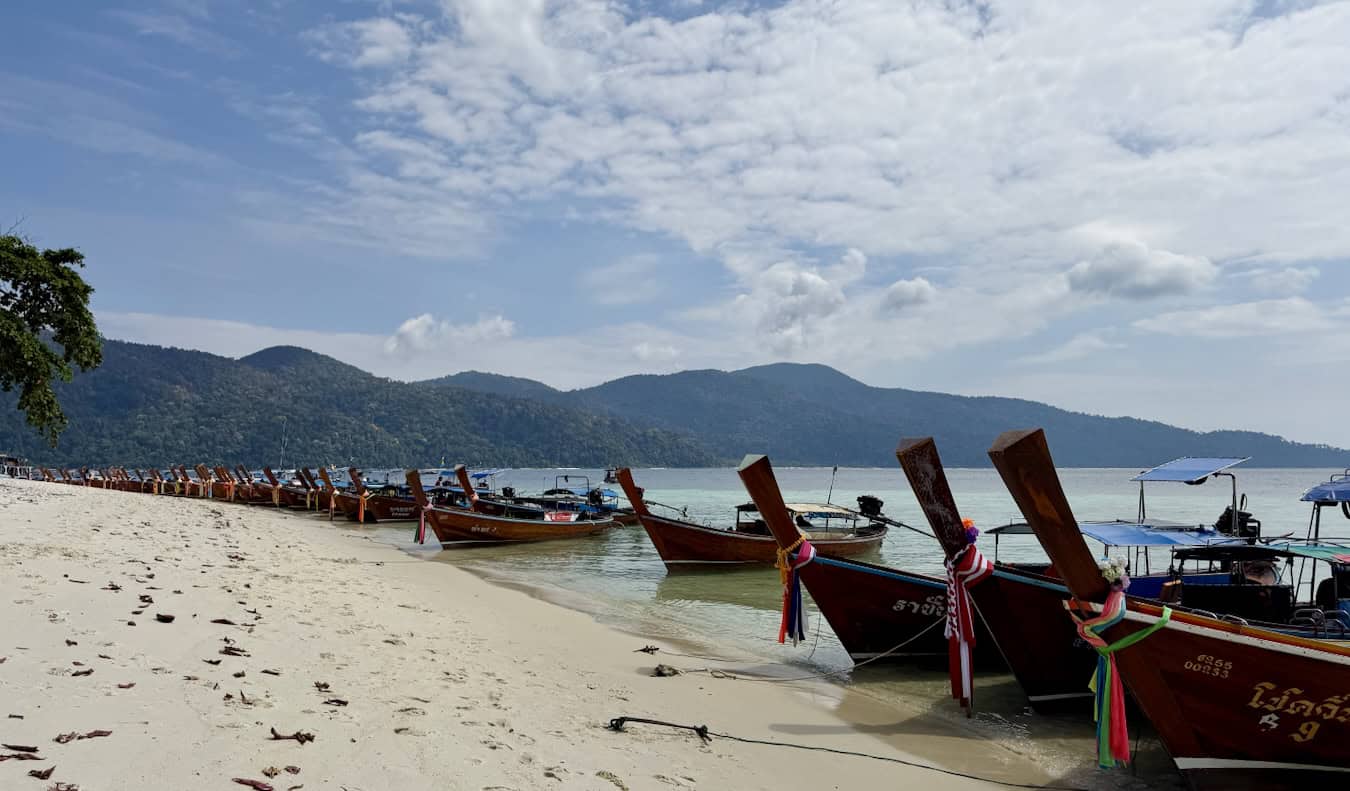
In 2006, Ko Lipe functioned almost entirely outside the matrix of modernized industrial tourism. Infrastructure was minimalist by design and necessity:
- Energy and Utilities: Electricity was limited to local diesel generators operating for only a few hours each evening.
- Accommodations: Lodging consisted primarily of basic bamboo bungalows situated directly on the sand, costing approximately $2 USD per night.
- Connectivity: Boat access was strictly seasonal, contingent on monsoon patterns, maintaining an organic ceiling on visitor volumes.
- Social and Economic Life: Commercial activity was confined to a small cluster of family-run eateries and beachside establishments. Visitors engaged in passive, low-impact recreational activities—snorkeling, reading, and small-scale community engagement—allowing the island’s terrestrial and marine ecosystems to remain largely intact.
The Intervening Years: Capital Influx and Urbanization
Over the subsequent two decades, Thailand’s broader strategy to maximize tourism revenue triggered a rapid expansion of transport corridors across the southern Andaman Sea.
- Accessibility Infrastructure: The establishment of high-speed ferry routes connecting Ko Lipe directly to Pak Bara on the mainland, as well as the Malaysian island of Langkawi, transformed Ko Lipe from an isolated outpost into a central transit hub.
- Paving and Motorization: Dirt paths were systematically replaced with concrete roads built to accommodate heavy motorbikes, utility vehicles, and construction trucks required for continuous building projects.
- Resort Proliferation: The island experienced a building boom characterized by the clearance of native palm canopy to erect high-density luxury resorts.
Present-Day Reality: The "Ko Phi Phi Model"
Today, Ko Lipe displays the classic hallmarks of severe overdevelopment. The idyllic, low-impact paradise has been eclipsed by an urbanized resort island. Construction continues at an aggressive pace, driven by commercial entities attempting to capture high-yield tourist expenditure. The transformation reflects what regional urban planners term the "Ko Phi Phi Model"—a hyper-commercialized resort framework prioritizing rapid construction over ecological capacity and long-term sustainability.
Supporting Context & Metrics: Environmental Degradation and Socioeconomic Displacement
The environmental and social consequences of Ko Lipe’s expansion are quantifiable across several distinct operational domains:
+-----------------------------------------------------------------------------------+
|                        ENVIRONMENTAL & SOCIAL IMPACT ANALYSIS                     |
+-----------------------------------------------------------------------------------+
| ECOLOGICAL IMPACT           | RESOURCE IMPACT          | SOCIOECONOMIC IMPACT     |
| --------------------------- | ------------------------ | ------------------------ |
| * Coral destruction from    | * Zero natural fresh-    | * Native land displacement|
|   anchors and excessive     |   water; heavy reliance  |   by mainland developers. |
|   vessel traffic.           |   on energy-intensive    | * Local workforce       |
| * Surface water pollution   |   desalination systems.  |   replaced by mainland    |
|   from boat diesel spills.  | * High power demand for  |   labor pools.           |
| * Forest clearing for high- |   private luxury pools   | * Culture erosion via    |
|   density construction.     |   and resort complexes.  |   commercial tourism.    |
+-----------------------------------------------------------------------------------+
1. Marine and Coastal Ecosystem Bleaching
Ko Lipe lies within the boundaries of Tarutao National Marine Park, an area legally designated for ecological preservation. Despite this status, marine biological stress has reached critical levels:
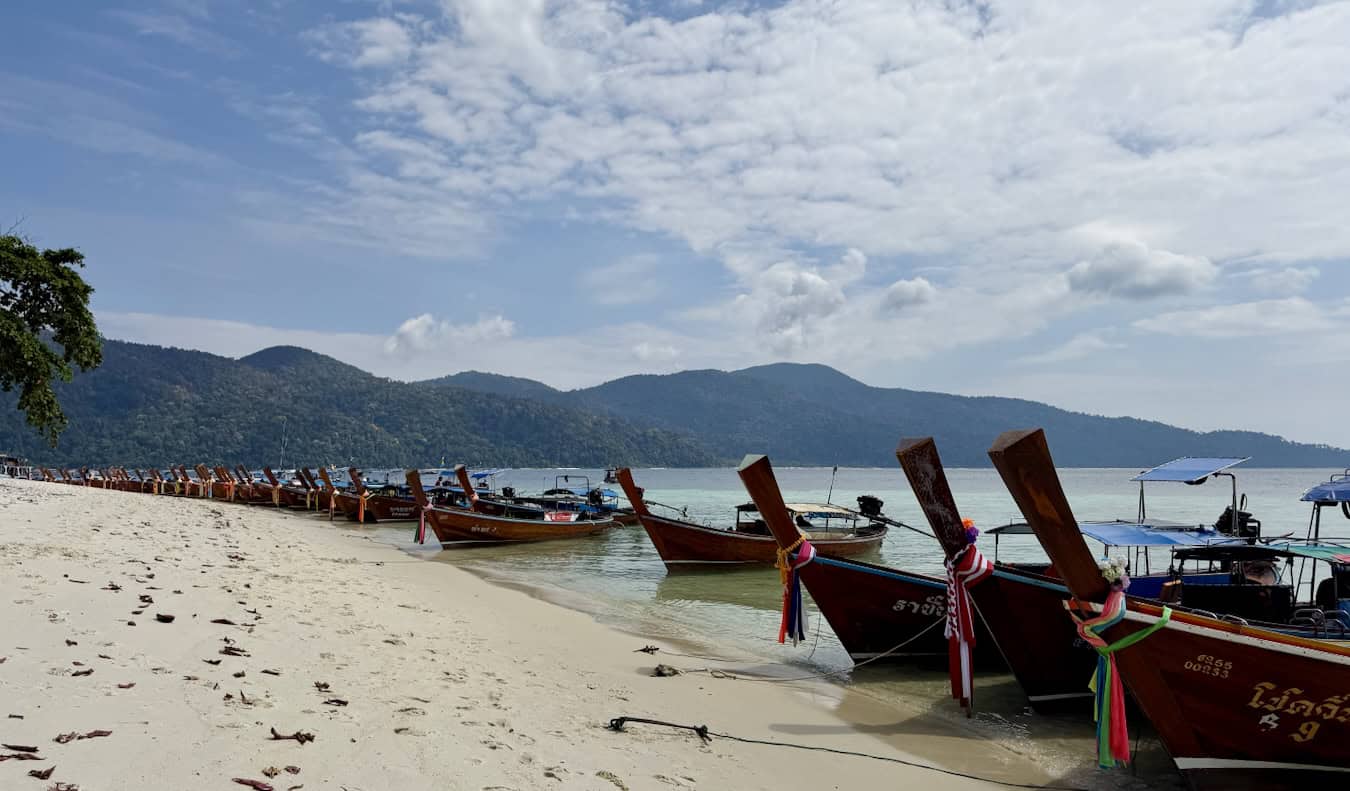
- Fossil Fuel Contamination: The concentration of motorized longtail boats and high-speed ferries operating in shallow coastal waters has resulted in visible diesel films coating the water surface in primary swimming zones.
- Benthic Zone Destruction: Continuous anchoring, prop wash, and unchecked motorized water tours have physically fractured fringing coral structures.
- Water Quality: Increased runoff from untreated wastewater and coastal construction debris has accelerated coral mortality, leading to a marked decrease in localized reef biodiversity.
2. The Freshwater and Resource Crisis
One of the most profound ecological contradictions on contemporary Ko Lipe is the rapid expansion of water-intensive resort amenities:
- Zero Natural Supply: Ko Lipe possesses no natural rivers, major lakes, or sustainable freshwater aquifers capable of supporting a high-density population.
- Resort Swimming Pools: To satisfy luxury market expectations, newly constructed resorts feature private swimming pools and high-volume water features.
- Supply Chain Strain: The freshwater required for these amenities must either be processed through energy-intensive, localized desalination units or imported from the mainland via barges—processes that dramatically increase the island’s carbon footprint and generate concentrated brine byproducts that threaten localized marine life.
3. Socioeconomic Marginalization of Local Populations
The commercial boom has reshaped the demographic and economic structure of the island:
- Land Alienation: Historically inhabited by the Chao Lay (Urak Lawoi) indigenous sea people, alongside long-term local residents, vast swathes of coastal land were purchased by mainland corporate entities during early speculation waves.
- Economic Displacement: Rising property values, living costs, and land taxes forced many native inhabitants to sell their ancestral holdings.
- Labor Restructuring: A substantial portion of the island’s current hospitality workforce consists of non-local workers brought in by mainland operations. Consequently, the economic capital generated by the island’s high-priced tourism flow routinely bypasses the local community, flowing directly to mainland corporate headquarters and foreign investment groups.
Official Statements & Regional Policy Analysis
Industry experts, environmental advocates, and travel analysts have increasingly drawn attention to the disparity between short-term regional tourism policies and ecological conservation standards.
The Tourism Authority of Thailand (TAT) Framework vs. Ecological Realities
While the Tourism Authority of Thailand has publicly promoted "High Value and Sustainable Tourism" initiatives in recent policy statements, critics argue that enforcement mechanisms at the island level remain inadequate.
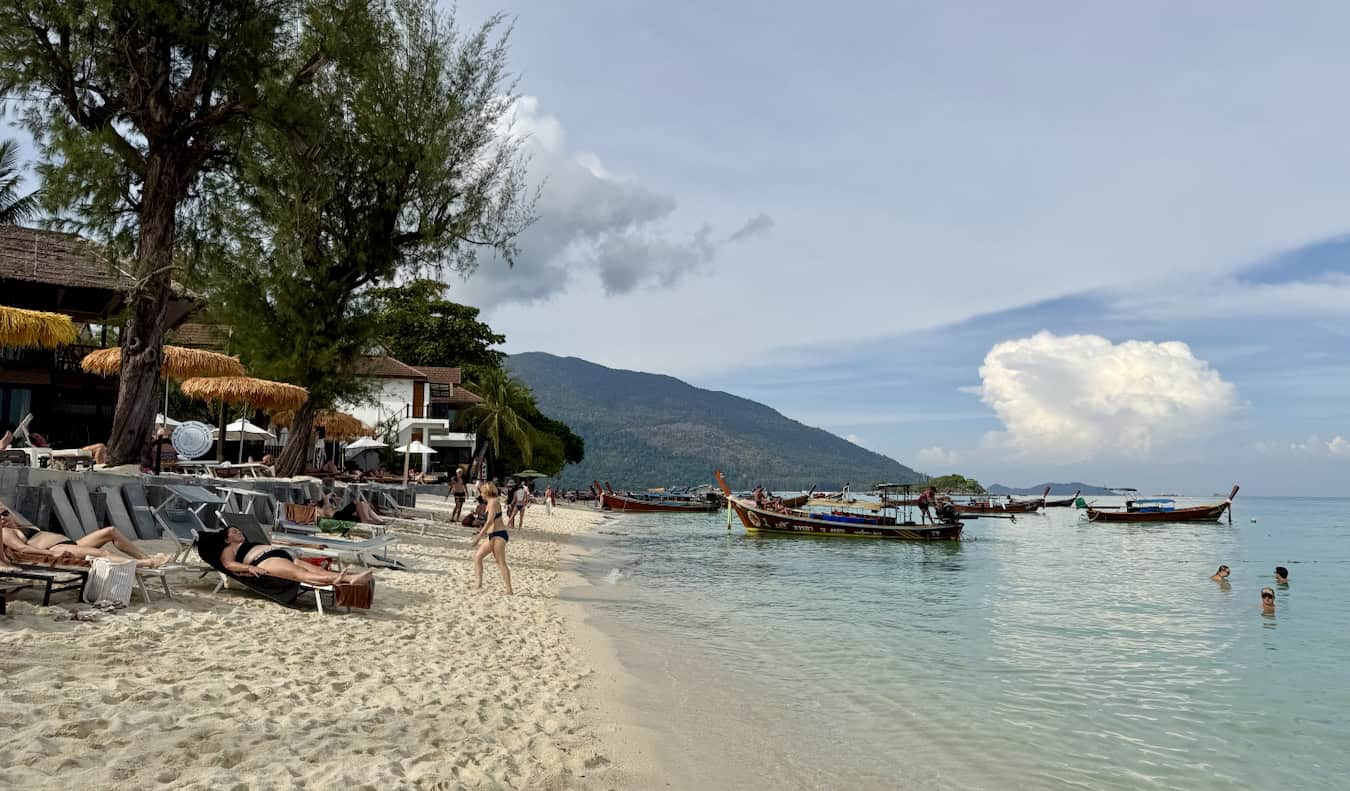
According to regional sustainable travel researchers:
"The fundamental structural issue in island destinations like Ko Lipe is the absence of an enforceable carrying capacity limit. When local municipal planning lacks the regulatory power or political will to cap daily visitor arrivals and restrict building permits, environmental preservation mandates under marine park legislation become functionally obsolete."
Expert Evaluation on Sustainable Travel Interventions
Travel analysts and investigative commentators emphasize that systemic change in high-density tourism zones rarely occurs solely through top-down government policy. Historically, meaningful shifts in regional tourism practices have required pressure from informed consumers:
- The Elephant Sanctuary Paradigm: The widespread transition away from abusive elephant riding practices across Thailand was largely accelerated by shifts in international traveler demand, which incentivized venue operators to adopt ethical, observation-only models.
- The Eco-Lodge Precedent: Similarly, the commercial growth of certified eco-lodges demonstrates that capital allocation by travelers directly influences regional development strategies.
Applying this logic to island ecosystems, travel authorities assert that consumers must exercise deliberate selectivity, redirecting financial resources away from severely overdeveloped zones toward municipalities that actively enforce environmental limits.
Future Outlook: Ethical Consumer Action and Sustainable Alternatives
+-----------------------------------------------------------------------------------+
|                   COMPARATIVE ANALYSIS: ANDAMAN SEA ISLANDS                       |
+-----------------------------------------------------------------------------------+
| ISLAND     | DEVELOPMENT STATUS     | ECO-MANAGEMENT LEVEL | RECOMMENDED ACTION   |
| ---------- | ---------------------- | -------------------- | -------------------- |
| Ko Lipe    | Severe Overdevelopment | Critical Strain      | Divert / Skip        |
| Ko Lanta   | Managed Infrastructure | Moderate / Regulated | Highly Recommended   |
| Ko Jum     | Low Impact / Traditional| Preserved Natural    | Highly Recommended   |
| Ko Mook    | Small Scale / Local    | High Community Retention Recommended      |
+-----------------------------------------------------------------------------------+
The Case for Diverting Tourism Capital
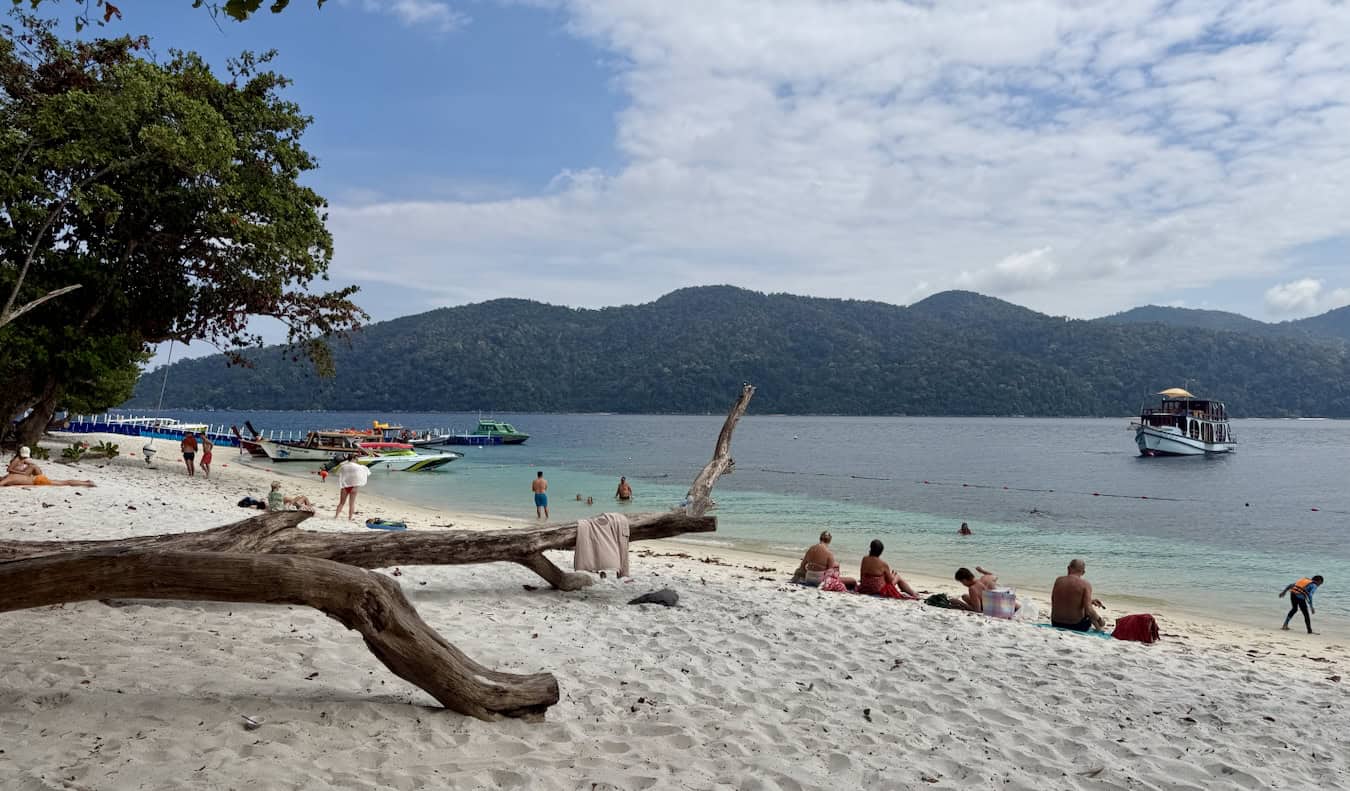
The unchecked expansion on Ko Lipe illustrates the limits of unmanaged growth on small, resource-constrained islands. Continuing to visit hyper-developed, ecologically strained destinations reinforces developer behavior, encouraging further land clearance, water depletion, and habitat destruction.
To break this cycle, travel experts advise tourists to skip overdeveloped destinations in favor of nearby islands that maintain strict resource management and low-impact infrastructure.
Viable Alternatives in the Southern Andaman Sea
1. Ko Lanta
- Management Profile: Larger geographical footprint allowing for controlled urban concentration.
- Key Attributes: Features expansive national park areas with strict limits on coastal construction. Possesses robust waste management strategies and established community-led conservation networks.
2. Ko Jum (Ko Pu)
- Management Profile: Low-density development focused on traditional bungalow integration.
- Key Attributes: Maintained unpaved or narrow paved transportation corridors that restrict heavy motor vehicle proliferation. The island prioritizes local ownership, preserving regional cultural heritage and indigenous land holdings.
3. Ko Mook
- Management Profile: Moderate, community-scale development.
- Key Attributes: Located within close proximity to major marine protection zones, Ko Mook has restrained large-scale resort development. The island relies primarily on small-scale, locally managed accommodation models that minimize environmental disruption while retaining economic capital directly within the local resident base.
Strategic Recommendations for Sustainable Travelers
To prevent future destination collapse across vulnerable marine ecosystems, travelers are urged to adopt the following criteria when selecting island destinations:
- Prioritize Managed Carrying Capacity: Support destinations that actively limit visitor throughput and regulate motorized boat traffic.
- Audit Water and Energy Sourcing: Favor accommodations that utilize low-impact waste treatment systems and transparent freshwater sourcing rather than resource-draining luxury amenities like private pools on arid islands.
- Verify Local Capital Retention: Direct spending toward locally owned guesthouses and community-run transportation operators to ensure tourism yields directly support native communities.
Ultimately, while the original, pristine condition of Ko Lipe cannot be recovered, consumer behavior remains a powerful catalyst for institutional reform. By consciously choosing to skip severely overdeveloped islands and redirecting capital toward sustainable alternatives, travelers can help enforce a more accountable model for global travel.