As the amber and crimson hues of autumn sweep across the landscape and the relentless heat of summer gracefully yields to crisper, cooler air, a collective behavioral shift occurs. Individuals pivot away from the high-energy outdoor excursions, spontaneous travel, and sun-drenched vacations that characterize the warmer months, turning their focus inward toward self-care, holistic wellness, and intentional restoration.
Crucially, this seasonal transition marks the optimal period for a comprehensive dermatological reset. Months of continuous exposure to intense ultraviolet (UV) radiation, high environmental humidity, chlorinated swimming pools, dehydrating air conditioning, and heavy physical travel take a heavy toll on the integumentary system. Consequently, the skin frequently enters the autumn months looking dull, dehydrated, textured, uneven, and compromised.
Skincare professionals, dermatologists, and medical estheticians universally recognize autumn as the premier season for skin renewal. Because ambient UV levels drop significantly during this period, patients and wellness seekers can safely undergo advanced clinical treatments and intensive resurfacing procedures that are otherwise discouraged during peak summer months due to the high risk of post-inflammatory hyperpigmentation and sun damage.
Whether the objective is to restore depleted moisture barriers, stimulate collagen and elastin synthesis, or aggressively target lingering summer anomalies—such as solar lentigines (sun spots), melasma flare-ups, and textural roughness—fall presents an unparalleled window of opportunity. This comprehensive report explores the physiological rationale behind seasonal skin renewal, details the most effective modalities ranging from deeply nourishing facials to cutting-edge medical spa interventions, and outlines a strategic blueprint for achieving a luminous, resilient complexion that withstands the harsh conditions of the approaching winter.
Detailed Chronology: The Physiological Impact of Summer on the Skin Barrier
To understand why autumn is uniquely suited for a skin reset, one must first examine the cumulative physiological toll that summer exacts on the skin. The human skin barrier—specifically the stratum corneum—acts as the body’s primary defense mechanism against environmental stressors. However, prolonged exposure to extreme summer elements systematically breaks down this protective lipid matrix.
Phase 1: Peak Summer Stressors (June – August)
During the peak of summer, skin is subjected to a relentless onslaught of environmental aggressors:
UV Radiation: UVA rays penetrate deep into the dermis, generating reactive oxygen species (ROS) that degrade collagen and elastin fibers, leading to photoaging. Simultaneously, UVB rays cause direct DNA damage in the epidermis, triggering melanin production (tanning) and localized cellular inflammation (sunburn).
Dehydration and Trans-Epidermal Water Loss (TEWL): High ambient temperatures combined with indoor air conditioning strip natural moisture from the epidermis. Furthermore, frequent exposure to chlorinated pools and saltwater strips the skin of its natural lipid barrier, accelerating TEWL.
Sebum Hyper-Secretion: High humidity prompts sebaceous glands to overproduce oil. When mixed with sweat, dead skin cells, and heavy sunscreens, this excess sebum clogs pores, leading to late-summer breakouts and rough textural anomalies.
Phase 2: The Seasonal Inflection Point (September)
As temperatures begin to drop in early autumn, the skin experiences a state of physiological shock. The sudden shift from humid air to dry, cooler ambient temperatures causes blood vessels to constrict, reducing microcirculation to the skin’s surface. At the same time, the cellular turnover rate—which may have been accelerated or disrupted by summer inflammation—begins to stall, causing a buildup of dead, dull corneocytes on the skin’s surface.
Phase 3: The Autumn Intervention Window (October – November)
Recognizing this inflection point, dermatological science advocates for targeted therapeutic intervention during mid-to-late autumn. With solar intensity waning, the skin is no longer subjected to continuous photo-challenge, creating a safe harbour for active corrective treatments. Procedures that require a controlled healing phase—such as chemical peels, laser resurfacing, and advanced micro-needling—can be performed with minimal risk of UV-induced complications. This chronological shift transforms autumn from a passive transition season into an active, high-yield recovery window.
Supporting Context & Metrics: The Science of Seasonal Rejuvenation
Clinical data within the dermatological and aesthetic wellness sectors consistently underscores the surging demand for post-summer corrective treatments. According to recent wellness industry analytics, aesthetic clinic bookings for corrective skin resurfacing and barrier repair increase by roughly 35% between September and November.
The Biology of Barrier Repair and Hydration
The foundation of any successful autumn skin reset lies in restoring the skin’s natural moisturizing factors (NMFs) and repairing compromised lipid bilayers.
When the lipid matrix is damaged, moisture escapes freely, leaving the skin vulnerable to micro-tears, flaking, and irritation. Even individuals with naturally oily or combination skin frequently present with dehydrated skin come autumn—a condition characterized by a lack of water rather than oil.
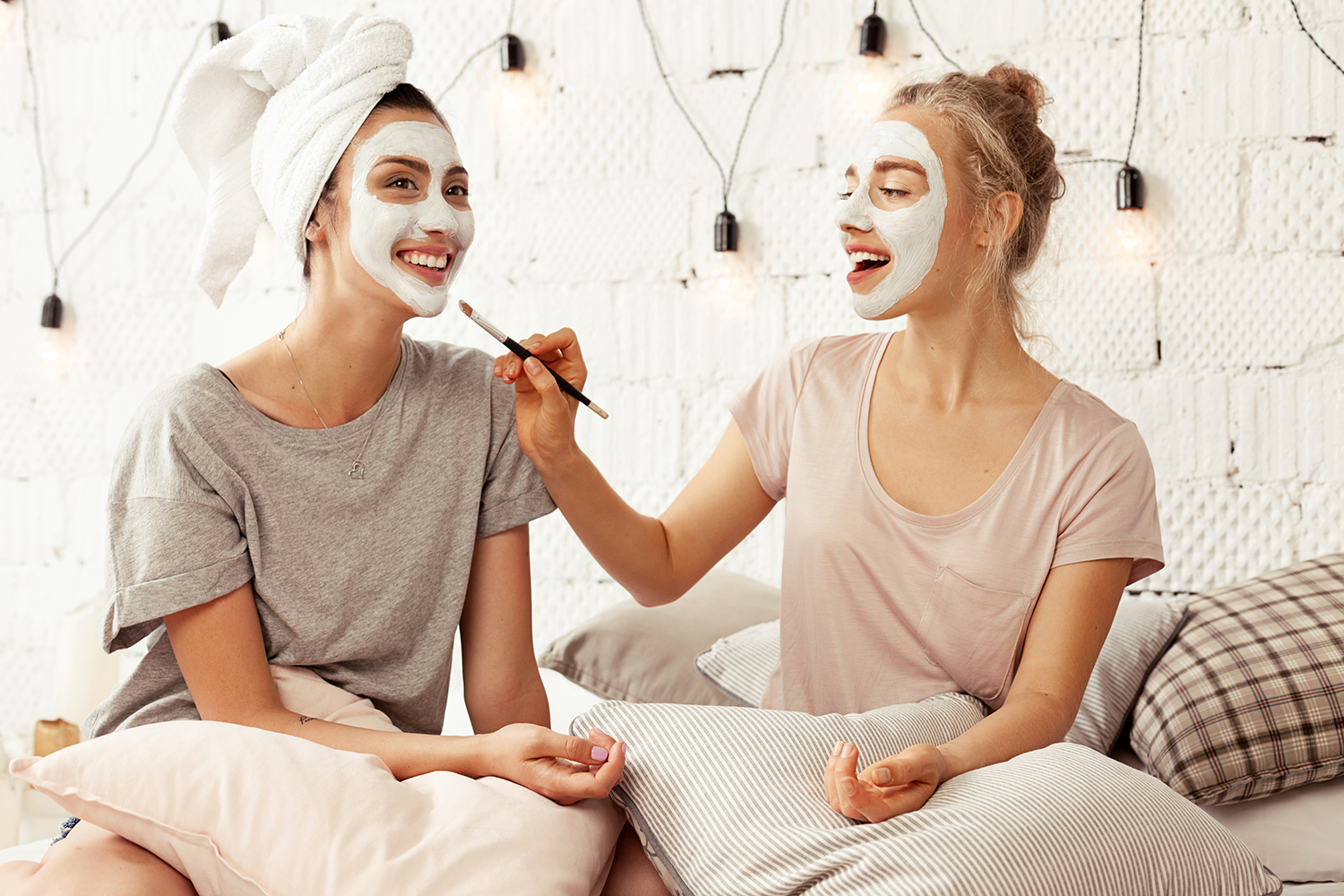
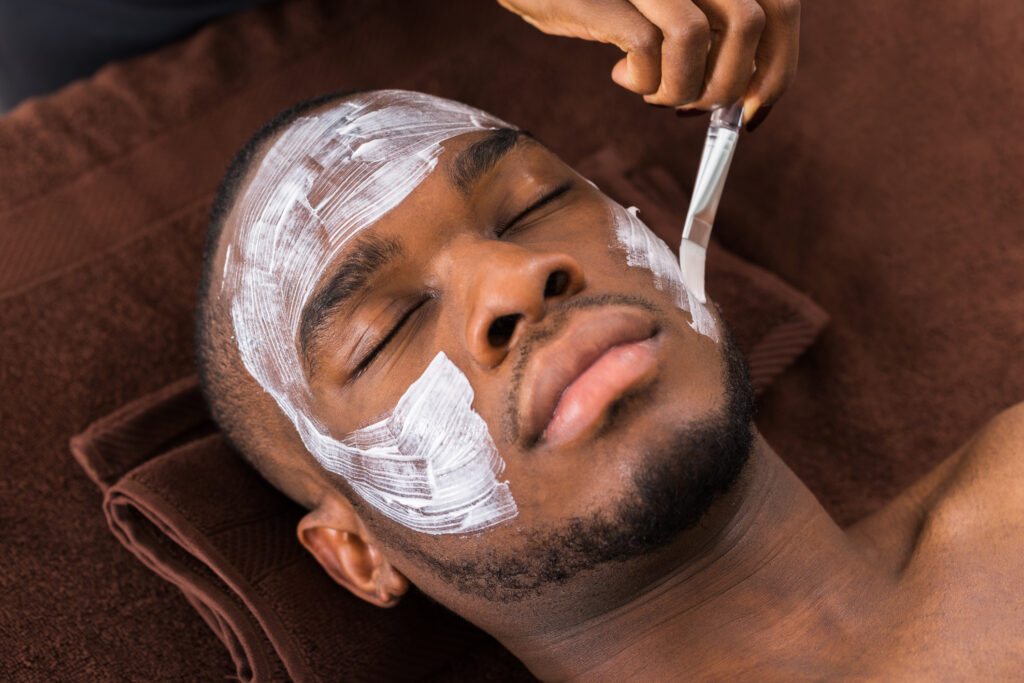
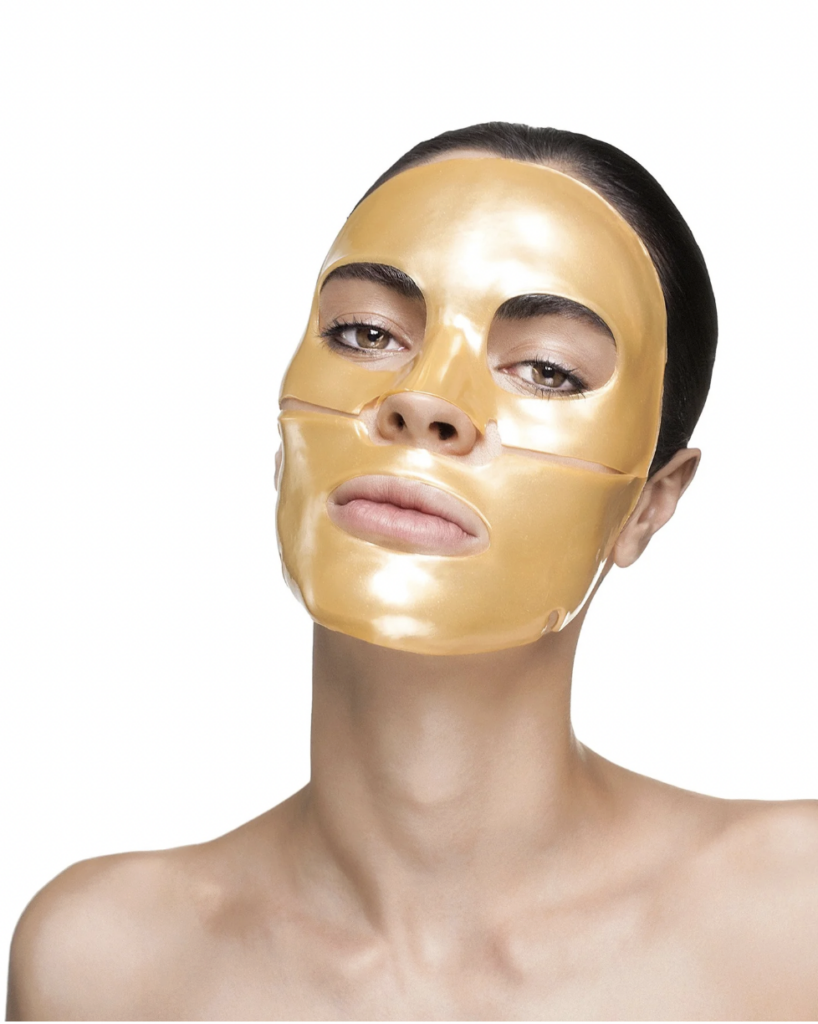
Professional hydrating facials serve as an immediate antidote to this moisture deficit. Unlike standard at-home moisturizing routines, clinical-grade hydrating facials utilize advanced delivery systems to infuse low-molecular-weight hyaluronic acid, ceramides, peptides, and botanical antioxidants deep into the viable epidermis. Professional facial masks, in particular, create an occlusive environment that forces active ingredients past the stratum corneum, instantly plumping fine dehydration lines and restoring a healthy, dewy radiance.
Non-Invasive Collagen Induction: LED Light Therapy
As photoaging sets in during the summer months, the breakdown of collagen network structures accelerates. To counteract this without causing structural trauma or requiring extended downtime, aesthetic medicine increasingly relies on Light Emitting Diode (LED) phototherapy.
LED light therapy operates on the principle of photobiomodulation, utilizing specific, narrow bands of light energy to stimulate cellular mitochondria. Different wavelengths target distinct dermatological layers and concerns:
Red Light (approx. 630nm – 700nm): Penetrates deep into the dermal layer to stimulate fibroblast proliferation, upregulating the production of fresh collagen and elastin fibers. It is clinically proven to reduce the appearance of fine lines, improve skin elasticity, and accelerate tissue repair.
Blue Light (approx. 400nm – 470nm): Targets the porphyrins produced by Cutibacterium acnes bacteria, generating intracellular free radicals that effectively destroy acne-causing bacteria without harming surrounding tissue.
Near-Infrared Light: Reaches the deepest subcutaneous layers to reduce inflammation, soothe chronic redness, and promote systemic cellular regeneration.
Because LED light therapy is entirely non-invasive, generates zero thermal trauma, and requires no post-treatment downtime, it serves as an ideal cornerstone for an autumn maintenance program. It can be seamlessly integrated following chemical peels or extractions to amplify healing and prolong rejuvenation results.
Official Statements and Expert Perspectives
Leading voices in dermatology, esthetics, and holistic wellness emphasize that skincare must evolve dynamically with the changing seasons rather than remaining static year-round.
Dr. Elena Vance, a board-certified dermatologist specializing in clinical aesthetics, notes the strategic importance of the autumn transition:
"Patients often make the mistake of using the exact same skincare regimen in July that they do in January. Summer requires defense against UV and oil management, whereas autumn demands repair and rebuilding. By capitalizing on the lower UV index of the fall months, we can treat the collateral damage of summer—such as stubborn hyperpigmentation and degraded collagen—using advanced clinical modalities that simply aren’t safe or practical under intense summer sun."
Complementing this clinical perspective, holistic wellness advocate and master esthetician Marcus Thorne highlights the intersection of physical skin health and mental well-being during seasonal shifts:
"Skincare is not merely a superficial pursuit; it is a foundational pillar of self-care. As the frantic pace of summer travel and outdoor activity gives way to the grounding energy of autumn, taking time for intentional skin rituals allows individuals to reset both their complexion and their mental bandwidth. Integrating professional treatments like targeted hydrating facials and light therapy creates a ritual of renewal that prepares the body and mind for the colder months ahead."
Industry consensus further dictates that medical-grade spa interventions—ranging from medical micro-needling and fractional laser treatments to customized chemical peels—should be mapped out precisely during this quarterly shift. Medical spa professionals stress that pre-booking a structured series of treatments in September or October ensures optimal healing times and maximizes clinical outcomes before the harsh, dry winds of deep winter set in.
Future Outlook: Navigating the Winter Transition and Long-Term Skin Health
Looking ahead, the proactive measures taken during the autumn skin reset directly dictate how resilient and radiant a person’s complexion will remain throughout the winter and into the following spring.
As climate patterns shift and environmental stressors become increasingly unpredictable, predictive skincare and seasonal adaptation are becoming standard practices in modern wellness. Future advancements in aesthetic medicine are expected to focus heavily on hyper-personalized regenerative treatments, combining genetic skin profiling with bespoke clinical facials and home-care protocols tailored precisely to micro-climates and seasonal barometric fluctuations.
For the individual wellness seeker, the immediate takeaway is clear: autumn should not be viewed merely as the end of summer, but as a crucial biological checkpoint. By embracing a holistic, multi-tiered approach that combines deep barrier-repair facials, collagen-boosting LED therapy, and targeted medical-grade interventions, individuals can effectively reverse the damage of the past season.
Investing in your skin this autumn is an investment in long-term cellular health, structural integrity, and timeless radiance. As the leaves fall and the world slows down, allowing your skin the space to reset, repair, and renew ensures that you step into the winter months with a healthy, glowing complexion that radiates vitality from the inside out.