








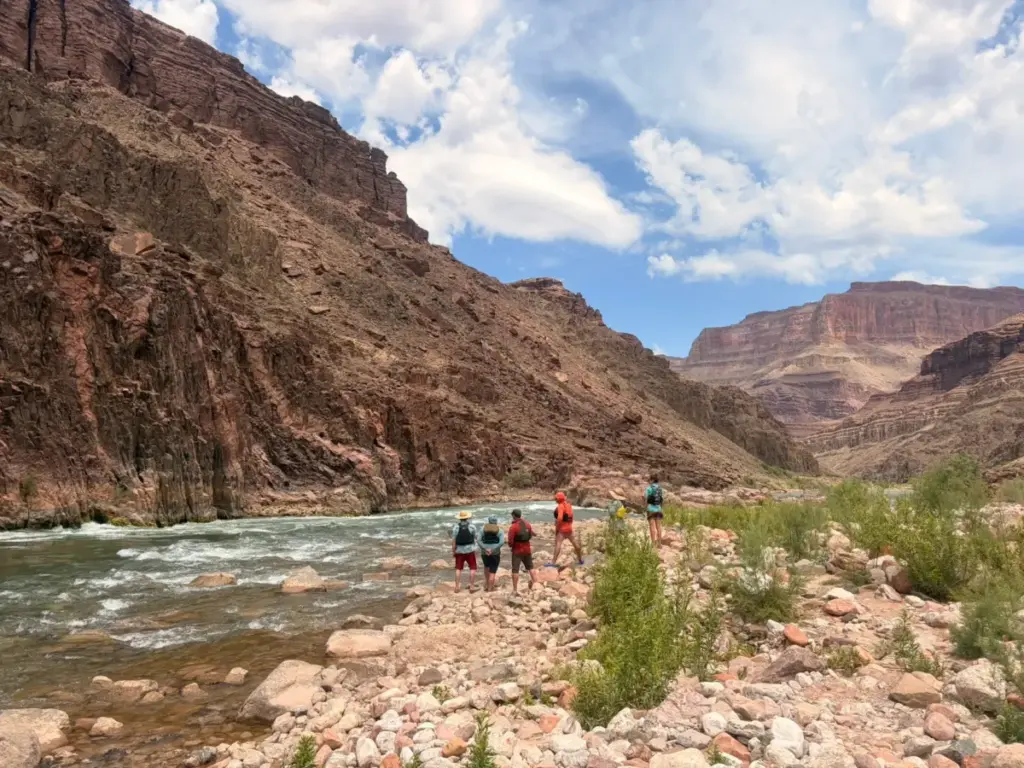
For generations, the serpentine passage of the Colorado River through the Grand Canyon has served as the ultimate proving ground for outdoor enthusiasts, whitewater veterans, and those seeking a profound encounter with the American wilderness. Spanning approximately 225 miles from Lees Ferry to Diamond Creek, this subterranean highway of roaring rapids, dramatic geological epochs, and unforgiving desert conditions demands a rare synthesis of physical resilience and psychological fortitude.
In May 2026, a small, seven-person expedition set out to conquer this legendary stretch. What was intended as a long-awaited recreational descent quickly evolved into a high-stakes masterclass in crisis management, environmental unpredictability, and the psychological deconstruction of control. Marked by medical evacuations, swift-water rescues, and a total dismantling of pre-trip logistics, the 16-day voyage underscored a fundamental truth of wilderness exploration: while thorough preparation is vital, true survival and personal growth are dictated by the capacity to adapt when structured plans disintegrate.
This report examines the intricate timeline of the expedition, the structural realities of remote river navigation, the operational lessons derived from the canyon, and the broader implications for risk management in high-consequence environments.
Detailed Chronology: The Anatomy of a High-Stakes Expedition
The descent of the Grand Canyon is rarely a benign undertaking, but the May 2026 expedition encountered an atypical concentration of adversity almost immediately. The narrative of the journey is defined not merely by the milestones achieved on the water, but by the rapid succession of critical incidents that tested the crew’s operational limits within the first 72 hours.
The Launch and Immediate Crises (Days 1–3)
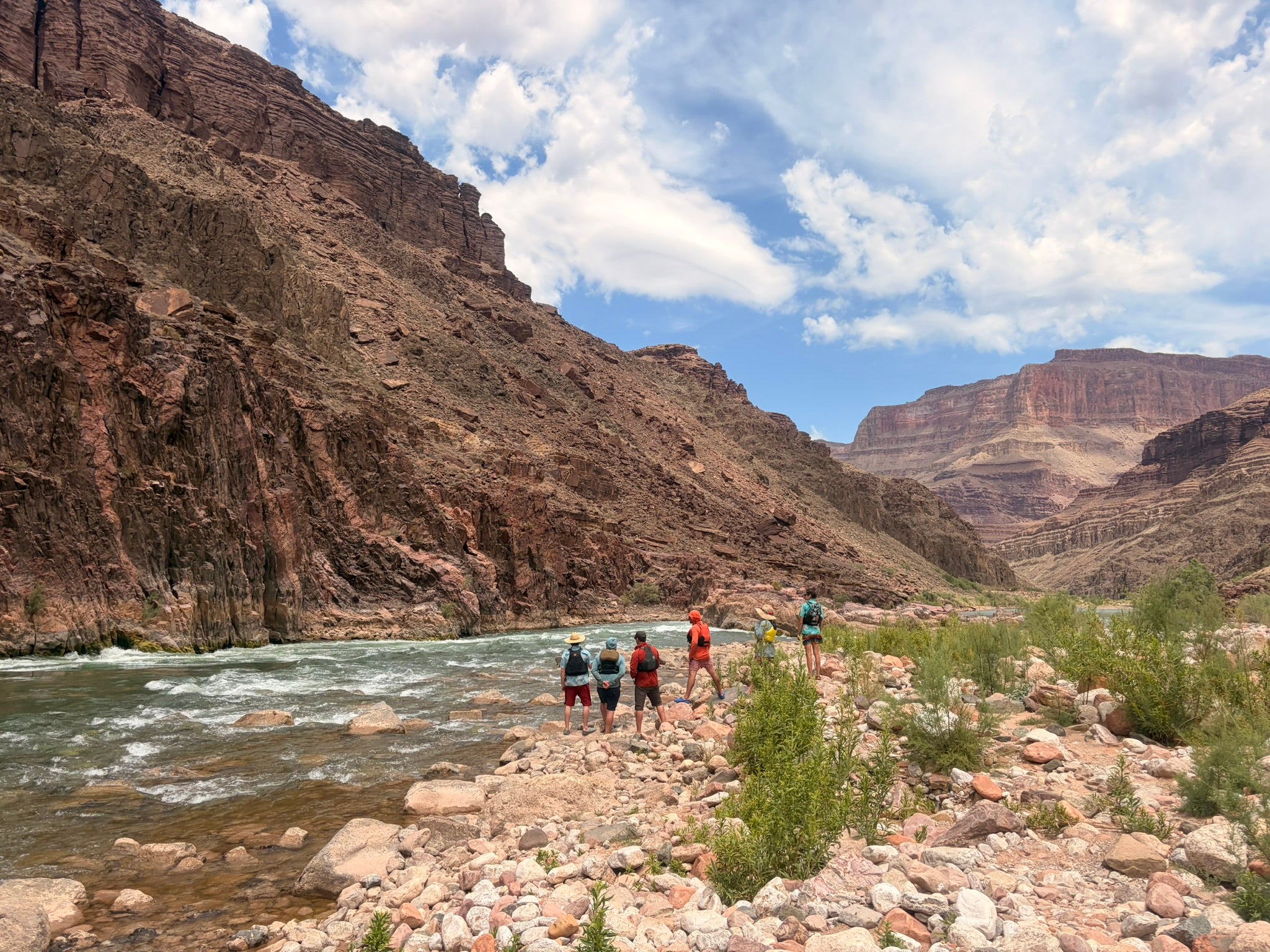
The expedition officially commenced at Lees Ferry, the traditional mile zero for Grand Canyon river runners. Comprising a modest crew of seven individuals—downscaled from an original roster due to an eleventh-hour medical emergency—the team faced its first operational trial the very night before launch. A core member of the party was hospitalized with acute abdominal pain and suspected internal bleeding, necessitating immediate medical intervention and leaving the remaining team members to absorb the logistical and psychological weight of the sudden vacancy.
With a depleted crew operating four heavy whitewater rafts, the expedition pushed off into the current. The physical realities of the Colorado River manifested swiftly on Day 2. Navigating a low-water channel rendered complex by shifting gravel bars and submerged hazards, one of the expedition’s primary rafts high-centered on a hidden rock. Freeing the vessel required two hours of grueling, high-stress physical labor under the desert sun, pushing the team’s collective anxiety levels to an early peak.
Later that same afternoon, the hazards of technical whitewater were violently underscored. A participating kayaker was caught in a submerged rope trap, pinning her underwater. Immediate, coordinated swift-water rescue protocols were deployed, resulting in her extraction just moments before a catastrophic outcome.
However, the cumulative strain of the opening days reached its zenith shortly thereafter. Another member of the expedition, who had unknowingly contracted Rocky Mountain spotted fever prior to departure, began exhibiting signs of advanced sepsis. Cut off from conventional cellular communication deep within the vertical maze of the canyon, the expedition leaders were forced to activate emergency communication protocols to coordinate a complex helicopter evacuation.
Within the span of 72 hours, the team had confronted severe trauma, technical entrapment, and a life-threatening systemic infection. For expedition members unaccustomed to the raw, unyielding scale of the canyon, these events triggered an immediate psychological crisis, characterized by profound fear, sleep deprivation, and a confrontation with the limits of personal control.
The Middle Passage: Rhythm and Adaptation (Days 4–10)
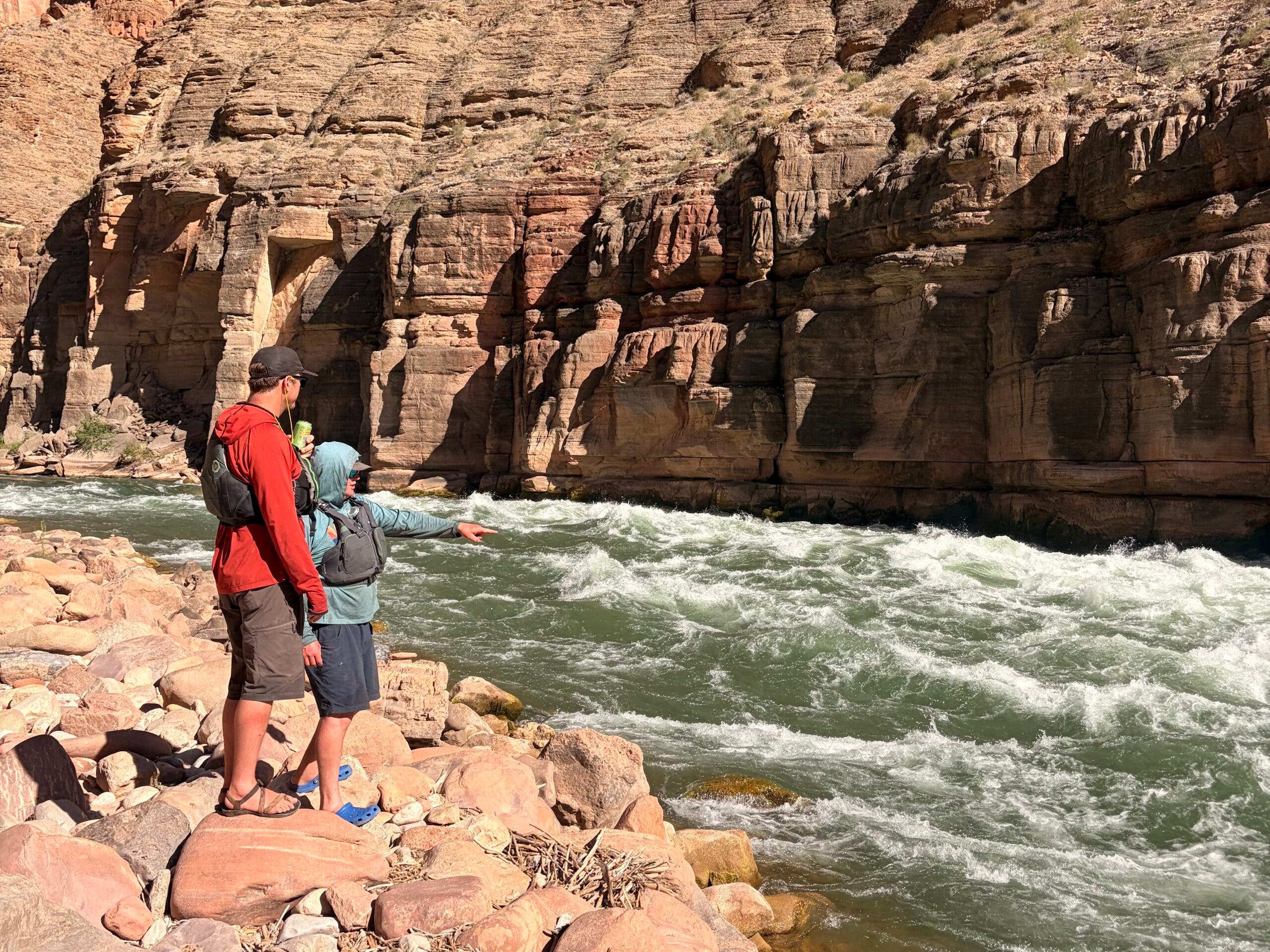
Having survived the initial crucible, the expedition entered the technical core of the canyon, encountering legendary rapids such as House Rock—noted for an eight-foot drop and a notorious boat-flipping hydraulic hole. The psychological landscape of the crew shifted during this phase. The initial impulse to control every variable, analyze every line through a rapid, and maintain rigid adherence to a strict schedule gave way to a pragmatic rhythm dictated by the river’s hydrological pace.
By the end of the first week, temporal markers such as hours and dates dissolved. The crew adapted to the diurnal cycle of the canyon: scouting major technical features, running complex sequences of whitewater, establishing camp beneath the Milky Way, and managing the mundane yet essential communal chores of expedition life. Confidence was slowly rebuilt, grounded not in the illusion of absolute safety, but in the demonstrated ability to communicate, execute rescue protocols, and rely on collective competence.
The Final Approach and Takeout (Days 11–16)
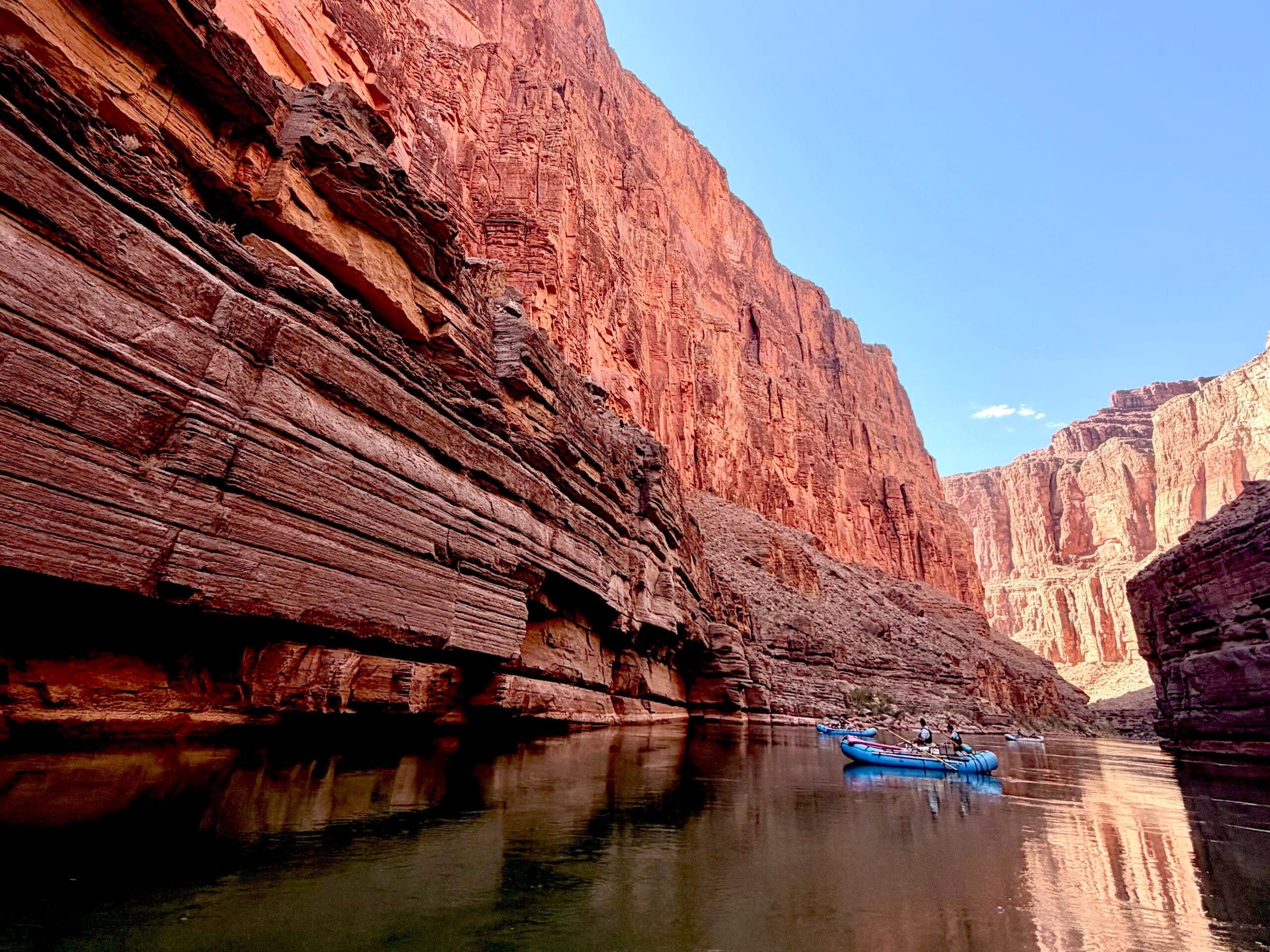
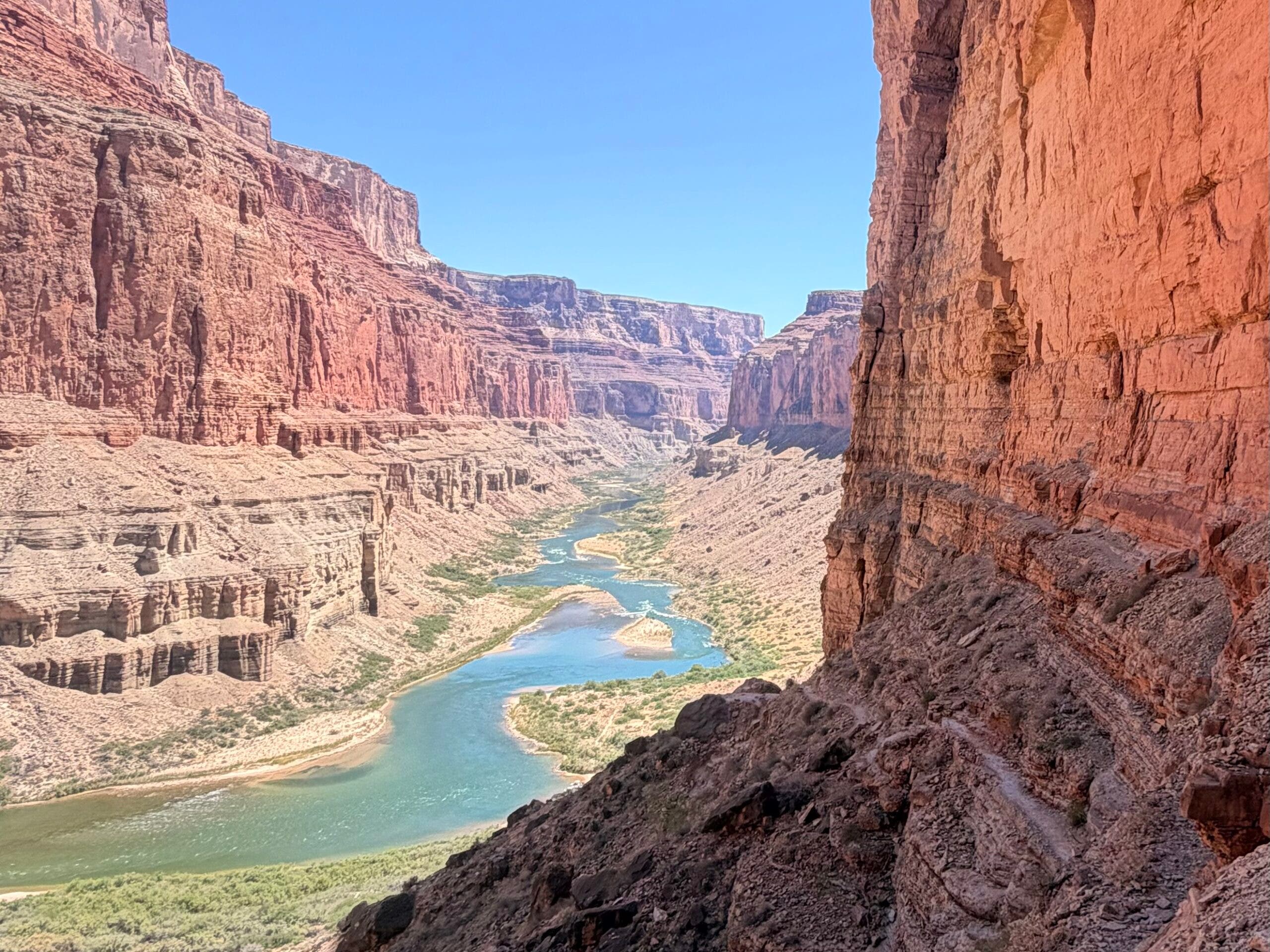
The concluding phase of the 16-day journey transitioned from acute survival to deep introspection. Navigating the final miles through towering billion-year-old geological formations, the expedition achieved a state of functional synchronicity. By the time the rafts scraped against the gravel at the Diamond Creek takeout, the participants had undergone a fundamental shift in perspective regarding risk, ego, and interpersonal dynamics in extreme environments.
Supporting Context & Metrics: Navigating the Grand Canyon
To contextualize the severity and structural demands of the 2026 expedition, it is vital to examine the quantitative and environmental parameters governing Grand Canyon river operations.
Environmental and Logistical Parameters
- Total Distance: Approximately 225 river miles from Lees Ferry (Mile 0) to Diamond Creek (Mile 225).
- Duration: Standard private and commercial motorized/non-motorized trips range from 12 to 21 days, depending on water levels and vessel type.
- Hydrological Variability: The Colorado River flow rate through the Grand Canyon fluctuates based on dam releases from Glen Canyon Dam, radically altering the technical difficulty, hydraulic features, and hazard profiles of rapids like House Rock, Upset, and Lava Falls.
- Permit System: Access to the Grand Canyon river corridor is strictly regulated by the National Park Service via a competitive lottery system, making trip coordination a rare and highly coveted opportunity.
- Emergency Evacuation Constraints: Communication is severely restricted due to the canyon’s topography. Satellite communication devices are required, and medical evacuations frequently necessitate specialized helicopter hoisting operations or long-range boat extractions.
Comparative Risk Analysis: Backcountry Skiing vs. River Expeditions
| Parameter | Backcountry Ski Touring | Grand Canyon River Expedition |
|---|---|---|
| Commitment Level | Low to Moderate; options to turn around, retreat, or exit early are generally available. | Absolute; 225 miles of continuous canyon walls preclude easy egress or shortcuts. |
| Variable Control | High individual agency regarding route selection and timing. | Highly dependent on downstream hydrology, group dynamics, and external environmental factors. |
| Logistical Dependency | Self-contained within single-day or multi-day alpine thresholds. | Entirely dependent on complex flotilla management, kitchen rigs, and communal gear sharing. |
Official Statements & Expert Insights
Industry professionals and veteran river guides have long emphasized that navigating the Colorado River is as much a psychological test as it is a physical endeavor.
- On the Nature of Whitewater Decision-Making: Veteran boaters frequently cite the maxim, "When in doubt, paddle." Hesitation in technical whitewater often results in loss of vessel momentum, which compromises the hydrodynamics required to punch through lateral waves or avoid terminal holes. Conversely, seasoned expedition leaders emphasize the doctrine of patience: allowing a heavy craft to complete its trajectory through a wave train rather than over-correcting with erratic inputs.
- On Wilderness Health and Safety: Wilderness medicine experts note that remote river corridors amplify minor health issues into major operational hazards. The rapid onset of conditions such as sepsis or severe gastrointestinal illness underscores the critical importance of pre-expedition screenings, robust first-aid protocols, and satellite-linked evacuation plans.
Future Outlook: Operational Takeaways for High-Risk Endeavors
The lessons forged during the 16-day descent extend far beyond the muddy waters of the Colorado River. They offer a robust framework for decision-making in corporate governance, emergency management, and personal development.
1. The Balance of Action and Restraint
In high-consequence scenarios, hesitation is costly, yet impulsive over-correction can exacerbate instability. Decision-makers must learn to execute a decisive action and subsequently afford the situation sufficient time to manifest its outcome before initiating secondary interventions.
2. Strategic Flexibility Over Rigid Planning
A comprehensive operational plan is essential for risk mitigation, but its primary utility lies in providing a baseline, not a mandate. When environmental variables—whether river flows, weather patterns, or market dynamics—shift unexpectedly, the capacity to discard the original plan in favor of adaptive execution is paramount.
3. De-escalation of the Ego
Expedition environments rapidly strip away superficial markers of status, competence, and self-image. True resilience is cultivated by accepting vulnerability, acknowledging one’s limitations, seeking assistance from peers, and recognizing that collective success supersedes individual performance.
4. Prioritizing Foundational Health
Complex logistical objectives are entirely dependent upon the physical and mental well-being of the participants. Ensuring baseline health—both physiological and psychological—must remain the primary operational priority in any high-stress endeavor.
As commercial and private interest in remote wilderness expeditions continues to grow, accounts like the May 2026 Grand Canyon descent serve as an essential reminder. The natural world does not bend to human organization; rather, it forces humanity to recalibrate its relationship with uncertainty, demanding humility, adaptability, and an enduring respect for the forces that shape the American landscape.