For generations, the global tourism industry has peddled a standardized checklist of must-see monuments, postcard-ready vistas, and crowded architectural marvels. From the Eiffel Tower to the Colosseum, millions of travelers funnel through identical pathways, capturing the exact same photographs and returning home with surface-level impressions of foreign cultures. But do these heavily commercialized attractions reveal the true heartbeat of a destination?
Increasingly, independent explorers are answering with a resounding no. Solo travel, in particular, has evolved past the traditional backpacker checklist. Modern adventurers are shifting their gaze away from monumental sightseeing and toward immersive, community-centric exploration. By intentionally stepping off the beaten path and adopting the daily habits, transit systems, neighborhood spaces, and social rituals of residents, solo travelers are discovering a richer, more profound way to understand the world.
This investigative look examines the psychological and cultural shifts driving this movement. By drawing on insights from seasoned globetrotters, community travel networks, and behavioral studies on human connection, this article explores how living like a local transforms solo travel from a solitary sightseeing trip into a deeply integrated cultural exchange—often at a fraction of the cost of mainstream tourist itineraries.
Detailed Chronology: The Evolution of Immersive Travel
To understand the current appetite for "living like a local," it is necessary to trace how independent tourism has transformed over the past few decades. The desire for authenticity is not entirely new, but the mechanisms for achieving it have shifted dramatically.
Phase 1: The Age of the Grand Tour and Package Sightseeing (Late 20th Century)
For decades, international travel was synonymous with structured tour groups, rigid itineraries, and standardized luxury or budget hotels. Travelers were largely passive consumers of culture. They viewed foreign destinations through the tinted windows of tour buses, eating at tourist-centric restaurants and staying within bubbles explicitly designed to insulate them from local realities. While safe and predictable, this approach fostered little genuine cross-cultural understanding.
Phase 2: The Backpacking and Hostel Revolution (Early 2000s)
As budget airlines democratized global flight, a massive wave of independent backpacking swept the globe. Hostels became epicenters for cultural sharing, but a distinct subculture emerged: the "backpacking bubble." Travelers often spent more time socializing with other tourists from their home countries than engaging with the actual residents of the host nation. While autonomy increased, true integration into local society remained elusive for many.
Phase 3: The Collaborative Economy and Alternative Accommodations (2010s)
The introduction of home-sharing platforms, peer-to-peer apartment rentals, and localized experience marketplaces fundamentally altered the travel landscape. For the first time, travelers could sleep in residential neighborhoods rather than hotel districts. They could shop at neighborhood open-air markets, cook in local kitchens, and book specialized excursions led directly by residents. This era marked the birth of mainstream "locavore" travel.
Phase 4: The Modern Era of Hyper-Local, Community-Driven Solo Travel (Present Day)
Today, post-pandemic travel trends show an unprecedented surge in solo travel, particularly among women and older adults. Driven by a desire for meaningful connection over superficial sightseeing, modern solo travelers are utilizing micro-platforms—such as home-dining networks, regional public transit apps, neighborhood cultural centers, and hyper-targeted social media travel communities—to blend seamlessly into the fabric of daily life abroad.
Supporting Context & Metrics: The Shift Toward Experiential Travel
Statistics from global tourism boards and independent travel associations underscore a massive psychological pivot among contemporary travelers.
The Economics of Comfort vs. Experience: While budget travel has its proponents, a significant segment of experienced solo travelers prioritize quiet, comfortable, long-term accommodation—such as residential apartment rentals lasting a week or more—over flashy hotels. By securing a comfortable base camp, travelers reduce the friction of daily logistics, allowing them mental space to observe and participate in local rhythms.
The Cost-to-Connection Ratio: Industry data indicates that experiential, community-based interactions (such as attending neighborhood theater productions, joining community classes, or sharing meals in private homes) are often significantly cheaper than commercial tourist excursions like helicopter tours or VIP theme park passes. Yet, they yield an exponentially higher "return on investment" in terms of interpersonal connection, cultural literacy, and lifelong memories.
The Rise of the Solo Demographic: Demographic studies reveal that solo travelers are no longer just young students on gap years; they span all age groups, with a notable increase in independent mature travelers. This demographic seeks depth, safety, and personal enrichment, making community-focused immersion an ideal strategy.
Strategies for Living Like a Local: Insights from the Global Community
When traveling alone, breaking the ice and penetrating closed social circles can feel daunting. However, members of global solo travel networks consistently point to specific, accessible avenues for bridging the gap between tourist and resident.
1. Dining with Residents: Private Home-Sharing Platforms
One of the fastest ways to understand a culture is through its food, but restaurants often cater to tourist palates or prioritize rapid table turnover. Platforms like Eatwith have revolutionized culinary travel by allowing visitors to dine directly inside the homes of local hosts.
The Experience: Sitting around a private dining table in Lisbon, Buenos Aires, or Tokyo strips away the consumer-merchant barrier. Guests share stories, learn family recipes, and gain unfiltered perspectives on local politics, economics, and daily life.
Why It Matters for Solo Travelers: Dining alone in public restaurants can sometimes feel intimidating for newcomers. Home-dining experiences provide an instant, built-in social circle in a warm, intimate environment.
2. Prioritizing Residential Neighborhoods Over Hotel Hubs
Where you rest your head dictates how you experience a city. Booking a multi-week apartment rental in a strictly residential district rather than a downtown tourist hub forces you out of the souvenir-shop ecosystem and into the daily commute.
The Routine: Buying your morning coffee from the same neighborhood barista, picking up fresh produce at the corner green grocer, and doing laundry at a local laundromat transforms you from a transient visitor into a temporary neighbor. Residents begin to recognize you, greet you, and offer unprompted advice on neighborhood gems.
3. Embracing Public Transit as a Cultural Classroom
Tourist hop-on-hop-off buses insulate passengers from reality. In contrast, navigating local subways, trams, and buses places you directly inside the collective pulse of a city.
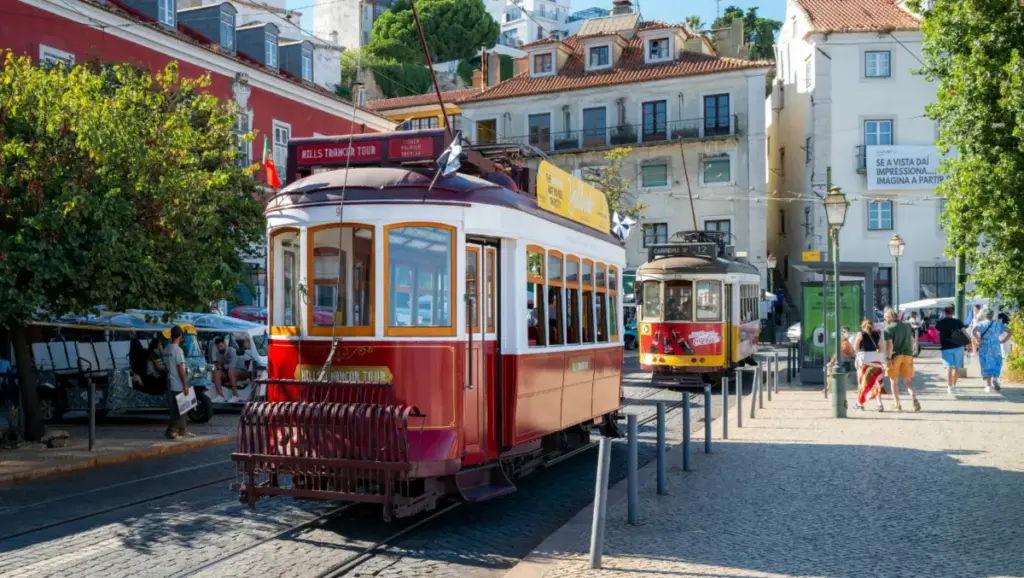
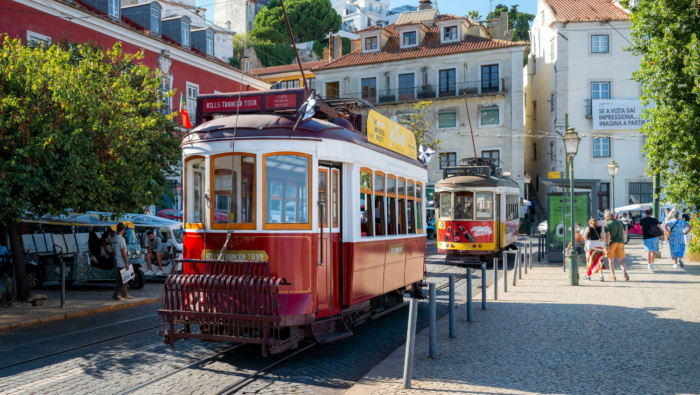
Observing Local Life: Whether it’s watching commuters read the morning paper on a Lisbon tram, navigating the silent etiquette of the Tokyo subway, or riding a crowded bus in Latin America, public transit offers a masterclass in local sociology. It teaches you how a city moves, breathes, and organizes itself.
4. Attending Community-Level Cultural Events
While world-famous institutions like the Louvre or Broadway draw massive crowds, local culture thrives on a hyper-local scale. Seek out neighborhood theater companies, community art shows, amateur sports leagues, and local festivals.
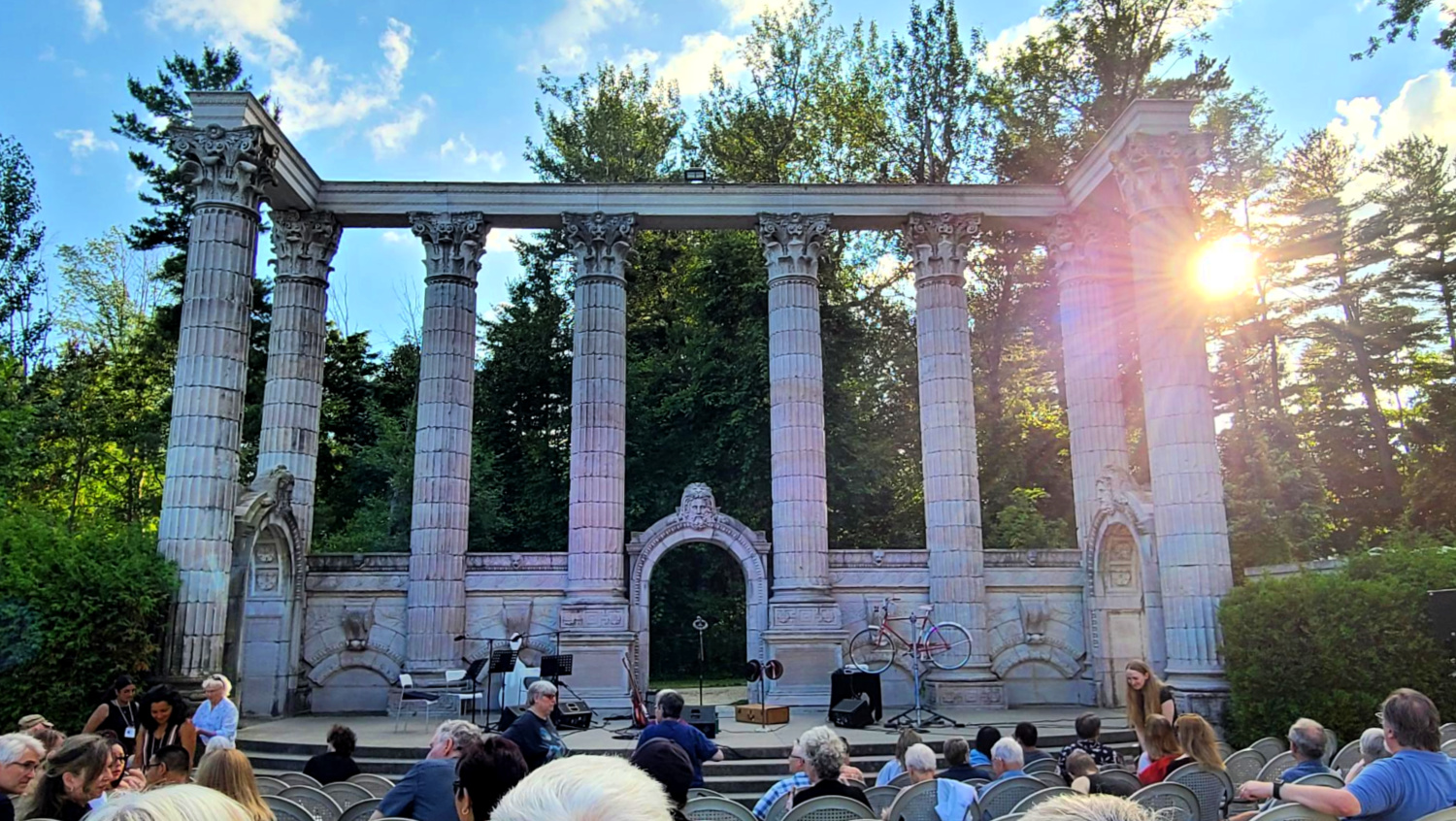
Example: Attending a performance at a regional venue like Scarborough’s Guild Theatre or catching an independent local band in a neighborhood pub offers a window into the contemporary artistic pulse of a destination. These spaces are populated almost entirely by residents, making them fertile ground for authentic conversations.
Official Statements & Expert Perspectives
Industry leaders and experienced cultural anthropologists emphasize that authentic travel is fundamentally an exercise in empathy and active listening.
"When we travel, we often suffer from the illusion that seeing more monuments equates to learning more about a place," notes a leading cultural tourism researcher. "True cultural literacy doesn’t come from checking off landmarks; it comes from context. It comes from understanding how people shop, how they commute, what makes them laugh, and how they gather in community spaces. Solo travelers are uniquely positioned to achieve this because they aren’t distracted by internal group dynamics."
Veterans of the Solo Travel Society echo this sentiment, emphasizing that vulnerability and curiosity are a traveler’s greatest assets:
"When you travel alone, people are inherently more approachable," shares a long-term solo globetrotter. "If you sit in a tour group, you are closed off. But when you sit at a neighborhood cafe, ride public transit, or attend a local community theater event on your own, you are approachable. Locals are often delighted to share their world with someone who takes genuine, respectful interest in their daily lives rather than just treating their home as a backdrop for vacation photos."
Future Outlook: The Sustainable Future of Immersive Solo Travel
As global tourism continues to rebound and expand, destinations worldwide are increasingly grappling with the pressures of over-tourism. Historic city centers are being hollowed out by short-term party rentals, and local residents are pushing back against the commodification of their neighborhoods.
In this shifting climate, the "live like a local" movement is not merely a style preference for solo travelers; it is becoming a sustainable imperative. By spreading economic benefits outside traditional tourist zones, respecting residential boundaries, and prioritizing meaningful human connections over passive consumption, independent travelers can help alleviate the strain on congested urban centers.
Looking ahead, the future of solo travel belongs to those who view the world not as an amusement park to be conquered, but as a living, breathing community to be respected. By embracing neighborhood living, public transit, home dining, and local cultural events, solo travelers can unlock the true soul of a destination—returning home not just with souvenirs, but with genuine global citizenship.