
However, a profound shift is underway. A different kind of calendar is beginning to dictate global travel flows—one governed not by weather patterns or academic semesters, but by the tour schedules of pop icons, the rotation of major sports tournaments, and the dates of global cultural festivals.
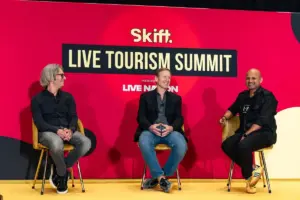
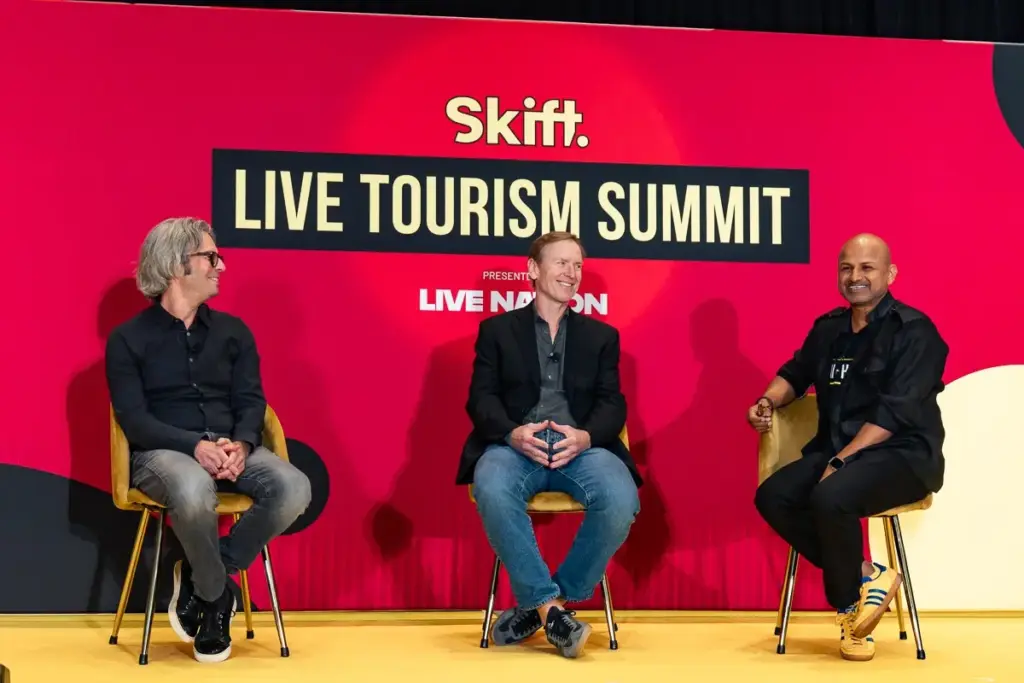
This emerging landscape was the focal point of the recent Live Tourism Summit, where industry leaders gathered to dissect how live entertainment is fundamentally rewriting the rules of travel demand. The consensus was clear: the travel sector is lagging behind a massive, highly lucrative market because it remains tethered to outdated forecasting models.
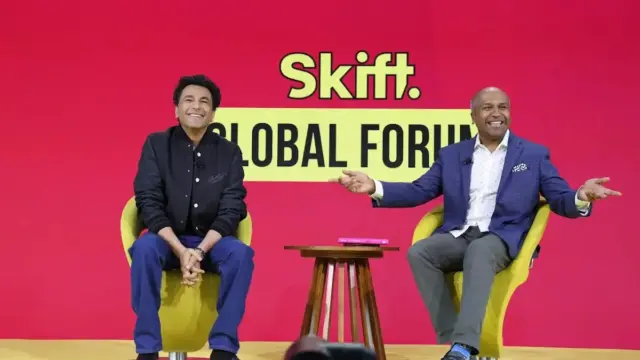
"Travel companies still build much of their business around weather, school holidays, and historical demand patterns," observed Rafat Ali, founder and CEO of Skift, during the summit. "Live entertainment works on a different calendar."
This misalignment represents both a massive missed opportunity and a critical area for innovation. As live events draw millions of travelers across borders, the businesses that learn to sync their operations with the entertainment calendar stand to capture an unprecedented wave of high-yield demand.
The Friction of Mismatched Timelines
To understand why travel companies struggle to capitalize on live entertainment, one must look at the fundamental mismatch in planning horizons between the two industries.
For a traditional hotel or airline, forecasting is a reactive science. Revenue management systems look backward at historical data to predict future booking curves. They know, for example, that a specific city experiences a 15% bump in occupancy during the second week of October due to autumn foliage tourism.
The live entertainment sector, conversely, operates on an entirely different timeline. Tours are booked, stadium contracts are signed, and festival permits are secured months—sometimes years—in advance of any public announcement.
"From tour schedules to major sports tournaments, so much of the live tourism demand is already baked in for months and years to come," Ali explained.
By the time a travel company registers a spike in search traffic for a specific weekend, the demand has already been building in the shadows for a year. The consumers driving that demand—passionate fans, dedicated sports enthusiasts, and festival-goers—knew exactly where they were going the moment tickets went on sale, long before they ever searched for a flight or a hotel room. This lag leaves travel providers playing catch-up, often adjusting their prices too late or failing to offer tailored packages that could have secured premium bookings early in the cycle.
The Anchor Effect: How Event Tickets Dictate Travel Flows
In traditional leisure travel, the destination is the primary decision point. A traveler decides they want to visit Paris, and then they figure out what they will do once they arrive.
In the realm of live tourism, this decision-making process is completely inverted. The event itself is the anchor. A traveler secures a ticket to a championship match, a multi-day music festival, or a rare concert performance, and the destination becomes a secondary detail—a backdrop to the main event.
This "anchor effect" completely upends traditional booking windows. When tickets for major global events go on sale, they are often sold out within minutes, often a year in advance of the actual event. The moment a consumer secures that highly coveted ticket, their travel intent is locked in.
Even if the traveler does not immediately book their flight or hotel, their commitment to travel is absolute. They have already made the financial and emotional investment. The live entertainment industry holds this invaluable data—the knowledge of guaranteed future travel—long before the travel ecosystem even realizes a surge is coming.
For hospitality and aviation brands, this represents a blind spot. Because their systems are not integrated with ticketing platforms, they cannot see the massive wave of guaranteed demand sitting on the horizon. They remain blind to the fact that thousands of people have already committed to visiting their city on a specific weekend twelve months in the future.
Rethinking Revenue Management for the Passion Economy
The rise of live tourism is a direct byproduct of the "passion economy," where consumers prioritize spending on unique, shared experiences over material goods. For these travelers, price sensitivity behaves differently. A fan who has spent hundreds of dollars on a festival ticket is far more likely to accept higher lodging and transport costs because the trip is viewed as a non-negotiable, once-in-a-lifetime experience.
To capture this high-value demographic, travel companies must move beyond legacy revenue management systems that rely solely on historical data.
Overcoming the Algorithmic Blindspot
Standard hotel revenue algorithms are designed to raise rates gradually as occupancy fills up. However, when a major event is announced, demand does not trickle in; it explodes overnight. If a hotel’s pricing system does not account for the event calendar, it may sell out its inventory at standard rates within hours of the event announcement, missing out on the significant premium that passionate event-goers are willing to pay.
Embracing Predictive Event Data
To solve this, forward-thinking travel brands are beginning to integrate external event databases into their pricing and inventory systems. By tracking concert announcements, sports schedules, and convention calendars, revenue managers can proactively adjust their pricing strategies before the booking surge begins. This allows them to maximize yield and manage inventory far more effectively.
Strategic Imperatives: How the Travel Industry Can Adapt
The discussions at the Live Tourism Summit highlighted several actionable strategies that travel companies, destination marketing organizations (DMOs), and hospitality brands must adopt to bridge the gap between the travel and entertainment calendars.
1. Investing in Recurring Event Ecosystems
While one-off mega-events like the Olympics or a massive stadium tour bring a welcome surge of economic activity, they are highly disruptive and difficult to plan around long-term. The real sustainable growth lies in recurring events.
Annual music festivals, recurring sporting rivalries, and established cultural exhibitions offer travel brands a predictable framework. By investing in long-term partnerships around these recurring events, hotels and airlines can build reliable, year-over-year revenue streams that are insulated from seasonal weather variations.
2. Creating "Event-First" Travel Bundles
Consumers want convenience. Currently, planning a trip around a live event is a fragmented process: the consumer buys a ticket on one platform, books a flight on another, secures a hotel on a third, and searches for local dining and transit options independently.
There is a massive opportunity for travel companies to partner directly with entertainment producers to offer seamless, all-in-one packages. Imagine booking a concert ticket that automatically prompts a curated selection of nearby hotels, flight options with event-friendly flexible cancellation policies, and local transit passes tailored to the venue’s schedule. By bundling these services, travel brands can capture a larger share of the traveler’s total spend while providing a frictionless experience.
3. Redefining the Role of Destination Marketing Organizations (DMOs)
Historically, DMOs have focused on promoting a city’s static assets—its museums, parks, and culinary scene. In the era of live tourism, DMOs must evolve into active curators of the local event calendar.
Rather than simply marketing a city as a general summer destination, DMOs should collaborate with local venues and promoters to build comprehensive campaigns around upcoming events. By helping visitors understand how to extend their event-based trip into a multi-day vacation, DMOs can drive longer stays and distribute the economic benefits of live tourism across the wider local community.
The Future of Global Travel Flows
As the world becomes more digitally connected, the desire for physical, shared human experiences is only growing stronger. Live tourism is not a temporary trend; it is a structural evolution in how people choose to travel.
The companies that continue to rely solely on the traditional calendars of weather and school holidays will find themselves increasingly out of step with consumer behavior. Conversely, those that learn to read the live entertainment calendar will unlock a predictable, resilient, and highly profitable pipeline of demand.
Ultimately, the Live Tourism Summit served as a wake-up call. The demand is already there, baked in for months and years to come. The only question is whether the travel industry is ready to change its calendar to meet it.