







Executive Overview
For the modern traveler, striking a harmonious balance between packing light and remaining adequately prepared for unexpected mishaps is an ongoing logistical challenge. Whether navigating a bustling international airport, embarking on a multi-week cruise, or traversing rugged terrain on a weekend getaway, the margin for error when packing is razor-thin. Overpacking leads to cumbersome bags and excessive baggage fees, while underpacking invites discomfort, stress, and unnecessary expenses on the road.
To resolve this perennial dilemma, seasoned travelers are increasingly turning toward a highly specialized solution: the dedicated Travel Essentials Kit. Unlike a traditional toiletry bag filled with daily-use items or a bulky, comprehensive first-aid kit, this compact pouch serves as a centralized repository for high-utility, problem-solving items. It houses items that are rarely needed on a daily basis, yet prove utterly invaluable when minor emergencies strike. From unexpected wardrobe malfunctions and sudden insect swarms to impromptu sun exposure and minor scrapes, a well-curated essentials kit bridges the gap between minimalism and absolute preparedness.
This report explores the mechanics of building, maintaining, and optimizing a professional-grade travel essentials kit. Drawing from expert packing methodologies, this guide details the must-have items for your kit, offers sustainable alternatives for eco-conscious voyagers, and evaluates the best containment solutions to keep your gear organized, accessible, and ready for deployment at a moment’s notice.
Detailed Chronology: The Evolution of Modern Travel Packing
To understand the necessity of the modern travel essentials kit, one must examine how global mobility and packing strategies have evolved over the past few decades.
The Era of Oversized Luggage (Late 20th Century)
Historically, international vacations and long-haul cruises were synonymous with massive steamer trunks and multiple checked bags. Travelers operated under the assumption that packing every conceivable item—from full-sized toiletries to extensive toolkits—was the safest way to hedge against unpredictability. However, the operational landscape of commercial aviation shifted dramatically at the turn of the 21st century.
The Low-Cost Carrier and Carry-On Revolution (2000s–2010s)
The rise of budget airlines and the implementation of stringent TSA liquid restrictions (the famous 3-1-1 rule introduced in 2006) fundamentally disrupted traditional packing habits. Travelers were forced to downsize drastically. Suddenly, packing efficiently became a specialized skill. The challenge shifted from “How much can I bring?” to “What can I realistically live without?”
During this period, travel gear manufacturers began introducing travel-sized toiletries. Yet, a crucial gap remained: while shampoo and toothpaste were easy to find in miniature sizes, tactical problem-solvers—such as single-use stain removers, emergency sanitation wipes, and specialized medical barriers like blister patches—were often overlooked or packed in bulky, full-sized retail packages.
The Rise of Micro-Preparedness (Present Day)
Today’s travelers demand hyper-efficiency. The contemporary travel essentials kit represents the culmination of this evolution. By decoupling daily-use toiletries from emergency problem-solvers, travelers can maintain an ultra-light main luggage footprint while keeping a dedicated, grab-and-go kit accessible in a backpack, purse, or carry-on. This compartmentalized approach ensures that whether a traveler is facing a delayed flight layover, a sudden rainstorm, or a long hike through mosquito-heavy terrain, the appropriate remedy is always within arm’s reach.
Supporting Context & Metrics: The Anatomy of a High-Utility Kit
When curating an essentials kit, every square inch and ounce matters. The ideal kit must be lightweight, TSA-compliant, and densely packed with items that offer maximum utility in high-stress situations. Below is a detailed breakdown of the core components recommended for an optimized travel kit.
1. Environmental Protections (Bug Repellent & Sunscreen)
Environmental exposures are among the most common discomforts travelers face. While long-term trips warrant full-sized bottles, short excursions or unpredictable itineraries call for micro-alternatives.
- Bug Repellent Wipes or Pads: Traditional aerosol sprays are prohibited in carry-on luggage and take up unnecessary space. Insect repellent wipes—such as OFF! Deep Woods Wipes—allow for precise, controlled application without the risk of liquid spills or chemical inhalation in tight airplane cabins.
- Sunscreen Packets: Sunburns can occur unexpectedly during outdoor dining, walking tours, or unexpected transit delays. Single-use sunscreen packets (like Banana Boat Sport Sunscreen) slip effortlessly into a wallet or kit, providing instant UV defense without the bulk of a plastic bottle.
2. Hygiene and Sanitation Solutions
Sanitation standards vary drastically across international destinations, making personal hygiene packets a non-negotiable component of any travel kit.
- On-the-Go Flushable Wipes: Encountering a public restroom devoid of toilet paper is a universal travel nightmare. Compact flushable wipes (MightyGood Wipes) provide peace of mind in roadside rest stops, porta-potties, and underdeveloped transit hubs. (Traveler’s Note: While labeled flushable, seasoned travelers advise disposing of them in waste bins when abroad to avoid plumbing complications).
- Toothbrush and Deodorant Wipes: Long-haul flights and multi-leg layovers often leave travelers feeling less than fresh. Single-use dental and deodorant wipes offer a rapid, waterless refresh, revitalizing travelers before they step off the plane into business meetings or vacation itineraries.
3. Wardrobe and Gear Mending
A single spill or torn seam can ruin an outfit, but minor textiles mishaps can be neutralized instantly with the right tools.
- Stain Removal Wipes: Spilling coffee or wine on a white shirt is an occupational hazard of travel. Shout Wipes chemically break down fresh organic stains on contact, saving garments from permanent ruin.
- Safety Pins: A timeless multi-tool, safety pins serve as emergency fasteners for broken zippers, loose straps, makeshift hemming, or securing luggage tags.
4. First-Aid & Injury Management
Walking tours, hikes, and active excursions inevitably lead to minor physical wear and tear.
- Standard Bandages & Blister Bandages: Blistered heels can derail a vacation faster than almost anything else. Specialized blister bandages feature thick hydrocolloid padding that cushions friction points far more effectively than standard adhesive strips.
- Topical Ointments (Antibiotic Gel & Hydrocortisone): Single-use foil packets of antibiotic gel and hydrocortisone cream prevent infections in minor cuts and soothe the relentless itch of insect bites or allergic rashes.
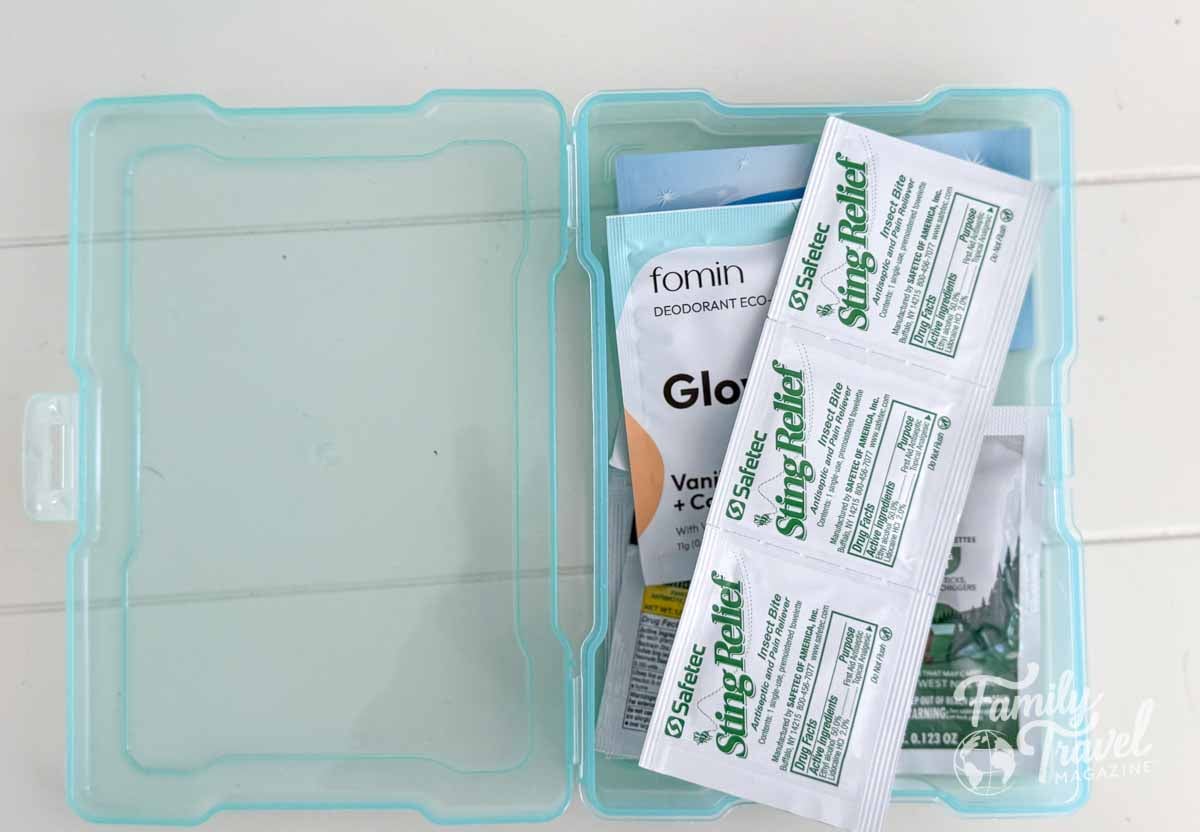
- Sting Relief Wipes: Essential for outdoor enthusiasts exploring wooded areas or tropical climates, targeted sting-relief pads neutralize insect venom rapidly upon contact.
Official Guidelines & Sustainability Considerations
As the global travel industry places greater emphasis on environmental stewardship, frequent flyers are increasingly scrutinizing the sustainability of single-use travel products.
Addressing the Sustainability Dilemma
Many high-utility travel items—such as foil-packet sunscreens, single-use wipes, and individually wrapped ointments—rely on single-use plastics and packaging. While these items are undeniably convenient, they contribute to environmental waste if used indiscriminately.
Industry experts and eco-conscious travel advocates recommend several mitigation strategies:
- Bulk Purchasing and Decanting: Instead of buying dozens of travel-sized bottles, purchase larger value-sized containers and decant liquids into reusable, high-performance silicone or hard-shell travel capsules (such as Cadence capsules).
- Shared Kits: If you purchase commercial multi-packs of single-use items (such as a box of 25 antibiotic ointment packets), split the inventory with travel companions or family members rather than letting excess products go to waste.
- Responsible Disposal: Always adhere to Leave No Trace principles. Never discard wipes, wrappers, or packaging in natural environments, and be mindful of local municipal plumbing capacities when disposing of personal sanitation products.
Future Outlook: The Next Generation of Travel Organization
Looking ahead, the market for travel accessories is shifting toward modularity, smart materials, and multi-functional design.
Innovative Containment Solutions
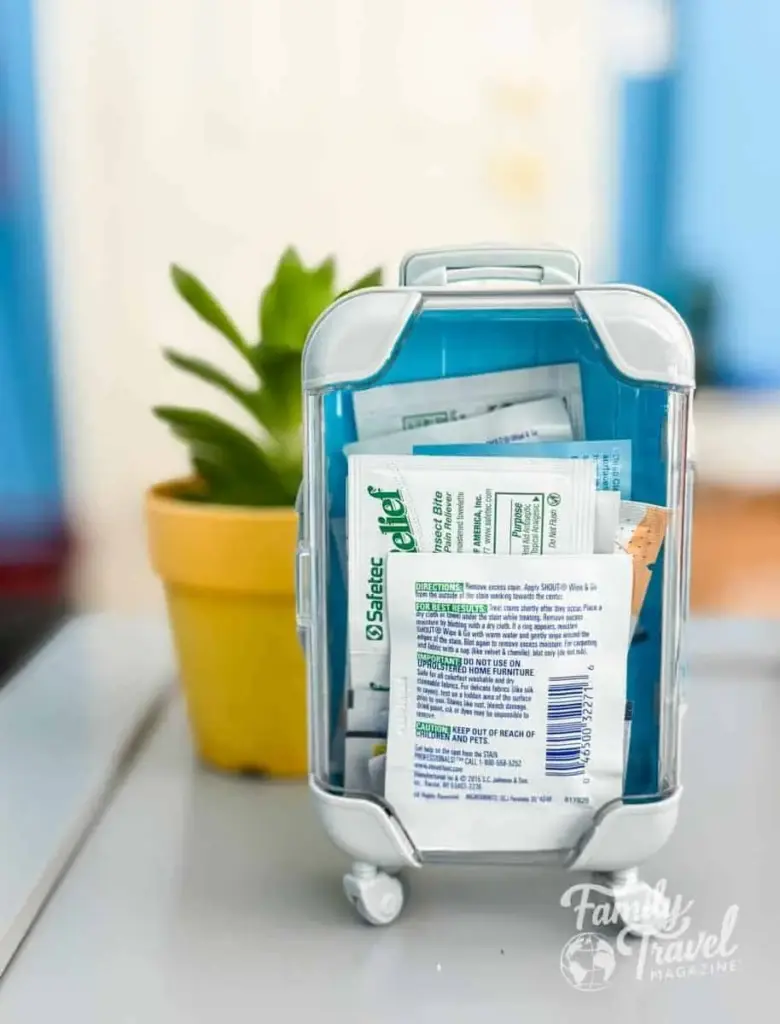
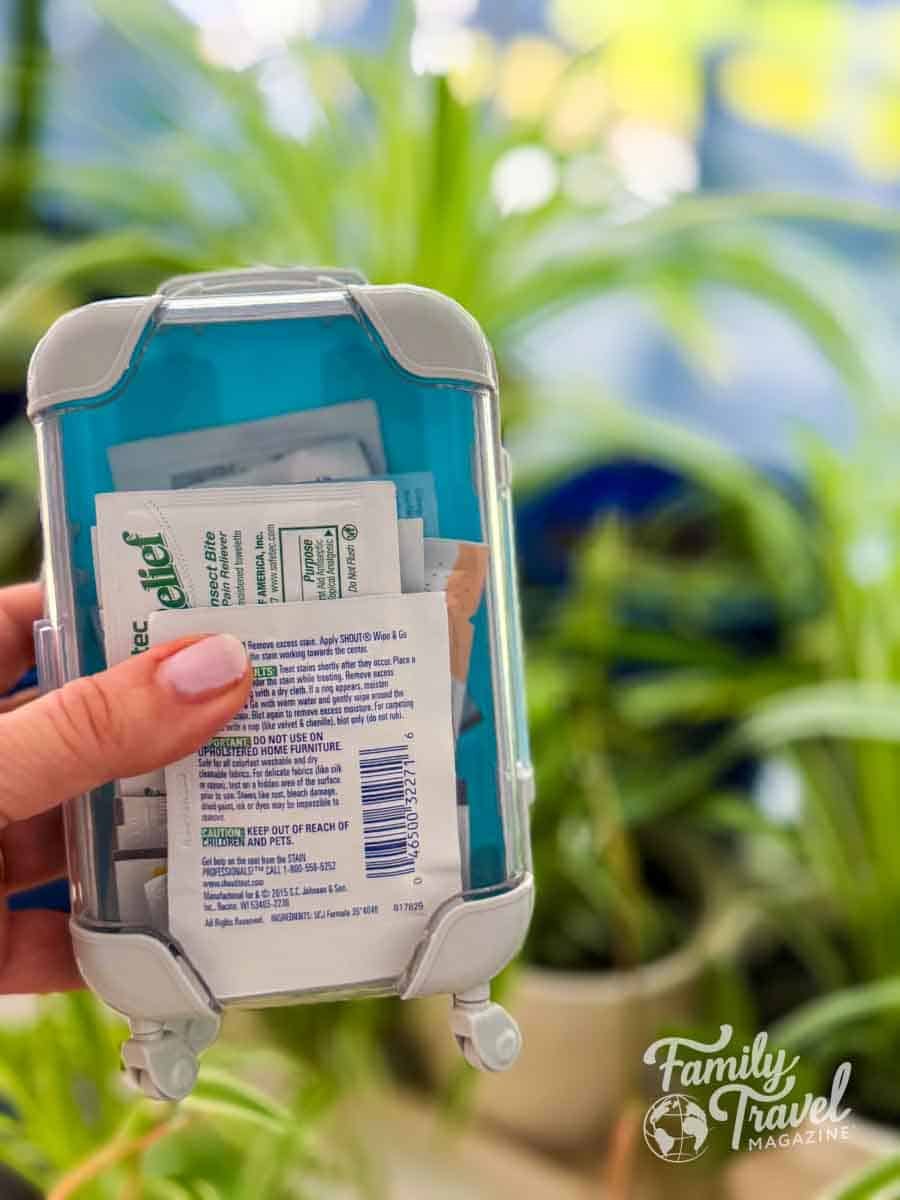
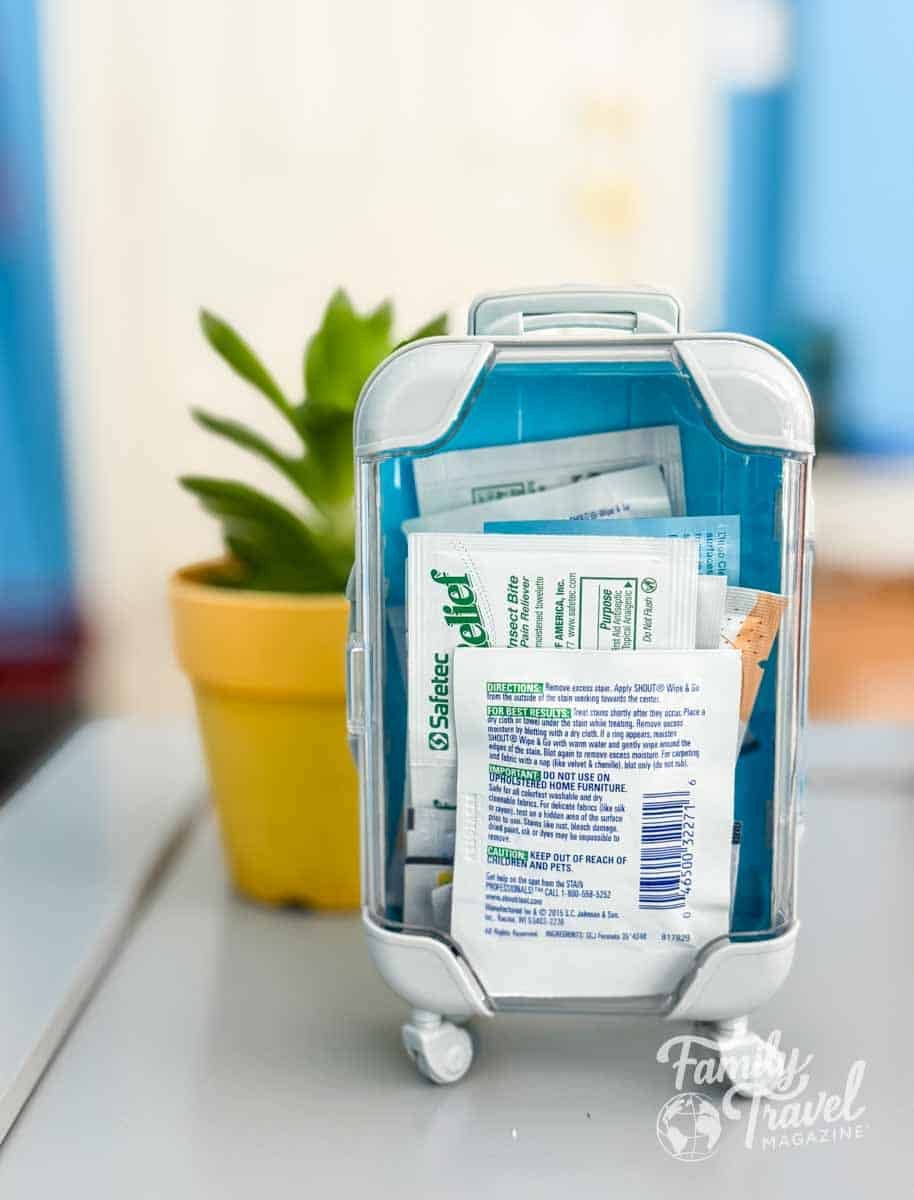
Once the contents of an essentials kit are selected, finding the right housing unit is paramount. While traditional fabric makeup pouches and Ziploc bags remain popular, innovative travelers are repurposing commercial storage units for maximum organization. For instance, clear multi-compartment photo storage boxes or miniature suitcase-shaped hard-shell cases allow travelers to categorize items logically—separating first-aid supplies from sanitation wipes and garment repair tools.
The Expanding Scope of the "Everyday Carry" (EDC)
What began as a specialized aviation hack has officially transcended the boundaries of vacation travel. Data indicates that over 70% of travelers who maintain an essentials kit continue to deploy it during everyday domestic scenarios, including weekend road trips, youth sports tournaments, theme park visits, and daily commutes.
As urban mobility increases and consumers prioritize self-reliance, the travel essentials kit is evolving from a seasonal vacation accessory into an essential component of modern lifestyle preparedness. By investing time into curating a personalized, lightweight kit, travelers ensure that no matter where their journey takes them, they remain fully equipped to handle whatever minor obstacles cross their path.