








As the global aviation industry transitions into the winter scheduling season, airline network planners are deploying their most valuable assets—long-haul, widebody aircraft—to a highly unusual mix of destinations. The launch of a new international air route is never a casual decision. By the time a flight transition from an abstract concept on a planning whiteboard to an active listing on an airport departure board, it has undergone months of intense market analysis, financial forecasting, and diplomatic coordination.
None of this preparation comes cheap. Launching a single long-haul route can cost millions of dollars in upfront marketing, regulatory approvals, airport slot acquisitions, and crew positioning. Even with the most sophisticated data analytics, success is never guaranteed; the history of commercial aviation is littered with highly anticipated routes that failed to yield sustainable profits and were quietly quietly cut from schedules.
Yet, as the end of the year approaches, several major global carriers are taking calculated risks on unconventional city pairings. From the snow-covered peaks of northern Japan to the ultra-competitive corridors of Australia and the rapidly transforming travel market of Saudi Arabia, these new routes offer valuable clues about where airlines see emerging premium demand and shifting geopolitical opportunities.
The Battle for Hokkaido’s Winter Wonderland
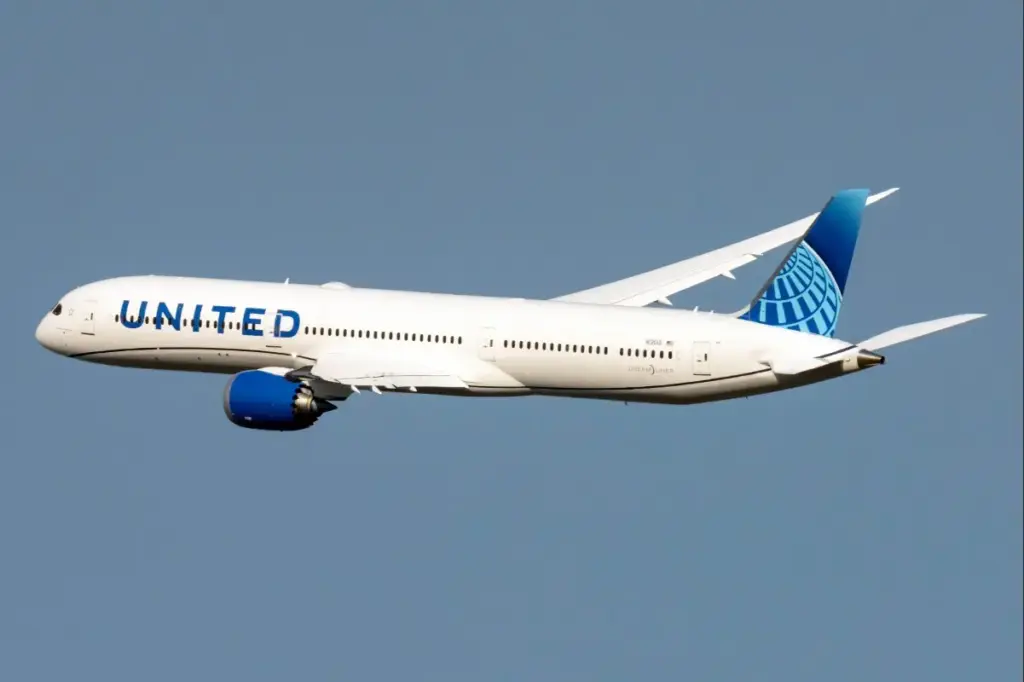
Among the most notable developments this winter is a coordinated push by North American carriers into northern Japan. Both United Airlines and Air Canada are launching seasonal, three-times-weekly nonstop widebody services to Sapporo’s New Chitose Airport (CTS), positioning themselves to capture a highly lucrative segment of the winter sports market.
Winter 2024 Sapporo Nonstop Launches:
┌─────────────────────────┬─────────────────────────┬─────────────────────────┐
│ Airline                 │ Departure City          │ Launch Date             │
├─────────────────────────┼─────────────────────────┼─────────────────────────┤
│ United Airlines         │ San Francisco (SFO)     │ December 11             │
│ Air Canada              │ Vancouver (YVR)         │ December 17             │
└─────────────────────────┴─────────────────────────┴─────────────────────────┘
United Airlines will initiate its service from its San Francisco (SFO) hub on December 11, followed closely by Air Canada, which will begin flights from its Vancouver (YVR) hub on December 17.
The Allure of "Japow" and Luxury Ski Tourism
Historically, North American travelers heading to Hokkaido’s world-famous ski resorts, such as Niseko and Rusutsu, had to fly into Tokyo’s Haneda or Narita airports and transfer to domestic flights or bullet trains. This journey was often cumbersome, particularly for travelers carrying bulky ski gear.
By offering direct, widebody service, United and Air Canada are eliminating this friction. The decision to deploy widebody aircraft is highly strategic:
- Cargo Capacity: Widebodies offer the underfloor cargo space necessary to transport large volumes of heavy winter sports equipment alongside standard passenger luggage.
- Premium Cabin Demand: The Hokkaido region, particularly Niseko, has undergone a dramatic transformation over the past decade. Once a rustic destination favored by regional backpackers, it has evolved into an ultra-luxury alpine playground featuring high-end properties from brands like Ritz-Carlton Reserve, Park Hyatt, and Aman. This influx of luxury infrastructure has created a surge in high-yield, premium-cabin demand—travelers willing to pay premium fares for business class seats to begin their ski vacations in comfort.
By splitting this niche market between San Francisco and Vancouver, United and Air Canada are testing whether direct access can stimulate enough premium seasonal traffic to justify dedicating highly demanded widebody aircraft to a short winter operating window.
Decoding the "One-Stop" Melbourne Playbook
Further south, a different kind of strategic maneuvering is taking place in the Australian market. Two European carriers are preparing to enter the Melbourne market by replicating the "one-stop" operational playbook successfully pioneered by Turkish Airlines.
Bypassing the Ultra-Long-Haul Constraint
Direct flights between Europe and eastern Australia remain at the absolute limit of modern commercial aircraft range. While Qantas has captured headlines with its "Project Sunrise" ambitions to link Sydney and London nonstop, the vast majority of Europe-to-Australia traffic must still stop along the way.
Traditionally, this traffic has been dominated by the major Gulf carriers—Emirates, Qatar Airways, and Etihad—which funnel passengers through their massive Middle Eastern hubs, or by Singapore Airlines and Cathay Pacific via Southeast Asia.
Traditional vs. Emerging Europe-to-Australia Models:
┌─────────────────────────────────────────────────────────────────────────────┐
│ Hub-and-Spoke Model (Gulf/Asian Carriers):                                 │
│ Europe ──> Middle East/Southeast Asian Hub ──> Melbourne/Sydney            │
├─────────────────────────────────────────────────────────────────────────────┤
│ The "One-Stop" Playbook (European Carriers):                                │
│ Europe ──> Single Intermediate Stopover ──> Melbourne (Same Aircraft/Crew)  │
└─────────────────────────────────────────────────────────────────────────────┘
Turkish Airlines disrupted this status quo by launching flights to Melbourne via Singapore, utilizing its own aircraft and brand presence to capture a slice of the lucrative Australian market. Now, two European competitors are joining the fray, adopting similar one-stop strategies to establish a footprint in Victoria’s capital.
This operational model allows European legacy carriers to:
- Control the Customer Experience: Passengers remain on the same airline’s metal for the duration of the journey, ensuring consistent service standards.
- Capture Intermediate Traffic: By stopping in major Asian transit hubs, carriers can fill seats with passengers traveling only the first or second leg of the route, mitigating the financial risk of relying solely on end-to-end Europe-Australia travelers.
- Establish Brand Equity: Direct presence in Melbourne allows these airlines to market themselves directly to Australia’s large European diaspora and business community, bypassing the need to rely entirely on codeshare partners.
Delta’s Bold, High-Stakes Gamble in Saudi Arabia
Perhaps the most geopolitically and commercially intriguing route launching before the end of the year is Delta Air Lines’ new nonstop service to Saudi Arabia. This flight represents the first-ever nonstop service by a U.S. network carrier to the Kingdom, marking a major strategic gamble in a market that has historically proven difficult for Western airlines to navigate.
The launch is particularly notable because Delta is entering a market that its own close transatlantic joint-venture partner previously attempted to serve, only to ultimately abandon the effort due to weak financial performance.
Delta's Saudi Arabian Market Entry:
┌──────────────────────────────┬──────────────────────────────────────────────┐
│ Strategic Driver             │ Operational Context                          │
├──────────────────────────────┼──────────────────────────────────────────────┤
│ SkyTeam Alliance Synergy     │ Direct connection to Saudia's primary hub    │
│ Vision 2030 Tourism Push     │ Capitalizing on Saudi Arabia's tourism boom  │
│ Corporate & Religious Feed   │ Capturing high-yield business & pilgrimage   │
└──────────────────────────────┴──────────────────────────────────────────────┘
The Geopolitical and Economic Backdrop
Delta’s decision to fly to Saudi Arabia cannot be viewed in isolation from the Kingdom’s broader economic ambitions. Under its "Vision 2030" program, Saudi Arabia is investing hundreds of billions of dollars to diversify its economy away from oil, with tourism and international business serving as central pillars of this transformation. The country is aiming to attract 150 million tourists annually by 2030, a goal that requires a massive expansion of international air connectivity.
To make this route viable, Delta is leveraging its partnership with Saudia, a fellow member of the SkyTeam airline alliance. By flying directly into Saudia’s primary hub, Delta can offer seamless domestic and regional connections to business travelers, government contractors, and religious pilgrims.
However, the venture remains high-risk. Western carriers have historically struggled to compete with Middle Eastern airlines on routes to the Gulf, where state-backed carriers often offer superior frequencies, lower operating costs, and highly competitive premium products. Delta is betting that its massive domestic network in the United States, combined with corporate contracts and alliance feed, will allow it to succeed where its transatlantic partner failed.
The High-Stakes Calculus of Modern Route Planning
The launch of these diverse routes highlights the intense, data-driven planning that occurs behind the scenes at modern airline headquarters. When network planning teams evaluate a potential new city pairing, they must balance a complex array of variables:
- Aircraft Availability and Opportunity Cost: Every widebody aircraft deployed to a new route like Sapporo or Jeddah is an aircraft that cannot be flown on established, proven routes to London, Tokyo, or Paris. The new route must demonstrate the potential to generate higher revenue per available seat mile (RASM) than the alternative.
- Airport Incentives and Subsidies: To attract prestigious long-haul routes, many airports and local tourism boards offer lucrative incentive packages. These can include waived landing fees, marketing support, or even revenue guarantees that insulate the airline from losses during the initial startup phase.
- Cargo Yields: In modern aviation, passenger fares are only part of the equation. The viability of long-haul routes often hinges on the cargo capacity in the belly of the aircraft. For routes like Sapporo, high-value seafood exports, and for Saudi Arabia, time-sensitive industrial equipment, can provide a critical baseline of profitability.
As these new flights prepare to take off before the end of the year, the global aviation industry will be watching closely. Whether these routes become permanent fixtures of the global flight network or cautionary tales of overexpansion, they reflect an industry that is actively searching for new growth engines in a rapidly changing world.