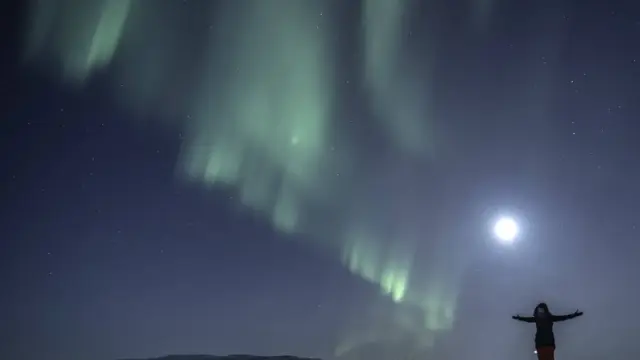








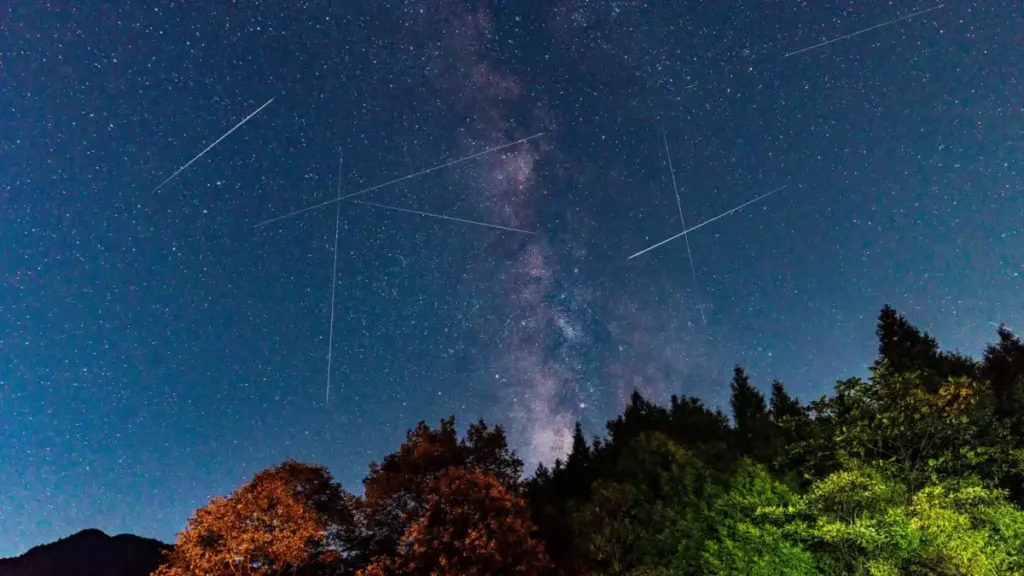
August 2026 is poised to deliver one of the most astonishing astronomical spectacles of the twenty-first century. For the first time this century, a rare total solar eclipse and the peak of the Perseid meteor shower are converging within the exact same 24-hour window. This rare alignment creates an unprecedented double feature for the global astronomical community.
As Earth plunges into the densest debris field of Comet 10P/Swift-Tuttle overnight from August 12 to August 13, 2026, stargazers under pristine skies can anticipate a dazzling show of dozens to upwards of 100 shooting stars per hour. Compounding this excitement, the meteor shower’s peak coincides with a new moon, ensuring absolute darkness overhead—a stark contrast to previous years when lunar glare washed out dimmer meteors.
Adding to this rare cosmic double-header, daytime skies across parts of the Northern Hemisphere will bear witness to a total solar eclipse. While the path of totality cuts primarily across portions of Greenland, Iceland, and Spain, skywatchers in northeastern North America, eastern Canada, and Alaska will catch a unique partial eclipse in the afternoon hours preceding the meteor shower’s nocturnal peak.
This guide provides a comprehensive breakdown of the dual celestial events, detailing the exact chronology, scientific context, optimal viewing locations, and essential gear required to safely navigate the busiest 24 hours of stargazing in 2026.
Detailed Chronology: The 48-Hour Celestial Timeline
Navigating an astronomical event of this magnitude requires precise timing. The convergence of the solar eclipse and the Perseid meteor shower unfolds across a tightly packed schedule that spans the afternoon of August 12 into the early morning hours of August 13, 2026.
Phase 1: Afternoon Solar Eclipse (August 12, 2026)
The daytime prelude to the night’s meteor shower begins in the early afternoon. For international travelers positioned along the narrow path of totality—stretching across the rugged terrain of Greenland, the volcanic landscapes of Iceland, and down through northern and eastern Spain—the moon will completely obscure the sun. Totality will last between one and two minutes, plunging these regions into a sudden, eerie twilight.
For observers in North America, the event manifests as a partial solar eclipse, peaking mid-afternoon around 1:45 P.M. EDT.
- Maine and Atlantic Canada: Observers here will experience the most favorable contiguous North American visibility, with the moon biting roughly 20 percent into the solar disk.
- Alaska: Central and northern regions of Alaska will witness a more substantial partial eclipse, with the moon covering 25 percent or more of the sun.
- The Northeast and Midwest U.S.: States stretching from Vermont westward through North Dakota and into northern Montana will catch minimal, fleeting glimpses of the partial phase, provided they utilize certified solar-eclipse safety glasses.
Phase 2: Twilight Transition and Dark-Sky Adaptation (Evening of August 12, 2026)
As the afternoon eclipse fades, observers must immediately pivot their preparations toward the night sky. Because the Perseid meteor shower peak coincides with a new moon, the nocturnal environment will be exceptionally dark.
Astronomers advise starting your dark-sky adaptation protocol by 10:00 P.M. local time. Human eyes require approximately 30 minutes of undisturbed adjustment to fully dilate and register the faint, fleeting trails of incoming meteors. Transitioning to red-light headlamps or flashlights wrapped in red cellophane during this period is critical to preserving night vision for both yourself and fellow stargazers.
Phase 3: The Perseid Nocturnal Peak (Overnight August 12–13, 2026)
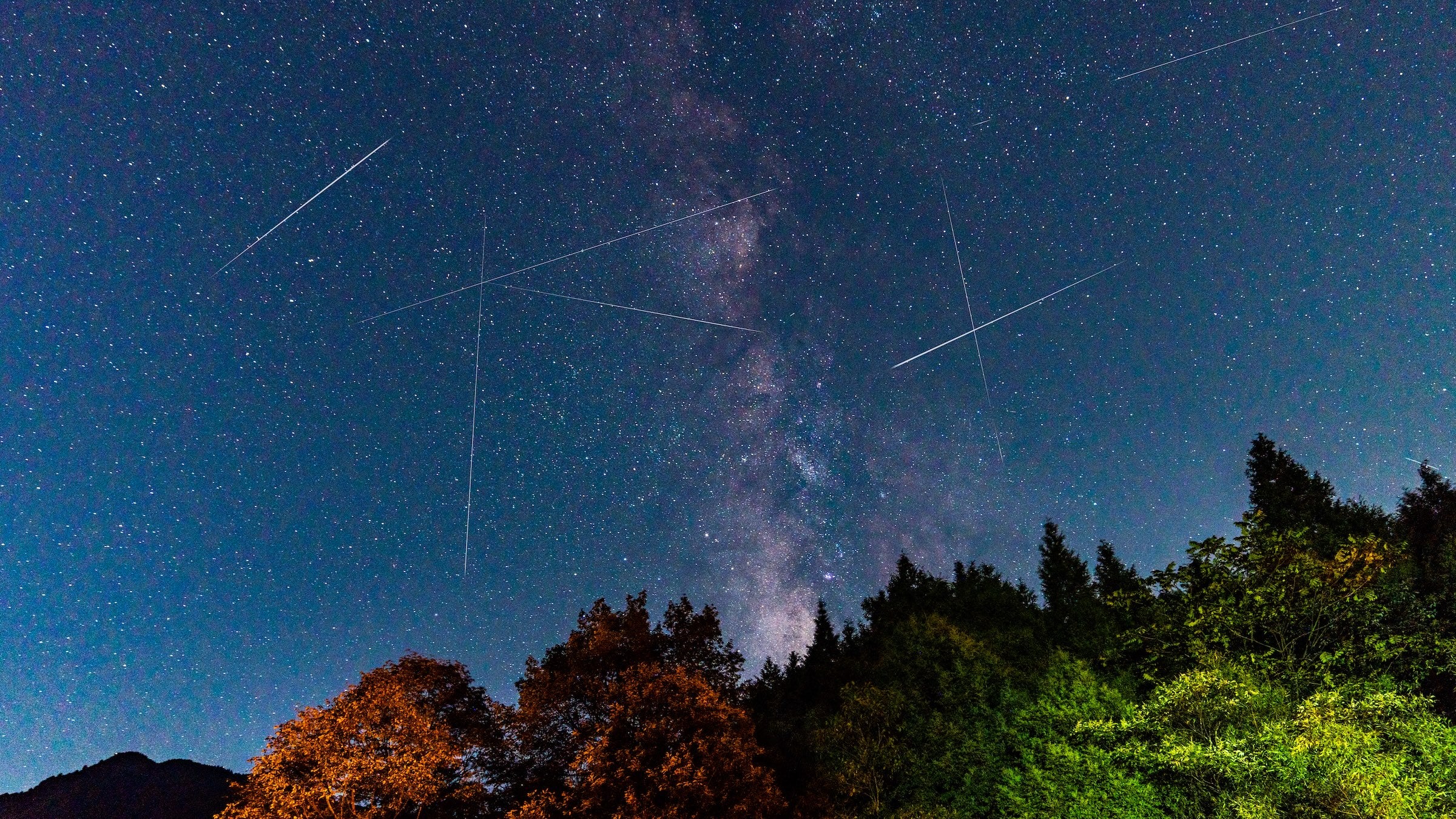
The heavy lifting of the Perseid meteor shower begins in earnest shortly after 11:00 P.M. local time, when the radiant point—the constellation Perseus—rises to a sufficient altitude in the north-northeast sky.
Activity steadily accelerates through the early morning hours, reaching its crescendo in the hours leading up to dawn on August 13. During this window, Earth barrels directly through the thickest concentrations of dust and particulate matter left behind by Comet Swift-Tuttle. Under pristine, dark-sky conditions free from light pollution and atmospheric interference, viewers can expect a steady cadence of luminous streaks cutting across the cosmos at speeds exceeding 130,000 miles per hour.
Supporting Context & Metrics: The Science of the Perseids and Swift-Tuttle
To truly appreciate the scale of the August 2026 event, one must examine the mechanics driving the Perseid meteor shower. The shower originates from periodic comet 10P/Swift-Tuttle, a massive icy body with a nucleus roughly 16 miles across—comparable in size to the asteroid believed to have ended the age of the dinosaurs.
Orbiting the sun every 133 years, Swift-Tuttle leaves behind a vast trail of cosmic debris composed of dust grains, pebbles, and small rocks shed over millennia. Every August, Earth’s orbital trajectory intersects this debris stream. As these tiny particles slam into Earth’s upper atmosphere at blistering speeds, they compress and ionize the air molecules in front of them, creating the brilliant, glowing plasma tubes we recognize as shooting stars.
The Metrics of a Zero-Moon Interference Year
- Zenith Hourly Rate (ZHR): Under ideal laboratory-standard conditions (a radiant directly overhead, zero light pollution, and a completely clear sky), the Natural History Museum of London notes that the Perseids can yield up to 100 meteors per hour.
- The New Moon Advantage: In preceding years, such as 2024 and 2025, the presence of a bright waxing gibbous or nearly full moon washed out dimmer meteor trails, effectively reducing visible counts by up to 50 percent or more. The August 2026 new moon provides a blank, light-free canvas, allowing observers to spot fainter meteors that would otherwise be lost in lunar glare.
- Fireball Frequency: The Perseids are uniquely renowned for producing "fireballs"—oversized meteors originating from larger chunks of comet debris. These exceptional fireballs can outshine the planet Jupiter and approach the magnitude of Venus, casting transient shadows across the landscape and leaving lingering, smoke-like ion trains that persist in the upper atmosphere for several seconds after the flash.
Official Statements and Expert Perspectives
Astronomers and dark-sky advocates emphasize that the 2026 convergence represents a watershed moment for public engagement with the cosmos.
Dr. Alistair Vance, a senior stellar cartographer, notes: "It is exceptionally rare for two major celestial mechanics—a total solar eclipse along a terrestrial path of totality and a top-tier annual meteor shower peak—to lock into the exact same 24-hour cycle during a new moon phase. This gives researchers and the public a dual masterclass in orbital mechanics."
Dark-sky preservation groups have also seized upon the event to highlight the growing threat of artificial light pollution. Representatives from DarkSky International stress that while the new moon provides a natural darkness, urban light encroachment continues to rob millions of citizens of the full Perseid experience.
"Events like this force a reckoning with how we treat our night skies," notes an advocacy statement released ahead of the August peak. "When you remove the moon from the equation, urban skyglow becomes the single greatest barrier to experiencing the universe as our ancestors did. Finding a certified dark-sky park isn’t just about getting a better view; it’s about reconnecting with an endangered planetary resource."
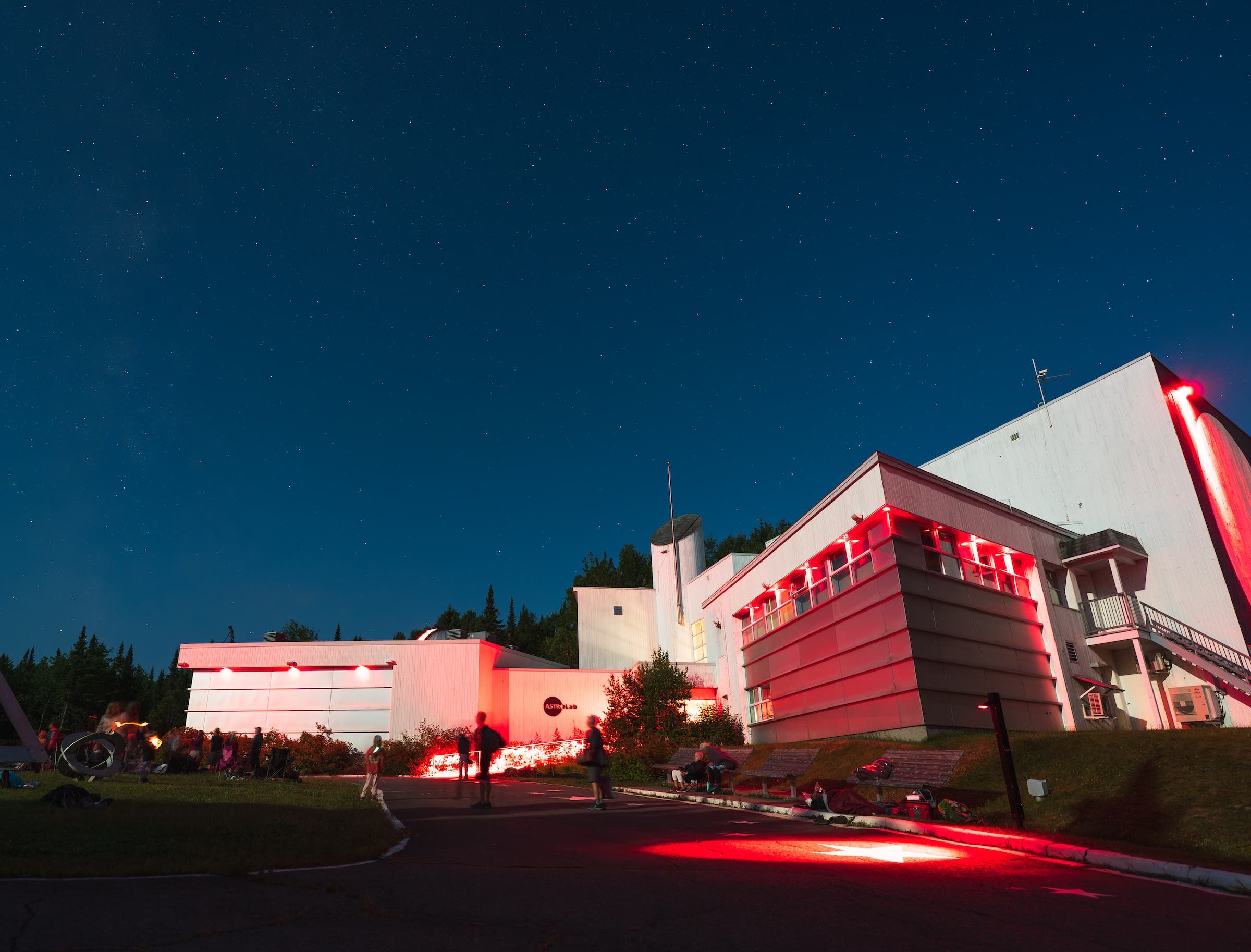
Field observers who experienced the 2025 Perseids at dark-sky sanctuaries like AstroLab in Quebec’s Mont Megantic region—where counters tallied over 150 meteors despite a disruptive gibbous moon—anticipate that the 2026 counts could shatter local viewing records.
Future Outlook: Navigating Challenges and Maximizing the Experience
While the 2026 dual-event promises unforgettable sights, observers must plan strategically to mitigate terrestrial hurdles such as unpredictable weather, wildfire smoke, and light pollution.
Selecting Your Observation Post
Light pollution maps (such as lightpollutionmap.info) and global registries of DarkSky-certified reserves remain essential tools for locating isolated viewing areas. When scouting a location—whether a hilltop, an open prairie, or a large lakefront—prioritize unobstructed horizons.
While the constellation Perseus serves as the radiant anchor in the north-northeast, experienced stargazers emphasize that meteors will streak across 45 to 90 degrees of the sky in all directions. Observers should also keep an eye out for concurrent planetary alignments, noting the presence of Mars, Saturn, and the Pleiades cluster decorating the summer sky.
Weather and Atmospheric Monitoring
Atmospheric clarity will ultimately dictate the success of your outing. Beyond traditional cloud cover, late-summer wildfire smoke from western and northern bluffs can severely compromise transparency, filtering out dimmer fireballs. Platforms like Windy.com provide advanced aerosol and smoke-tracking overlays that allow meteor hunters to shift coordinates 24 to 48 hours in advance.
Minimalist Gear Strategy
Unlike deep-sky astronomy, which demands complex optics, meteor watching requires zero magnification. Binoculars and telescopes narrow your field of view too severely, making it easy to miss fast-moving streaks. Instead, success hinges on comfort and ergonomics.
Because scanning the heavens for hours can induce severe neck strain, investing in reclining camp furniture—such as the Nemo Stargaze chair—or laying out an insulated ground blanket is paramount. For overnight campers, specialized sky-view tents featuring clear mesh ceilings offer an immersive way to track the shower without exposing oneself to midnight dampness and insects.
The Solar Eclipse Dilemma: Travel vs. Livestreaming
For North American residents weighing whether to chase the total solar eclipse abroad, logistics present a formidable barrier. Last-minute international travel to Iceland, Greenland, or Spain carries exorbitant costs, paired with the inherent gamble of fickle maritime weather and the brief one-to-two-minute duration of totality.
For those remaining stateside, managing expectations for the partial eclipse is crucial. Armed with certified solar-eye protection, viewers in Maine and Alaska will enjoy modest, scientifically interesting partial phases. However, for those outside the optimal northern zones, professional livestreams hosted by organizations like Time and Date offer a seamless, high-definition alternative to catch the full glory of totality without boarding a transatlantic flight.
As the clock ticks toward August 12 and 13, 2026, the convergence of daytime solar shadow and nocturnal celestial confetti invites humanity to pause, look upward, and bear witness to an unforgettable symphony of orbital motion.