Vietnam has long established itself as a cornerstone of Southeast Asian tourism, enchanting visitors with its profound historical layers, dynamic urban energy, and staggering natural topography. Yet, beyond the bustling backpacker trails and well-trodden tourist hubs lies a sophisticated, deeply luxurious ecosystem catering to the world’s most discerning travelers.
For luxury connoisseurs seeking a harmonious blend of heritage, peerless service, and environmental tranquility, the dual-destination itinerary pairing the historic heart of Hanoi with the emerald waters of Lan Ha Bay offers an unmatched masterclass in high-end exploration.
This report chronicles a comprehensive luxury expedition across Northern Vietnam, investigating how storied institutions and cutting-edge maritime operators are redefining upscale hospitality. Central to this transformation is a commitment to bespoke personalization, specifically within the realm of luxury plant-based gastronomy—a rapidly expanding sector of the high-end travel market. By examining the recent multi-million-dollar restorations of legendary properties and evaluating the operational excellence of premier boutique cruises, this feature provides an authoritative guide for affluent travelers navigating Vietnam’s evolving luxury landscape.
Detailed Chronology: From the Grand Dame of Hanoi to the Karsts of Lan Ha Bay
Timeless Luxury at the Sofitel Legend Metropole Hanoi
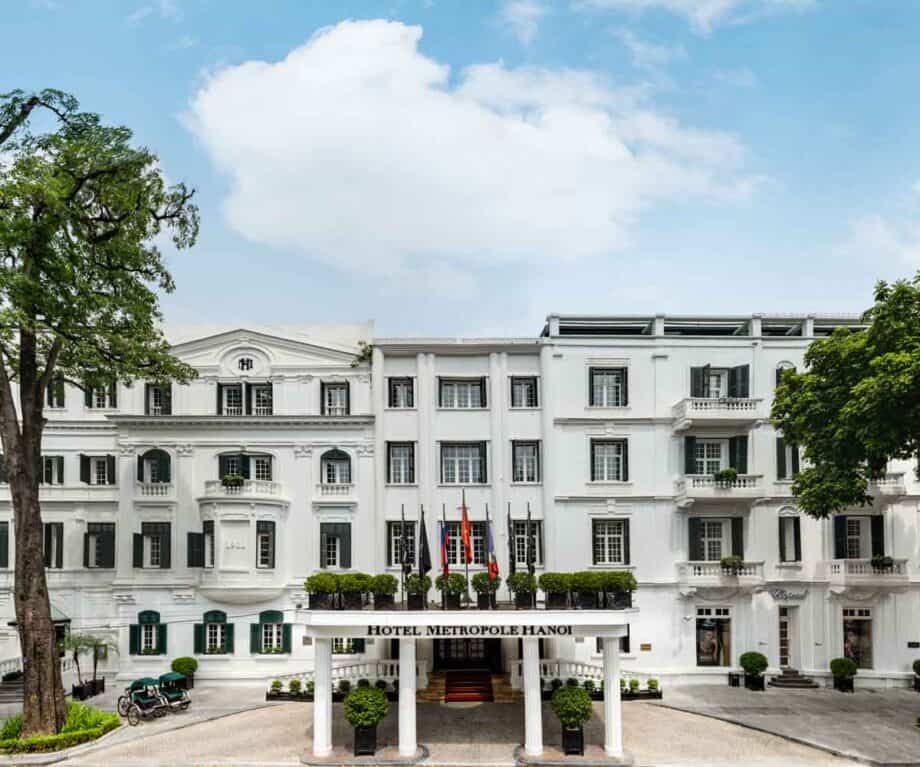
The journey commences in the capital city of Hanoi, a metropolis where French colonial architecture seamlessly coexists with ancient Asian traditions. At the epicenter of this historic quarter sits the Sofitel Legend Metropole Hanoi, colloquially and affectionately known as the "Grand Dame" of Vietnamese hospitality.
First opened in 1901, the Metropole has served as a silent witness to the turbulent and triumphant chapters of Vietnam’s modern history. Its guest registry reads like a global who’s who of literature, politics, and royalty, having hosted celebrated authors, international dignitaries, and heads of state for over a century. Located within walking distance of the pulsating Old Quarter, the hotel functions simultaneously as an accessible base for urban exploration and a self-contained sanctuary of timeless elegance.
Architectural Preservation and Modern Adaptation
Maintaining a property of this historical magnitude requires a delicate balance between historical preservation and contemporary luxury expectations. This equilibrium was prominently achieved through the extensive, meticulous restoration of the hotel’s historic Heritage Wing.
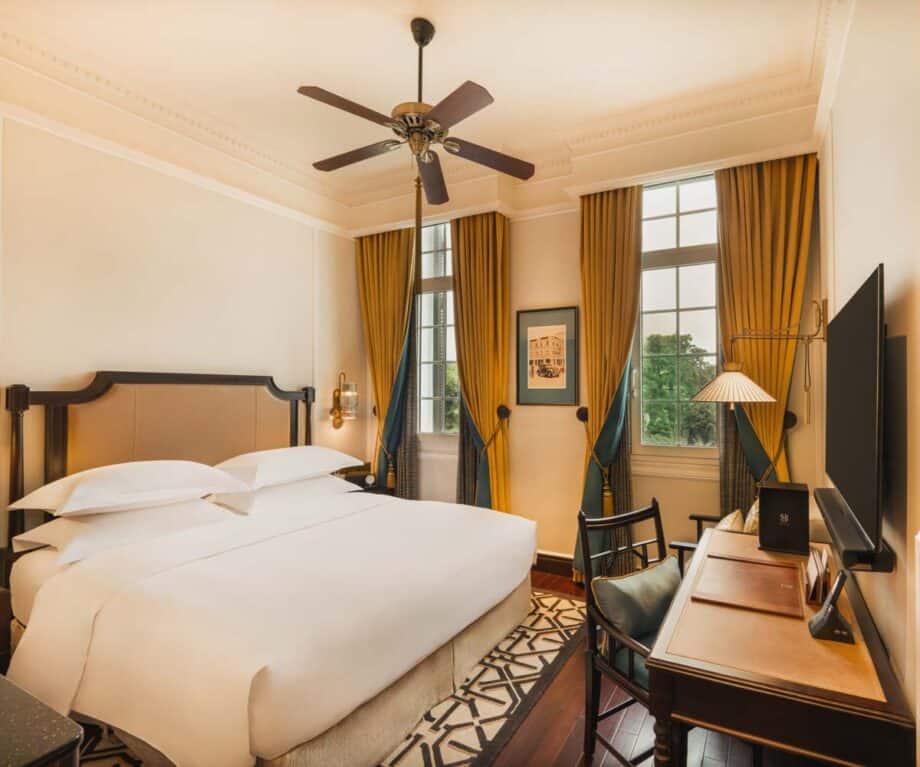
Completed to meet the exacting standards of modern luxury travelers, the refurbishment successfully safeguarded the building’s authentic soul while integrating state-of-the-art amenities. Entering a Heritage Wing suite reveals original, meticulously restored hardwood floors that whisper stories of the past, complemented by hand-painted artworks and opulent, bespoke Italian marble bathrooms.
Beyond the physical architecture, the operational ethos of the Metropole remains its greatest asset. The concierge and front-of-house teams consistently deliver anticipatory, refined service, seamlessly managing complex logistics such as expedited early check-ins and coordinating private onward transfers with effortless discretion.
Experiential Vegan Fine Dining at Le Beaulieu
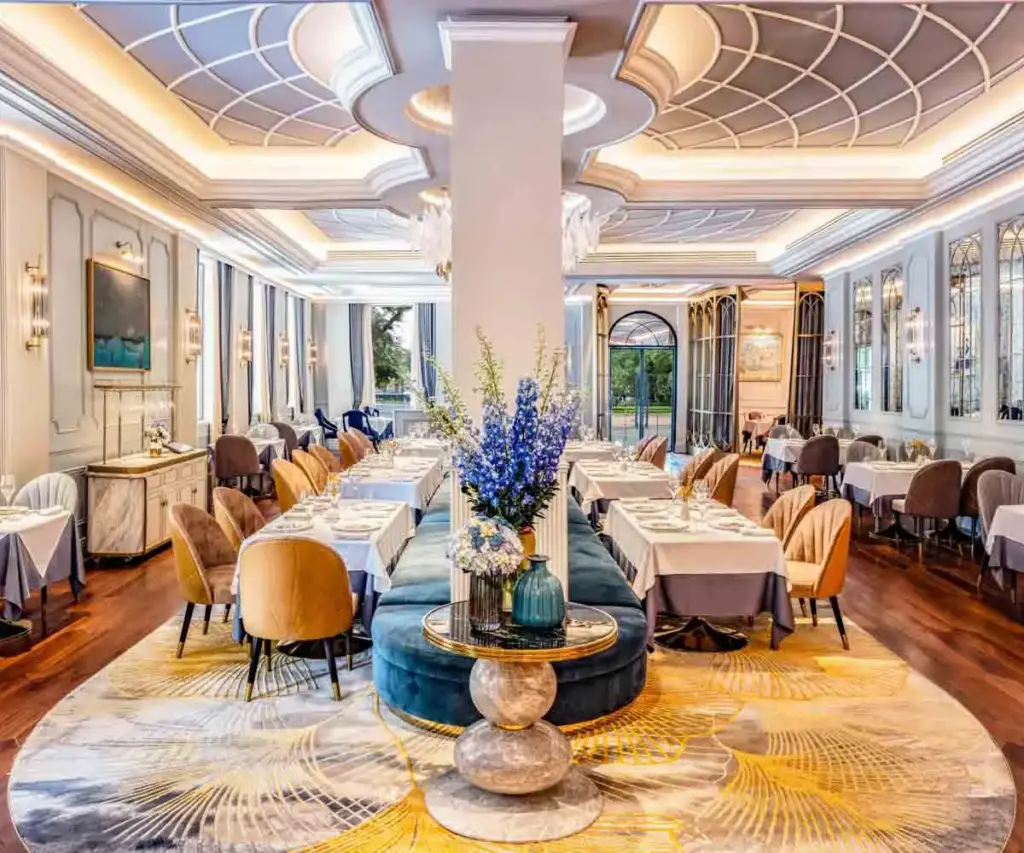
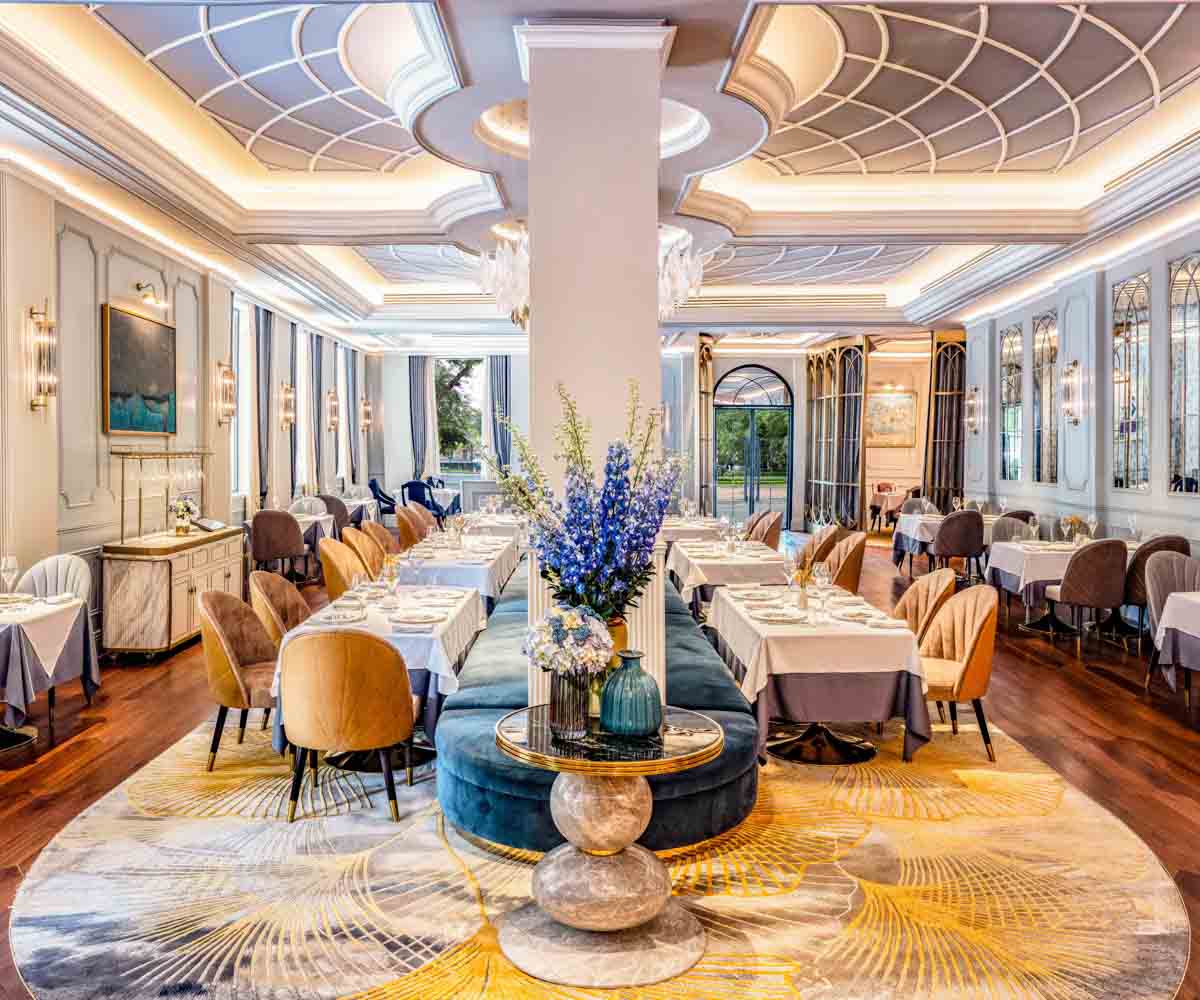
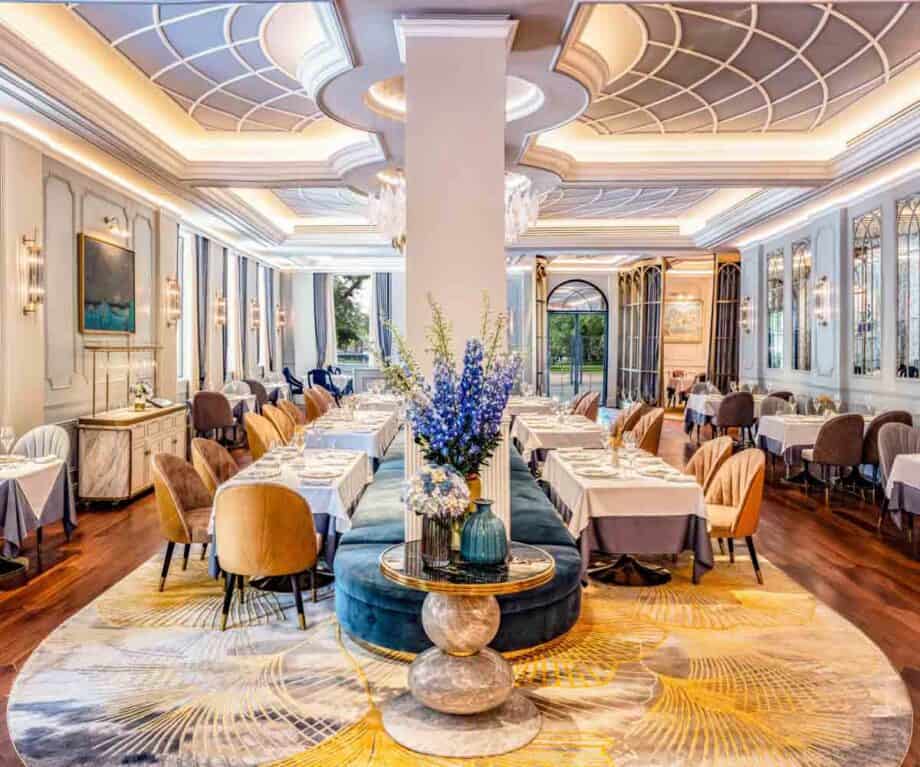
For decades, luxury travel and high-end plant-based dining existed in mutually exclusive spheres. Today, premier establishments like the Metropole’s award-winning restaurant, Le Beaulieu, are shattering these antiquated boundaries. Operating in the same location since 1901, Le Beaulieu holds the distinction of being the oldest continuously operating French restaurant in Hanoi.
Following its recent redesign as part of the Heritage Wing restoration, the restaurant pairs its legendary heritage with a forward-thinking culinary philosophy. While French haute cuisine traditionally relies heavily on dairy, meats, and stocks, Le Beaulieu has embraced the dietary requirements of modern luxury travelers by offering a sophisticated, highly creative vegetarian tasting menu that is fully adaptable to vegan requests upon booking.
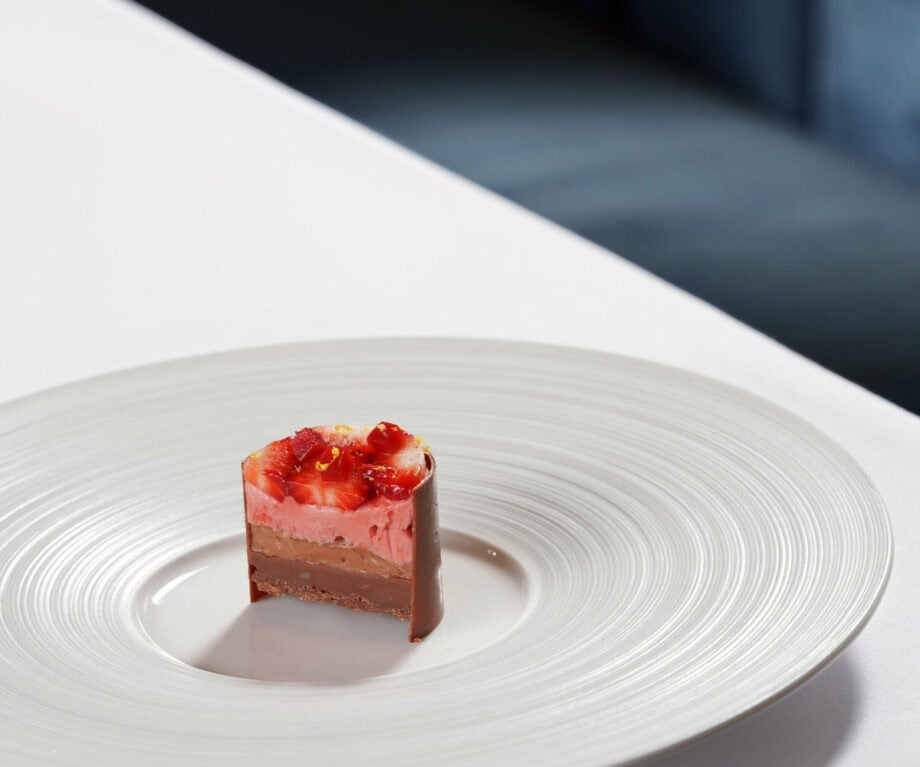
The dining experience unfolds as a masterclass in culinary theater. The multi-course vegan tasting journey begins with delicate amuse-bouches, artisan-crafted breads, and a vibrant, cooling gazpacho—each course introduced by knowledgeable floor staff detailing the origin of the ingredients. Main courses elevate humble, earthy components such as heirloom tomatoes, carrots, and cauliflower into complex, texturally rich centerpieces. The experience culminates in a dessert widely regarded by international critics as a masterpiece: a heavenly chocolate and strawberry creation that redefines the possibilities of plant-based patisserie.
Supporting Context & Metrics: The Shift Toward Tranquil Coastal Escapes
Charting a Course for Lan Ha Bay
After absorbing the intellectual and sensory richness of Hanoi, the itinerary pivots eastward toward the coast. While traditional itineraries routinely direct tourists toward the world-famous Ha Long Bay, astute luxury travelers are increasingly pivoting toward its quieter, more ecologically preserved neighbor: Lan Ha Bay.
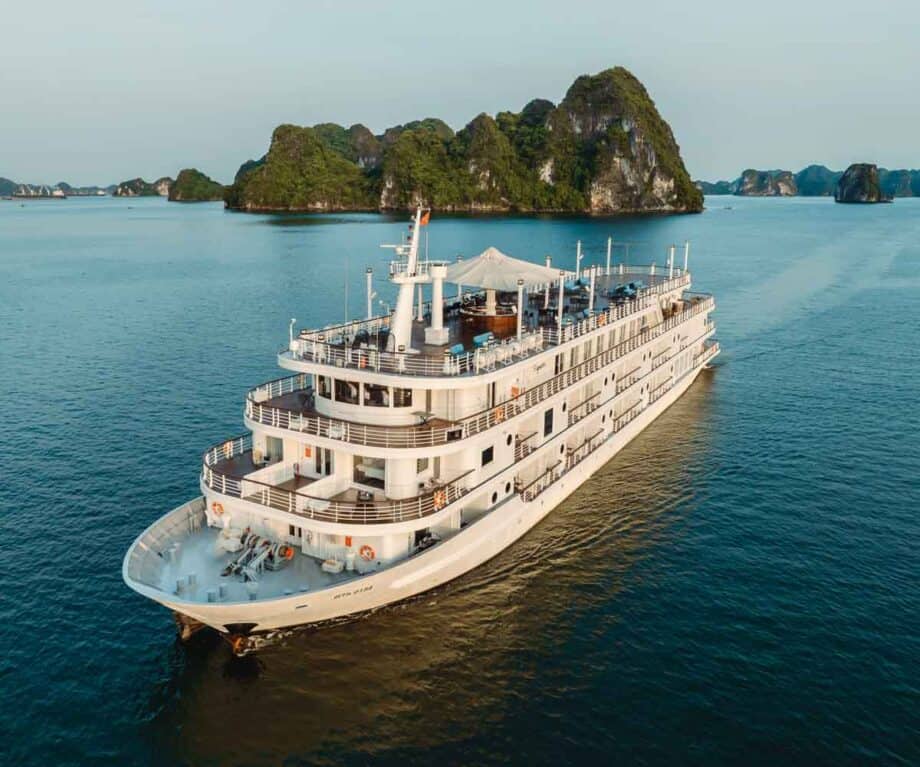
Situated just south of Ha Long, Lan Ha Bay shares the exact same geological DNA—dramatic, forest-topped limestone karsts rising dramatically from emerald-green waters. However, due to stricter local conservation policies and a lower volume of commercial vessel licenses, Lan Ha Bay offers a profoundly more tranquil, pristine environment. The absence of heavy tourist congestion allows visitors to experience the striking marine topography in uninterrupted solitude.
Maritime Luxury Aboard the Ambassador Signature
Navigating these waters requires a vessel that matches the scenery in sophistication. Enter the Ambassador Signature, the newest addition to the elite Ambassador Cruise fleet. Designed specifically for boutique coastal navigation, the vessel features 39 spacious cabins distributed across two meticulously engineered decks.
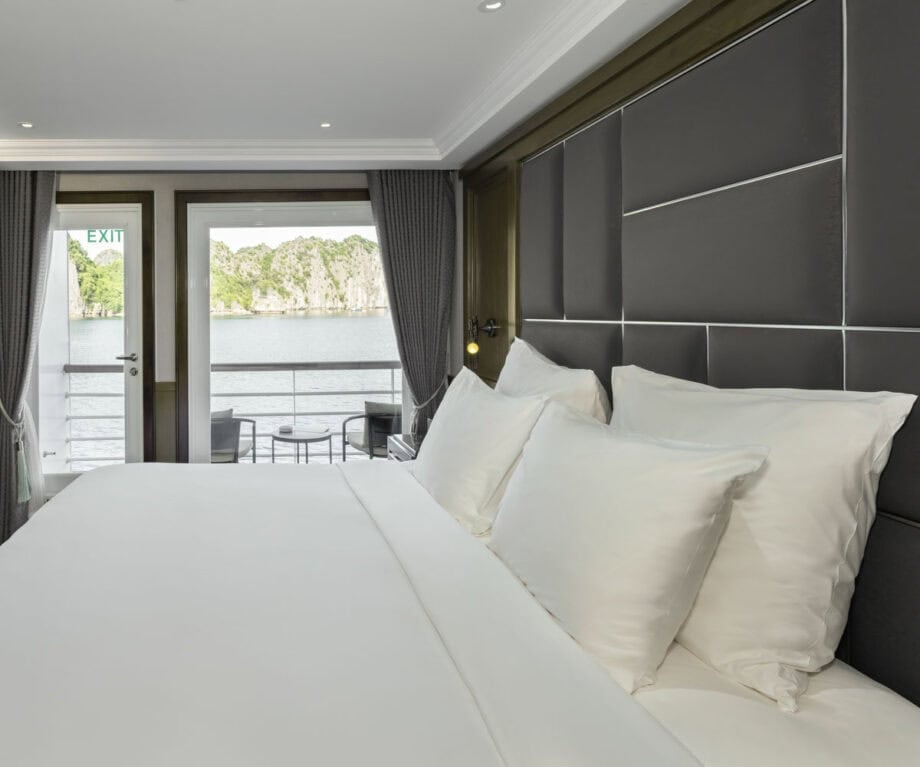
The upper deck houses the Ambassador Executive cabins, where expansive floor-to-ceiling windows and private balconies transform the floating chambers into moving cinematic frames, projecting the ever-shifting karst landscape directly into the living space. While daily shore excursions—ranging from kayaking through hidden lagoons to visiting floating fishing villages—are readily available, many luxury guests choose to remain on board, using the voyage as an enforced period of digital detox and deep relaxation, further augmented by bespoke treatments at the ship’s onboard spa facility.
Official Statements & Culinary Innovation at Sea
Redefining Vegan Hospitality on the Water
The logistics of catering to specialized diets within remote marine environments historically presented a significant challenge for cruise operators. However, the culinary team aboard the Ambassador Signature has turned dietary accommodation into an operational art form.
Rather than treating veganism as an afterthought or hastily adapting standard omnivorous dishes at the eleventh hour, the executive chef designs comprehensive, dedicated plant-based menus prior to departure. The resulting culinary program heavily features locally sourced tropical fruits, vibrant organic vegetables, and a sophisticated fusion of Vietnamese and Indian culinary traditions.
"Luxury hospitality in the modern era is no longer solely defined by marble fixtures and thread counts; it is defined by profound personalization," notes the culinary management team behind the Ambassador Cruise fleet. "When a guest steps aboard our vessel, their dietary identity is honored with the same precision and creativity as their accommodation preferences. Plant-based fine dining is an integral pillar of our modern culinary identity."
From sunrise breakfasts overlooking the misty karsts to elaborate candlelit dinners served under the expansive night sky, the attentiveness of the service staff ensures that vegan guests experience the same culinary hedonism as their fellow travelers. This unwavering consistency eliminates the dietary anxiety often associated with remote travel, allowing passengers to fully surrender to the rhythm of the sea.
Future Outlook: The Evolution of Northern Vietnam’s Luxury Sector
The synthesis of urban heritage exploration in Hanoi and serene marine immersion in Lan Ha Bay points toward a broader evolution in Vietnamese tourism. As the country looks toward the future, the emphasis has decisively shifted from mass-market volume to high-value, low-impact, experiential luxury.
Several key trends are projected to shape the high-end travel sector across Northern Vietnam over the coming years:
Hyper-Personalized Wellness Tourism: The demand for integrated wellness—spanning plant-based nutrition, holistic spa therapies, and mental decompression—is driving luxury hotels and cruises to expand their dedicated programming.
Sustainable Heritage Conservation: Properties like the Sofitel Legend Metropole Hanoi demonstrate that historic preservation can coexist profitably with cutting-edge sustainable engineering, setting a benchmark for future hospitality developments in Southeast Asia.
Decentralized Destination Discovery: The growing preference for Lan Ha Bay over Ha Long Bay signals a broader consumer desire for off-the-beaten-path luxury. Travelers are increasingly willing to pay a premium for privacy, ecological integrity, and uncrowded vistas.
Ultimately, combining the dynamic, cultural pulse of Hanoi with the meditative, natural majesty of Lan Ha Bay delivers a perfectly calibrated portrait of Northern Vietnam. For the modern luxury traveler—particularly those navigating dietary preferences such as veganism—this dual-destination journey proves that sophistication, sustainability, and sensory indulgence are no longer mutually exclusive aspirations, but rather the gold standard of contemporary exploration.