








In the dynamic and hyper-competitive landscape of global aviation, finding exceptional value on long-haul international routes remains the holy grail for frequent flyers and budget-conscious travelers alike. Recently, an intriguing fare trend has emerged involving transpacific connections, specifically highlighting routes originating from major North American hubs like Los Angeles (LAX) heading toward vibrant commercial and coastal destinations in East Asia, notably Dalian, China (DLC).
While airfares fluctuate wildly due to shifting fuel prices, seasonal demand curves, and post-pandemic capacity adjustments, specific airline alliances continue to present strategic opportunities for savvy globetrotters. Prominent among these network carriers is Asiana Airlines, a cornerstone member of the Star Alliance and a crucial global partner to United Airlines. Through sophisticated fare structuring and strategic code-sharing, carriers are periodically releasing exceptionally competitive rates for economy-class travel across the Pacific.
This comprehensive report provides a deep-dive investigation into the mechanics of these route offerings, the underlying partnership metrics that maximize value—such as frequent flyer mileage accrual—and the broader economic trends governing modern transpacific travel. Furthermore, this analysis outlines practical strategies for travelers looking to capitalize on these inventory releases, navigate booking platforms, and optimize their journey from departure to touchdown.
Detailed Chronology: The Evolution of Transpacific Pricing Strategies
To understand the current availability of value-driven airfares to secondary and tertiary Chinese economic hubs like Dalian, one must examine how legacy carriers and Asian network airlines have adapted their pricing models over the past several years.

The Post-Pandemic Capacity Shift
For decades, transpacific air travel was heavily concentrated on primary gateways such as Beijing (PEK), Shanghai (PVG), and Tokyo (HMR/NRT). However, as regional economies evolved and international business corridors expanded, airlines began deploying aircraft to dynamic commercial centers outside the primary mega-cities. Dalian, located in China’s northeastern Liaoning province, stands as a major financial, shipping, and logistics hub. Despite its economic significance, it historically experienced volatile pricing for travelers originating from the United States West Coast.
In recent months, monitoring systems and fare aggregators have registered targeted pricing corrections on itineraries connecting Los Angeles International Airport (LAX) to Dalian (DLC). These price adjustments are rarely accidental; they represent calculated yield-management decisions by carriers like Asiana Airlines to stimulate demand during shoulder seasons and optimize passenger loads on connecting flights through major East Asian transit hubs like Incheon International Airport (ICN) in Seoul.
Monitoring and Discovery: The Role of Real-Time Alerts
Because these specialized fare classes—often hidden within restricted economy buckets—are subject to strict capacity controls and can vanish within hours, specialized tracking mechanisms have become indispensable for modern travelers. The architecture of modern flight deal dissemination relies on instantaneous data scraping and human curation. When carriers drop inventory for routes such as LAX-DLC, the window of opportunity is frequently narrow.
Travelers utilizing real-time notification platforms often gain a distinct advantage, securing seats before inventory adjustments ripple across global distribution systems (GDS). This tiered access—ranging from rapid-fire economy notifications to specialized premium cabin tracking services—underscores the changing nature of how consumers discover travel opportunities in an automated marketplace.
Supporting Context & Metrics: Decoding Mileage Accrual and Alliance Partnerships
Securing a competitive base fare is only the first step in maximizing travel value. For frequent flyers, the underlying mechanics of mileage accrual, elite status qualification, and alliance partnerships can dramatically shift the financial equation of a journey.
The Star Alliance Advantage and Asiana’s Integration
Asiana Airlines occupies a vital position within the Star Alliance network. For travelers based in North America who regularly credit flights to the United MileagePlus program, booking an itinerary operated partially or entirely by a Star Alliance partner unlocks powerful accumulation opportunities.
When evaluating a transpacific journey from Los Angeles to Dalian involving partner carriers, understanding the specific fare class code is paramount. Airlines bucket tickets into various inventory tiers, which directly dictate the percentage of redeemable miles (RDM) and Premier Qualifying Credits (PQC) or Premier Qualifying Flights (PQF) earned under modern loyalty program structures.
Mileage Earning Mechanics with United Airlines:
- Deep Discount Economy: Certain highly discounted promotional fare classes may earn a reduced percentage (often ranging from 25% to 50%) of the actual flown distance.
- Standard Economy: Mid-tier economy tickets typically accrue at a 100% base rate of the flown mileage, providing a substantial boost toward higher frequent flyer tier statuses.
- Partner Calculation Formulas: Because mileage earnings on partner airlines are often calculated based on a combination of distance flown and the specific fare class multiplier, passengers must cross-reference their ticket designator code with the current United MileagePlus partner accumulation chart before purchasing.
Economic Metrics of Transpacific Flying
The physical distance between Los Angeles and Dalian spans approximately 6,000 miles each way (depending on the exact routing and prevailing jet stream conditions). For a round-trip journey, passengers accumulate roughly 12,000+ base miles. When evaluated against a low base ticket price, the cost-per-mile ratio often favors the consumer, delivering exceptional value not just in transportation, but in the acquisition of loyalty currency that can be redeemed for future premium cabin upgrades or award flights.

Official Statements and Industry Perspectives
Representatives from major aviation analytics firms and alliance partnership desks frequently emphasize that the availability of discounted fares to destinations like Dalian is a direct result of aggressive yield management.
"Airlines continuously balance local point-to-point demand with connecting traffic flows," notes an independent aviation industry analyst specializing in transpacific route economics. "When a carrier like Asiana operates high-frequency trunk routes between North America and its primary hub in Seoul, filling the subsequent regional legs—such as the short-haul hop from Seoul to Dalian—becomes critical to overall flight profitability. Offering attractive introductory or promotional pricing on these multi-segment itineraries is a proven mechanism to maximize aircraft utilization."
Furthermore, travel consumer advocacy groups highlight that while third-party booking sites and metasearch engines have democratized fare visibility, travelers must remain vigilant regarding ancillary fees, baggage allowances, and change policies associated with lower-tier promotional fares. Legacy carriers have increasingly unbundled their economy offerings, introducing "Basic Economy" or similarly restricted tiers that exclude advance seat selection and free checked baggage, making it essential for buyers to calculate the total cost of travel rather than relying solely on the headline base price.
Future Outlook: Navigating the Transpacific Market Ahead
As the global aviation sector stabilizes further and corporate travel patterns continue to evolve, the dynamics governing routes between North America and East Asia will experience continuous transformation.

Key Trends Shaping Future Fares:
- Fleet Modernization and Range Efficiency: The introduction of advanced, highly fuel-efficient widebody aircraft—such as the Boeing 787 Dreamliner and Airbus A350—allows carriers to experiment with new point-to-point routes and maintain profitability even when pricing aggressively to stimulate demand in secondary markets.
- Regulatory and Bilateral Capacity Agreements: Transpacific capacity remains tied to bilateral aviation agreements between the United States and foreign governments. Any shifts in slot allocations at primary international hubs directly impact how airlines route connecting traffic to regional destinations like Dalian.
- The Rise of Personalized Travel Tech: The tools used to unearth and secure these travel opportunities are becoming increasingly sophisticated. Machine learning algorithms, predictive pricing models, and real-time community-driven alert systems will continue to empower consumers to bypass traditional travel agency bottlenecks.
Practical Guide for Travelers: How to Secure and Optimize Your Journey
For those inspired to explore Dalian—known for its picturesque coastline, Russian and Japanese colonial-era architecture, and vibrant seafood culture—a structured approach to booking is essential.
Step-by-Step Action Plan:
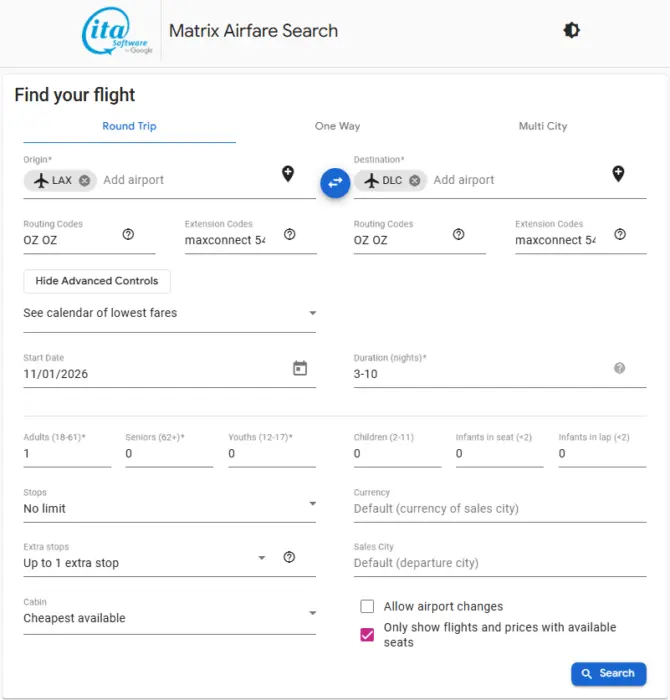
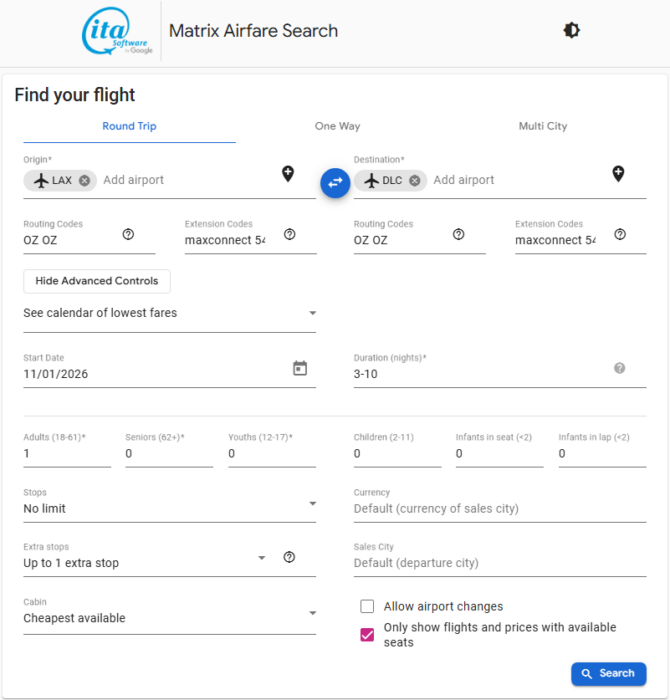
- Verify Availability via Flexible Tools: Utilize matrix search engines and aggregator platforms to scan a broad window of travel dates rather than locking into rigid schedules. Shoulder seasons (spring and autumn) frequently offer the best balance of favorable weather and competitive pricing.
- Examine the Fine Print: Always check the fare class and routing details. Ensure you understand whether your ticket permits changes or cancellations, and verify baggage limits before completing your transaction.
- Maximize Loyalty Benefits: Input your preferred Star Alliance frequent flyer number (such as United MileagePlus) during the booking process to ensure seamless mileage accumulation. Double-check partner earning charts to confirm your specific ticket tier qualifies for full accrual.
- Leverage Secure Financial Tools: When booking international travel, utilize credit cards that offer robust travel protection benefits, trip interruption insurance, and zero foreign transaction fees.
By combining vigilant market tracking with a thorough understanding of airline alliances and fare structures, travelers can successfully navigate the complexities of modern air travel, unlocking remarkable value on journeys spanning across the Pacific.