







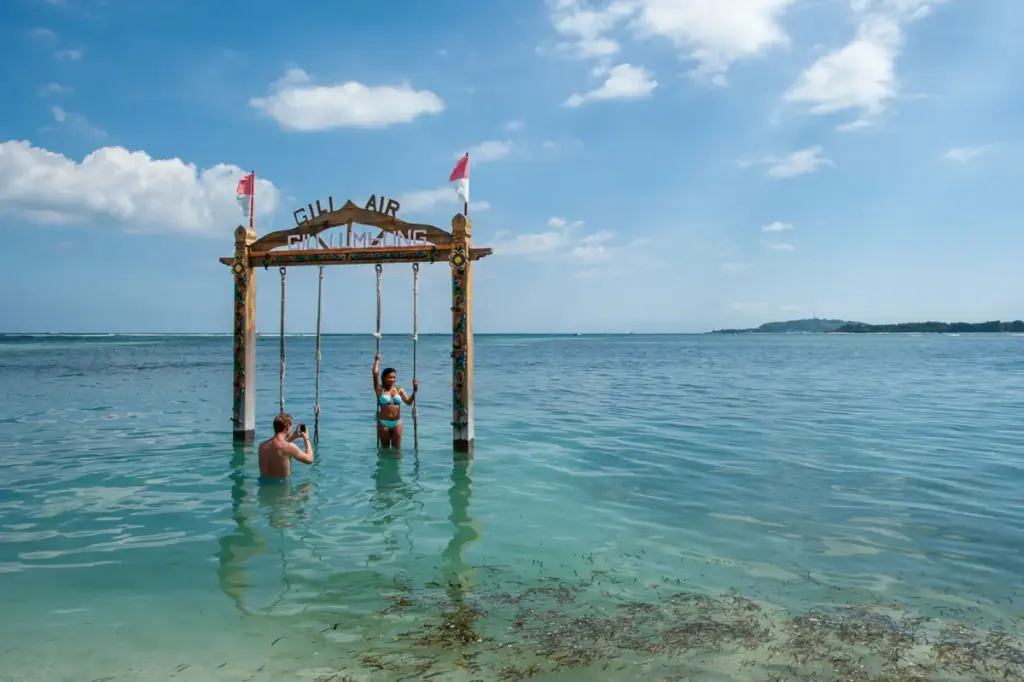
Tucked away off the northwest coast of Lombok and just a short boat ride from Bali, the Gili Islands—comprising Gili Trawangan, Gili Air, and Gili Meno—represent one of Indonesia’s most enduring tropical fantasies. Characterized by powdery white-sand beaches, turquoise waters teeming with sea turtles, and a strict no-motorized-vehicles policy (bicycles and horse-drawn cidomos rule the lanes), this archipelago has long captured the imaginations of global travelers. However, beneath their shared paradisiacal veneer, these three coral islets possess distinct personalities, particularly when it comes to their culinary scenes and hospitality landscapes.
Choosing where to eat and sleep can make or break an island getaway. The infrastructure, atmosphere, and pricing models vary dramatically across the trio. Gili Trawangan pulses with cosmopolitan energy, high-end resorts, and a sprawling culinary network ranging from vibrant street food markets to upscale fusion kitchens. Gili Air strikes a harmonious middle ground, offering a bohemian yet refined lifestyle that blends wholesome organic cafes with relaxed beachfront bars. Gili Meno, the smallest and most secluded of the three, caters to those seeking profound isolation, quiet luxury, and decelerated barefoot living.
This comprehensive guide serves as an authoritative resource for discerning travelers mapping out their itineraries. By examining the precise culinary heavyweights and accommodation standouts on each island, visitors can tailor their journey precisely to their personal travel philosophy—whether that involves vibrant nightlife and luxury villas or serene ecological hideaways and candlelit beach dinners.
Detailed Chronology: The Evolution of Hospitality in the Gilis
To truly understand the current landscape of dining and accommodation in the Gili Islands, one must look at how these landmasses transformed over the decades. What began as a string of quiet fishing outposts inhabited primarily by Bugis fishermen and coconut plantation workers has evolved into a sophisticated tourism hub.
Phase One: The Backpacker Era (Late 20th Century – Early 2000s)
For decades, the Gilis were a well-kept secret among surf travelers and adventurous backpackers traversing the Indonesian archipelago. During this initial phase, accommodation was strictly rudimentary—think bamboo huts with bucket-shower bathrooms and mattresses on the floor. Dining was similarly unpretentious, restricted to local warungs serving cheap nasi goreng (fried rice) and grilled fish caught fresh daily by local fishermen. Gili Trawangan was the epicenter of this rustic movement, drawing early pioneers who traded modern conveniences for unblemished coastlines and absolute tranquility.
Phase Two: Infrastructure and Diversification (2005 – 2015)
As fast-boat connections from Bali improved dramatically in the late 2000s, the demographic shift accelerated. Gili Trawangan experienced a construction boom, paving the way for mid-range bungalows, dive resorts, and Western-owned cafes. Gili Air began cultivating a reputation among yoga practitioners and slow-travel advocates, quietly upgrading its culinary offerings with wood-fired pizzas and organic salad bowls. Meanwhile, Gili Meno remained largely untouched, maintaining its sleepy charm while introducing a handful of boutique eco-resorts aimed at honeymooners and seclusion-seekers.
Phase Three: The Contemporary Era of Boutique Luxury and Culinary Refinement (2015 – Present)
Today, the Gili Islands represent a fascinating dichotomy. While traditional charm and barefoot vibes remain intact, the hospitality standards have reached international levels. The post-pandemic tourism rebound catalyzed a wave of upscale investments, introducing design-forward boutique hotels, adults-only sanctuaries, and world-class gastronomic outposts helmed by international chefs. Gili Trawangan now boasts sprawling resort estates with infinity pools, while Gili Air and Gili Meno have perfected the art of sustainable, design-conscious luxury. Understanding this chronological evolution helps travelers appreciate why the current offerings are so diverse, ranging from humble roadside night markets to five-star beachfront dining clubs.
Supporting Context & Metrics: Decoding Island Selection
Selecting the right island requires careful consideration of logistics, travel style, and expectations. Below is a comparative breakdown of the islands’ distinct hospitality ecosystems:
| Island | Atmosphere & Vibe | Accommodation Range | Dining Landscape | Best Suited For |
|---|---|---|---|---|
| Gili Trawangan | High energy, social, cosmopolitan, bustling | Budget hostels to sprawling 5-star luxury resort estates | Massive variety: Night markets, Italian pizzerias, trendy cafes, fine dining | Social travelers, groups, families seeking convenience and diverse amenities |
| Gili Air | Balanced, bohemian, relaxed, community-driven | Charming bungalows, design villas, boutique dive resorts | Wholesome organic eateries, artisan bakeries, beachside cocktail bars | Couples, solo travelers, families wanting tranquility without isolation |
| Gili Meno | Serene, secluded, deeply romantic, quiet | Adults-only eco-resorts, luxury boutique villas, rustic beach huts | Intimate beachside grills, boutique cafes, select resort dining | Honeymooners, privacy seekers, those prioritizing deep rest and quiet |
Culinary Explorations: Where to Eat Across the Trio
A culinary journey through the Gili Islands is remarkably diverse, reflecting the multicultural community of expatriates, local Sasak residents, and international tourists who have made these shores their home.
1. Gili Trawangan: A Melting Pot of Flavors
As the most populated and commercially developed island, Gili Trawangan offers a staggering array of dining options that cater to every palate and budget.
- Casual & Local Favorites: For an authentic, bustling local experience, the Night Market remains an unmissable institution. Centered near the main jetty, it offers sizzling seafood grills, skewers, and traditional Indonesian dishes at pocket-friendly prices. ODA Cafe provides a cozy, welcoming atmosphere for relaxed daytime dining.
- International & Comfort Food: Gili Trawangan punches well above its weight class in comfort food. Regina Pizzeria and Francesco’s Pizza are legendary among locals and visitors alike for serving authentic, wood-fired Italian pizzas that rival those found in Naples. Meanwhile, Jali Kitchen and Enjoy Gili Café & Resto deliver exceptional contemporary menus featuring Asian fusion dishes, hearty breakfasts, and artisanal coffee.
2. Gili Air: Wholesome, Artisanal, and Laid-Back
The culinary scene on Gili Air mirrors the island’s overall ethos: unpretentious, health-conscious, and deeply tied to the relaxed beach lifestyle.
- Plant-Based & Organic Hotspots: Health-conscious travelers will find their sanctuary here. Musa Cookery and Pachamama Organic Cafe lead the charge with vibrant plant-based bowls, smoothies, and inventive vegetarian fare crafted from locally sourced ingredients.
- Beachside Social Hubs: Mowie’s Bar and Chill Out Bar & Bungalows are iconic institutions where visitors can sip sunset cocktails with their toes in the sand. When craving comfort food, Mama Pizza and Italy Pizzeria & Cucina ensure that excellent European cuisine is never far away, perfectly complemented by the wholesome local cooking found at Warung Sunny.
3. Gili Meno: Intimate Dining Under the Stars
Because Gili Meno is the quietest island, its culinary options are more limited, focusing heavily on romantic ambiance and fresh coastal catch.
- Scenic & Atmospheric Dining: Casa Vintage Beach offers a bohemian, vintage-inspired beachfront setting ideal for long, lazy lunches and sunset dining. Scallywags Restaurant brings its renowned reputation for high-end beachfront dining to Meno, offering exceptional seafood BBQs.
- Modern Elegance & Local Charm: For a contemporary luxury dining experience, Bask Beach Club and Restaurant provides upscale international cuisine against a backdrop of striking architectural design. Meanwhile, traditional outposts like Ya Ya Warung and Jizzy Warung keep things grounded with authentic, comforting Indonesian dishes. For pizza lovers, Regina Pizzeria also maintains a presence here, ensuring high culinary standards are met.
Sanctuary and Shelter: Where to Sleep
Accommodation in the Gili Islands spans a massive spectrum, from budget-friendly bohemian bungalows to high-end architectural masterpieces.
1. Gili Trawangan: Maximum Comfort and Choice
Whether you are looking for an immersive party pad, a family-friendly resort, or a lavish secluded estate, Gili Trawangan has it all.
- Luxury & Design-Forward Estates: Travelers seeking top-tier amenities should look toward Cocana Resort Gili Trawangan, Pondok Santi Estate, and Kardia Resort Gili Trawangan. These properties offer expansive pool spaces, immaculate landscaping, and world-class service.
- Modern Boutique Hotels: Mid-to-upper-tier properties such as Hotel Lumi Gili Trawangan, Gili One Resort, My Gili Paradise, Natya Hotel Gili Trawangan, and Marc Hotel Gili Trawangan provide stylish, contemporary rooms with reliable amenities, positioning guests close to the island’s vibrant heart.
2. Gili Air: Balance, Style, and Boutique Charm
Gili Air is widely regarded as the most balanced island for overnight stays, appealing directly to travelers who want comfort without sacrificing the authentic island feel.
- Design and Aesthetic Stays: PinkCoco Gili Air is renowned for its distinctive, photogenic aesthetic and prime beachfront location. Properties like The Koho Air Hotel, Senang Villa, and Gili Air Lagoon Resort offer sophisticated boutique lodging complete with semi-open-air bathrooms and refreshing plunge pools.
- Diver Havens and Eco-Lodges: Manta Dive Resort serves as a premier hub for diving enthusiasts who want comfortable rooms right next to a professional dive center. For those leaning toward sustainability, Manusia Dunia Green Lodge and Grand Sunset Gili Air provide eco-conscious retreats with sweeping views of the Lombok strait.
3. Gili Meno: Unrivaled Seclusion and Romance
For honeymooners, stressed professionals, and those seeking absolute silence, Gili Meno’s accommodation sector is entirely oriented toward profound relaxation.
- Adults-Only Sanctuaries: Privacy is paramount on Meno. Properties such as Seri Resort Gili Meno – Adults Only, Meno House – Adults Only, and Gili Meno Escape – Adults Only curate peaceful environments where children are absent, ensuring uninterrupted tranquility.
- Boutique Luxury & Beachfront Living: Mahamaya Boutique Resort stands as a beacon of sustainable luxury on the island, featuring pristine beachfront villas and exceptional eco-friendly practices. Other standout properties include United Colors of Gili, Bungalow Cafe Gili Beach Front, and Pravasa Gili Resort by KajaNe, all of which capitalize on the island’s slow-paced, natural beauty.
Future Outlook: Sustainable Hospitality in the Gilis
As the Gili Islands look toward the horizon, the conversation among local stakeholders, business owners, and government officials has shifted decisively toward sustainability. The delicate marine ecosystem that draws millions of visitors to these shores is acutely vulnerable to climate change, overtourism, and waste management challenges.
In response, hospitality leaders across Gili Trawangan, Gili Air, and Gili Meno are pioneering eco-friendly operational models. Many of the boutique resorts and restaurants listed in this guide have eliminated single-use plastics entirely, transitioned to solar power, implemented advanced greywater recycling systems, and partnered with local conservation groups like the Gili Eco Trust to protect fragile coral reefs and local sea turtle populations.
Furthermore, the architectural future of the Gilis is leaning toward low-impact, bamboo-centric design and locally sourced building materials that blend harmoniously with the tropical landscape. As high-speed fiber internet infrastructure continues to improve across the islands, the Gilis are also rapidly transforming into a premier hub for digital nomads and remote workers who demand reliable connectivity without compromising their connection to nature.
Whether you choose the electric pace of Gili Trawangan, the bohemian balance of Gili Air, or the meditative seclusion of Gili Meno, the future of hospitality in the Gili Islands promises an experience that is increasingly conscious, refined, and deeply memorable.