






In a strategic expansion that promises to reshape regional tourism and cruise itineraries in the region, MSC Cruises is positioning La Romana, Dominican Republic, at the epicenter of an ambitious new year-round Southern Caribbean program. Beginning this November, the initiative introduces weekly departures aboard the MSC Opera, establishing a permanent homeport presence in a destination long celebrated for its luxury resorts, championship golf courses, and idyllic offshore islands.
The crown jewel of this new deployment is an offshore synergy: every single itinerary aboard the MSC Opera will feature a dedicated call at Catalina Island, anchored by the simultaneous debut of Catalina Sugar Beach. Developed in a high-profile partnership with CTL Maritime and the world-renowned Casa de Campo Resort & Villas, this newly enhanced private beach destination introduces upscale amenities, private cabanas, elevated dining, open-air bars, and nature excursions to an island already legendary for its crystalline waters and vibrant marine ecosystems.
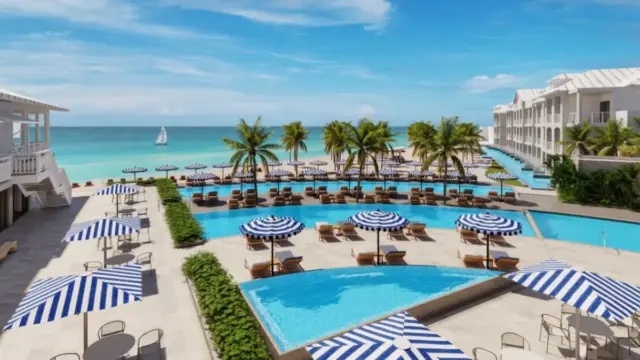
Beyond the shipboard experience, the initiative bridges the gap between land-based luxury and high-seas exploration. Through MSC’s expanded Stay & Cruise program, travelers can seamlessly pair their 7-night Southern Caribbean voyages—or extended 14-night "butterfly" itineraries—with pre- and post-cruise hotel stays at Casa de Campo, Bayahibe, or Altos de Chavón. Furthermore, the MSC Group’s luxury lifestyle brand, Explora Journeys, will also incorporate calls to Catalina Sugar Beach on select luxury itineraries, underscoring the broader corporate investment in the region.
This comprehensive report examines the structural shifts of this new deployment, the operational details of the Catalina Sugar Beach development, the economic impact on La Romana, and the strategic advantages for travelers seeking a deeply integrated Caribbean vacation.
Detailed Chronology & Operational Timeline
The rollout of MSC Cruises’ Southern Caribbean program represents a meticulously planned operational pivot, culminating in a series of key milestones leading up to its November launch.
Phase 1: Conceptualization and Strategic Partnerships (Early–Mid 2024)
Recognizing a growing demand for immersive, year-round Southern Caribbean deployments that bypass congested traditional hubs, MSC Cruises identified La Romana as an underutilized homeport with exceptional infrastructure. Collaborating closely with regional stakeholders, including CTL Maritime and the management of Casa de Campo Resort & Villas, planners conceptualized a multi-faceted destination project on Catalina Island. The objective: to create a curated, private-island-style experience that remains deeply connected to the cultural and natural heritage of the Dominican Republic.
Phase 2: Infrastructure Development and Environmental Integration (Late 2024–Mid 2025)
Construction and enhancement efforts on Catalina Island began with a focus on sustainable luxury. The development of Catalina Sugar Beach was engineered to minimize environmental disruption while introducing world-class hospitality facilities. Key milestones during this phase included:
- The Open-Air Beach Pavilion: Construction of the island’s primary dining hub, designed to blend natural timber aesthetics with high-capacity culinary operations.
- Bar and Lounge Architecture: Erection of the tropical open-air palapa bars, optimized for breeze circulation and panoramic ocean views.
- The Water Sports Center: Installation of modern equipment storage, rental hubs, and safety infrastructure for diving and snorkeling excursions.
- Ecological Trailblazing: Mapping and clearing of the island’s new nature walking path, complete with educational signage highlighting indigenous flora and fauna.
Phase 3: The November Launch and Inaugural Season (November 2025 Onward)
The operational pivot becomes official this November as the MSC Opera repositions to La Romana. Marking MSC Cruises’ first-ever year-round Southern Caribbean program, the ship will initiate a rotating schedule of eight distinct itineraries. Every single voyage will feature an obligatory, exclusive call at Catalina Sugar Beach, establishing a reliable weekly cadence that marries homeport convenience with pristine island exploration.
Supporting Context & Metrics: The Anatomy of the New Program
To fully understand the weight of MSC Cruises’ new deployment, it is necessary to examine the operational metrics, vessel specifications, and regional dynamics that make this program unique.
The Vessel: MSC Opera
While many cruise lines are leaning exclusively toward mega-ships, MSC Cruises has deliberately selected the MSC Opera for this deployment.
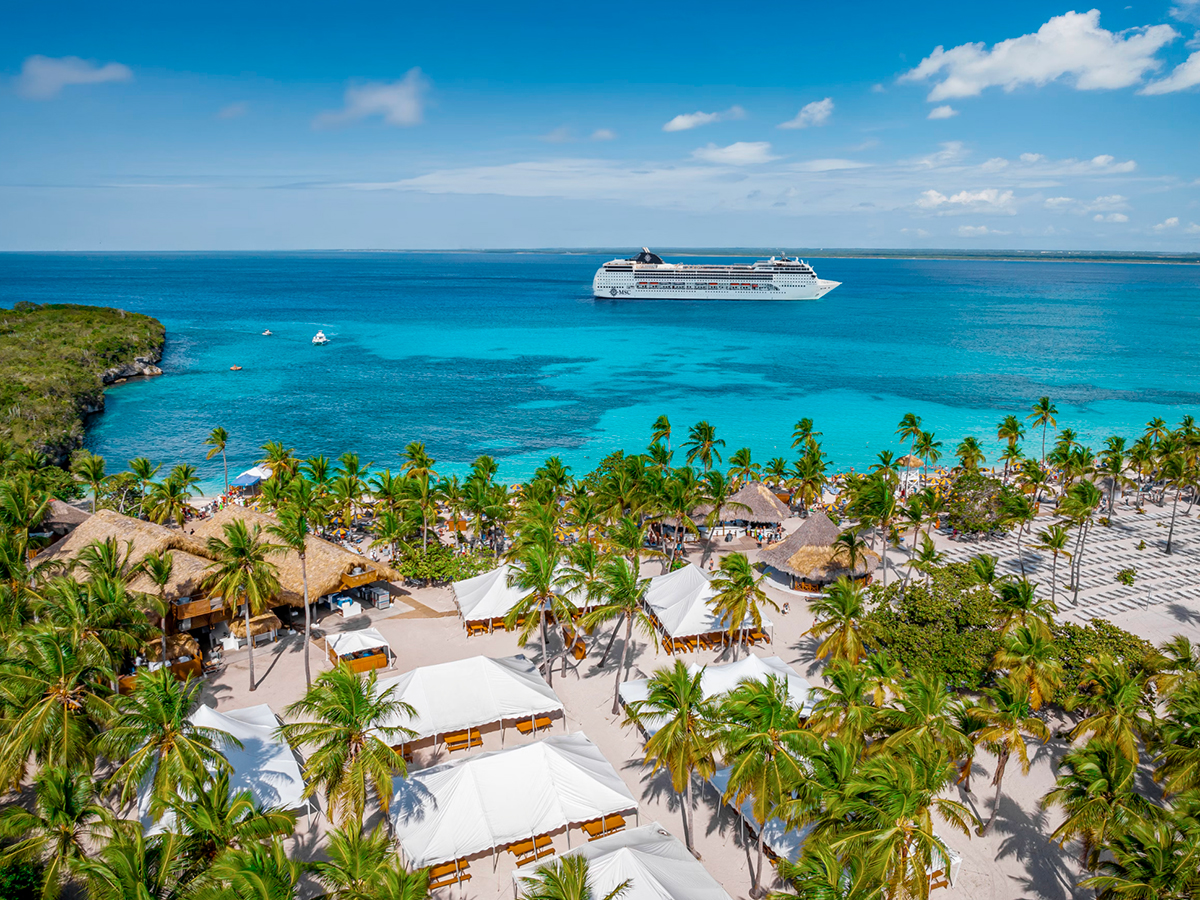
- Size and Agility: As a classic mid-sized vessel, the MSC Opera offers superior operational flexibility, allowing it to navigate a wider array of Southern Caribbean ports of call that cannot accommodate larger, contemporary mega-ships.
- Guest Experience: With a more intimate passenger-to-space ratio, the ship delivers a classic cruising ambiance complemented by modern amenities, ensuring a smooth transition between bustling port days and tranquil island retreats.
Itinerary Architecture: The 7-Night and 14-Night "Butterfly" Cruises
The program centers on weekly departures from La Romana, offering two core structural formats:
- Standard 7-Night Southern Caribbean Itineraries: Immersive weekly loops exploring diverse island nations across the southern basin, paired with the mandatory Catalina Island beach day.
- 14-Night "Butterfly" Cruises: For travelers seeking an extended holiday, consecutive itineraries can be seamlessly combined without repeating ports, creating a fortnight-long voyage anchored by a mid-cruise return to La Romana.
The Catalina Sugar Beach Enhancement Metrics
The revitalization of Catalina Island transforms a traditional snorkel stop into a fully functional, high-end beach destination. The facility footprint includes:
- Dining Capacity: The open-air beach pavilion features a buffet service capable of handling high-volume cruise turnarounds, featuring both international cuisines and authentic Dominican specialties.
- Hospitality Units: Introduction of premium daybeds and private cabanas, providing a dedicated basecamp for couples and families.
- Recreation Zones: A dedicated Water Sports Center offering paddleboards, snorkel gear, and catamaran excursion staging areas.
- Exclusivity: While the ship is docked and guests are ashore, access to Catalina Sugar Beach is strictly reserved for MSC passengers and participating guests from Casa de Campo Resort & Villas, preserving an intimate, private-island atmosphere.
Official Statements & Industry Perspectives
The announcement has generated significant enthusiasm across the cruise and hospitality sectors, highlighting the collaborative nature of the project.
Industry analysts have praised the homeporting strategy. By shifting La Romana from a brief transit port to a primary embarkation and debarkation hub, MSC Cruises has effectively unlocked extended land-sea packages.
Furthermore, local tourism authorities in the Dominican Republic have underscored the economic benefits of the year-round commitment. Unlike seasonal deployments that leave ports dormant for months at a time, a 12-month homeport schedule ensures steady employment for local transport providers, tour operators, and hospitality staff at Casa de Campo, Altos de Chavón, and the surrounding marinas.
Representatives for Explora Journeys have similarly noted that calls to Catalina Sugar Beach will offer their discerning clientele a refined, unhurried beach experience that aligns with the brand’s "Ocean State of Mind" philosophy—proving that the infrastructure investments on the island are built to satisfy both mainstream cruisers and ultra-luxury travelers alike.
Future Outlook: A New Era for Dominican Tourism
The launch of MSC Cruises’ year-round La Romana program and the grand opening of Catalina Sugar Beach signal a transformative shift in Caribbean cruise tourism. By decentralizing operations away from traditional northern Caribbean mega-ports, MSC has proven that sustainable, destination-focused programming can thrive in the culturally and naturally rich Southern basin.
Looking ahead, the success of the MSC Opera deployment is expected to catalyze further infrastructural investments in the southeastern Dominican Republic. As travelers increasingly seek vacations that blur the lines between land-based resort living and open-water exploration, the "Stay & Cruise" model pioneered by MSC and Casa de Campo will likely serve as a benchmark for future regional tourism partnerships.
Ultimately, whether a traveler chooses to spend their days exploring the stone-paved streets and archaeological museums of Altos de Chavón, hiking the new ecological trails of Catalina Island, or simply lounging in a newly minted cabana overlooking the turquoise waters of Catalina Sugar Beach, this comprehensive program redefines what a Caribbean cruise vacation can—and should—be.