








In the fast-paced ecosystem of consumer technology, annual product refreshes have become an expected norm. From smartphones to tablets, the cycle of iterative improvement is relentless. However, in the realm of high-end carry gear and travel equipment, perfection takes patience. While brands that cater to the digital-native consumer update their lineups every twelve months, the architects of carry systems operate on a far more deliberate cadence.
It is within this context that the recent announcement from Aer—a brand revered by digital nomads, frequent flyers, and EDC (Everyday Carry) enthusiasts alike—stands out. For the first time in four years, Aer has executed a comprehensive, ground-up overhaul of its flagship travel collection. This is not merely a superficial colorway update or a minor tweak to a zipper pull; it represents a generational evolution of some of the most popular travel backpacks and slings on the market.
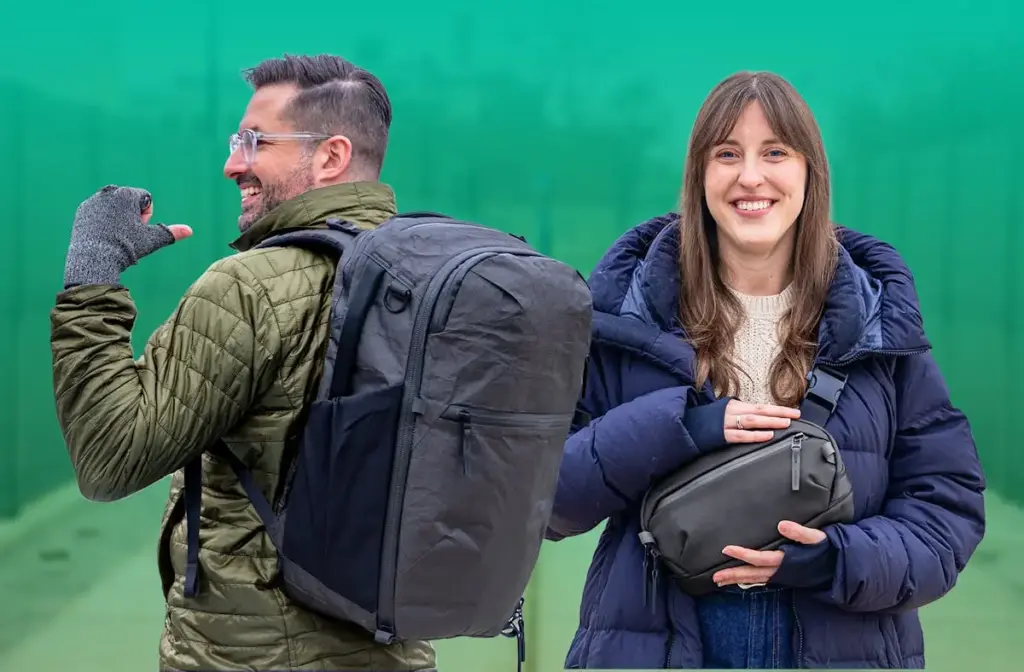
The redesigned lineup introduces meticulously engineered updates to two cornerstone travel backpacks—the Travel Pack 4 in 28L and 35L capacities—alongside two refined everyday carry solutions, the Day Sling 4 and the Day Sling 4 Max. Addressing the evolving demands of modern transit, Aer has reimagined everything from the exterior shell fabrics and internal framesheets to pocket layouts and hardware selection. Notably, the brand has listened to community feedback, moving away from magnetic hardware in favor of ultra-sturdy, traditional mechanical buckles, while expanding its material offerings to include high-performance technical sails like X-Pac and Ultra400X alongside the stalwart CORDURA® Ballistic Nylon.
This comprehensive report delves deep into the anatomy of Aer’s four-year collection overhaul. We analyze the structural engineering of the Travel Pack 4 series, evaluate the ergonomic refinements made to the Day Sling 4 ecosystem, explore the strategic choice of materials, and project what this means for the future trajectory of the high-end travel gear industry.
Detailed Chronology: The Four-Year Evolution to Version 4
To understand the magnitude of Aer’s latest release, one must trace the timeline of the brand’s design philosophy over the past half-decade. The journey from the third-generation travel series to the newly minted Travel Pack 4 and Day Sling 4 ecosystem is a masterclass in responsive product development, driven by user data, field testing, and advancements in technical textile manufacturing.
The Legacy of Generation 3: Setting the High-Water Mark
When Aer introduced its third-generation travel line several years ago, it quickly cemented its status as a gold standard for modular, urban-centric travel gear. The packs were praised for their clean aesthetics, clamshell opening mechanisms, and robust organization. However, the travel landscape shifted dramatically in the post-pandemic era. Travelers faced new airline baggage restrictions, increased security checkpoints, and a blur of boundaries between remote work and leisure travel—the rise of the "bleisure" traveler.
For four years, the third-generation bags held their ground. Yet, as competitors pushed the envelope with lighter materials, better load distribution, and enhanced modularity, Aer’s design team went quiet. Behind the scenes, however, a multi-year R&D initiative was underway. The goal was not simply to update, but to re-engineer every touchpoint of the travel experience.
The R&D Phase: Listening to the Community
During the four-year hiatus, Aer collected thousands of data points from user reviews, community forums like Pack Hacker and Reddit, and field tests conducted by ambassadors navigating airports, trains, and trails worldwide. Several key pain points emerged from this feedback loop:
- Hardware Preferences: While magnetic fasteners like Fidlock had their proponents for quick-access pockets, frequent travelers voiced concerns about accidental releases under heavy loads and long-term durability in extreme environments.
- Weight Management: As airlines grew stricter with carry-on weight limits, the baseline weight of the bag itself became a critical metric. Every gram mattered.
- Internal Architecture: While previous organization was functional, changes in tech footprints—such as the prevalence of slim laptops, varied tablet sizes, and diverse power delivery accessories—required a re-mapping of internal pockets.
- Harness Ergonomics: Fully packed 35L bags demanded better load-lifter integration and structural frame support to prevent lower-back fatigue during extended transit days.
The Launch of Generation 4
The culmination of this four-year development cycle is the new travel collection. Released quietly to anticipation within the gear community, the collection represents a mature synthesis of form and function. By revising the pocket geometries, introducing advanced technical laminates, optimizing the internal framesheet, and returning to heavy-duty mechanical hardware, Aer has positioned its new catalog not just as an update, but as a generational leap forward.
Supporting Context & Metrics: Materials, Engineering, and Ergonomics
A travel bag is only as good as its weakest component. Recognizing this, Aer’s engineering team scrutinized every millimeter of the new collection, balancing weight, durability, weather resistance, and ergonomic performance.
Material Science: Tailoring the Shell to the Traveler
One of the most significant upgrades in the new collection is the diversification of shell materials. Recognizing that different travelers prioritize different attributes—some want rugged, classic durability, while others demand absolute weatherproofing and ultralight performance—Aer offers the new bags in a curated selection of industry-leading textiles:
- 1680D CORDURA® Ballistic Nylon: Available in classic Black, Navy, and Olive, this heavy-duty ballistic nylon remains the benchmark for abrasion resistance and industrial-grade toughness. It gives the bags a structured, professional silhouette and a tactile ruggedness that can withstand years of being dragged across tarmac and shoved under airplane seats.
- X-Pac (Black): For those seeking a technical aesthetic combined with superior water resistance and structural rigidity, the X-Pac variant utilizes a multi-layer laminate sailcloth. It offers an incredible strength-to-weight ratio and a distinctive diamond-pattern visual texture.
- Ultra400X: Representing the cutting edge of ultralight technical materials, the Ultra400X option caters to weight-conscious minimalists who refuse to compromise on tear strength. It shaves critical ounces off the total carry weight while offering extreme durability.
The Travel Pack 4 (28L and 35L): Architectural Breakdown
The flagship pieces of the collection are the Travel Pack 4 variants, offered in 28L and 35L capacities. Both models share a core design philosophy centered around accessibility, structure, and comfort.
+-------------------------------------------------------------------------+
|                        TRAVEL PACK 4 SPECIFICATIONS                     |
+--------------------------+-------------------+--------------------------+
| Metric                   | 28L Variant       | 35L Variant              |
+--------------------------+-------------------+--------------------------+
| Ideal Trip Duration      | 1 - 3 Days        | 3 - 6 Days               |
| Main Compartment Opening | Full Clamshell    | Full Clamshell           |
| Internal Framesheet      | Integrated        | Integrated               |
| Load Lifters             | Standard          | Standard (Crucial)       |
| Optional Add-on          | Removable Hip Belt| Removable Hip Belt       |
+--------------------------+-------------------+--------------------------+- Clamshell Packing: Both bags feature a main compartment that opens completely flat. This architectural choice transforms the packing process, allowing users to pack cubes and garments with the precision of a traditional suitcase.
- All-Side Grab Handles: Recognizing that travel bags spend as much time being manhandled as they do on backs, Aer has integrated robust, padded grab handles on all sides of the packs. Whether pulling the bag from an overhead bin, dragging it out of a trunk, or lifting it onto a security belt, there is always a secure grip point within reach.
- Structural Integrity & Harness System: An internal framesheet provides the structural backbone, preventing the bag from sagging when loaded with tech gear and clothing. The ergonomic harness system features integrated load lifters—a vital inclusion that allows users to pull the top of the backpack closer to their center of gravity. While the smaller 28L bag is light enough that most users can forgo a hip belt, the 35L variant heavily benefits from the addition of a removable hip belt (sold separately) during fully packed, multi-day excursions.
The Day Sling 4 and 4 Max: Micro-Architecture for Urban Exploration
For days when a full backpack is unnecessary, the Day Sling 4 (2.5L) and Day Sling 4 Max (6L) provide scaled-down, highly organized carry solutions.
- Day Sling 4 (2.5L): Despite its compact footprint, this sling defies expectations. It features a dedicated padded pocket designed specifically for a small tablet or an e-reader like a Kindle. On the rear exterior, a secure, flush-lying pocket keeps high-value items—such as a passport and wallet—safely against the user’s body, deterring pickpockets in crowded transit hubs. Furthermore, Aer has introduced a repositionable, removable keychain system, allowing users to customize where their keys anchor inside the bag.
- Day Sling 4 Max (6L): Engineered for digital nomads who need to carry a bit more tech without scaling up to a backpack, the Max accommodates up to an 11-inch tablet in a specialized padded sleeve. Its internal organization ecosystem is tiered with slip pockets and zippered compartments, ensuring that charging bricks, cables, notebooks, and sunglasses remain securely in place while exploring a new city.
Official Statements & Design Philosophy
While brands often rely on marketing hyperbole, Aer’s approach to product updates is grounded in functional pragmatism. In discussions surrounding the release of the Generation 4 collection, the design team emphasized a return to foundational principles: durability, intuitiveness, and uncompromised user experience.
The Hardware Pivot: Buckles Over Magnets
One of the most noteworthy design decisions in the new collection is the conscious retreat from magnetic FIDLOCK fasteners back to high-grade mechanical buckles. In official design briefings, the team noted:
"While magnetic hardware offers a futuristic tactile experience, our extensive field testing across diverse global transit environments revealed that traditional mechanical buckles provide superior long-term reliability under maximal mechanical stress. We chose to prioritize absolute security and field serviceability, ensuring our users never have to second-guess their gear when it matters most."
This sentiment resonates deeply with experienced travelers. Gear failure on the road—whether a popped buckle during a sprint to catch a connecting flight or a compromised closure in a rugged environment—can derail a trip. By opting for sturdier, time-tested mechanical buckles, Aer has signaled that functional reliability trumps gimmickry.
Refining the Interior Ecosystem
Beyond hardware, the redesign of the interior pockets reflects an ongoing dialogue with the global travel community. The internal mesh materials have been upgraded to offer higher tear resistance and better visibility of stored contents. The layout of the admin panels has been re-indexed based on how modern travelers actually pack their gear—accommodating slimmer power banks, GaN chargers, and wireless earbud cases rather than legacy tech accessories.
Future Outlook: The Trajectory of High-End Carry Gear
The launch of Aer’s updated travel collection serves as a bellwether for the broader carry gear industry. As we look toward the remainder of the decade, several key trends are shaping how brands design, manufacture, and market travel equipment.
1. The Convergence of Technical Sailcloths and Everyday Aesthetics
The widespread adoption of materials like X-Pac and Ultra400X in urban and travel gear marks a permanent shift. Originally engineered for high-performance marine sailing and ultralight backpacking, these technical laminates are crossing over into everyday carry because consumers demand extreme weather protection without the aesthetic of a mountaineering expedition pack. Aer’s inclusion of these fabrics alongside classic CORDURA® demonstrates an understanding that modern travelers want professional minimalism on the outside and high-tech resilience on the inside.
2. Modular Ergonomics and Weight Optimization
With airlines tightening weight allowances—sometimes capping carry-ons at a stringent 7kg or 10kg—every gram counts. Future gear design will increasingly focus on reducing baseline bag weight while enhancing modular support systems. Aer’s inclusion of a removable hip belt on the Travel Pack 4 (35L) is a prime example of this philosophy: users who want a streamlined, urban aesthetic can strip the bag down for lighter loads, while those embarking on heavier, multi-city journeys can snap on the hip belt for orthopedic support.
3. Sustainability and Longevity
In an era dominated by fast fashion and disposable consumer goods, the four-year development cycle championed by Aer represents a sustainable counter-movement. By building products designed to last a decade or more, and by using ultra-durable materials that resist wear and tear, brands can mitigate environmental impact through product longevity. The decision to reinforce hardware and upgrade shell durability ensures that these bags will remain in circulation rather than ending up in landfills.
Conclusion
Aer’s four-year wait for a travel collection refresh has yielded a masterclass in thoughtful product iteration. By systematically addressing user feedback, upgrading to elite technical materials, refining internal organization, and making the bold, practical choice to return to mechanical buckles, the brand has revitalized its flagship lineup.
Whether you are eyeing the versatile Travel Pack 4 in its 28L or 35L iterations for your next international excursion, or looking to streamline your daily transit with the feature-rich Day Sling 4 or 4 Max, the Generation 4 collection proves that patience in product development pays off. For travelers seeking gear that balances rugged durability, ergonomic comfort, and clean architectural design, Aer has once again set the benchmark for modern carry.