







As the sweltering heat of summer gives way to the crisp, crisp air of autumn, our physiological relationship with the environment undergoes a fundamental shift. For months, human skin has been locked in a defensive battle against intense ultraviolet (UV) radiation, high humidity, saltwater, chlorine, and oxidative stress. As a result, the transition into fall requires a strategic pivot: moving away from summer defense and toward comprehensive restoration, deep repair, and preventative fortification ahead of the harsh, moisture-stripping winter months.
Dermatologists and clinical estheticians widely regard autumn as the "golden window" for skincare. The scientific rationale is straightforward: ambient temperatures drop, humidity levels stabilize, and, most importantly, daily UV intensity decreases significantly. This environmental cooling creates the ideal conditions for more aggressive corrective treatments—such as chemical peels, laser resurfacing, and advanced pigment-correcting regimens—which require controlled recovery periods and minimal sun exposure.
By taking advantage of this seasonal shift, patients and wellness seekers can systematically reverse the cumulative cellular damage of summer. Whether addressing hyperpigmentation, textural irregularities, or chronic dehydration, autumn provides a physiological clean slate. Integrating professional spa therapies with targeted at-home regimens ensures that the skin barrier is repaired, cellular turnover is optimized, and a radiant complexion is maintained well into the new year.
Detailed Chronology: The Seasonal Lifecycle of Skin Health
Understanding why autumn is the optimal time for skin rehabilitation requires examining the annual lifecycle of dermatological health and how external climatic shifts directly impact epidermal integrity.
Summer: The Season of Oxidative Stress and Defense
During the peak months of June, July, and August, the skin is subjected to constant environmental assault. High ambient temperatures stimulate excess sebum production, leading to clogged pores, breakouts, and textural congestion. Simultaneously, persistent exposure to UVA and UVB rays triggers melanogenesis—the production of melanin—as a protective mechanism against DNA damage. While this manifests as a tan, it frequently results in post-inflammatory hyperpigmentation, solar lentigines (sun spots), and uneven skin tones. Furthermore, outdoor activities, air conditioning, and frequent swimming strip the skin’s natural lipid barrier, accelerating transepidermal water loss (TEWL) and leaving the skin structurally compromised by late August.
Early Autumn: The Window of Assessment and Intervention
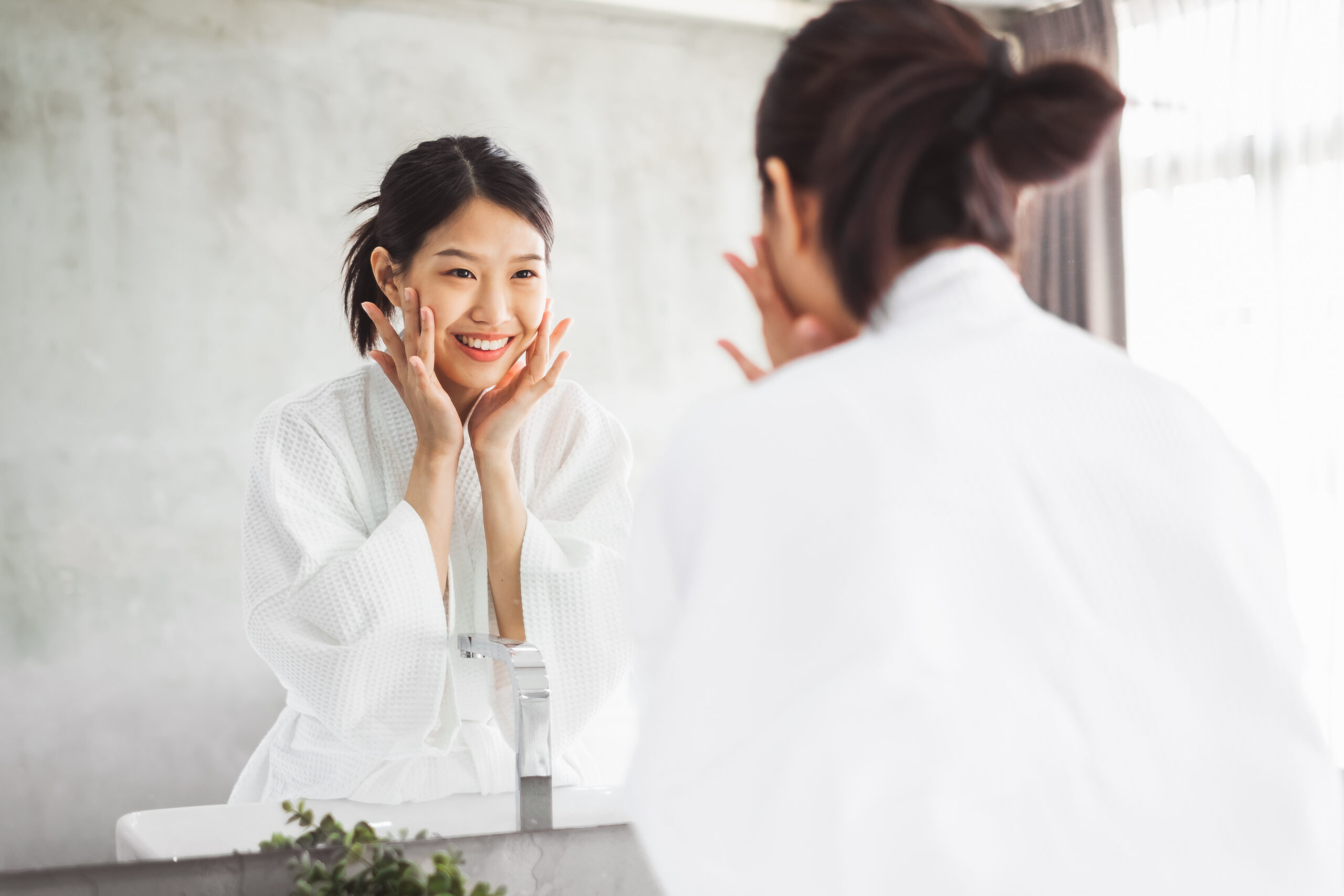
As September arrives, the physiological effects of summer become glaringly apparent: dullness sets in as dead skin cells accumulate, sun spots darken, and underlying dehydration becomes visible beneath a layer of sun-damaged surface cells. This is the precise moment when dermatologists advise a comprehensive "skin audit." Because the fierce intensity of the summer sun subsides, the skin is no longer at immediate risk of severe UV-induced rebound pigmentation following clinical interventions. Early autumn acts as a bridge, allowing practitioners to safely deploy keratolytic agents and resurfacing tools that would otherwise be hazardous during peak sun months.
Mid-to-Late Autumn: Deep Repair and Winter Fortification
By October and November, the focus shifts from correction to fortification. With the skin’s surface renewed through chemical exfoliation or laser therapy, mid-to-late autumn is dedicated to structural rehydration and barrier reinforcement. Treatments turn toward nourishing modalities, such as oxygen infusions, peptide therapy, and lipid-rich barrier creams. This sequential progression—from assessment to correction, and finally to fortification—ensures that the skin is structurally robust, deeply hydrated, and fully prepared to withstand the plummeting temperatures, indoor heating, and biting winds of winter.
Supporting Context & Metrics: The Science of Autumn Skin Recovery
To appreciate the efficacy of fall skincare protocols, one must examine the clinical mechanisms underlying seasonal skin damage and the targeted therapies designed to reverse it.
The Anatomy of Sun Damage and Hyperpigmentation
Ultraviolet radiation penetrates the epidermis, generating reactive oxygen species (ROS) that damage cellular DNA, degrade collagen and elastin fibers, and stimulate melanocytes to overproduce pigment. By the end of summer, this accumulation of melanin results in stubborn hyperpigmentation that topical, over-the-counter moisturizers alone cannot resolve.
Clinical studies in dermatological journals consistently demonstrate that corrective interventions yield significantly higher efficacy rates when ambient UV index values drop below 3. Autumn climate patterns across North America and Europe naturally align with this drop, dramatically reducing the risk of post-procedural complications such as post-inflammatory hyperpigmentation (PIH).
Chemical Peels: Accelerating Cellular Turnover
The stratum corneum—the outermost layer of the epidermis—naturally thickens as a defense mechanism against UV radiation during the summer. While protective, this thickened layer traps dead cells, dulls the complexion, and prevents active ingredients from penetrating the skin.
Chemical peels disrupt the intercellular glue holding these dead cells together, forcing rapid desquamation and stimulating accelerated cellular turnover. Depending on the depth of the peel—ranging from superficial alpha-hydroxy acid (AHA) and beta-hydroxy acid (BHA) formulations to medium-depth TCA (trichloroacetic acid) treatments—chemical peels demonstrably improve:
- Epidermal texture and smoothness
- The appearance of fine lines and superficial wrinkles
- The dispersion and fading of hyperpigmented lesions
- Overall dermal collagen synthesis and skin elasticity
The Hydration Imperative: Oxygen Facials and Barrier Repair
As outdoor humidity plummets in the fall, the skin’s natural moisturizing factor (NMF) is put to the test. Dehydration manifests not only as flaking and tightness but also as an accentuation of fine lines and a compromised skin barrier.
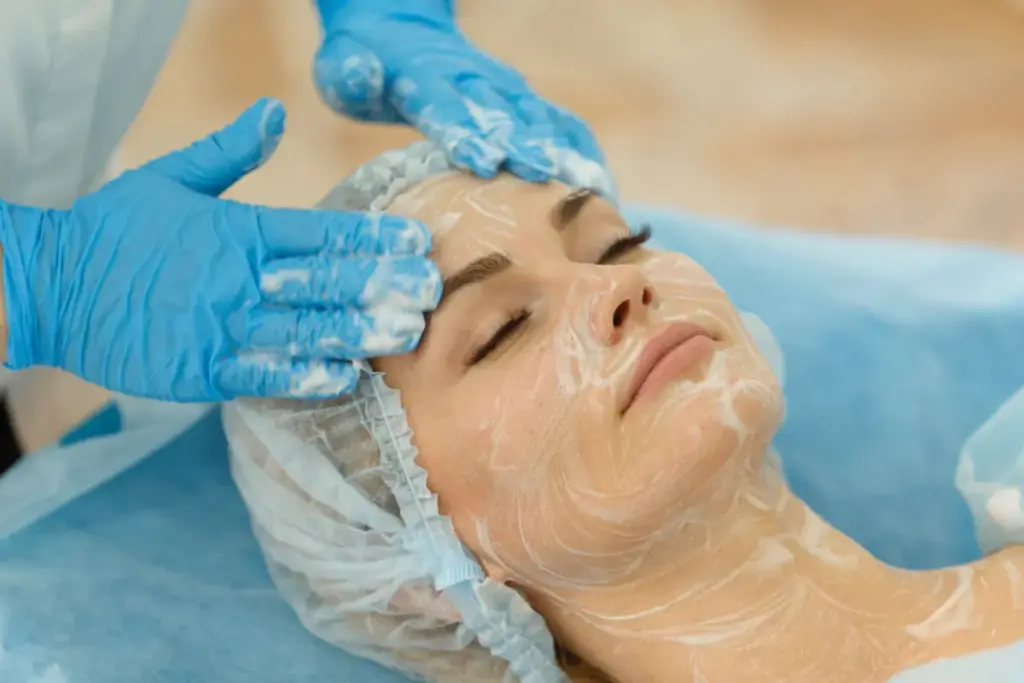
Advanced hydrating treatments, notably oxygen facials, utilize hyperbaric pressure to infuse medical-grade oxygen coupled with low-molecular-weight hyaluronic acid, peptides, and botanical antioxidants deep into the dermal layers. This immediate delivery system plumps the extracellular matrix, restores optimal moisture balance, and calms inflammation without requiring downtime. Clinical observations show that maintaining optimal skin hydration significantly enhances the skin’s immunological defense against seasonal pathogens and environmental pollutants.
Official Statements and Expert Perspectives
Leading dermatologists, aesthetic physicians, and wellness authorities universally champion the autumn reset as a cornerstone of long-term skin health management.

"Fall is not merely a change in the calendar; it is a clinical imperative for anyone who spends time outdoors during the summer months. The decrease in ambient UV radiation allows us to safely utilize medical-grade chemical peels and advanced resurfacing lasers that would carry an unacceptably high risk of hyperpigmentation in July or August. Patients who embrace a structured autumn repair protocol consistently exhibit healthier dermal architecture and younger-looking skin over time."
— Dr. Christina Vance, Board-Certified Dermatologist and Clinical Researcher
Aesthetic specialists also emphasize the psychological and physiological benefits of aligning self-care routines with natural seasonal rhythms.
"There is a profound connection between seasonal transitions and holistic wellness. When the weather cools, clients are naturally more inclined to seek out restorative, introspective spa experiences. By combining high-performance clinical treatments—like oxygen facials and targeted brightening serums—with the relaxation of a professional spa environment, we address both the physical manifestations of summer damage and the mental fatigue of the changing season."
— Elena Rostova, Master Esthetician and Spa Director
Wellness industry data from leading platforms such as Spafinder and Live Love Spa underscore a measurable surge in consumer demand for corrective facial treatments, brightening agents, and restorative spa packages every September and October, signaling a widespread cultural recognition of the autumn reset.
Future Outlook: The Evolution of Seasonal Skincare
Looking ahead, the landscape of seasonal skincare is poised for significant innovation, driven by advancements in biotechnology, personalized medicine, and a growing consumer preference for sustainable, science-backed wellness rituals.

The Rise of Precision Skincare and Custom Blends
Future seasonal protocols are moving away from generalized treatments toward hyper-personalized regimens tailored to an individual’s unique skin microbiome and genetic predisposition to environmental damage. Utilizing AI-driven skin diagnostic tools, estheticians and dermatologists can now map subsurface UV damage, vascular redness, and moisture levels with unprecedented precision. This allows for the creation of bespoke autumn treatment plans that precisely target an individual’s specific vulnerabilities, optimizing recovery windows and maximizing clinical outcomes.
Integration of Clean Beauty and Advanced Bio-Actives
The modern consumer demands high efficacy without compromising on safety or environmental sustainability. The future of fall skincare heavily features clean, biocompatible formulations that harness advanced bio-actives—such as plant-derived growth factors, stable vitamin C derivatives, and biomimetic peptides—to repair the skin barrier. These ingredients work synergistically with professional spa modalities, ensuring that deep corrective treatments do not disrupt the delicate balance of the skin microbiome.
Holistic Wellness as a Year-Round Mandate
Ultimately, the future outlook of seasonal skincare points toward a holistic integration of aesthetic treatments, mental wellness, and lifestyle medicine. As stress levels fluctuate with the demands of the modern work year, the autumn transition serves as a vital reminder to pause, reset, and invest in preventative self-care. By leveraging the unique biological advantages of the autumn season through professional spa therapies and targeted at-home regimens, individuals can ensure enduring skin health, radiant vitality, and resilience against the elements for years to come.