









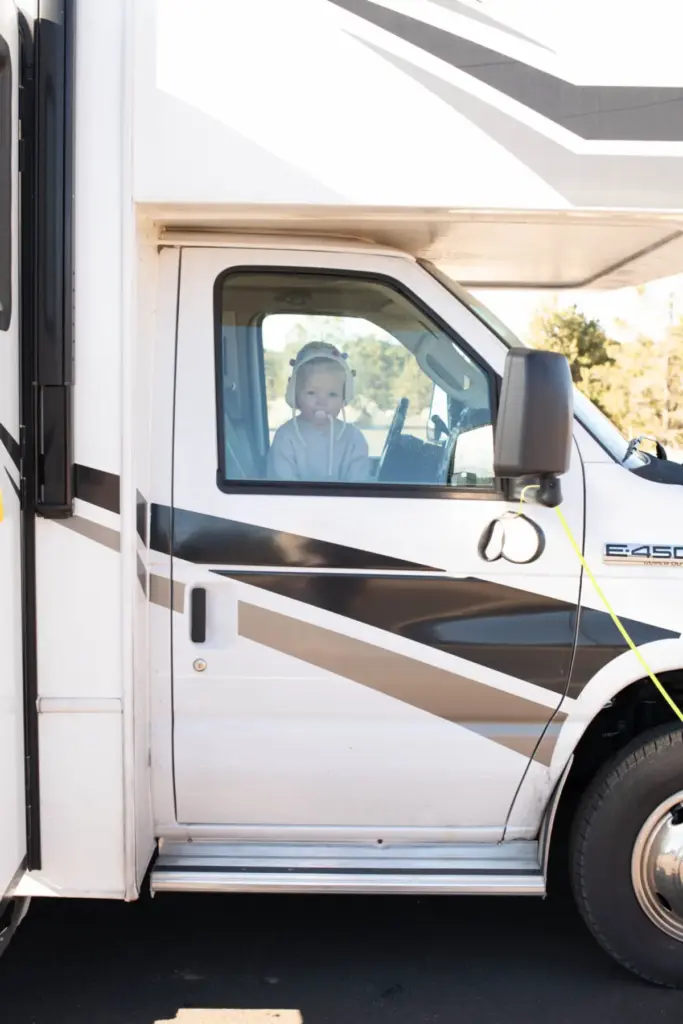
For generations, the American family vacation has been defined by the familiar friction of airline baggage fees, rigid hotel check-in times, and the monotony of fast-food drive-thrus. However, a quiet revolution in leisure travel has shifted the paradigm toward autonomy and connection. RV travel has firmly cemented its status as the premier modality for families seeking a harmonious blend of adventure and domestic comfort.
According to recent travel and outdoor recreation industry data, family-focused RV road trips are experiencing an unprecedented surge in popularity. This renaissance is driven by a unique convergence of flexibility, affordability, and spacious living arrangements that traditional modes of transit simply cannot match. When families take to the open highway in a recreational vehicle, they effectively bypass the primary pain points of contemporary travel: exorbitant lodging costs, dining out for every meal, and the logistical nightmare of packing and unpacking suitcases at every stop.
Yet, orchestrating a seamless family RV excursion requires more than simply tossing bags into a camper and turning the ignition. From establishing a realistic baseline budget and mastering peer-to-peer rental marketplaces to mapping out manageable itineraries and maintaining rigorous safety standards, modern RVing demands strategic foresight. This comprehensive guide explores the essential methodologies, financial frameworks, safety protocols, and entertainment strategies required to transform a standard family road trip into an unforgettable, stress-free odyssey.
Detailed Chronology: Step-by-Step Strategic Planning
Successfully executing an RV journey with children in tow is an exercise in meticulous orchestration. To ensure a frictionless vacation, experienced travelers and industry veterans recommend breaking down the planning process into chronological phases, moving from macro-level budgeting to micro-level daily execution.
Phase 1: The Conceptualization and Budgeting Window (6 to 9 Months Prior)
The journey begins long before hitting the highway. Families must first align on the core vision of the trip: Are you seeking the rugged landscapes of national parks, the coastal serenity of state beaches, or the structured excitement of family-oriented theme parks? During this window, establish a rigid financial ceiling. Analyze potential hidden costs—such as fuel consumption, campsite reservation fees, mileage overages, and generator rentals—to prevent sticker shock later.
Phase 2: Securing the Rig via Peer-to-Peer Marketplaces (4 to 6 Months Prior)
Once the parameters and budget are set, securing the right vehicle is paramount. Modern peer-to-peer RV rental platforms have democratized access to recreational vehicles, allowing families to browse everything from compact camper vans to luxurious Class A motorhomes directly from local owners. This phase involves filtering listings for family-specific needs, such as bunk beds, adequate seating with seatbelts, and pet-friendly amenities, while thoroughly vetting owner reviews.
Phase 3: Route Architecture and Itinerary Design (2 to 3 Months Prior)
Rather than attempting a cross-country marathon that exhausts both driver and children, smart travelers practice geographical clustering. By selecting destinations that are relatively close together—such as grouping California’s Sequoia, Kings Canyon, and Yosemite national parks—families maximize their actual leisure time. During this phase, apply the golden rules of driving distances, mapping out realistic daily legs that respect the attention spans of younger travelers.
Phase 4: Pre-Trip Safety Audits and Packing (2 to 4 Weeks Prior)
As departure day approaches, focus shifts to mechanical and personal safety. Verify that comprehensive insurance coverage and 24/7 roadside assistance are active on your rental agreement. Conduct a trial run of the vehicle’s safety equipment, including carbon monoxide detectors, fire extinguishers, and emergency exits. Concurrently, curate packing lists that balance seasonal clothing with road trip games, snacks, and outdoor gear.
Supporting Context & Metrics: The Economics of RV Travel
To truly appreciate the value proposition of a family RV road trip, one must analyze the underlying financial mechanics and operational metrics that govern modern travel budgets.
Decoding the Total Cost of Ownership (and Renting)
While the nightly rate of an RV rental is the first figure consumers notice, seasoned travelers know it represents only a fraction of the total trip cost. A comparative financial analysis must account for several variable factors:
- Fuel Consumption: RVs, particularly larger Class A and C motorhomes, consume significantly more fuel than standard passenger vehicles. Route optimization and limiting daily mileage are critical levers for managing this expense.
- Campsite Fees: Prices vary dramatically depending on the location and amenities. State parks and Bureau of Land Management (BLM) sites offer budget-friendly or even boondocking options, whereas private luxury RV resorts with full hookups command premium nightly rates.
- Per-Mile and Generator Fees: Many rental contracts include a designated mileage allowance per day, with additional miles billed at a per-mile rate. Similarly, heavy reliance on onboard generators outside of full-hookup sites may incur hourly usage fees.
To assist families in making apples-to-apples comparisons across different rental options, utilize a structured evaluation matrix:
| Cost Factor | RV Option A (Class C) | RV Option B (Travel Trailer) | RV Option C (Class A Luxury) |
|---|---|---|---|
| Nightly Rate | $175 | $120 | $300 |
| Mileage Fees | Included (100 mi/day) | N/A (Tow vehicle fuel applies) | $0.35/mile over 75 |
| Generator Use Fees | 4 hours free/day | Propane usage extra | Unlimited included |
| Cleaning Fees | $125 | $95 | $200 |
| Delivery/Setup | N/A | $150 (Optional) | Included |
| ESTIMATED TOTAL: | $1,450 | $1,185 | $2,500 |
The Power of Shoulder-Season Travel
Timing is another powerful financial lever. Statistical data from the tourism sector consistently demonstrates that traveling during shoulder seasons—specifically spring and autumn—yields exponential savings. Campgrounds and rental operators frequently slash prices during these windows to stimulate demand. Furthermore, shoulder-season travel insulates families from the crushing crowds, soaring temperatures, and booking bottlenecks characteristic of peak summer months.
Official Statements and Industry Insights
Industry experts, safety advocates, and hospitality leaders emphasize that the exponential growth of family RV travel is not a transient post-pandemic fad, but a fundamental shift in consumer preferences toward experiential, self-directed vacations.
According to prominent figures within the outdoor hospitality sector, the democratization of RV rentals through digital marketplaces has removed historical barriers to entry. “Families no longer need to commit to purchasing a six-figure asset to experience the freedom of the open road,” notes a leading voice in outdoor travel advocacy. “Peer-to-peer platforms have transformed RVing into an accessible, plug-and-play lifestyle choice for parents who value both financial prudence and high-quality family bonding time.”
Safety organizations and highway administrators similarly underscore the evolving technological sophistication of modern recreational vehicles. Today’s rental fleets are increasingly outfitted with advanced driver-assistance systems (ADAS), rearview backup cameras, electronic stability control, and comprehensive fire-safety systems. Industry associations continually stress that while these technological safeguards are robust, they must be paired with disciplined human protocols—most notably, the strict enforcement of seatbelt utilization for all passengers while the vehicle is in motion.
Furthermore, child development and family psychology experts highlight the cognitive and emotional benefits inherent in unstructured outdoor play during road trips. Disconnecting from urban stimuli and immersing children in state and national park environments fosters resilience, curiosity, and a lifelong appreciation for environmental stewardship.
Future Outlook: The Evolution of Family Road Tripping
As we look toward the horizon of the travel and leisure industry, several transformative trends are poised to redefine the family RV road trip experience:
1. The Electrification of Recreational Vehicles
The most monumental shift on the horizon is the electrification of the RV fleet. Major automotive and specialty manufacturers are heavily investing in hybrid and fully electric motorhomes and travel trailers. For families, this transition promises a quieter cabin environment, drastically reduced fuel expenses, and zero tailpipe emissions—aligning eco-conscious values with practical road-trip logistics. Additionally, electric RVs equipped with high-capacity battery banks will revolutionize off-grid "boondocking," allowing families to camp remotely without sacrificing modern digital conveniences.
2. Smart Camping and Automated Infrastructure
Campgrounds and state park systems are rapidly modernizing. The integration of Internet of Things (IoT) sensors, automated check-in kiosks, high-speed fiber-optic Wi-Fi connectivity across remote parks, and predictive booking algorithms will streamline the administrative hurdles of travel. Parents will spend less time managing logistics and more time engaging with their children around the campfire.
3. Hyper-Personalized Itinerary AI
Artificial intelligence tools are beginning to permeate the travel planning ecosystem. Future RV travelers will leverage hyper-personalized AI trip planners capable of synthesizing children’s specific age groups, educational interests, dietary restrictions, and budget constraints into bespoke, optimized daily itineraries. These systems will dynamically reroute families around highway congestion, inclement weather, and overcrowded tourist traps in real time.
Conclusion: Embracing the Open Road
The family RV road trip remains one of the few vacation models that successfully marries adventure with domestic security. By anchoring your planning in realistic budgeting, selecting developmentally appropriate driving distances, leveraging peer-to-peer marketplaces, and prioritizing safety, you pave the way for an extraordinary journey.
The open highway offers a rare sanctuary for families to disconnect from the digital noise of the twenty-first century and reconnect with one another. Whether you are navigating the majestic towering pines of Sequoia National Park or sharing stories under a blanket of stars at a quiet state park campground, the memories forged on an RV road trip are enduring.
Ready to embark on your family’s next great adventure? Begin your journey today by exploring curated RV rentals designed to match your unique travel style, destination aspirations, and budget.