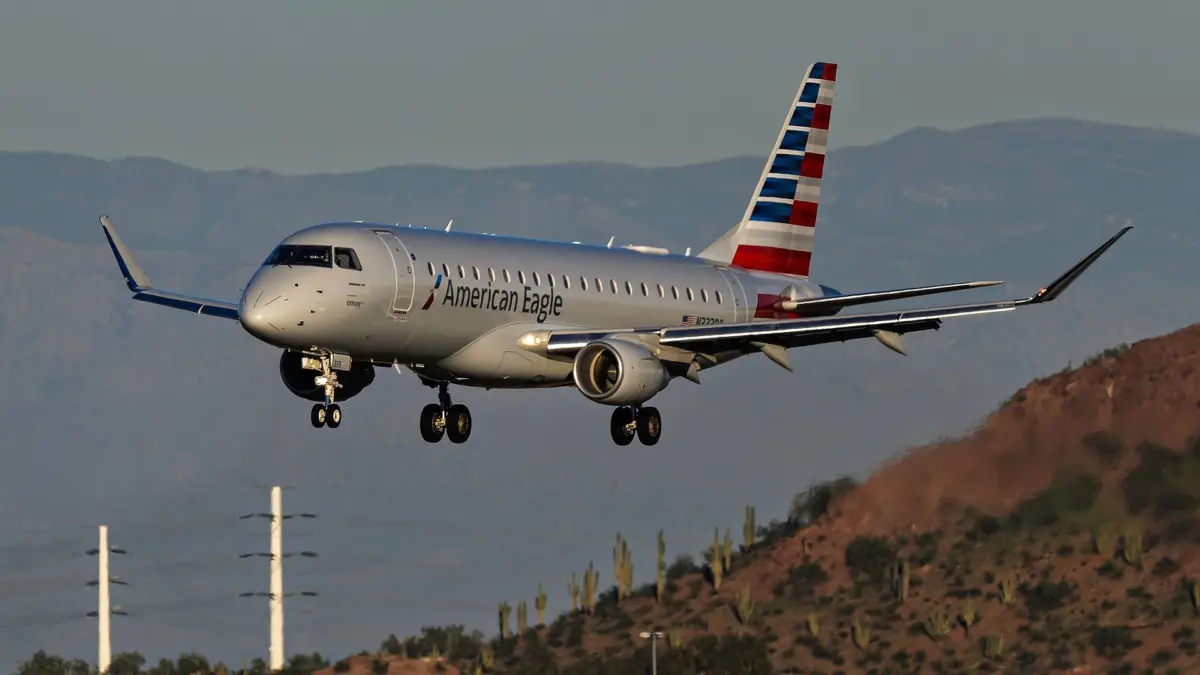
For decades, holding top-tier elite status within a major airline loyalty program carried an almost magical perk: the ability to buy the cheapest, most restrictive economy ticket and watch space-available automated algorithms whisk you away to the front of the aircraft. For American Airlines AAdvantage elite members, this meant that booking a Main Cabin seat on a premium transcontinental or long-haul domestic hop—such as New York to Los Angeles or Dallas-Fort Worth to Honolulu—carried the tantalizing, albeit slim, possibility of scoring a complimentary upgrade all the way into a lie-flat Flagship Business or Flagship First suite.
That era is officially drawing to a close.
Beginning August 25, American Airlines is fundamentally restructuring its domestic complimentary upgrade framework. Under the new policy, the presence of a dedicated Premium Economy cabin on an aircraft will cap complimentary upgrades for Main Cabin status holders. Instead of leaping directly from economy to the premier lie-flat Business cabin, elites will now be funneled into an intermediary step: a complimentary upgrade into Premium Economy.
This shift introduces a complex, aircraft-dependent patchwork of rules across American’s premium domestic and Hawaiian networks. Whether an elite flyer can still secure a direct-to-business upgrade now depends entirely on whether their specific flight is operated by an aircraft featuring a physical Premium Economy cabin—such as the cutting-edge Airbus A321XLR or Boeing widebodies—or older configurations lacking the intermediate cabin, such as the classic Airbus A321T and standard domestic A321neos.
As American Airlines closes this loop, the competitive landscape among U.S. legacy carriers shifts dramatically, leaving Delta Air Lines as the last major holdout offering uninhibited, direct-to-flagship-tier complimentary domestic upgrades.
Detailed Chronology: How the Policy Evolves
The transformation of American Airlines’ upgrade policy has been years in the making, driven by the rapid densification of premium cabins, shifting corporate travel recovery metrics, and the retirement of older fleet types in favor of modern aircraft.
The Legacy Status Quo
Historically, American Airlines maintained a straightforward, hierarchical upgrade ladder for elite members (AAdvantage Executive Platinum, Platinum Pro, Platinum, and Gold). On qualifying routes—primarily elite-heavy transcontinental routes linking New York (JFK) and Boston (BOS) with Los Angeles (LAX) and San Francisco (SFO), alongside core Hawaiian trunk routes from Dallas-Fort Worth (DFW), Chicago (ORD), and Phoenix (PHX)—Main Cabin passengers were eligible for space-available upgrades directly into the highest domestic class of service available on the aircraft.
On three-cabin aircraft like the legacy Airbus A321T (featuring Flagship First, Flagship Business, and Main Cabin, but no Premium Economy), this meant elites skipped straight into a lie-flat business seat. On widebody aircraft operating domestic tag flights (such as Boeing 777s and 787s), the mechanics were occasionally murky, but the underlying philosophy remained: status rewards meant maximum cabin progression when inventory allowed.
The Introduction of Premium Economy Density
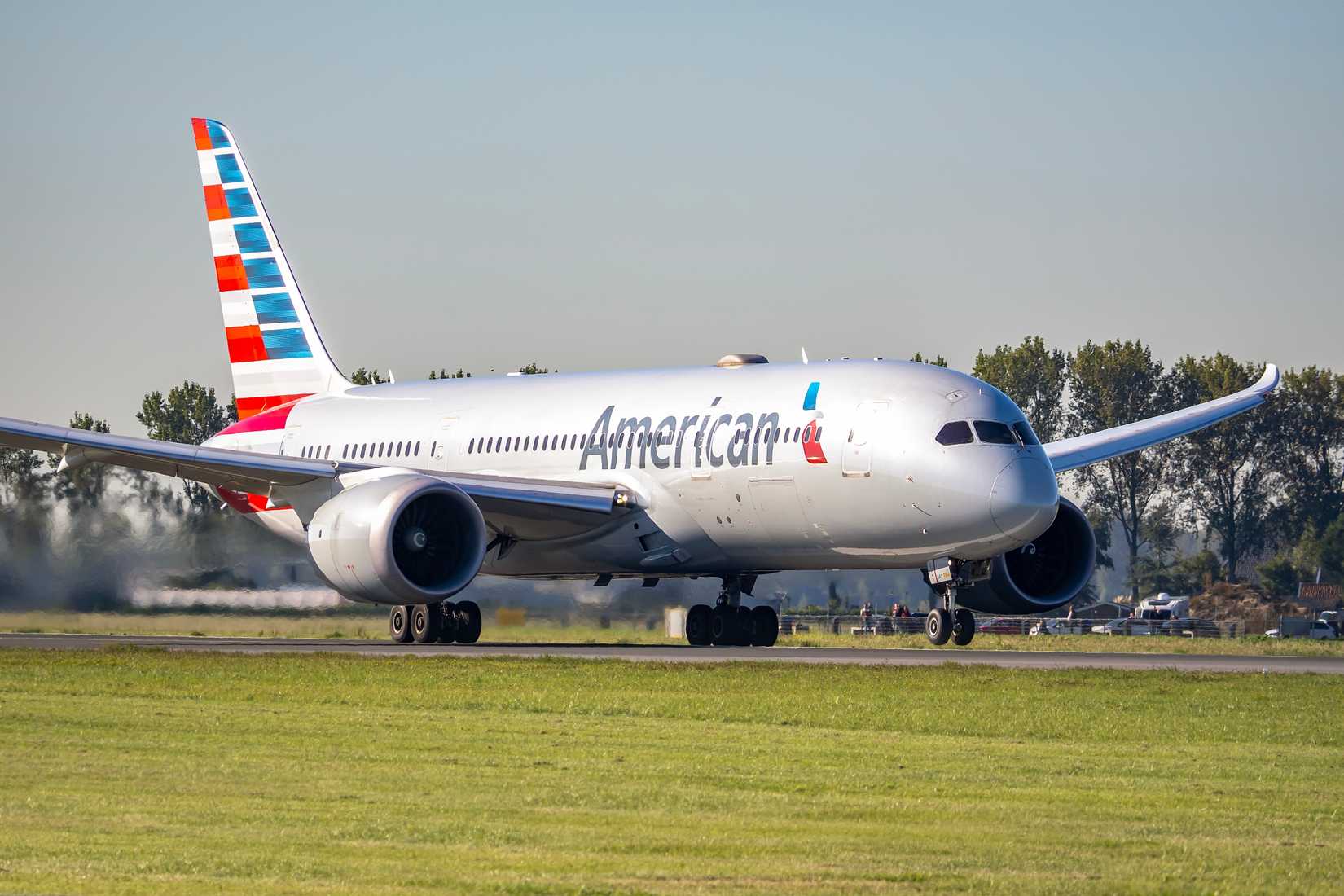
The catalyst for change began with fleet modernization. As American retired its specialized transcontinental A321T fleet and integrated next-generation aircraft—most notably the revolutionary Airbus A321XLR and international Boeing 787 Dreamliner variants onto domestic paths—the cabin layouts shifted to three- and four-class configurations containing a dedicated Premium Economy zone.
With Premium Economy cementing its place as a high-margin, highly sought-after revenue product, airlines quickly realized that letting economy flyers "leapfrog" over it for free cannibalized paid ticket sales.
The August 25 Paradigm Shift
Announced in mid-2026 with an implementation date of August 25, American Airlines formalized a strict "one-cabin-at-a-time" upgrade ladder for routes equipped with Premium Economy.
From Main Cabin: Status members are now restricted to complimentary upgrades into Premium Economy only.
From Premium Economy: Passengers who purchase a Premium Economy ticket—or secure an Instant Upgrade into the cabin—remain eligible for a secondary complimentary upgrade into Flagship Business, provided space permits.
The Exceptions: Routes and aircraft lacking a physical Premium Economy cabin (such as the remaining A321T fleet or standard domestic A321neos) are grandfathered into the old rules, preserving direct-to-business upgrades for Main Cabin elites.
American Airlines began modifying existing future upgrade requests on August 25, warning customers that the automated sweep would take several days to cascade through the reservation system. Confirmed business upgrades booked prior to the policy change are being honored, provided the passenger does not alter their itinerary.
Supporting Context & Metrics: Fleet Breakdown and Impacted Routes
To fully understand why two AAdvantage elite members flying the same route can experience entirely different upgrade paths, one must examine the operational realities of American’s fleet deployment.
The Aircraft Divide: A321T vs. A321XLR
The contrast is nowhere more apparent than on the ultra-competitive New York (JFK) to Los Angeles (LAX) transcontinental corridor.
Cabin Detail
Airbus A321T (Legacy)
Airbus A321XLR (Modern)
Flagship First
10
—
Flagship Business / Suites
20 (Lie-flat)
20 (Enclosed Suites)
Premium Economy
None
12
Main Cabin / Extra
72
123
Highest Complimentary Upgrade from Main Cabin
Flagship Business
Premium Economy
Because the A321T lacks a Premium Economy cabin, a top-tier AAdvantage Executive Platinum member booked in basic economy on that specific flight remains eligible for a direct, complimentary jump into a lie-flat Flagship Business seat. However, if that same elite member books a flight an hour later operated by the Airbus A321XLR, their complimentary ceiling is rigidly capped at Premium Economy.
Impacted Routes and Operational Matrix
American Airlines has initially highlighted nine core routes subject to this split-upgrade logic, driven by the deployment of widebodies and the A321XLR:
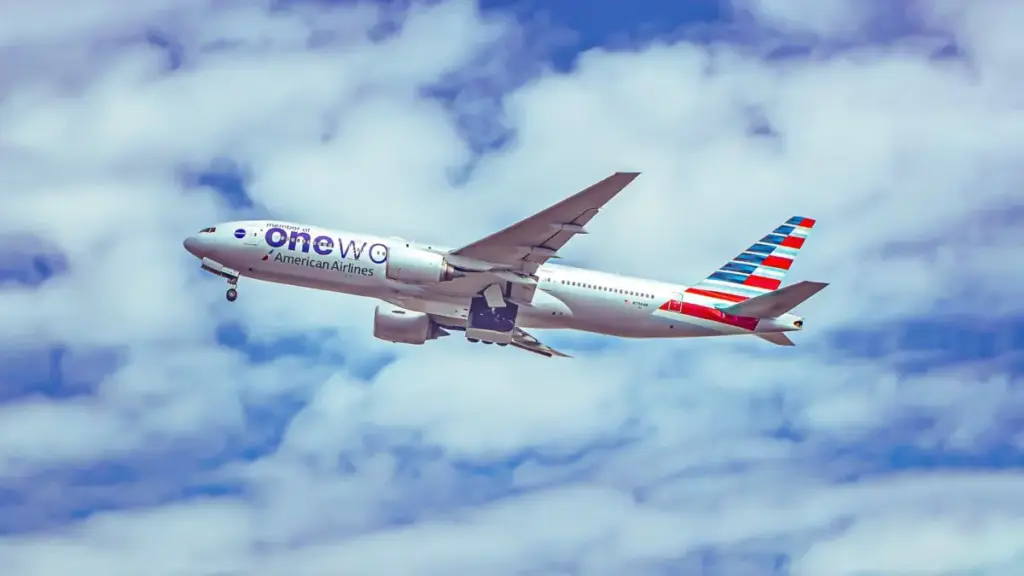
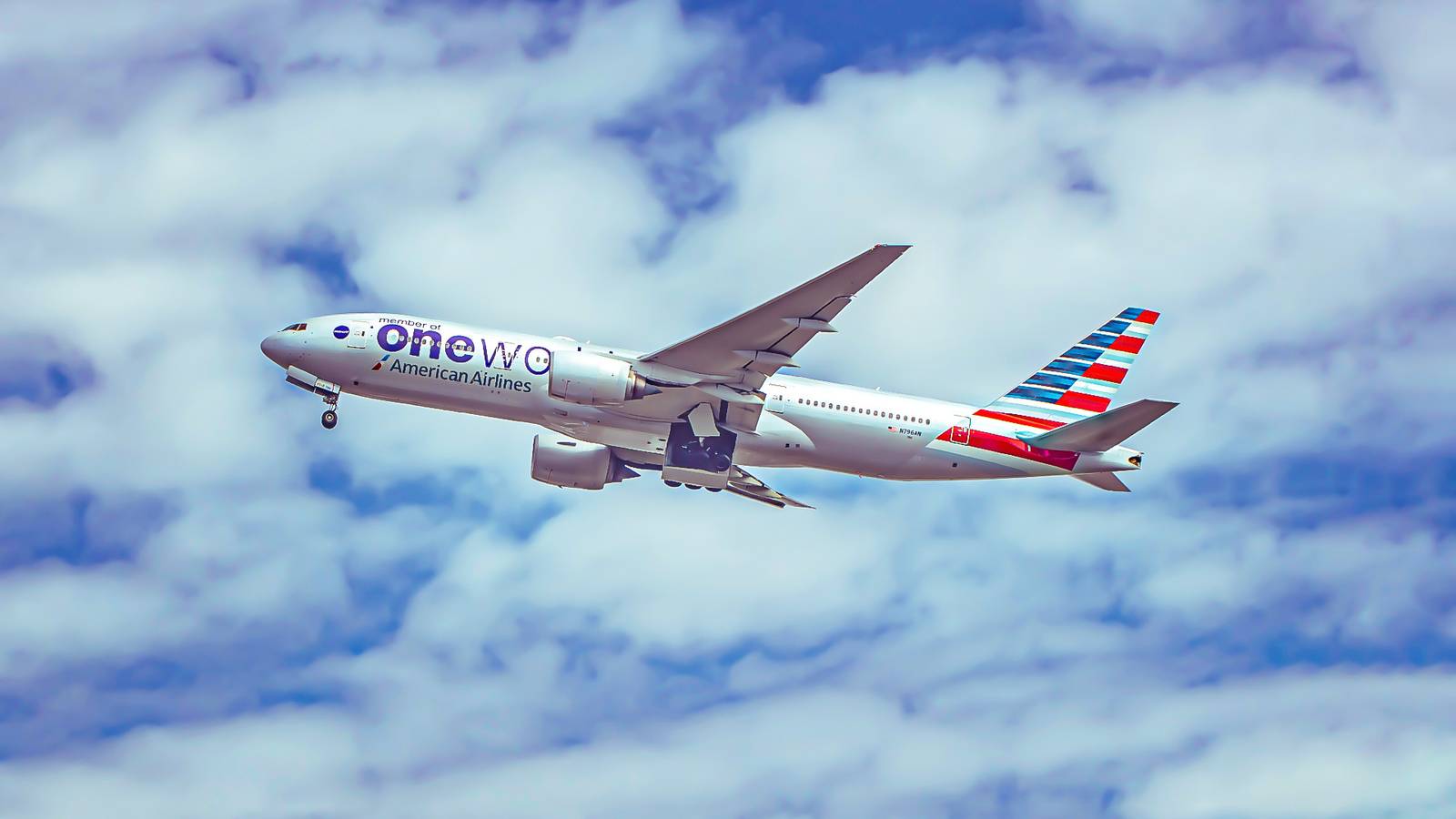
New York JFK – Los Angeles (LAX): Served by A321XLR, 777-200ER, 787-8 (Capped at Premium Economy); A321T (Direct-to-Business eligible).
New York JFK – San Francisco (SFO): Served by A321XLR (Capped at Premium Economy); A321T (Direct-to-Business eligible).
Boston (BOS) – Los Angeles (LAX): Served by A321XLR (Capped at Premium Economy); A321T (Direct-to-Business eligible).
Dallas/Fort Worth (DFW) – Honolulu (HNL): Served by 777-200ER, 787-8, 787-9 (Capped at Premium Economy).
Dallas/Fort Worth (DFW) – Kona (KOA): Served by 787-8 (Capped at Premium Economy).
Dallas/Fort Worth (DFW) – Maui (OGG): Served by 777-200ER, 787-8, 787-9 (Capped at Premium Economy).
Phoenix (PHX) – Honolulu (HNL): Served by 787-8 (Capped at Premium Economy); A321neo (Direct-to-Business eligible).
Chicago O’Hare (ORD) – Honolulu (HNL): Served by 787-8 (Capped at Premium Economy).
Chicago O’Hare (ORD) – Maui (OGG): Served by 787-8 (Capped at Premium Economy).
Industry analysts note that additional domestic widebody tags—such as seasonal or high-demand rotations between Miami (MIA) and Los Angeles (LAX)—remain prime candidates to adopt these restrictions as widebody deployment stabilizes.
Official Statements and Commercial Rationale
While American Airlines has framed the policy update around structured cabin progression, airline executives and commercial analysts acknowledge the undeniable revenue drivers behind the move.
In official program communications, American outlined the mechanics of the new restriction:
"Status members in the Main Cabin will upgrade to Premium Economy on select flights to / from Hawaii and select transcontinental routes, when eligible seats are available. You’ll still be eligible for an upgrade to Business if you bought a Premium Economy ticket, if Premium Economy isn’t offered on your flight, or if you bought an Instant Upgrade to Premium Economy."
Protecting High-Yield Inventory
Preventing economy passengers from leapfrogging the intermediate cabin serves two vital commercial functions:
Guarding Flagship Business Yields: By removing free economy-to-business upgrades on aircraft with Premium Economy, American protects high-value business class seats for full-fare corporate cash buyers, cash-upgrade offers, and high-value systemwide upgrades (SWUs).
Stimulating Premium Economy Revenue: The policy functions as a psychological and financial nudge. Frequent flyers who refuse to fly long distances in a standard economy middle seat now face a choice: either accept being capped at Premium Economy (and risk being assigned a middle seat in that cabin, given certain aircraft layouts) or proactively purchase a Premium Economy ticket to restore their eligibility for an eventual lie-flat Business upgrade.
Future Outlook: How the "Big Three" Compare
With American Airlines tightening its operational boundaries, the landscape among the United States’ legacy carriers reveals distinct philosophies regarding loyalty benefits and premium cabin monetization.
Delta Air Lines: The Transcontinental Holdout
Among the "Big Three," Delta Air Lines now stands as the clear holdout for economy passengers seeking uninhibited, complimentary upgrades into top-tier domestic lie-flat seats.
SkyMiles Medallion members purchasing eligible Main Cabin or Delta Comfort+ fares can still receive space-available complimentary upgrades to Delta One across roughly 37 domestic routes where Delta operates lie-flat widebodies. Furthermore, Delta maintains a flexible multi-tier upgrade clearing structure: clearing into Delta Comfort+ does not disqualify a member from subsequent consideration for Delta Premium Select or Delta One, though domestic Delta One upgrades clear strictly on the day of departure.
United Airlines: The Aggressive Protector
United Airlines takes an even stricter approach than American to its premier transcontinental corridors. Complimentary Premier Upgrades are entirely prohibited on premier routes linking Newark (EWR) with San Francisco (SFO) and Los Angeles (LAX). On these runs, passengers must utilize PlusPoints, frequent flyer miles, or cash buy-ups to access United Polaris business class. However, United maintains a localized, route-specific policy, continuing to permit complimentary upgrades across standard domestic mainland networks and select Hawaiian tracks regardless of aircraft type.
What This Means for the Frequent Flyer
For AAdvantage loyalists, the writing is on the wall. The era of scoring a complimentary lie-flat bed from a deeply discounted economy ticket is rapidly fading on modern aircraft. As airlines continue to unbundle, densify, and carve out distinct monetized tiers between economy and business class, status alone will no longer bridge the gap. Travelers must adapt by adjusting their booking strategies, utilizing corporate travel budgets for paid Premium Economy positioning, or redirecting their loyalty toward carriers like Delta that preserve legacy upgrade pathways.