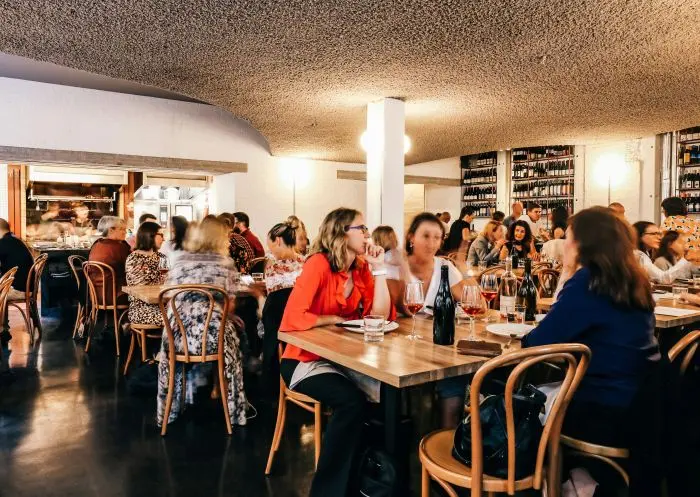

Securing a coveted table at a buzzy restaurant has increasingly resembled an exercise in digital warfare. Diners navigate an exhausting gauntlet of fragmented reservation platforms—Resy, OpenTable, Tock, and DoorDash—competing against algorithmic bots and surging dynamic pricing models just to grab a Friday night slot. For many, the frictionless promise of modern hospitality tech has paradoxically rendered the dining experience more clinical, transactional, and frustrating than ever.
Yet, as the dining public pushes back against this digitized friction by attempting to revive old-school hospitality tactics—such as forging direct relationships with general managers and collecting business cards for a backdoor in—the hospitality industry is fighting fire with fire. Restaurants are deploying sophisticated, AI-powered customer relationship management (CRM) platforms to automate the art of making diners feel seen, valued, and uniquely remembered.
What was once a purely analog handshake—the general manager sliding a private card across the white tablecloth or remembering a guest’s penchant for finishing their water with astonishing speed—has undergone a massive digital translation. Today, restaurants from New York to Los Angeles are leveraging automated, hyper-personalized post-meal emails, direct text lines, and smart reservation prompts. Spearheaded by next-generation software like Loyalist and SevenRooms, this technological shift is not merely about filling seats; it is a calculated, survival-driven pivot toward diner retention in an era where customer acquisition costs have never been higher.
Detailed Chronology: From the Analog Handshake to the Algorithmic Olive Branch
To understand how the modern restaurant industry arrived at automated intimacy, one must first trace the breakdown of traditional dining culture.
Phase 1: The Frustration of the Modern Reservation Economy
For decades, securing a table was a straightforward social exchange between a diner and a host. Today, that relationship has been disintermediated by software. Recent discourse highlighting the tedious, gamified nature of modern reservations has struck a nerve with diners globally. Readers regularly report abandoning standard booking platforms altogether, opting instead to seek out front-of-house staff—general managers, maitre d’s, and lead servers—in hopes of establishing a personal rapport.
The goal? To secure a direct line, a private email address, or a business card that bypasses the rigid architecture of apps like Resy and OpenTable. Diners long for the human touch: the possibility of being recognized not as a faceless user ID on the backend of a server-side database, but as an individual with specific preferences, loyalties, and quirks.
Phase 2: The Digital Translation of Goodwill
Recognizing this deep-seated desire for personal recognition, forward-thinking restaurants have begun automating these very gestures. Rather than relying solely on organic encounters, establishments are integrating automated outreach that mimics the warmth of a bespoke note from a floor manager.
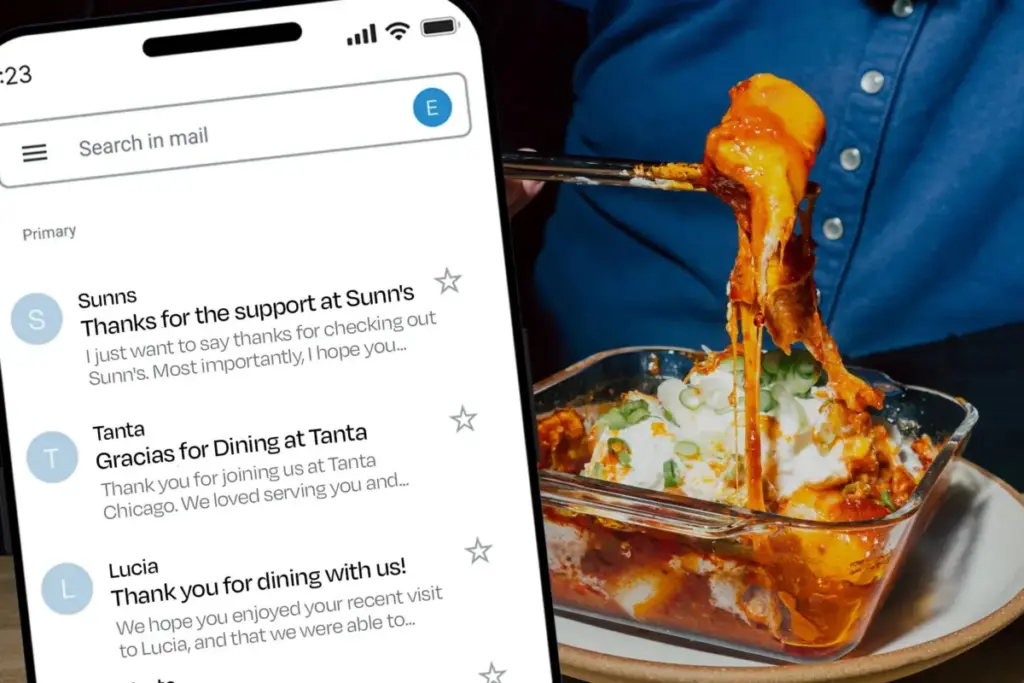
Consider Sunn’s, a prominent banchan destination in New York City. Weeks after a meal, a diner might find an email in their inbox reading: "Hey [Name], I just want to say thanks for checking out Sunn’s. Most importantly, I hope you had a nice time, if not, definitely let me know!"
Crucially, the message does more than ask for rote feedback. It offers tangible, curated value—such as a discount code for wine delivery via a partner establishment like Parcelle—before dangling the ultimate carrot of modern dining exclusivity: a direct text line. Diners are told that if they ever struggle to secure a table through standard platforms like Resy or OpenTable, they can simply send a text message to bypass the queue. Though an errant space in the automated copy might occasionally betray its mass-blast origins, the gesture feels infinitely more considered than the clinical, automated "How was your meal?" surveys dispatched immediately by major booking software.
Phase 3: The Omnipresent CRM Infrastructure
This phenomenon is far from localized. Across the culinary capitals of the United States, diners are reporting similar post-meal touchpoints:
- Los Angeles: Elite Michelin-starred institutions like N/naka—renowned for meticulously tracking diner data—have surprised patrons with personalized re-engagement emails years after their last visit, a phenomenon mirrored at high-demand spots like Pijja Palace. Lucia has similarly adopted automated direct-booking links via SevenRooms to encourage repeat visits.
- Chicago: Patrons dining at Tanta, the city’s vibrant Peruvian destination, have received personalized follow-up emails thanking them for their patronage and offering special booking links incentivized with a complimentary dessert (such as a chocolate mousse) on a return visit.
While these automated sequences are meticulously dressed up to feel like a manager reminiscing about a specific table, they are powered by heavy-duty software designed to convert first-time guests into permanent regulars.
Supporting Context & Metrics: The Economics of Diner Retention
Why are restaurants investing so heavily in software that simulates human memory? The answer lies in the shifting and increasingly hostile economics of the modern restaurant business.
The Rising Cost of Diner Acquisition
According to Maggie Tang, founder of the restaurant-tech platform Loyalist and an alumnus of legendary establishments like Eleven Madison Park, the cost of acquiring a new diner has reached unprecedented heights.
"Someone’s trying to grab a diner’s attention at all times," Tang explains, pointing to the endless scroll of social media, aggressive food-media marketing, and the proliferation of new eateries flooding metropolitan markets.
In an environment where consumer attention spans are fragmented and dining out represents a discretionary luxury weighed down by inflation, relying on the fickle tides of first-time foot traffic is no longer a viable business model. Restaurants are caught in a perpetual race to fill seats, forcing a strategic pivot away from high-churn customer acquisition and toward aggressive, technology-driven retention.
The ROI of Algorithmic Warmth
Data from retention-focused platforms underscores the commercial efficacy of these personalized follow-ups. On average, restaurants utilizing automated, data-driven re-engagement campaigns see roughly 15 percent of recipients book a reservation within 30 days of receiving a personalized outreach email.
For many dining rooms—particularly those that cannot rely solely on viral social media trends or tourist foot traffic—repeat local clientele form the bedrock of financial stability. As restaurants shift their operational philosophies from high-stress "special occasion" destinations to reliable neighborhood mainstays, email inboxes have emerged as valuable real estate. Unlike social media feeds, which are governed by opaque, ad-driven algorithms, the inbox offers a direct, uncluttered line of sight to the consumer. For brands seeking even lower-friction engagement, moving into messaging platforms like Apple iMessage or SMS represents the cutting edge of modern hospitality marketing.
Official Statements & Industry Perspectives
The tension between analog hospitality traditions and digital automation has sparked a vibrant debate among industry leaders.
The Death of the Business Card
While many general managers still reflexively hand out paper business cards to tables that have enjoyed an exceptional evening, some operators are openly rejecting the practice.
"I personally hate business cards," says Cedric Nicaise of the acclaimed New York City restaurant, The Noortwyck.
Nicaise points out the practical realities of paper cards: they frequently end up discarded at the bottom of a handbag, left behind on the table, or ignored entirely. Furthermore, physical cards are typically deployed reactively—often as a damage-control olive branch after a subpar experience rather than a proactive tool to celebrate a great one.
Enter Loyalist: AI-Powered Relationship Management
To bypass the limitations of analog networking, Nicaise and his team at The Noortwyck implemented Loyalist, an AI-powered platform designed to aggregate data from every touchpoint a restaurant utilizes. By integrating reservation platforms, review sites, point-of-sale (POS) systems, and event software, Loyalist creates a centralized dashboard that tracks guest behavior and automates intelligent follow-ups.
Instead of casting a wide net with generic mass emails, Nicaise uses the platform to execute hyper-targeted hospitality strategies:
- Behavioral Triggers: If a guest dines at the restaurant and leaves a glowing review on Google, or if an account registers a third visit within an uncommonly short timeframe, the system fires an automated alert to the management team.
- Personalized Notes: The software might prompt staff members that a specific table purchased a rare bottle of wine, allowing them to send a tailored follow-up note referencing that exact shared interest.
- Staff-Guest Matching: Floor managers can log which guests they interacted with on a given shift, prompting the system to dispatch personalized emails signed by the specific staff member who tended to them.
"We want to make sure that people who are most inclined to come back can come back," Nicaise notes. "It’s using technology to further personal connections."
Future Outlook: The Future of Dining Out
As the culinary landscape continues to evolve, the intersection of artificial intelligence and hospitality will only deepen. The traditional, friction-laden booking systems that have alienated diners over the past decade are rapidly forcing a dual evolution:
- The Rise of "Super-Regulars": Diners who master the unwritten rules—such as booking their next table directly with the host upon settling their bill—will continue to secure elite access. However, for the average diner who lacks the time or social confidence to work the room, automated relationship platforms will bridge the gap.
- The Normalization of Synthetic Intimacy: As AI-driven CRMs become the industry standard, consumers will increasingly accept—and perhaps even expect—that their dining habits, wine preferences, and special milestones are being tracked and synthesized into personalized digital communications.
Ultimately, the goal of restaurant technology should never be to replace the human element of hospitality, but to scale it. Whether through a hastily scribbled phone number on a crumpled business card or an impeccably timed, AI-prompted email from a general manager who "just happened to be thinking of you," the eternal mandate of the restaurant industry remains unchanged: making the diner feel seen.