









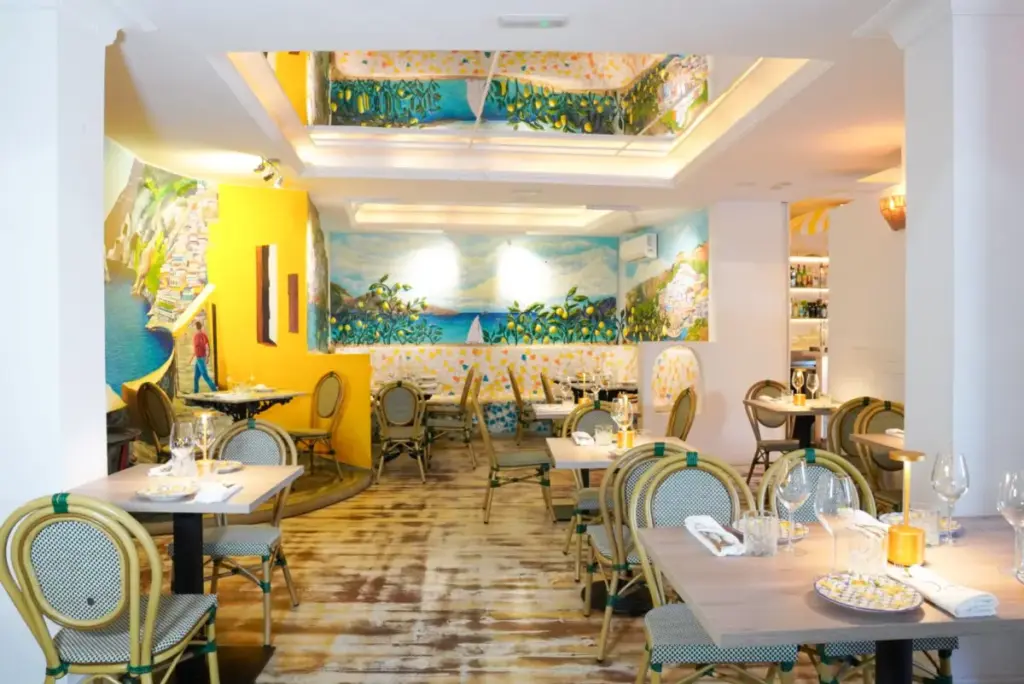
As the month of August arrives and the capital of Spain transitions from its standard urban rhythm into a slower, more deliberate vacation mode, Dolce Positano emerges as a definitive culinary sanctuary. Located at Paseo del Pintor Rosales, 52, this distinctive restaurant has optimized its seasonal offerings to capture the very essence of coastal Italy without requiring diners to leave the asphalt of Madrid. By centering its identity around a vibrant, highly coveted terrace, a freshly re-engineered Mediterranean menu, and an elevated cocktail program designed to stretch out the traditional aperitif and late-night dinners, Dolce Positano continues to solidify its reputation as the city’s premier urban portal to the Amalfi Coast.
In an era where urban dining often feels rushed or standardized, Dolce Positano functions as a sophisticated counter-narrative. It delivers an immersive, multi-sensory environment characterized by meticulous interior design, sun-drenched aesthetics, non-intrusive background music, and an attentive service staff. This comprehensive feature examines how the establishment has successfully adapted to the high-temperature summer months of Madrid, dissecting its menu architecture, architectural layout, cocktail philosophy, and the broader cultural trend of urban escapes in contemporary European capitals.
Detailed Chronology & Seasonal Evolution
The evolution of Dolce Positano into Madrid’s go-to summer destination did not happen overnight; it is the result of a calculated seasonal strategy designed to counter the notorious August exodus experienced by the capital.

The Spring Transition and Summer Adaptation
As temperatures in central Spain begin their inevitable climb in late spring, restaurants in Madrid typically face a twofold challenge: indoor dining rooms can feel stifling, and diners actively seek outdoor ventilation, greenery, and lighter flavor profiles. Dolce Positano addressed this structural challenge by elevating its terrace into the primary protagonist of its architectural layout.
Rather than treating outdoor seating as an afterthought or an overflow space, the management positioned the terrace as the core engine of the guest experience. Tables were spaced to encourage unhurried dining, and the layout was optimized to capture evening breezes coming off the nearby Parque del Oeste. By aligning its operational calendar with the psychological shift of its clientele—who increasingly view August as a time to reclaim the city at a slower pace—the restaurant successfully transitioned from a cozy, year-round Italian trattoria into an open-air Mediterranean oasis.
The Evolution of the Aperitif Ritual
A critical milestone in the venue’s chronological development has been the institutionalization of the Italian aperitivo within the Madrid social scene. While Spain possesses a deeply rooted vermouth culture, Dolce Positano successfully introduced the ritualized cadence of the Italian aperitivo—a bridge between the workday and evening relaxation characterized by low-ABV botanical drinks, artisanal snacks, and extended social interaction.

By refining its beverage list to feature regional Italian spritzes, specialized vermuts, and refreshing highballs, the venue carved out a distinct temporal niche between 1:00 PM and 3:00 PM, and again from 7:00 PM onward. This chronological flexibility transformed the restaurant from a traditional lunch-and-dinner destination into an all-day social hub where time is deliberately stretched.
Supporting Context & Metrics: The Gastronomic Architecture
At the heart of Dolce Positano’s summer appeal is its newly engineered menu. Moving away from heavy, winter-centric pastas and dense sauces, the culinary team has instituted a lighter, contemporary approach to Mediterranean dining that prioritizes shared plates, premium ingredients, and striking visual presentations.
Starters and Cold Plates: Precision and Contrast
The transition into warmer weather demands dishes that balance refreshment with profound flavor depth. Dolce Positano achieves this through several standout additions to its appetizer lineup:

- Carpaccio de Vaca Madurada: Featuring aged beef carpaccio elevated with zesty lemon oil, the dish is served alongside warm, freshly baked taralli napoletani. The thermal contrast between the chilled, delicate beef and the warm, crumbly texture of the southern Italian snack creates an immediate sensory awakening.
- Burrata Cremosa with Roasted Pepper Pesto: A masterclass in textural complexity, this dish pairs ultra-creamy burrata with a vibrant pesto made from roasted peppers, briny capers, and taggiasche olives. It is finished with a delicate crumble of aged Parmigiano Reggiano and baby spinach, offering a balance of sweet, salty, and acidic notes.
- Padellino de Focaccia con Stracciatella: A decadent yet surprisingly nimble creation, this dish utilizes a pan-baked focaccia pocket stuffed with truffle-infused stracciatella from Puglia, savory Roman porchetta, and freshly shaved black truffle. It represents an explosion of umami flavors wrapped in a crisp, golden crust.
+---------------------------------------------------------------------------------+
|                        DOLCE POSITANO SUMMER MENU MATRIX                        |
+---------------------------+--------------------------+--------------------------+
| Category                  | Key Dish                 | Primary Flavor Profile   |
+---------------------------+--------------------------+--------------------------+
| Cold Starters             | Carpaccio de Vaca        | Acidic, Umami, Warm/Cold |
| Creamy Appetizers         | Burrata & Taggiasche     | Rich, Salty, Herbaceous  |
| Bakery Innovations        | Padellino di Focaccia    | Truffle, Savory, Crisp   |
| Modern Salads             | Lemon-Pistachio Chicken  | Citrus, Nutty, Creamy    |
| Innovative Sandwiches     | Paninu cu Tunnu          | Sweet, Savory, Citrus    |
+---------------------------+--------------------------+--------------------------+
Shared Mains and Modern Interpretations
The philosophy of the kitchen rests on the principle of sharing. Rather than adhering to rigid, individual course structures, the menu encourages guests to order multiple dishes for the table, mirroring the family-style dining culture of coastal Italy.
- Lemon-Marinated Chicken Salad: Discarding the heavy, overly predictable templates of traditional Caesar salads, this creation features chicken marinated in fresh lemon, coated in a crushed pistachio crust, and served over a rich sauce of buffalo mozzarella, tomato pesto, and Parmigiano Reggiano. The nutty crunch of the pistachios combined with the citrus-infused poultry redefines what a summer salad can be in a high-end urban setting.
- Paninu cu Tunnu: A nod to Sicilian street food traditions, this gourmet brioche roll is generously stuffed with premium tuna belly (ventresca), sautéed red onions, aromatic parsley, sweet raisins, toasted pine nuts, a zesty orange mayonnaise, and a subtle whisper of fresh mint. It is a harmonious interplay of sweet and savory notes designed not to weigh down the diner during high-temperature afternoons.
- Award-Winning Pizzas: No discussion of Dolce Positano would be complete without acknowledging its pizza program. Featuring dough fermented over extended periods for optimal digestibility, the pizzeria boasts varieties that have earned official recognition and awards within the Community of Madrid, successfully bridging traditional Neapolitan craft with modern Spanish culinary standards.
Mixology, Ambiance, and the Art of the Sobremesa
Gastronomy at Dolce Positano is inextricably linked to its beverage program and atmospheric design. The concept of the sobremesa—the cherished Spanish and Italian tradition of lingering at the table long after the last plate has been cleared—is actively supported by the venue’s environmental controls and beverage curation.
The Liquid Proposal: Spritzes, Vermuts, and Botanicals
As daylight lingers late into the Madrid summer evenings, the bar program shifts gears to accommodate slower, more contemplative drinking habits. The cocktail menu moves far beyond standard commercial offerings:

- The Spritz Evolution: While the classic Aperol Spritz maintains a loyal following, the venue offers regional variations incorporating artisanal Italian liqueurs, botanical gins, and sparkling wines with lower sugar content.
- Vermut Selections: Highlighting both Spanish and Italian vermouth traditions, these fortified wines are served over crystal-clear ice with hand-peeled citrus twists and botanical garnishes.
- Ginger and Herb Highballs: Designed to cool down the palate, non-traditional concoctions featuring fresh ginger juice, crushed herbs, and premium distillates provide a sharp, refreshing antidote to the Madrid heat.
Environmental Engineering: Sound, Light, and Service
An exceptional meal can be easily undone by poor acoustics or harsh lighting. Dolce Positano’s management has invested heavily in creating an understated, holistic environment.
- Acoustic Design: Background soundscapes are carefully curated—featuring downtempo acoustic tracks and subtle Mediterranean rhythms—to encourage conversation without forcing guests to raise their voices.
- Lighting Architecture: As the sun sets over Pintor Rosales, the terrace transitions via warm, amber-toned illumination, candle-lit tables, and soft uplighting on the surrounding foliage.
- Hospitality Standards: Service is intentionally paced. Staff members are trained to read the energy of the table, ensuring that plates arrive at optimal intervals and that guests never feel rushed to vacate their seats, regardless of how busy the reservation book may be.
Future Outlook: The Urban Oasis Trend in Metropolitan Gastronomy
The sustained success of Dolce Positano during the challenging summer season points to a broader, permanent shift in European metropolitan dining. As heatwaves become more frequent and prolonged in interior cities like Madrid, urban residents are increasingly unwilling to compromise on the quality of their leisure experiences simply because they remain in the city during peak holiday months.
Strategic Implications for Madrid’s Hospitality Sector
- The Premiumization of Terraces: Outdoor spaces are no longer viewed merely as square footage for additional seating; they are strategic assets requiring dedicated interior design, specialized micro-climate management (such as misting systems and natural shading), and tailored menus.
- Agile Menu Engineering: Restaurants that thrive in urban centers during August must pivot away from heavy, caloric comfort foods toward agile, shareable, and acid-driven flavor profiles that appeal to heat-fatigued consumers.
- Experiential Escapism: Diners are increasingly seeking emotional transport. By packaging authentic regional Italian culture—from the Amalfi aesthetics to the unhurried aperitivo tradition—venues like Dolce Positano offer a psychological vacation that compensates for delayed physical travel.
Conclusion
Dolce Positano has proven that an urban restaurant does not need to close its doors or compromise its standards when the summer heat peaks and the city empties out. By doubling down on the strengths of its magnificent terrace, refining its menu toward fresh, shareable Mediterranean creations, and perfecting the art of the extended sobremesa, the establishment has created a blueprint for modern urban hospitality. For residents and travelers remaining in Madrid, Paseo del Pintor Rosales, 52 stands not merely as an address for dinner, but as a reliable, sun-kissed portal to the Mediterranean soul.