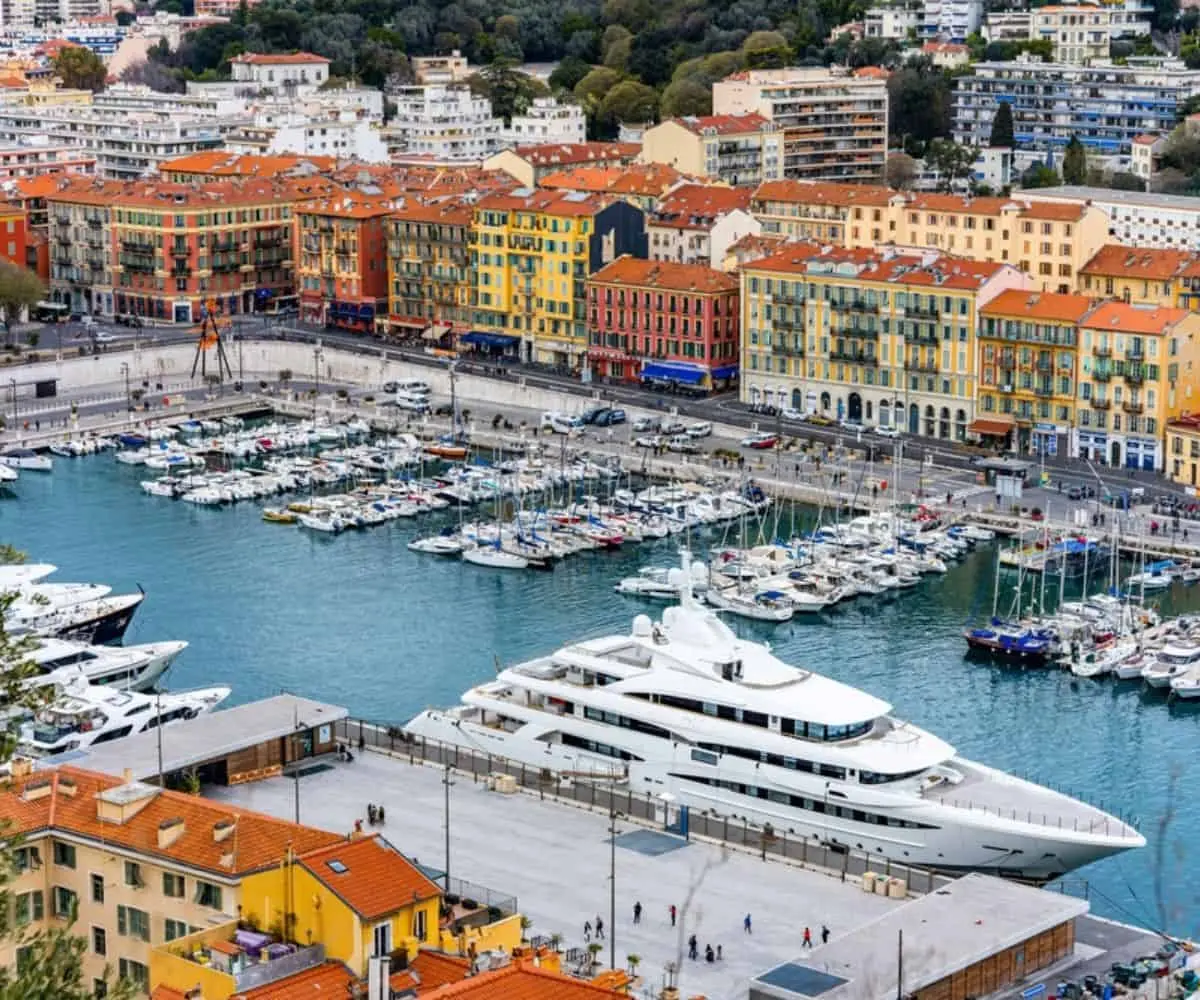








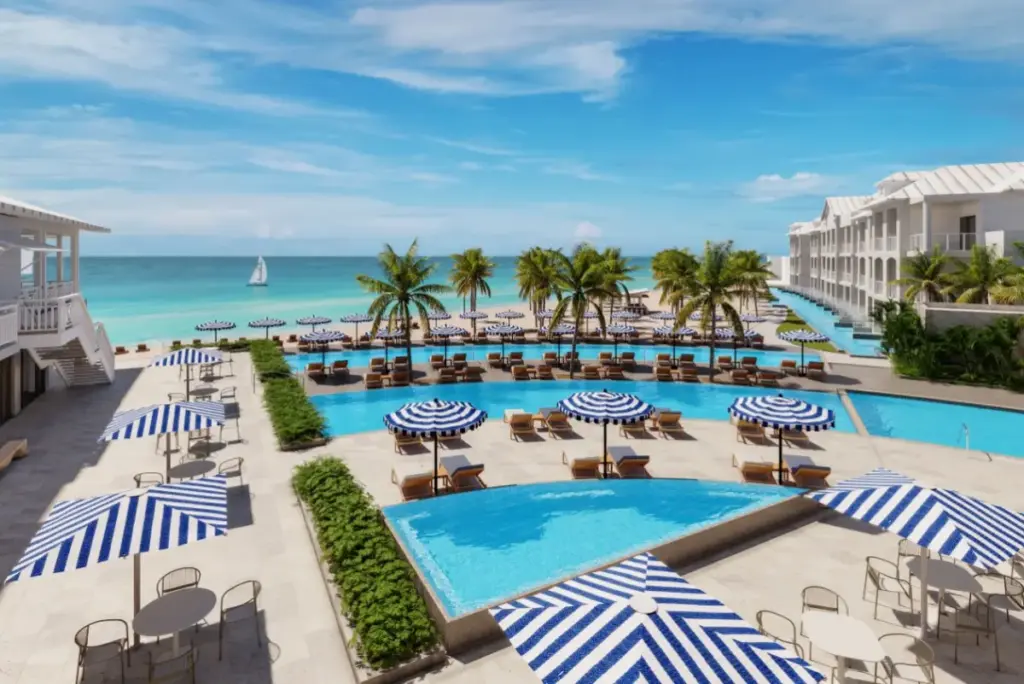
In a move that fundamentally redraws the boundaries of the global leisure travel industry, Royal Caribbean Group has announced a definitive agreement to acquire a 50% stake in Sandals Resorts International. The blockbuster transaction, valued at approximately $3 billion in cash, represents the cruise giant’s most ambitious and significant expansion onto dry land to date.
The joint announcement, delivered by both companies, confirmed market speculations that had begun circulating a day earlier. By purchasing half of the family-owned Caribbean all-inclusive powerhouse, Royal Caribbean Group effectively values the entire Sandals and Beaches resort empire at an estimated $6 billion. According to a regulatory filing with the U.S. Securities and Exchange Commission (SEC), the transaction is slated to officially close in early 2027, subject to customary regulatory approvals and closing conditions.
This historic partnership unites one of the world’s largest cruise conglomerates with the undisputed pioneer of the luxury Caribbean all-inclusive vacation. The deal encompasses the entirety of the Sandals portfolio—famed for its premium, adults-only couples’ resorts—as well as the family-focused Beaches Resorts brand.
The Financials of the Landmark Partnership
The $3 billion cash transaction marks a watershed moment for both hospitality giants. For Royal Caribbean Group, the investment represents a massive deployment of capital aimed at securing a permanent, highly profitable foothold in the land-based resort sector. For Sandals Resorts International, which has fiercely guarded its independent, family-owned status for over four decades, the partnership injects unprecedented liquidity and corporate backing to accelerate its next phase of global growth.
According to the SEC filing, the 50/50 joint venture will allow both companies to share equal ownership and governance of the resort brands. This structure ensures that while Royal Caribbean Group brings its immense public-market scale, distribution systems, and corporate governance to the table, the operational DNA and brand identity of Sandals and Beaches will remain firmly intact.
Industry analysts note that a $6 billion valuation for the Sandals and Beaches portfolio reflects the incredibly high premium currently placed on luxury all-inclusive assets. The market has seen a dramatic post-pandemic surge in demand for hassle-free, high-end experiential travel, making Sandals one of the most coveted prizes in the global lodging sector.
Bridging Sea and Land: Royal Caribbean’s Strategic Pivot
For years, the cruise industry and the land-based resort sector operated in distinct silos, occasionally competing for the same share of the consumer’s vacation wallet. However, Royal Caribbean Group has spent the last decade gradually blurring these lines.
The company’s highly successful "Perfect Day Island Collection"—headlined by its private island destination, Perfect Day at CocoCay in the Bahamas—proved that cruise lines could generate astronomical yields by controlling the land-based experiences of their passengers. The acquisition of a 50% stake in Sandals and Beaches is the logical, albeit massive, next step in this "sea-to-land" evolution.
By establishing a permanent footprint on terra firma, Royal Caribbean Group achieves several strategic objectives:
- Diversification of Revenue Streams: The cruise industry is capital-intensive and highly sensitive to geopolitical, environmental, and regulatory shifts. Owning prime land-based real estate across multiple Caribbean nations provides a robust hedge against cruise-specific market disruptions.
- Capturing the Full Vacation Lifecycle: Royal Caribbean can now capture consumer spend at every stage of life. A customer might choose a Royal Caribbean International cruise for a family reunion, a Celebrity Cruises voyage for an upscale getaway, a Silversea cruise for ultra-luxury exploration, and now, a Sandals or Beaches resort for a milestone land-based vacation.
- Synergy in Destination Development: Operating both mega-cruise ports and luxury resorts in the same geographic region allows for unprecedented collaboration in terms of supply chain logistics, environmental sustainability initiatives, and local community engagement.
The Legacy of Sandals and Beaches Resorts
To understand the magnitude of this acquisition, one must look at the history of Sandals Resorts International. Founded in 1981 by the late Jamaican businessman Gordon "Butch" Stewart, the company began with a single, run-down hotel in Montego Bay, Jamaica. Over the next forty years, Stewart transformed the property—and the entire concept of the all-inclusive vacation—into an empire.
Before Sandals, all-inclusive resorts were often associated with budget-friendly, mass-market travel, characterized by buffet lines and basic accommodations. Sandals revolutionized the segment by introducing "luxury included" amenities, such as:
- Gourmet specialty dining across multiple on-property restaurants.
- Premium spirits and Robert Mondavi Twin Oaks wines included in the room rate.
- Pioneering accommodation concepts, including over-the-water bungalows, private plunge pool suites, and dedicated butler service trained by the Guild of Professional English Butlers.
- Comprehensive land and water sports programs, including unlimited scuba diving.
The brand eventually expanded from its Jamaican roots to establish adults-only resorts in Antigua, Saint Lucia, the Bahamas, Grenada, Barbados, Curaçao, and Saint Vincent and the Grenadines. Concurrently, the company launched Beaches Resorts to cater to families, offering waterparks, Xbox play lounges, and partnerships with Sesame Street.
Following the passing of Butch Stewart in 2021, his son, Adam Stewart, assumed the role of Executive Chairman, steering the company through a period of modernization and expansion. The partnership with Royal Caribbean Group represents a monumental new chapter in the Stewart family legacy, securing the brand’s long-term future while retaining a 50% ownership stake.
Unlocking Unprecedented Consumer Synergies
While the financial metrics of the deal are staggering, the potential operational and marketing synergies are what truly excite travel industry insiders. The cross-promotional opportunities between Royal Caribbean Group and Sandals Resorts are virtually limitless.
The Rise of "Cruise-and-Stay" Vacations
One of the most immediate opportunities lies in the creation of integrated "cruise-and-stay" vacation packages. Historically, coordinating a cruise with a land-based resort stay required travelers to book through multiple channels, manage separate transfers, and navigate disjointed booking engines.
With this partnership, Royal Caribbean can seamlessly package a seven-night Caribbean cruise with a three-to-four-night stay at a Sandals or Beaches resort. For instance, a traveler could sail out of Miami on a state-of-the-art Royal Caribbean vessel, disembark in Jamaica, and immediately transfer to a luxury suite at Sandals Montego Bay, enjoying a continuous, high-end vacation experience managed by a single corporate entity.
Loyalty Program Integration
Another massive lever for growth is loyalty program integration. Royal Caribbean Group’s Crown & Anchor Society and Celebrity Cruises’ Captain’s Club boast millions of active, highly loyal members. On the other side, the Sandals Select Guest program features some of the highest repeat-guest rates in the entire hospitality industry.
By aligning or cross-honoring loyalty benefits, Royal Caribbean can incentivize its cruise passengers to try Sandals resorts, and vice versa. A high-tier cruise loyalist could receive elite perks—such as room upgrades, private transfers, or spa credits—when booking a stay at a Beaches resort, creating an incredibly sticky ecosystem that keeps vacation dollars within the joint venture’s portfolio.
Contextualizing the All-Inclusive Boom
The Royal Caribbean-Sandals deal does not exist in a vacuum. It is the latest and most dramatic consolidation event in a broader, industry-wide rush toward the luxury all-inclusive sector.
For decades, major global hotel conglomerates largely ignored the all-inclusive model, viewing it as a niche product. However, the last five years have seen a complete reversal of this stance:
- Hyatt Hotels Corporation made a massive statement in 2021 with its $2.7 billion acquisition of Apple Leisure Group, instantly making Hyatt one of the largest operators of luxury all-inclusive resorts in the world.
- Marriott International launched its "All-Inclusive by Marriott Bonvoy" portfolio, aggressively signing new-build properties and converting existing luxury resorts to the all-inclusive format.
- Wyndham Hotels & Resorts partnered with Decameron All Inclusive Hotels and launched its own Alltra brand to capture the mid-to-upscale segment of the market.
The reason for this institutional rush is simple: consumer demand. Modern travelers, particularly in the premium and luxury segments, increasingly value price predictability and frictionless experiences. They want to enjoy five-star dining, premium activities, and top-tier service without having to constantly sign charges to their room or worry about a massive bill at checkout. By partnering with Sandals, Royal Caribbean Group has skipped the lengthy process of building an all-inclusive brand from scratch, instantly acquiring the market leader.
The Road to 2027: Regulatory Approvals and Integration
While the announcement has sent shockwaves through the travel world, the transition will not happen overnight. The early 2027 closing target reflects the complexity of the transaction.
Because Sandals operates across multiple sovereign nations in the Caribbean, the deal must clear regulatory, antitrust, and foreign investment hurdles in several jurisdictions, including Jamaica, Antigua and Barbuda, Saint Lucia, and others. Furthermore, integrating the back-end booking systems, reservation platforms, and corporate cultures of a publicly traded cruise giant and a historically private, family-run resort company will require meticulous planning.
Despite the long runway to the official close, the strategic alignment between the two brands is already clear. Both companies share a deep commitment to the Caribbean region, which serves as the primary engine of their respective businesses. As the joint venture moves forward, travelers and industry competitors alike will be watching closely to see how this unprecedented fusion of ocean-going and land-based luxury reshapes the global tourism landscape.