





The global luxury hospitality sector is undergoing a profound transformation, driven by shifting traveler preferences, a surge in the demand for flexible living spaces, and an unprecedented boom in premium real estate markets. Positioned at the intersection of these trends is the UK-based luxury hospitality operator Cheval Collection. With a storied history of managing high-end residential-style accommodations, the company has set its sights on an ambitious growth trajectory: doubling the size of its global portfolio over the coming years.
At the heart of this aggressive expansion strategy is the Middle East, a region that has rapidly evolved into a global magnet for luxury tourism, business travel, and high-net-worth real estate investment. According to Daniel Johansson, Cheval Collection’s Director of Development and Acquisitions, the Middle East is not merely a secondary market for the group, but rather the primary engine that will propel its next phase of global growth.
Currently boasting a portfolio of 16 high-caliber projects spread across the United Kingdom and the Middle East, Cheval Collection is leveraging its deep expertise in the serviced apartment sector to establish a diversified, multi-tiered presence in the Arabian Gulf. By blending its traditional serviced residence model with pioneering ventures into the branded residences market, the company is positioning itself to capture a broad spectrum of affluent travelers and property investors alike.
The Middle East as a High-Growth Hospitality Frontier
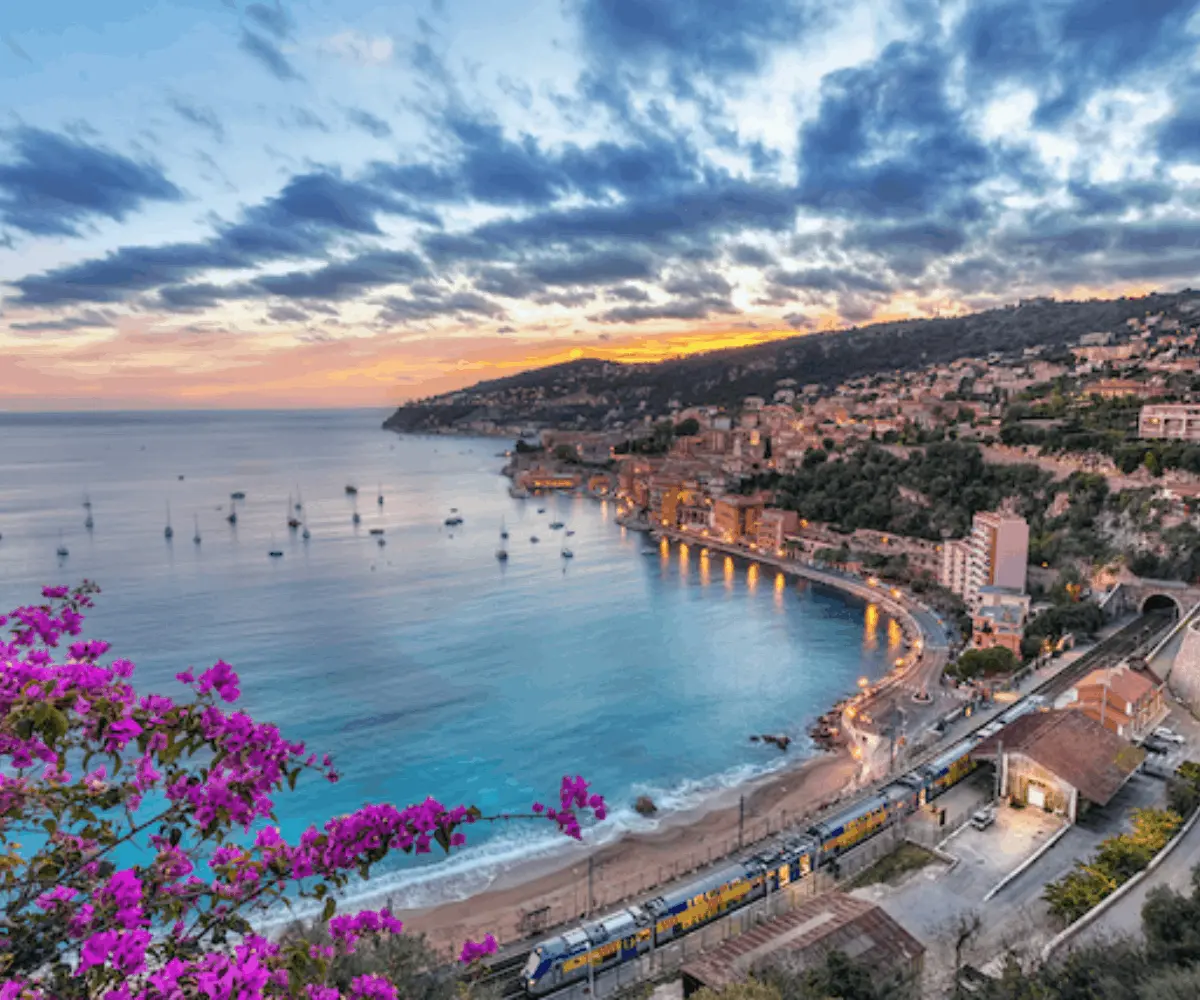
For decades, Cheval Collection built its reputation in the United Kingdom, establishing a benchmark for luxury long-stay accommodations in prime metropolitan locations. However, the dynamics of global wealth and travel have shifted eastward. The Gulf Cooperation Council (GCC) region, led by dynamic hubs like Dubai, has emerged as a fertile ground for luxury hospitality brands seeking rapid scale and high-yield opportunities.
From London Heritage to Arabian Gulf Ambitions
Cheval’s entry into the Middle Eastern market was a calculated response to the growing overlap between European and Gulf-based luxury travelers. Affluent travelers from the Middle East have long been key patrons of Cheval’s prestigious London properties. By establishing a physical footprint in the Gulf, Cheval has been able to cultivate brand loyalty that cuts across geographic borders, offering a seamless luxury experience whether a guest is staying in Kensington or on the coast of Dubai.
This cross-regional synergy has allowed the brand to scale quickly. The decision to target a 100% portfolio increase relies heavily on the appetite of Middle Eastern developers and investors for established, trusted European hospitality brands. In a market where luxury is the standard, Cheval’s heritage gives it a distinct competitive advantage, allowing it to secure prime real estate partnerships in highly coveted developments.
The Serviced Apartment Anchor: Establishing the Dubai Footprint
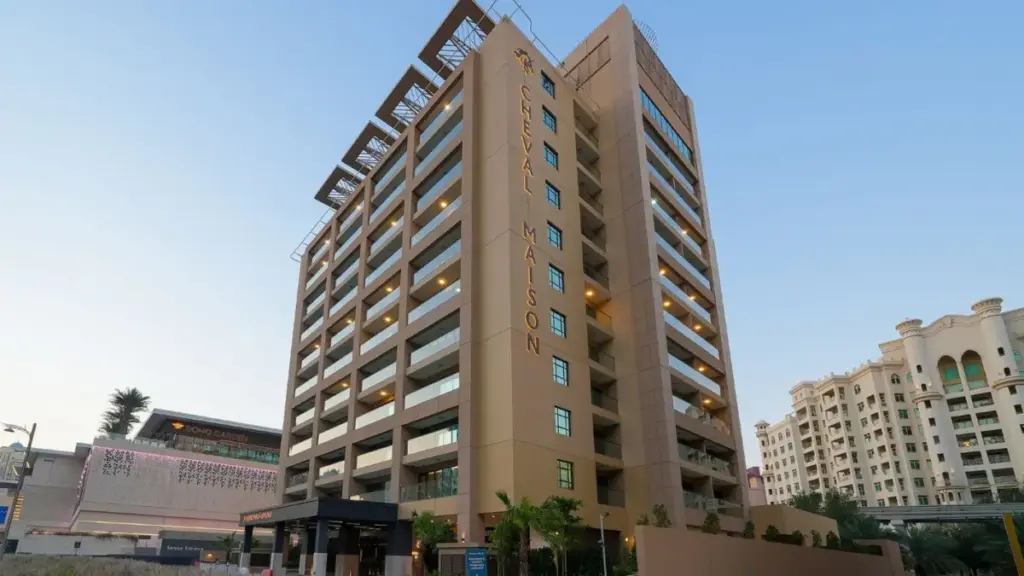
Cheval’s expansion in the Middle East began in earnest with the launch of its "Maison" brand, a concept designed to offer the comforts of a private home paired with the seamless service of a five-star hotel. The brand’s regional debut, Cheval Maison – The Palm Dubai, marked a significant milestone, positioning the operator in one of the world’s most iconic resort and residential destinations.
Following the success of its Palm Dubai property, the group expanded its footprint with Cheval Maison – Expo City Dubai. Located within the legacy district of the historic Expo 2020 site—now a thriving hub for business, innovation, and sustainable urban living—this property caters to a diverse mix of corporate executives, digital nomads, and leisure travelers who require proximity to Dubai’s southern commercial corridors.
Both properties are built around the serviced apartment model. Unlike traditional hotel rooms, these units are fully furnished, self-contained spaces featuring comprehensive kitchen facilities and dedicated living areas. They are designed to cater to medium- to long-stay guests who demand autonomy and space without sacrificing the luxury of daily housekeeping, dedicated concierge teams, and 24-hour front desk services. This hybrid model has proven highly resilient, offering stable occupancy rates even during traditional seasonal lulls in leisure tourism.
Diversifying the Business Model: The Pivot to Branded Residences
While serviced apartments remain the bedrock of Cheval’s operational expertise, the company recognized that sustaining its ambitious growth targets required diversification. In April, Cheval made a decisive move into the highly lucrative branded residences sector with the announcement of Cheval Residences Dubai Islands.
Cheval Collection Portfolio Strategy
│
├── Serviced Apartments (Cheval Maison)
│   ├── Operator-managed, single-owner assets
│   ├── Target: Medium- to long-stay business & leisure guests
│   └── Key Assets: The Palm Dubai, Expo City Dubai
│
└── Branded Residences (Cheval Residences)
    ├── Individually sold units to private buyers
    ├── Target: High-net-worth investors & lifestyle buyers
    └── Key Asset: Dubai Islands (Anticipated Completion: 2029)
Deciphering the Branded Residences Phenomenon
The branded residences model represents a significant structural departure from Cheval’s traditional serviced apartment framework. In a standard serviced apartment property, the entire asset is typically owned by a single institutional investor or developer, with Cheval acting as the professional management operator.
In contrast, the branded residences model at Cheval Residences Dubai Islands is structured as a fractionalized real estate offering:
- Individual Ownership: Private buyers purchase individual residential units within the branded development, acquiring a premium piece of real estate backed by a luxury hospitality brand.
- The Rental Program Option: Owners have the opportunity to opt into a structured rental program managed directly by Cheval. When the owner is not in residence, their unit is integrated into the property’s rental inventory, marketed, and serviced as a luxury guest accommodation.
- Shared Revenue: The revenue generated from these bookings is split between the individual property owner and the operator, offering buyers a hands-off, income-generating asset.
For developers, this model is highly attractive because it accelerates capital recycling. Individual unit sales generate early liquidity during the construction phase, mitigating the financial risks associated with large-scale hospitality developments. For Cheval, it allows the brand to expand its footprint and increase its key count without requiring massive capital outlays for property acquisition.
Dubai Islands: A Vision for 2029
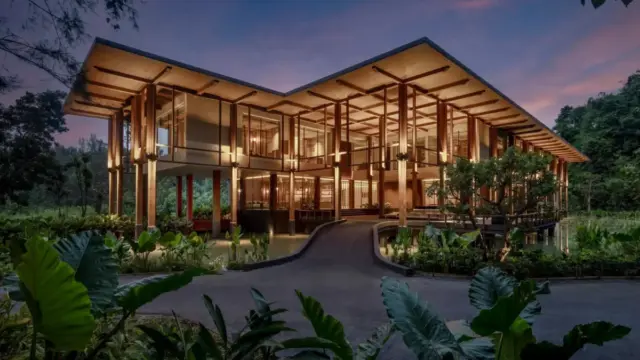
Scheduled for completion in 2029, Cheval Residences Dubai Islands is set to become a flagship property for the brand’s residential division. The choice of location is highly strategic. Dubai Islands—a massive master-planned waterfront development off the coast of Deira—is envisioned as a premier destination for luxury living, leisure, and tourism, aligning with Dubai’s broader urban master plans.
By securing a presence on Dubai Islands, Cheval is positioning itself in a high-growth zone that is expected to attract a new wave of international property buyers and affluent tourists. The 2029 timeline reflects the scale and meticulous planning required for waterfront mega-projects, allowing Cheval and its development partners to design a bespoke residential community that integrates state-of-the-art wellness facilities, private beach access, and high-end dining concepts directly into the residential experience.
Market Dynamics Driving Cheval’s Strategic Pivot
Cheval’s decision to aggressively scale its portfolio is not happening in a vacuum. It is a direct response to macroeconomic shifts and evolving consumer behaviors that have reshaped the global real estate and hospitality landscapes over the past five years.
| Aspect | Serviced Apartments (e.g., Cheval Maison) | Branded Residences (e.g., Cheval Residences) |
|---|---|---|
| Primary Target Market | Medium- to long-stay business & leisure travelers | High-net-worth investors & lifestyle buyers |
| Ownership Structure | Single owner/developer, managed by operator | Multi-owner (individual units sold to private buyers) |
| Revenue Model | Traditional rental/occupancy hospitality revenue | Unit sales capital appreciation + rental pool split |
| Key Property Features | Fully furnished, self-contained kitchens, living areas | High-end custom finishes, exclusive resident amenities |
| Service Integration | Housekeeping, front desk, concierge services | 24/7 concierge, private valet, optional rental management |
The Rise of the Co-Primary Home and the Flex-Traveler
The boundaries between work, travel, and residential living have permanently blurred. The rise of remote work capabilities for corporate executives, entrepreneurs, and creative professionals has fueled the demand for "co-primary" homes—properties where owners can live and work comfortably for several months of the year.
This demographic does not want to stay in cramped, traditional hotel rooms, nor do they want the administrative burden of managing an unbranded private rental. They seek the space, privacy, and functional utility of a fully equipped apartment, backed by the security, maintenance, and service standards of an established luxury hotel brand. Cheval’s dual-pronged approach—offering premium serviced apartments for temporary stays and branded residences for permanent or semi-permanent ownership—directly addresses this lucrative market segment.
The Investor Search for Yield and Brand Equity
In an era of economic volatility, high-net-worth individuals (HNWIs) are increasingly looking to real estate as a safe-haven asset class. However, standard buy-to-let properties often come with significant management headaches, from tenant acquisition to property maintenance.
Branded residences solve this pain point by offering hassle-free property management. Investors are willing to pay a premium for branded properties because they know the brand equity of an operator like Cheval will attract higher occupancy rates and premium rental yields. Furthermore, properties associated with luxury brands historically appreciate at a faster rate than non-branded real estate in the same geographic sub-markets, making developments like Cheval Residences Dubai Islands highly attractive long-term investments.
Looking Ahead: Managing Quality Control Amid Rapid Growth
As Daniel Johansson and his development team work to double Cheval’s global portfolio, the primary challenge will be maintaining the high service standards and operational excellence that have defined the brand’s UK heritage. Rapid scaling in the luxury sector carries inherent risks; if a brand expands too quickly without robust quality controls, it risks diluting its brand equity.
To mitigate this, Cheval is adopting a highly selective approach to partnerships and locations. Rather than pursuing mass expansion, the group is focusing on iconic, high-barrier-to-entry locations where they can deliver truly bespoke experiences. The transition from 16 projects to a doubled portfolio will require a careful balance of organic growth in established European markets and bold, developer-led partnerships in high-growth regions like the Middle East.
By successfully bridging the gap between luxury residential living and world-class hospitality services, Cheval Collection is not just expanding its geographic footprint—it is actively redefining what it means to live, work, and travel in the modern luxury era. With key milestones mapped out through 2029, the industry will be watching closely as this historic UK brand cements its position as a global powerhouse in the serviced accommodation and branded residential sectors.