








Executive Overview
For travelers dreaming of turquoise waters, limestone cliffs, and vibrant street markets, a new wave of airline pricing has made a tropical escape to Thailand more accessible than ever. Industry analysts have flagged an attractive airfare sale routing passengers from Los Angeles (LAX) to Phuket (HKT)—Thailand’s largest and most famous island destination. While promotional airfares fluctuate rapidly in the current post-pandemic aviation landscape, recent routing data highlights competitive pricing strategies deployed by major international carriers, notably Star Alliance member Asiana Airlines.
This comprehensive report examines the mechanics of securing these discounted transpacific fares, breaks down mileage-earning potential for frequent flyers, evaluates travel strategies for maximizing credit card rewards abroad, and offers a holistic guide to planning a seamless journey to one of Southeast Asia’s premier coastal retreats. Whether you are a seasoned globetrotter seeking to optimize your United MileagePlus status or a first-time visitor looking to navigate international flight sales, understanding the current market dynamics is essential to locking in the best possible value for your upcoming vacation.
Detailed Chronology
The landscape of transpacific air travel has experienced profound structural shifts over the past few years. To understand how contemporary flash sales to destinations like Phuket materialize, it is helpful to trace the evolution of booking windows, carrier capacity adjustments, and fare distribution models.
Phase 1: Capacity Recovery and Route Reopening (2022–2024)
Following the global travel disruptions of the early 2020s, international long-haul routes rebounded unevenly. While trunk routes between North America and major East Asian transit hubs (such as Seoul Incheon, Tokyo, and Taipei) recovered quickly, secondary and tertiary Southeast Asian destinations like Phuket relied heavily on regional connecting carriers. As major Asian legacy airlines restored their pre-pandemic widebody fleets, carriers began aggressively competing for U.S. originating traffic by introducing aggressive promotional pricing out of major gateways like Los Angeles (LAX).
Phase 2: Algorithmic Pricing and Flash Sales (2025)
Airlines increasingly utilize dynamic pricing engines that adjust fare classes in real-time based on seat inventory, booking velocity, and seasonal demand curves. During shoulder seasons—typically spanning late spring through autumn—carriers often experience dips in business and leisure bookings. To combat softening load factors, revenue management teams deploy targeted fare sales. The recent sightings of discounted inventory on Asiana Airlines routings from LAX to HKT illustrate this ongoing trend: airlines dropping baseline economy fares to stimulate demand without officially broadcasting major network-wide sales.

Phase 3: The Current Landscape (2026 and Beyond)
Today, securing a premier flight deal requires a blend of technological vigilance and rapid execution. Because automated fare adjustments can appear and vanish within hours, travelers rely on real-time monitoring tools and curated deal-tracking newsletters. The appearance of competitive LAX-to-HKT itineraries signals that transpacific competition remains fierce, benefiting consumers who remain flexible with their travel dates and booking windows.
Supporting Context & Metrics
Navigating a long-haul journey from the West Coast of the United States to the Andaman Coast of Thailand involves traversing roughly 8,500 miles. Understanding the logistics, alliance partnerships, and aircraft routing can transform a grueling transit into a rewarding travel experience.
Routing and Carrier Dynamics
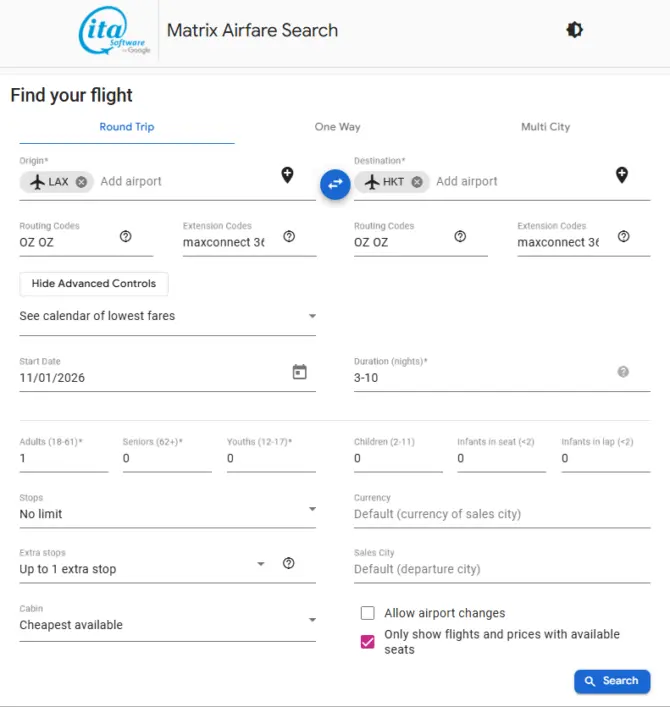
The sample itineraries highlighted in recent fare analyses typically feature routings originating at Los Angeles International Airport (LAX). Because very few carriers operate nonstop service from the continental U.S. to Phuket, travelers route through major Asian aviation hubs.
- The Asiana Connection: Asiana Airlines, a premier carrier based out of Seoul Incheon International Airport (ICN), frequently serves as a bridge for travelers heading from North America to Southeast Asia. A standard routing on these promotional fares involves a transpacific leg from LAX to ICN, followed by a regional connection down to Phuket International Airport (HKT).
- Alliance Benefits: Asiana Airlines is a core member of the Star Alliance network and maintains a robust partnership with United Airlines. This alliance integration is a critical factor for U.S.-based travelers looking to compound the value of their trip.
Mileage Earning and Frequent Flyer Valuation
For frequent flyers, a discounted economy ticket does not just represent a cheap vacation; it is also an opportunity to build elite status and accrue redeemable miles. Because Asiana partners closely with United Airlines, passengers can credit their flights directly to their United MileagePlus accounts.
When crediting partner-operated flights to a domestic carrier program, mileage earning is typically calculated based on a combination of the distance flown and the specific fare class purchased.

- Prorated Earnings: Deeply discounted promotional fare classes (often falling into lower economy buckets such as T, S, or W) may earn a percentage of the total distance flown rather than 100%.
- Premier Qualifying Points (PQPs): United’s revenue-based elite status system rewards travelers based on the fare cost and the operating carrier. Partner flights credited to United generally yield PQPs based on a formula factoring the distance and fare class, helping travelers maintain or climb the elite status ladder (Silver, Gold, Platinum, 1K) without paying full-fare business prices.
Official Statements and Industry Insights
Aviation economists and consumer advocates continually monitor how international airfares respond to shifting macroeconomic conditions, jet fuel prices, and consumer travel habits.
Industry analysts emphasize that while headline-grabbing "error fares" have become increasingly rare due to sophisticated algorithmic screening, highly competitive promotional fares remain a staple of airline revenue management. A spokesperson for major consumer travel tracking organizations notes:
"Airlines no longer rely exclusively on seasonal catalog pricing. Instead, they micro-target specific city pairs where passenger demand is soft or where competitor capacity is expanding. When a carrier like Asiana drops fares from a major hub like Los Angeles to a leisure hotspot like Phuket, it triggers a ripple effect across competing alliances, forcing a temporary market-wide compression of ticket prices."
Furthermore, tourism boards in Southeast Asia have actively encouraged transpacific connectivity. Thai tourism officials have consistently highlighted the importance of attracting North American travelers, whose average length of stay and spending per trip significantly outpace regional travelers. Competitive pricing out of gateways like Los Angeles directly supports these regional tourism targets.
Future Outlook
Looking ahead, the market for transpacific travel between the United States and Southeast Asia is poised for continued evolution. Several key trends will dictate how travelers book trips to destinations like Phuket in the coming years.

1. Enhanced Aircraft Technology and Comfort
As airlines take delivery of next-generation widebody aircraft—such as the Airbus A350 and Boeing 777X—the comfort and fuel efficiency of long-haul routes improve. For passengers flying economy on multi-leg journeys from Los Angeles to Phuket, newer cabins often feature improved humidity control, quieter engines, enhanced LED lighting, and upgraded inflight entertainment systems, making the transit through hubs like Seoul more comfortable than ever.
2. The Rise of Real-Time Alert Ecosystems
The window of opportunity for booking discounted airfares continues to shrink. As machine learning algorithms allow airlines to instantly adjust inventory in response to demand spikes, traditional methods of checking airline websites manually are becoming obsolete. Travelers are increasingly turning to dedicated real-time alert services, push notifications, and niche subscription newsletters that isolate fare drops within minutes of publication. This technological arms race means that future flight deals will likely be snapped up faster than ever by alert consumers.
3. Sustainability and Carbon Considerations
As long-haul international travel rebounds to record highs, environmental scrutiny facing the aviation sector intensifies. Future airline sales may increasingly feature or be paired with voluntary carbon offset programs, sustainable aviation fuel (SAF) contributions, or routing transparency metrics. Travelers planning trips to fragile island ecosystems like Phuket are increasingly weighing the carbon footprint of transpacific flights, prompting airlines to invest heavily in modern, fuel-efficient fleets.
Strategic Tips for International Travel and Financial Optimization
Securing a great flight deal is only the first step in orchestrating a memorable international getaway. To maximize your budget and protect your investment when traveling from Los Angeles to Phuket, consider the following expert recommendations:
Maximizing Credit Cards Abroad
When traveling to international destinations like Thailand, managing foreign transaction fees and currency conversion rates can save you hundreds of dollars.

- Use No-Foreign-Transaction-Fee Cards: Ensure that any credit card you swipe abroad explicitly waives foreign transaction fees (which typically hover around 3% per purchase).
- Always Choose Local Currency: When point-of-sale terminals or ATMs abroad offer you the choice to be billed in your home currency (USD) versus the local currency (Thai Baht), always select the local currency. Choosing USD subjects you to Dynamic Currency Conversion (DCC), a practice that applies heavily inflated exchange rates determined by local merchant processors rather than your card issuer.
- Leverage Travel Insurance Perks: Many premium travel credit cards offer built-in trip interruption, baggage delay, and emergency medical evacuation insurance. Review your cardholder agreement before departure to verify coverage limits.
Booking Accommodations, Car Rentals, and Activities
Once your flight is locked in, approach your ground logistics with the same strategic mindset:
- Accommodations: Phuket offers a wide spectrum of lodging, from ultra-luxury cliffside resorts in Kamala to budget-friendly boutique guesthouses in Old Phuket Town. Compare direct hotel booking perks with trusted aggregator platforms to maximize loyalty points.
- Transportation: While Phuket International Airport (HKT) is well-connected by taxis and ride-hailing apps like Grab, renting a car or arranging private transfers should be done well in advance if you plan to explore secluded beaches away from the main tourist hubs.
- Tours and Excursions: Popular island-hopping day trips to the Phi Phi Islands or Phang Nga Bay sell out quickly during peak travel windows. Booking authorized tours ahead of time ensures availability and prevents last-minute pricing surges.
By combining sharp fare-tracking strategies, a solid understanding of airline alliance partnerships, and prudent financial management abroad, your journey from Los Angeles to the golden shores of Phuket can be both an extraordinary adventure and a masterclass in smart travel.