




Executive Overview
For over two decades, the global travel industry operated under a dominant paradigm: rapid-turnover tourism characterized by sightseeing tours, guidebook recommendations, and temporary consumerism. As remote work gained momentum in the late 2010s, the "digital nomad" model emerged as an aspirational alternative. However, industry analysts and travel sector experts now observe a critical shift. The traditional digital nomad lifestyle—often reliant on strong foreign currencies, high-income remote employment, and economic detachment from host communities—is increasingly recognized as inaccessible to the broader public and structurally isolated from local life.
In response, a growing movement toward structured, long-term immersive travel—specifically working holidays, ethical volunteering, and international placements—is reshaping youth mobility. Rather than floating above local economies, a new generation of long-term travelers is opting to integrate directly into host country labor markets and community initiatives.
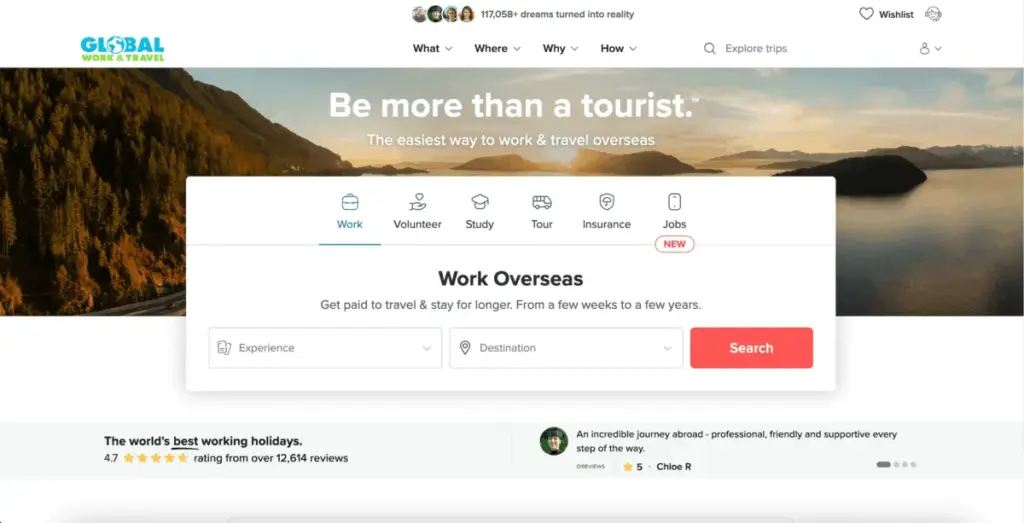
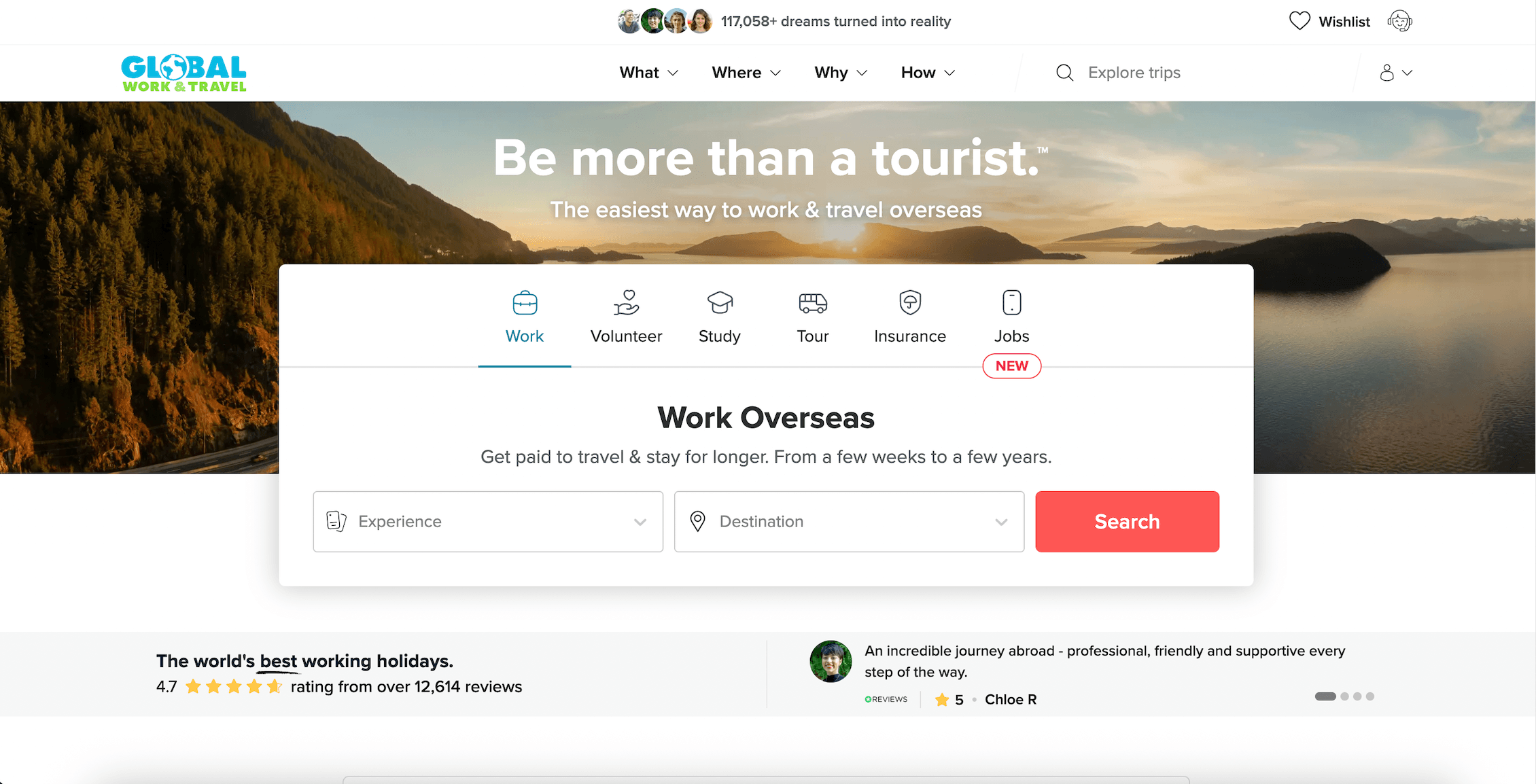
Leading this operational shift is Global Work & Travel, a global placement agency that has facilitated working holidays, volunteer programs, internships, and teaching placements for over 116,000 individuals over nearly two decades. By bridging bureaucratic, logistical, and employment gaps, structured placement programs are removing historical barriers to extended international residence, signaling a move away from passive tourism toward sustainable, cross-cultural immersion.
Detailed Chronology: The Evolution of Modern Travel Paradigms
  [ Era of Mass Tourism ]           [ The Digital Nomad Boom ]        [ The Immersive Integration Era ]
• Extractive & Passive Sightseeing • High Foreign Income Reliance    • Local Economic & Social Integration
• Brief, Surface-Level Visits       • Gentrification & Isolation      • Bilateral Working Holiday Visas
• Host-Guest Disconnect             • Limited Career Access           • Vetted Community & Conservation Work
Phase 1: The Era of Extractive Mass Tourism
Throughout the late 20th and early 21st centuries, youth and budget travel relied heavily on short-term backpacking circuits and standardized tour operations. While economically lucrative for central tourist hubs, this model often proved extractive. Travelers moved rapidly between iconic landmarks, stayed in insulated hostel environments, and rarely developed meaningful connections with local populations. Industry surveys indicate that while most travelers cited "cultural immersion" as a primary goal, short trip durations and language barriers restricted the majority to surface-level interactions.
Phase 2: The Digital Nomad Era and Its Structural Limitations
Between 2015 and 2022, the rise of flexible, internet-based employment catalyzed the "digital nomad" phenomenon. Celebrated for enabling location independence, this model promised an ongoing blur between work and leisure. However, structural friction quickly surfaced:
- High Entry Barriers: Success as a digital nomad required an established remote career, stable tech infrastructure, and higher-than-average income streams.
- Socio-Economic Detachment: Operating out of co-working hubs and short-term rentals, many remote workers lived alongside, rather than within, host communities—leading to local inflation and economic gentrification in popular hubs across Southeast Asia and Latin America.
- Transient Social Structures: Moving every few weeks prevented deep community ties, leaving many nomads experiencing isolation despite constant change.
Phase 3: The Modern Working Holiday and Integrated Placement Era
By the mid-2020s, a structural pivot became visible. Travelers, particularly young adults and career-break professionals, began seeking grounded, long-term stays that prioritize local integration over transience. Working holiday arrangements—supported by bilateral government visa frameworks—allow individuals to earn local wages, pay local taxes, and work alongside host-country peers.
Simultaneously, specialized agencies arose to solve the complex logistics of working abroad, effectively standardizing a pathway once reserved for only the most logistically savvy backpackers.
Supporting Context & Metrics: Evaluating the Impact and Operations
To understand the mechanics driving this mobility shift, industry researchers analyze data across several operational vector points, including market coverage, demographic reach, ethical safeguards, and logistical infrastructure.
Industry Benchmark: Global Work & Travel Operational Profile
| Metric / Dimension | Program Specifications & Data Points |
|---|---|
| Total Placements | 116,000+ individuals assisted globally |
| Operational History | Nearly 2 decades in international travel placement |
| Geographic Footprint | UK & Europe, The Americas, Asia, Africa, and the Pacific |
| Program Types | Working Holidays, Volunteering, TEFL/Teaching, Internships, Au Pair |
| Age Eligibility | Working Holidays: 18–35 (visa dependent) Volunteering & Teaching: 18–80 |
| Planning Lead Time | Average 6 to 12 months for visa, job matching, and placement |
| Digital Infrastructure | gWorld trip management portal and community platform |
        GLOBAL WORK & TRAVEL: REGIONAL PROGRAM DISPERSAL
┌─────────────────────────────────────────────────────────────┐
│ [Europe & UK]       Working Holidays, Teaching, Au Pair     │
│ [The Americas]      Internships, Conservation, Summer Camps │
│ [Asia & Pacific]    TEFL Teaching, Elephant Rehab, Work-Visas│
│ [Africa]            Community Dev, Wildlife Protection      │
└─────────────────────────────────────────────────────────────┘
Deconstructing the Logistical Barrier
Moving to a foreign nation to live and work presents multi-tiered operational friction. Unassisted travelers regularly face:
- Complex visa applications tied to national quotas and specific entry criteria.
- Competitive job markets where local employers prioritize domestic candidates.
- Housing instability, often leading to prolonged, costly hostel stays.
- Transport and banking bureaucracy in unfamiliar administrative environments.
Structured organizations mitigate these friction points by providing pre-departure vetting, visa guidance, guaranteed job interviews or direct placements, and verified local housing options. Tools like Global Work & Travel’s gWorld platform centralize travel documentation, emergency support, and peer network building into a unified interface, significantly reducing the drop-out rate between application and arrival.
The Ethics of International Volunteering
Voluntourism has historically faced sharp criticism for profit-driven, non-vetted projects that offer negligible local benefit or inadvertently cause harm. Addressing these legacy issues requires rigorous auditing standards.
Modern placement programs employ specialized criteria to verify that volunteer initiatives are community-driven and ecologically sound:
        ETHICAL VOLUNTEERING VERIFICATION MATRIX
┌──────────────────────────────────────────────────────────┐
│ 1. Local Needs Vetting (Community-defined priorities)    │
│ 2. Direct Ecological Impact (Conservation protocols)     │
│ 3. Financial Oversight (e.g., Global Animal Welfare Fund)│
│ 4. Long-Term Sustainability (Non-displacement of local labor)│
└──────────────────────────────────────────────────────────┘
When properly structured—such as community development initiatives in Zanzibar, wildlife conservation in South Africa, or elephant rehabilitation facilities in Thailand—volunteer placements function as collaborative, long-term resource transfers rather than short-term photo opportunities. Funds routed through mechanisms like the Global Animal Welfare Fund direct capital directly into habitat preservation and facility maintenance, ensuring project continuity beyond individual volunteer stays.
Official Statements & Industry Perspectives
Industry analysts and veteran travel commentators emphasize that the rise of working holidays represents a pragmatic evolution of international travel.
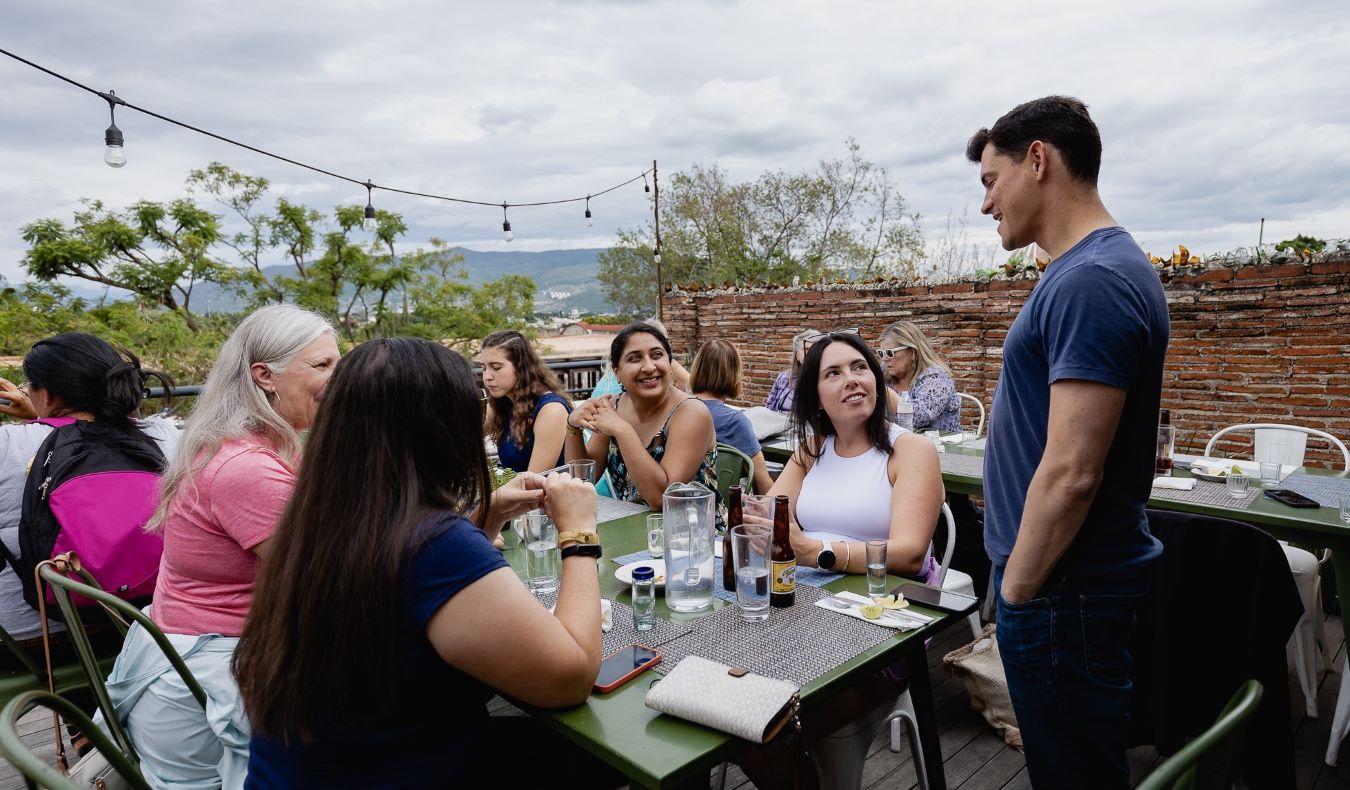
Industry Commentary:
"Most travel is inherently extractive and passive. You show up, photograph the same landmarks as everyone else, consume local resources, and leave without going deep. Even long-term travelers who claim they ‘aren’t tourists’ often repeat these patterns at a slower pace. True transformation requires staying long enough to contribute, build real relationships, and embed yourself in the local economy."
— Matt Kepnes, Travel Author & Founder of Nomadic Matt
Kepnes highlights that working holidays fundamentally alter the economic and psychological dynamic of international travel:
"Working holidays flip the digital nomad paradigm on its head. Instead of bringing an external job and floating above the host country, you enter the local economy. You gain coworkers, a structured schedule, and a genuine reason to put down roots. You aren’t just passing through; you are living there. It democratizes long-term travel for anyone willing to work, without requiring years of remote corporate experience."
From an institutional perspective, representatives from Global Work & Travel stress the necessity of structural safety nets for young travelers venturing abroad for the first time:
Institutional Perspective:
"Securing visas, navigating housing shortages, and competing in foreign job markets can overwhelm first-time travelers. By providing pre-departure guarantees, dedicated trip management technology, and verified partner networks, we give individuals the scaffolding required to safely transition from tourist to international resident."
Future Outlook: The Next Phase of International Mobility
As governments continue to expand bilateral working holiday visa agreements to stimulate post-pandemic tourism economies and address regional labor shortages, the working holiday sector is positioned for sustained growth through the late 2020s.
                  FUTURE MOBILITY TRENDS
┌───────────────────────────────────────────────────────────┐
│ • Expansion of Bilateral Visa Agreements (Age Limit -> 35)│
│ • Integration of Hybrid/Seasonal Remote Work & Local Jobs │
│ • Increased Regulation of Unvetted Voluntourism Providers │
│ • Heightened Demand for Direct Community Integration      │
└───────────────────────────────────────────────────────────┘
Key Trends Shaping the Sector:
- Expansion of Age Limits and Quotas: Several nations have raised working holiday visa age limits from 30 to 35, reflecting demographic shifts and career flexibility among older millennial professionals seeking mid-career transitions.
- Shift Toward Ethical Accountability: Increased consumer awareness is forcing voluntourism providers to adopt strict impact reporting and transparent funding models, gradually squeezing non-vetted, profit-centric operators out of the market.
- Decentralization of Travel Hubs: Backed by structured job placements, working holiday makers are moving beyond over-touristed capital cities into regional towns, agriculture centers, and secondary eco-tourism hubs, spreading financial benefits across broader local economies.
The trajectory of modern travel is clear: transient, detached sightseeing is increasingly making way for purposeful, long-term immersion. Through structured working holiday pathways, travelers are discovering that the most meaningful way to experience the world is not merely to pass through it, but to actively participate in building a life within it.