







Executive Overview
For generations, the family vacation has been a cornerstone of domestic life—a cherished opportunity to break away from the humdrum of daily routines, unplug from technology, and forge lifelong memories in novel landscapes. Yet, traditional modes of travel often introduce a cascade of compounding stresses: rigid flight itineraries, the logistical nightmare of packing and unpacking suitcases across multiple hotels, unpredictable dining expenses, and cramped quarters that fray the nerves of even the most patient parents and children.
Enter the recreational vehicle (RV) road trip. Far more than a mere alternative mode of transit, RVing has rapidly evolved into a sophisticated, highly customizable travel lifestyle. It ingeniously bridges the gap between the comforts of home and the untamed allure of the great outdoors. Offering unmatched flexibility, exceptional cost-efficiency, and ample space for every member of the household to stretch out, the family-friendly RV road trip addresses the core anxieties of modern family travel.
However, transitioning from a vacation dream to a concrete reality requires a strategic approach. Whether you are navigating peer-to-peer rental marketplaces like RVshare to secure the ideal rig, establishing a realistic financial roadmap, or mapping out kid-friendly itineraries that stave off the dreaded cries of "Are we there yet?", meticulous preparation is the bedrock of a successful journey. This comprehensive guide synthesizes expert insights, financial strategies, safety protocols, and entertainment hacks to transform your next family getaway into an unforgettable, stress-free expedition.
Detailed Chronology: The Step-by-Step Blueprint for RV Trip Planning
Planning a family RV vacation does not have to be an overwhelming endeavor. By breaking the process down into a logical, chronological sequence, travelers can systematically address every logistical detail without dropping the ball.
Phase 1: Conceptualization and Budgeting (6 to 9 Months Out)
Every successful voyage begins with a vision and a ledger. Months before departure, families must sit down to define the scope of their trip.
- Establish the Financial Parameters: Determine your absolute maximum spending ceiling, factoring in hidden costs such as fuel consumption, campsite reservation fees, generator use charges, and insurance premiums.
- Select the Season: Decide whether you will travel during peak summer months or capitalize on the financial and logistical benefits of off-peak, shoulder-season travel during the spring or fall.
Phase 2: Destination Scouting and Itinerary Design (4 to 5 Months Out)
With a budget in place, focus shifts to geography.
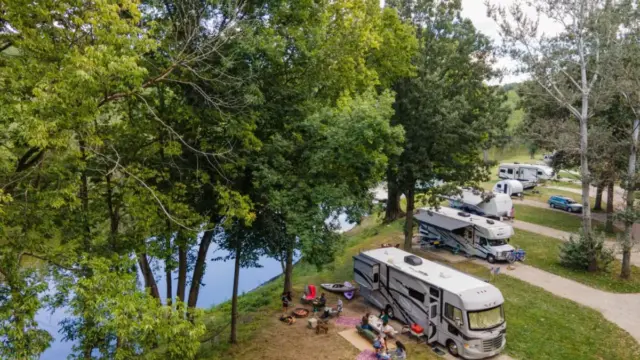
- Prioritize Clustered Destinations: To avoid exhausting young travelers and burning through fuel budgets, select geographic clusters—such as neighboring national parks or state park networks—rather than attempting cross-country marathons.
- Apply Travel Rules of Thumb: Implement pacing philosophies such as the "3-3-3 Rule" (driving no more than 300 miles a day, arriving by 3:00 PM, and staying at least three nights in one spot) to ensure the pace remains leisurely and manageable.
Phase 3: Securing the Rig via Peer-to-Peer Marketplaces (3 to 4 Months Out)
Securing the right vehicle is arguably the most critical operational milestone.
- Filter by Family Needs: Utilize online rental platforms to filter vehicles by essential family amenities: bunk beds, slide-outs for extra interior floor space, fully equipped kitchens, and robust climate control systems.
- Vet via Reviews: Scrutinize recent reviews left by other families, paying close attention to commentary regarding cleanliness, mechanical reliability, and ease of drivability.
Phase 4: Campground Reservations and Logistics (2 to 3 Months Out)
Popular national, state, and private campgrounds fill up rapidly, particularly during peak seasons.
- Book Your Stays: Secure your campsites well in advance, verifying hookup availability (water, electric, and sewer) and reviewing campground amenities such as playgrounds, hiking trails, and laundry facilities.
- Plan Provisions and Packing: Draft comprehensive packing lists, keeping in mind that RV storage, while generous, is still finite.
Phase 5: Pre-Trip Safety Checks and Departure (1 Week to Departure Day)
- Comprehensive Walkthrough: Conduct a thorough walkthrough inspection of the rental RV, ensuring all safety features—such as carbon monoxide detectors, fire extinguishers, and emergency exits—are fully operational.
- Verify Insurance and Roadside Assistance: Confirm that comprehensive collision coverage and dependable 24/7 roadside assistance are locked in to guarantee peace of mind the moment you pull out of the driveway.
Supporting Context & Metrics: Economics, Vehicle Sizing, and Safety
To make informed decisions, travelers must look beyond surface-level aesthetics and analyze the hard data governing RV travel—from financial cost structures to vehicle classifications and safety metrics.
Financial Literacy on the Road: Decoding the Total Trip Cost
While RVing is statistically one of the most economical ways for a family to explore the country, novice travelers are frequently caught off guard by ancillary expenses. Relying solely on a vehicle’s daily nightly rate is a recipe for budget overruns. When evaluating rental options, consumers must construct a holistic cost comparison matrix:
| Cost Factor | RV Option A | RV Option B | RV Option C |
|---|---|---|---|
| Nightly Rate | $150 | $180 | $130 |
| Mileage Fees | $0.25/mile over 100mi | Unlimited | $0.35/mile over 50mi |
| Generator Use Fees | Included | $3/hour over 2hrs | $5/hour flat rate |
| Cleaning Fees | $75 | $100 | $50 |
| Delivery Fees (if applicable) | N/A | $150 | N/A |
| TOTAL ESTIMATED COST: | $1,125 | $1,510 | $1,045 |
By calculating cumulative costs—including fuel efficiency fluctuations, mileage caps, cleaning surcharges, and generator fees—families can prevent unexpected budget shocks. Furthermore, capitalizing on off-peak travel windows can slash total expenditures by 20% to 40%, affording families the luxury of extended stays or upgraded accommodations without increasing financial exposure.
Choosing the Right Rig: The Class C "Goldilocks" Phenomenon
Vehicle size directly influences both operational expenditures and psychological comfort. While massive Class A motorhomes offer sprawling residential interiors, their massive fuel consumption and intimidating proportions can overwhelm drivers. Conversely, small camper vans maximize fuel economy but severely restrict interior breathing room for restless children.
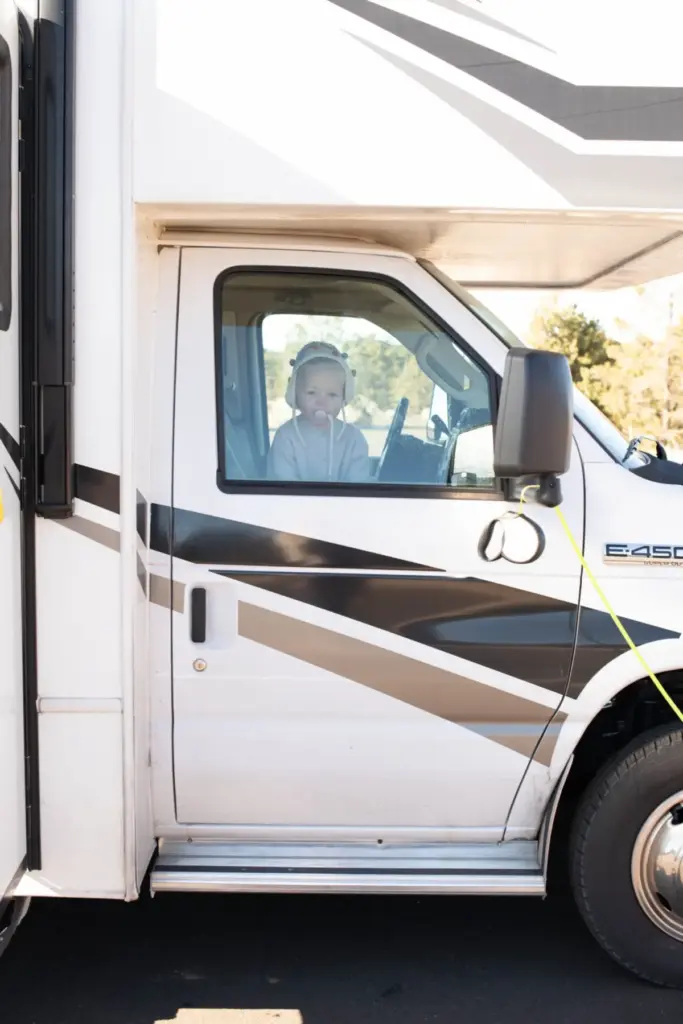
For the vast majority of families, the Class C motorhome represents the optimal "Goldilocks" solution. Characterized by its truck-chassis cab and iconic over-the-cab "attic" sleeping berth, the Class C strikes a harmonious balance:
- Sleeping Versatility: The over-cab area provides an exciting, designated loft space that children naturally gravitate toward, preserving rear bedroom privacy for parents.
- Manageable Drivability: Built on familiar commercial truck platforms, Class Cs are considerably less intimidating to steer, park, and maneuver through winding national park roads than their Class A counterparts.
- Interior Volume: With available slide-out mechanisms, Class C floor plans expand dynamically when parked, offering safe floor space for children to play during inclement weather.
Financial and Physical Safety Architecture
Risk mitigation is paramount when transporting vulnerable family members. Standard personal auto insurance policies notoriously fail to extend comprehensive or collision coverage to peer-to-peer rental RVs. Consequently, securing robust insurance protection through the rental marketplace is non-negotiable.
Equally vital is 24/7 roadside assistance. A blown tire, a dead chassis battery, or a lockout situation can instantly transform a picturesque holiday into a logistical crisis. Having professional towing, tire-changing, and mobile mechanic services included in your rental agreement guarantees that help is only a phone call away.
Official Statements & Expert Perspectives
Industry leaders and outdoor recreation authorities emphasize that the post-pandemic resurgence of RV travel is not a temporary fad, but a fundamental shift in how families prioritize experiential learning and quality time.
"The modern family is busier than ever, pulled in a dozen different directions by school, work, and digital distractions," notes Sarah Jenkins, a prominent family travel strategist and outdoor recreation advocate. "An RV road trip acts as a forced reset button. It strips away the clutter of daily life and places the family unit inside a shared, mobile ecosystem where cooperation, shared meals, and face-to-face interaction become the norm rather than the exception."
Furthermore, hospitality and tourism economists point out that the flexibility inherent in peer-to-peer RV marketplaces has democratized luxury travel.
"Historically, high-end motorhomes were restricted to retirees with substantial disposable capital," explains Marcus Vance, senior analyst for outdoor hospitality trends. "Today, peer-to-peer platforms have created an accessible economy where parents of young children can rent late-model, fully equipped rigs complete with bunk beds, entertainment systems, and outdoor kitchens at a fraction of the cost of traditional hotel-and-flight packages. It has fundamentally leveled the playing field."
Safety experts likewise underscore the importance of disciplined travel habits. Highway safety councils consistently remind motorists that while mobile living spaces offer couches, kitchens, and beds, all passengers must remain securely buckled into designated seatbelts whenever the vehicle is in motion. Maintaining strict adherence to transit safety protocols ensures that the freedom of the open road never compromises physical well-being.
Future Outlook: The Evolving Landscape of Family RV Travel
Looking ahead, the future of family RV vacations is poised for dramatic technological, ecological, and infrastructural enhancement. As the outdoor recreation sector continues to expand, several transformative trends are reshaping the horizon for family travelers:
1. The Electrification of RVs
The automotive and RV manufacturing sectors are heavily investing in hybrid and fully electric motorhomes. In the coming years, families can anticipate quieter, emission-free driving experiences that drastically slash fuel costs and shrink carbon footprints. Extended battery banks and advanced solar integration will likewise empower families to spend extended periods boondocking (dry camping) off-grid without sacrificing modern digital conveniences or comfort.
2. Smart RV Integration
Modern RVs are increasingly integrated with Internet of Things (IoT) architecture. Future rental fleets will feature centralized smart-home dashboards allowing parents to monitor holding tank levels, internal climate zones, tire pressures, and solar generation directly from their smartphones. This technological transparency eliminates guesswork and enhances operational safety.
3. Smart Infrastructure and Advanced Booking Networks
Campground reservation systems are undergoing a digital overhaul. Enhanced booking platforms will utilize predictive analytics to help families identify less-crowded state and national parks, ensuring seamless access to nature while mitigating overcrowding in pristine ecological zones.
Conclusion: Embarking on Your Journey
A family-friendly RV road trip is far more than a vacation—it is an investment in shared experiences, resilience, and discovery. By approaching your planning journey with meticulous attention to budgeting, strategic itinerary clustering, careful vehicle selection, and uncompromising safety protocols, you pave the way for an extraordinary adventure.
The open road awaits. Begin your family’s next great chapter today by exploring peer-to-peer RV rentals tailored precisely to your travel style, budget, and destination.