





Executive Overview
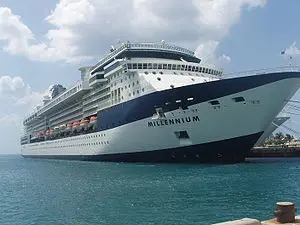
In the high-stakes world of modern luxury cruising, mechanical reliability remains the single most critical pillar of operational success. For Royal Caribbean Cruises Ltd., a momentary shudder off the coast of Southeast Alaska on August 18, 2013, quickly snowballed into a major logistical and financial crisis. A propulsion system failure aboard the Celebrity Millennium—a premier vessel operated by its subsidiary, Celebrity Cruises—forced an abrupt return to port in Ketchikan, abruptly cutting short a popular seven-night voyage through the Inside Passage.
What initially presented as an inconvenient itinerary disruption soon cascaded into a sweeping operational shutdown. On Tuesday, August 19, parent company Royal Caribbean made the decisive announcement to cancel not only the remainder of the active voyage but also four consecutive sailings scheduled deep into the late-summer Alaska season. The decision left thousands of stranded passengers scrambling for travel arrangements, disrupted the carefully laid vacation plans of thousands more, and triggered a massive wave of financial indemnification.
With approximately 2,200 guests and 960 crew members stranded mid-journey, the company faced immediate passenger relations challenges. To mitigate the PR fallout, Royal Caribbean announced an aggressive compensation package: complete refunds for all passengers on the aborted sailing, full refunds for those booked on the four subsequent canceled itineraries, and future cruise credits to encourage brand loyalty. However, the corporate balance sheet will not escape unscathed. Industry analysts at Cruise Market Watch estimate that lost ticket revenue alone has surpassed $13.8 million, a figure that swells significantly when factoring in mandatory vessel repairs, port fees, logistical overhauls, and unearned on-board expenditures.
This comprehensive report examines the chronology of the Celebrity Millennium mechanical failure, the broader financial ramifications for Royal Caribbean Cruises Ltd., the mechanics of modern cruise ship propulsion issues, and the lingering questions surrounding customer sentiment and brand resilience in the wake of maritime mishaps.
Detailed Chronology: The Breakdown and Immediate Aftermath
The Voyage and the Incident
The trouble began during what was supposed to be a routine, highly scenic week-long voyage. The Celebrity Millennium had departed on August 16, 2013, carrying roughly 2,200 passengers eager to experience the majestic glaciers, rugged coastlines, and wildlife of Alaska. For the first 48 hours, the journey proceeded according to schedule, navigating the intricate waterways of the Alexander Archipelago.
However, maritime operations were abruptly upended when engineers detected a significant anomaly in the ship’s propulsion system. Modern cruise ships rely heavily on complex, integrated electric-drive propulsion units—often Azipod or similar podded thruster systems—that provide exceptional maneuverability. When a critical component within this system fails, the vessel’s speed, steering capability, and safety margins are immediately compromised.
Recognizing that the mechanical issue could not be swiftly resolved at sea without compromising safety or guest comfort, the ship’s captain made the prudent decision to abort the itinerary. The Celebrity Millennium altered course and limped into the port of Ketchikan, Alaska, docking on August 18. For the 960 crew members on board, the arrival signaled the beginning of a frantic operational pivot: managing disgruntled passengers, organizing emergency logistics, and coordinating with shore-side engineers.
The Immediate Staging in Ketchikan
Docking a vessel carrying over 3,000 total souls in a regional port like Ketchikan presents immediate logistical bottlenecks. Passengers accustomed to luxury dining, theatrical entertainment, and shore excursions suddenly found themselves confined to a vessel undergoing emergency assessment—or hastily ushered off to local hotels and regional airports.
Ketchikan’s local infrastructure was tested as hundreds of travelers sought alternate flights out of Ketchikan International Airport, many of which were booked to capacity during peak summer tourism season. Royal Caribbean’s shore-side support teams swung into action, attempting to secure commercial flights, charter accommodations, and provide daily stipends for stranded guests. Yet, for many vacationers, the dream Alaskan cruise had transformed into a logistical nightmare of canceled flights, missed connections, and disrupted travel plans.
The Cascading Cancellations
Recognizing the severity of the propulsion damage and the time required for dry-dock assessment and specialized parts replacement, Royal Caribbean leadership realized that a quick patch job was impossible. On Tuesday, August 19, management took the unprecedented step of canceling the remainder of the August 16 voyage alongside four subsequent departures:
- August 16, 2013: The active, truncated voyage.
- August 23, 2013: The immediately following seven-day southbound/northbound rotation.
- August 30, 2013: Late-August peak-season sailing.
- September 6, 2013: Early-September shoulder-season voyage.
- September 13, 2013: The final designated Alaska itinerary affected by the refit schedule.
By wiping clean five consecutive weeks of operations in the lucrative Alaska market, Royal Caribbean effectively signaled to the market that the mechanical failure was systemic rather than superficial, requiring exhaustive engineering intervention.
Supporting Context & Metrics: Quantifying the Financial Impact
The economic fallout of a major cruise line cancellation extends far beyond the immediate cost of passenger refunds. In the cruise industry, revenue is generated through a hyper-efficient matrix of ticket sales, pre-booked excursions, beverage packages, casino spending, spa treatments, and onboard retail. When a ship sits idle in a repair yard or an emergency port, the financial hemorrhage touches multiple balance sheet categories.
Direct Ticket Revenue Losses
Based on actual historical ticket pricing models and cabin inventory data compiled at the time of the incident, Cruise Market Watch calculated the precise direct ticket revenue forfeit across the five canceled sailings. The breakdown illustrates the immediate top-line impact:
| Sail Date | Estimated Ticket Revenue Loss |
|---|---|
| August 16, 2013 | $3,058,593 |
| August 23, 2013 | $2,908,601 |
| August 30, 2013 | $2,555,152 |
| September 6, 2013 | $2,512,067 |
| September 13, 2013 | $2,816,680 |
| Total Estimated Ticket Revenue | $13,851,093 |
The Hidden Costs of Maritime Mechanical Failures
While the nearly $13.9 million in lost ticket sales represents a staggering headline figure, industry financial analysts note that it is only part of the equation. Additional cost centers include:
- Onboard Revenue Deficit: A cruise ship carrying 2,200 passengers generates hundreds of thousands of dollars daily in ancillary spending. The sudden cancellation of five voyages erases millions in expected revenue from specialty dining, alcohol sales, shore excursions, and onboard gaming.
- Passenger Compensation and Logistical Expenses: Providing 100% cash refunds to thousands of guests is standard industry protocol during catastrophic failures, but footing the bill for emergency flights, hotel stays, ground transportation, and food allowances for stranded Ketchikan passengers adds hundreds of thousands in direct cash outflows. Furthermore, the issuance of future cruise credits (FCCs) represents a deferred cost, requiring the company to absorb future operational capacity without generating new cash flow.
- Dry-Dock and Repair Overhead: Transporting specialized marine engineering teams to Ketchikan or towing/navigating the vessel under restricted power to a certified Pacific Northwest or Asian dry-dock facility incurs massive logistical costs. Propulsion repairs involving Azipod units, Azimuth thrusters, or main drive shafts often require heavy crane infrastructure, specialized dry docks, and custom-manufactured parts that can take weeks or months to machine and deliver.
- Reputation and Marketing Overheads: To counteract negative publicity and reassure jittery consumers, parent companies frequently ramp up targeted marketing campaigns, promotional discounts, and travel agent incentive programs, further squeezing operating margins.
Official Statements and Corporate Response
In the wake of the Ketchikan incident, Royal Caribbean Cruises Ltd. and its subsidiary Celebrity Cruises moved swiftly to control the narrative and maintain transparency with stakeholders, travel partners, and the traveling public.
Corporate communications emphasized that passenger and crew safety remained the uncompromised priority. In official press releases and direct communications to booked guests, management expressed deep regret over the disrupted vacations. "We understand how much our guests look forward to their vacations, and we are deeply sorry for the disappointment and inconvenience this mechanical issue has caused," a Celebrity Cruises spokesperson stated shortly after the vessel docked.
The corporation’s proactive compensation strategy was designed to stave off potential class-action litigation and preserve brand equity. By offering a full refund of the cruise fare paid—alongside a generous future cruise credit equivalent to a percentage of the original fare—Royal Caribbean sought to convert disgruntled consumers into returning loyalists. Industry observers noted that while this policy is financially painful in the short term, it is a necessary insurance policy against permanent brand erosion in an era where social media amplifies consumer grievances instantly.
Concurrently, corporate investor relations teams briefed institutional shareholders on the projected impact. While the $13.8+ million in lost ticket revenue was notable, Royal Caribbean’s diversified global portfolio—encompassing Royal Caribbean International, Celebrity Cruises, Azamara Club Cruises, and Pullmantur—provided a financial cushion, absorbing the regional shock without threatening the company’s broader fiscal health.
Future Outlook: Engineering Resilience, Market Sentiment, and Industry Lessons
Technological Vulnerabilities in Modern Cruising
The Celebrity Millennium incident cast a harsh spotlight on the engineering realities of contemporary mega-ships. As cruise lines commission larger vessels designed for maximum fuel efficiency and tight maneuverability, they increasingly rely on complex, computer-managed electric propulsion pods hanging beneath the stern. While these systems eliminate the need for traditional long shafts and rudders, they are notoriously difficult to service at sea.
When a pod fails, repairing it often necessitates placing the entire vessel in a specialized dry dock—a capability unavailable in remote Alaskan outports. Following the 2013 incident, maritime engineers and naval architects intensified discussions regarding redundant propulsion architectures, modular pod designs, and predictive maintenance protocols using Internet of Things (IoT) sensors to detect bearing wear and lubrication failures long before catastrophic breakdown occurs.
Consumer Sentiment and Market Elasticity
A central question following any major cruise line failure is whether temporary mechanical mishaps permanently damage consumer confidence. The cruise industry has historically demonstrated remarkable resilience, bouncing back quickly from negative news cycles thanks to aggressive pricing strategies and the inherent allure of all-inclusive sea travel.
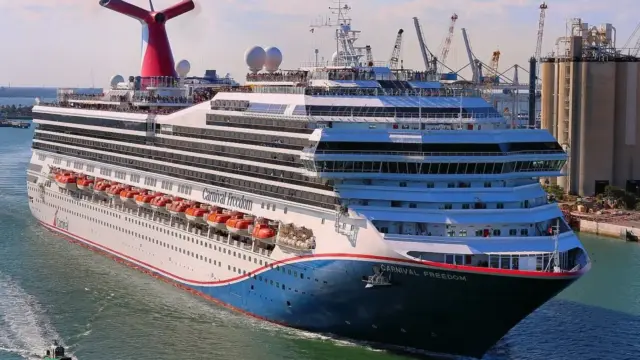
As market data from the era demonstrated, consumer demand often proves remarkably elastic when incentivized by value. For instance, even as travelers processed news of the Celebrity Millennium debacle, bargain hunters could simultaneously evaluate jaw-dropping deals across the broader industry—such as ultra-cheap, repositioning itineraries across Southern Europe aboard vessels like Carnival Corporation’s Carnival Sunshine.
When weighed against extreme cost-per-day value propositions in the broader global cruise market, isolated propulsion failures rarely derail the industry’s long-term growth trajectory. However, for individual lines like Celebrity Cruises, maintaining stringent maintenance schedules and transparent communication channels remains paramount.
Conclusion
The cancellation of five consecutive Alaska sailings by Celebrity Cruises in August 2013 stands as a textbook case study in the intersection of maritime engineering, financial risk management, and corporate crisis communication. While the mechanical failure of the Celebrity Millennium cost Royal Caribbean upwards of $14 million in direct ticket losses alone—not to mention repair bills and logistical overhead—the incident served as a crucial stress test for the company’s operational agility and customer service framework.
Ultimately, the swift implementation of comprehensive refunds, future cruise credits, and transparent public relations allowed Royal Caribbean to weather the storm. As cruise lines continue to push the boundaries of naval engineering in remote wilderness destinations like Alaska, the Celebrity Millennium event remains a sobering reminder that in the maritime world, safety, mechanical reliability, and customer trust must forever sail side by side.