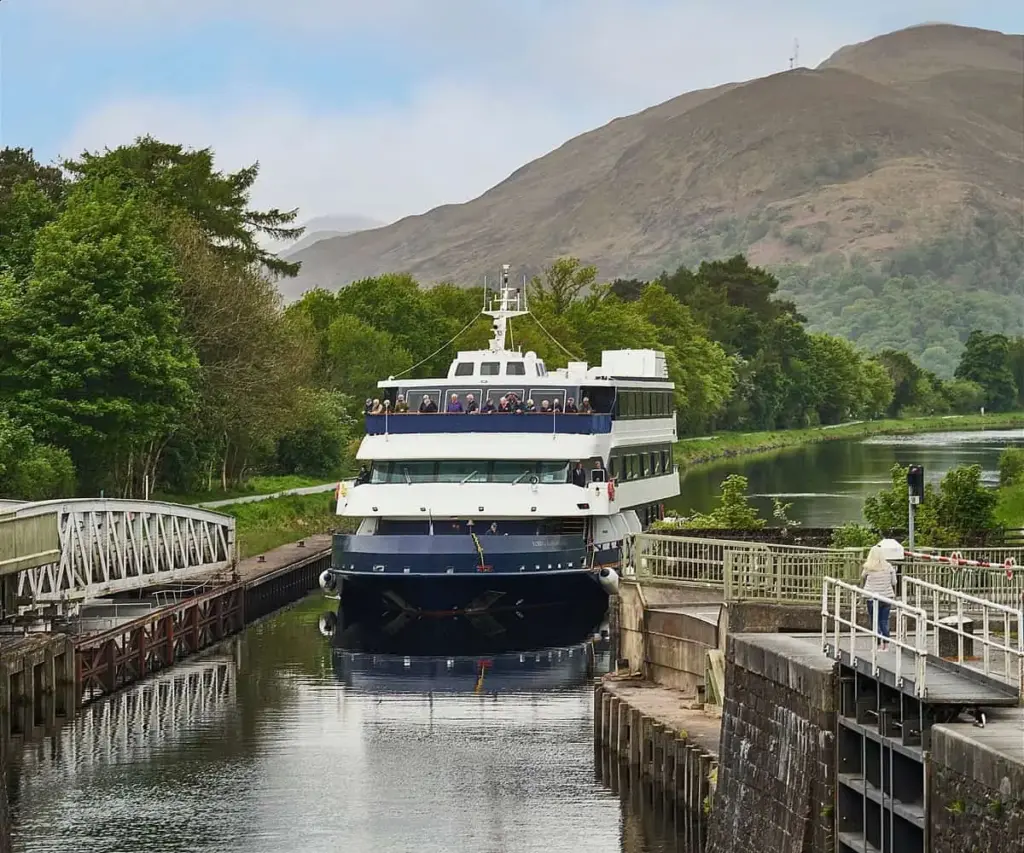
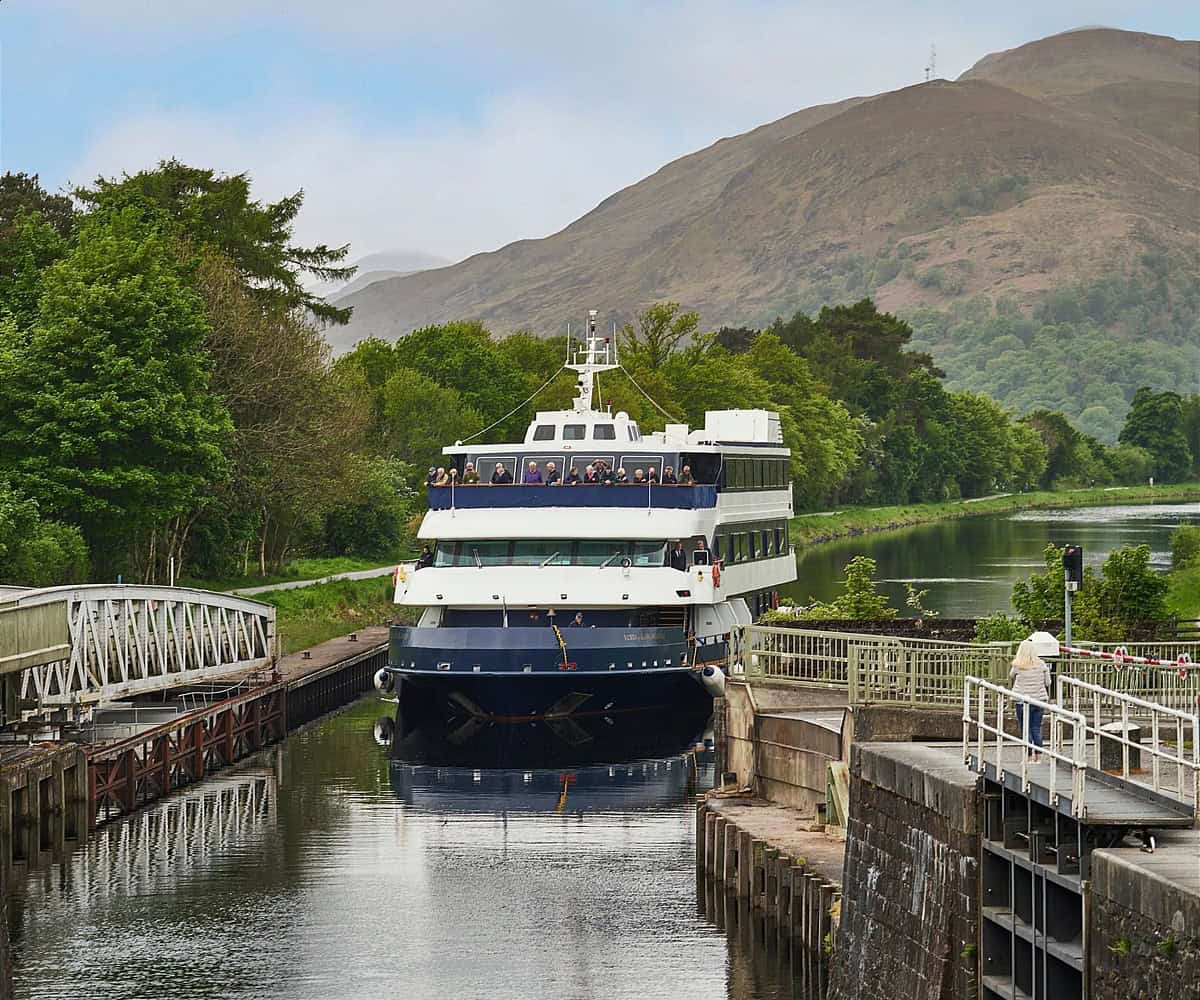
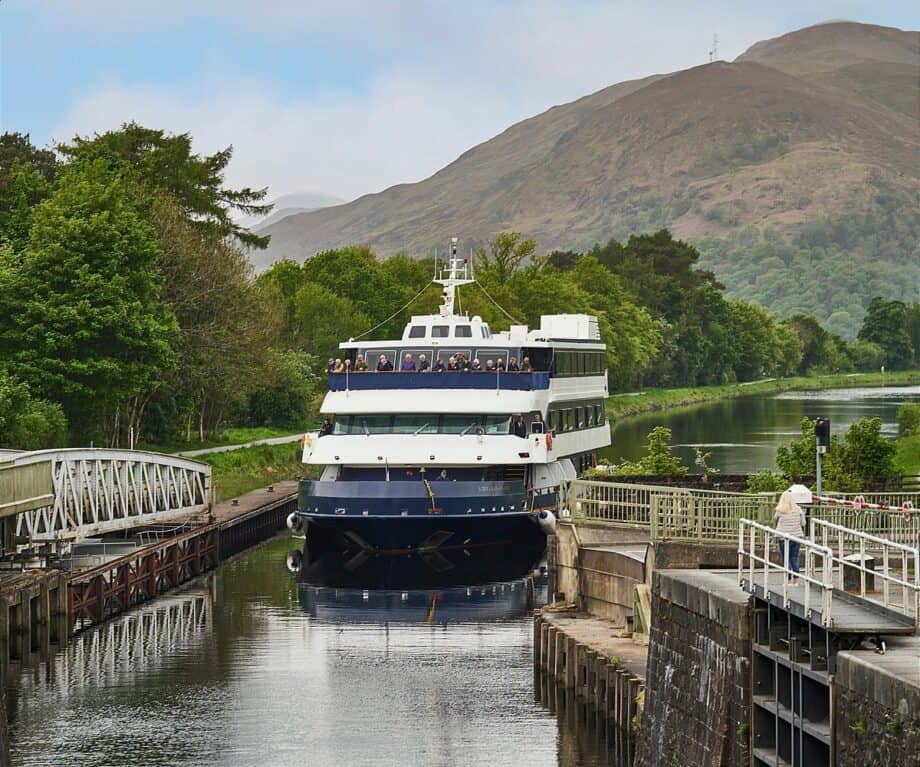
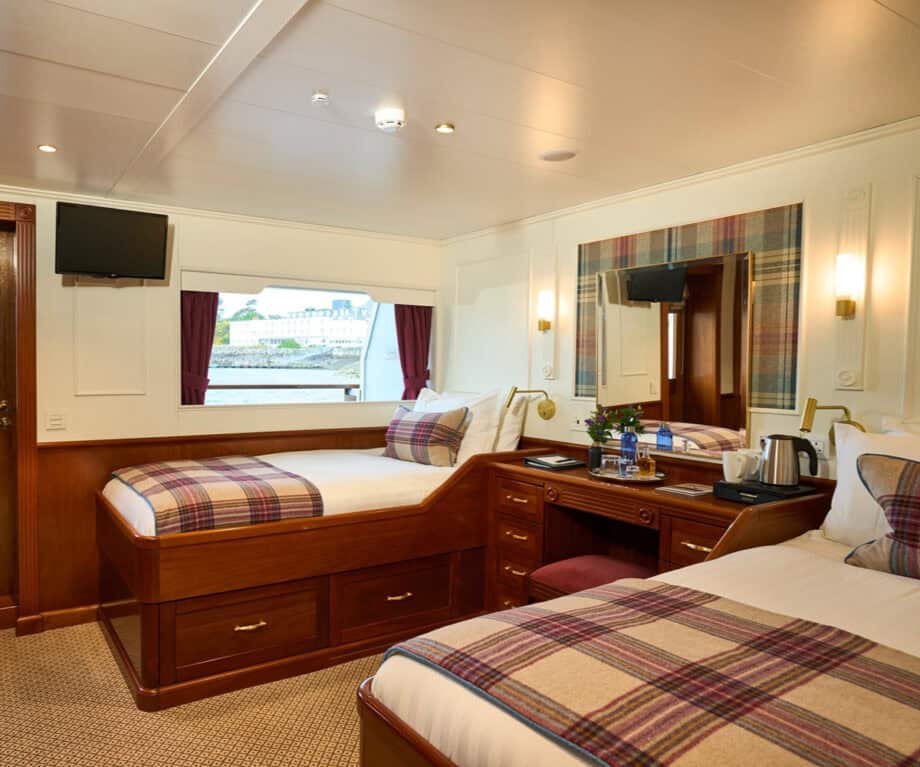
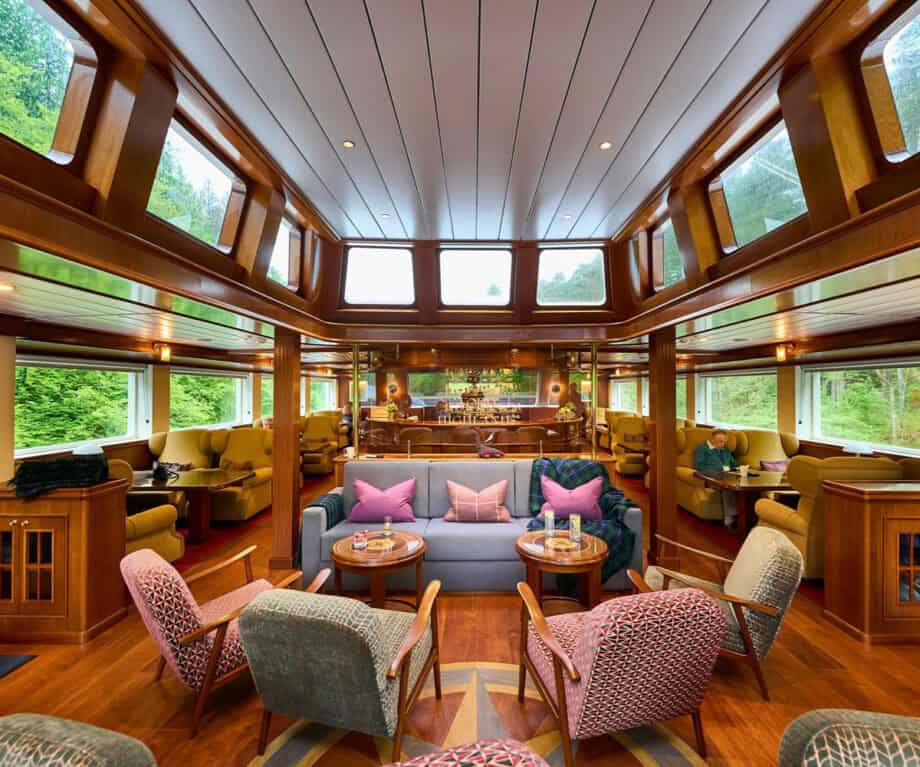
Few maritime itineraries manage to blend breathtaking physical geography with such a profound, resonant sense of place as the six-night voyage aboard the Lord of the Highlands, operated by Hebridean Island Cruises. Eschewing the colossal scale and impersonal atmosphere of conventional mega-liners, this intimate, 19-cabin vessel functions less like a commercial passenger ship and more like a floating, exquisitely appointed Scottish country house. Polished mahogany and brass interiors, subtle splashes of traditional tartan, and an attentive crew capable of recalling every passenger’s name within hours of embarkation set the tone for an unhurried, highly curated journey.
Sailing between the bustling west-coast port of Oban and the Highland capital of Inverness, the route is structurally unique. It deftly bridges the open, tempestuous waters of the Atlantic Hebrides—specifically the islands of Mull and Iona—with the tranquil, man-made engineering marvel of the Caledonian Canal. Along the way, travelers are treated to a rolling tapestry of medieval castles, haunting battlefields, diverse native wildlife, and centuries of layered Scottish history.
This journey is complemented by uncompromising all-inclusive hospitality, a world-class culinary program, and an exhaustive single-malt whisky library. More than a mere holiday cruise, the Lord of the Highlands offers an intellectual and sensory immersion into the forces of faith, rebellion, engineering, and cultural renaissance that shaped modern Scotland. For discerning travelers seeking depth, historical context, and refined comfort, this voyage deserves a prominent position on any global wish list.
Detailed Chronology: A Day-by-Day Historical and Geographical Trajectory
Embarkation and the Atlantic Gateway: Oban, Mull, and Iona
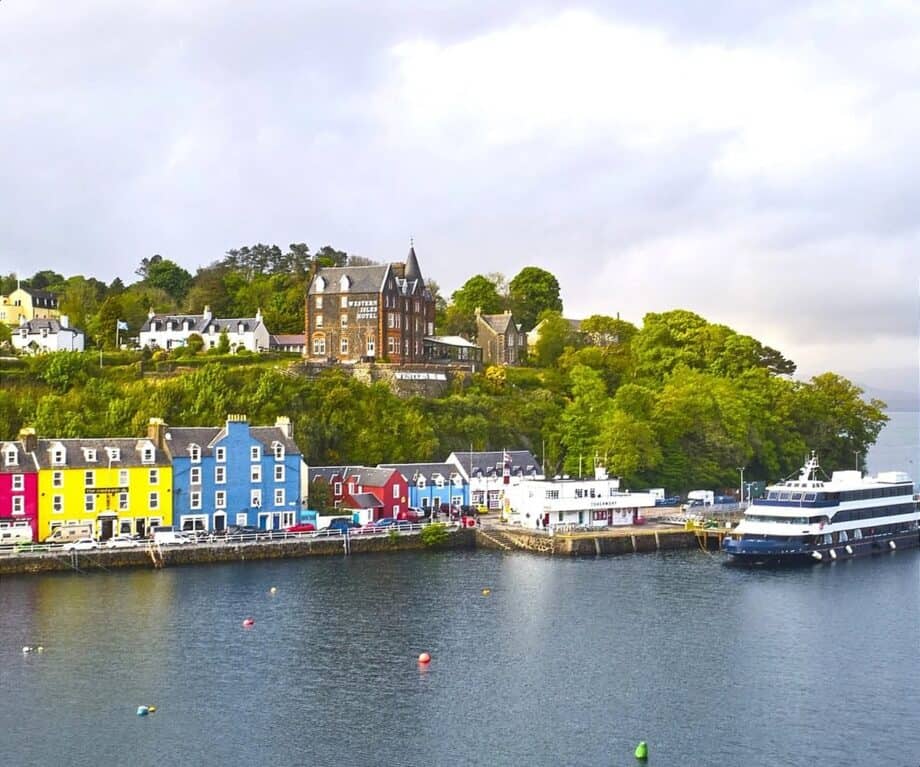
The expedition commences in Oban, the historic "Gateway to the Isles," where guests step aboard the vessel and begin their transition away from the modern world. The initial leg of the journey points the ship’s bow toward the Isle of Mull, introducing passengers to the vibrant, pastel-hued waterfront of Tobermory. Here, rows of brightly colored houses frame a harbor that reflects the creative spirit of life on Europe’s western edge.
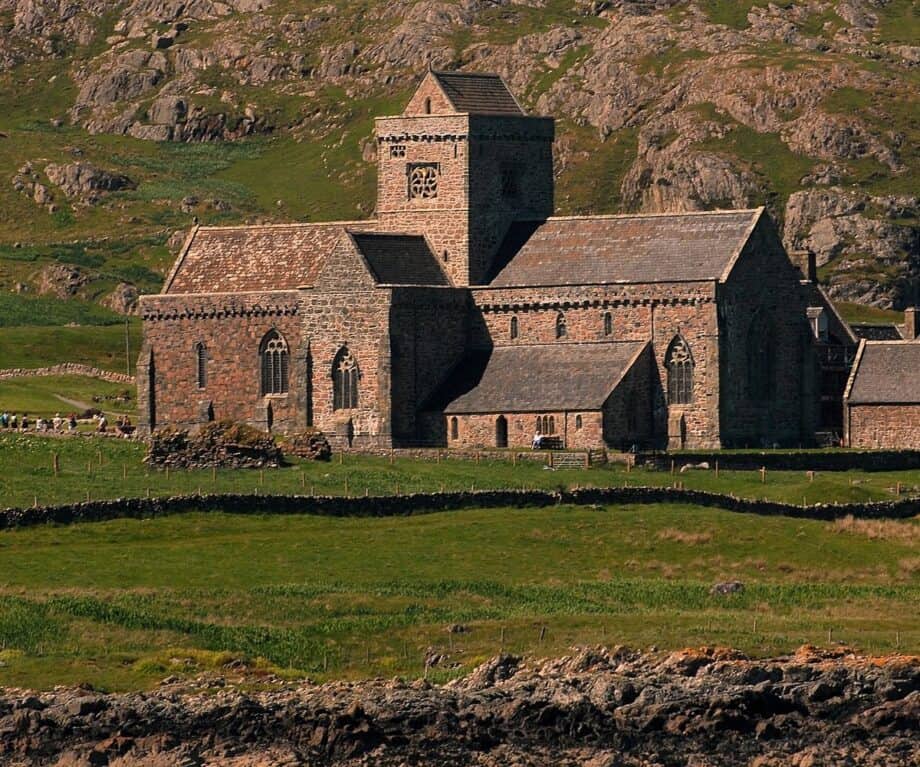
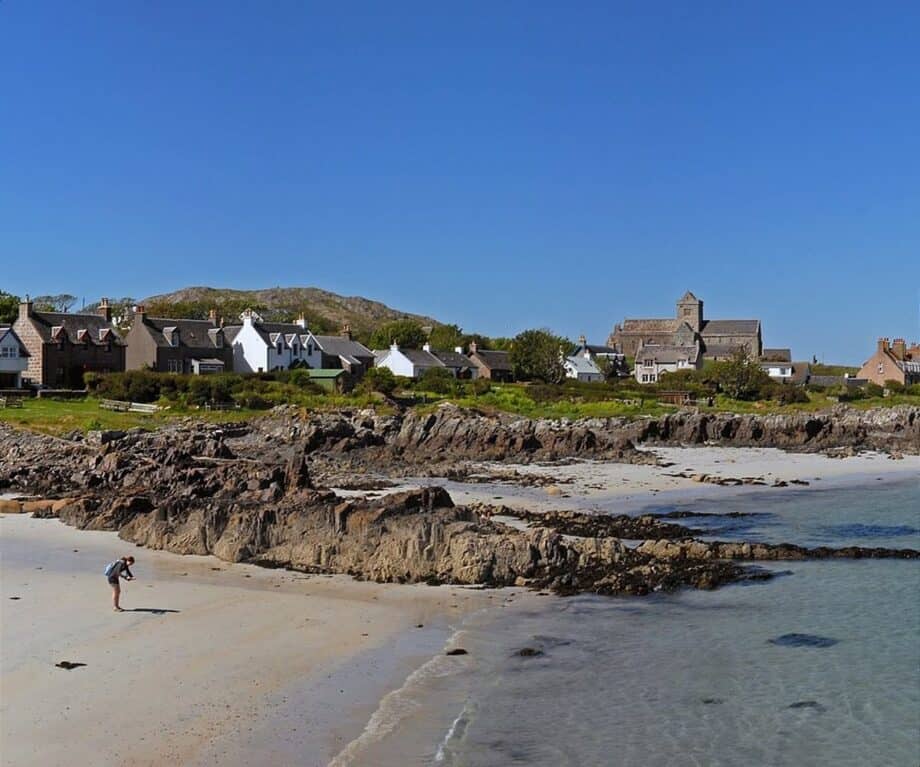
From Mull, the itinerary extends to the sacred isle of Iona. Under the guidance of resident historian David Barnes, passengers step onto shores consecrated in the sixth century by St. Columba. The presence of Iona Abbey provides a tangible link to the foundations of Celtic Christianity, setting a reflective, historical tone for the voyage. Ashore, excursions are enriched by visits to architectural and cultural touchstones like Duart Castle, a fortress standing sentinel over the Sound of Mull for over eight centuries, bearing witness to clan rivalries and the ghosts of the Spanish Armada.
Transitioning to the Inland Waterways: Entering the Great Glen
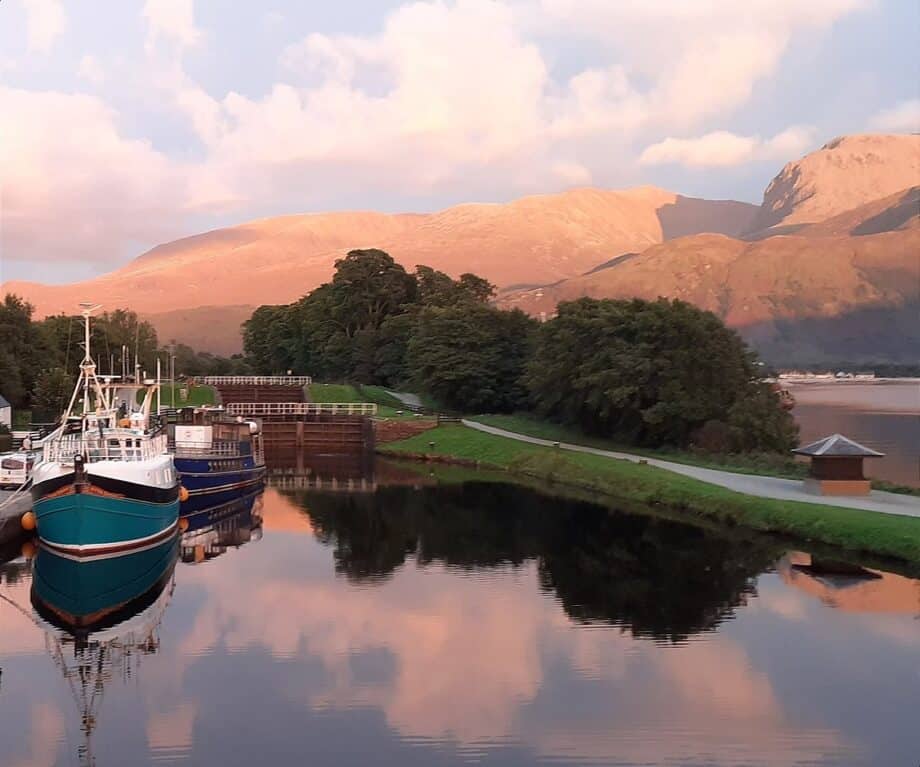
Leaving the Atlantic swell behind, the Lord of the Highlands makes its way back to the mainland to breach the western terminus of the Caledonian Canal at Corpach. Here, framed by the dramatic, evening-lit silhouette of Ben Nevis—Britain’s highest peak—the vessel transitions from maritime navigation to inland waterway cruising.
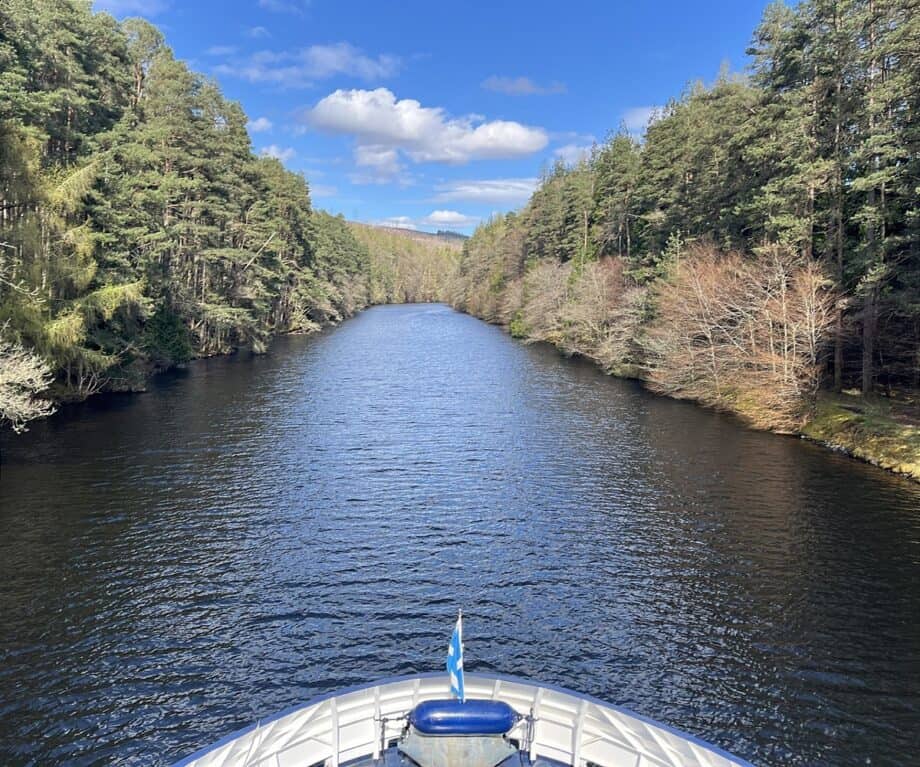
The journey through the Great Glen is a masterclass in shifting perspectives. The ship threads its way through narrow, tree-lined cuts like Laggan Avenue and crosses expansive, atmospheric bodies of water, including Loch Linnhe, Loch Lochy, Loch Oich, and the storied, deep waters of Loch Ness. This ever-shifting landscape replaces the open sea with sheltered lochs, brooding mountain ranges, and intimate encounters with Scottish wildlife, from soaring white-tailed eagles to otters swimming playfully ahead of the bow.
The Culmination: History, Myth, and Inverness
The final miles of the canal bring passengers toward the North Sea and the approaches of Inverness. Yet, the journey’s geographical endpoint is matched by its historical destination. Excursions to the Glenfinnan Monument evoke the soaring, tragic optimism of Bonnie Prince Charlie’s 1745 Jacobite Rising. Conversely, the Culloden Visitor Centre offers a sobering, deeply immersive examination of the brutal defeat that dismantled the clan system and forever altered the Highland landscape.
The voyage concludes by interweaving these geopolitical traumas with enduring folklore, examining how myth and history coalesce around Loch Ness and the legacy of early saints—leaving guests with a comprehensive, cohesive narrative of Scotland’s historical evolution.
Supporting Context & Metrics: Architecture, Engineering, and All-Inclusive Luxury
Vessel Specifications and Interior Design
Operating with a strictly limited capacity of approximately 30 to 40 guests accommodated across 19 cabins, the Lord of the Highlands delivers a rare degree of exclusivity. The interior design scheme mimics a grand Highland estate: heavy use of dark wood paneling, gleaming brass fixtures, plush, deeply comfortable lounges, and carefully curated textiles project an aura of aristocratic heritage.
This ambiance of refined privacy carries royal weight. The ship’s operational lineage is closely tied to its sister vessel, the Hebridean Princess, which famously earned the endorsement of Queen Elizabeth II, having been chartered twice by the monarch for private family holidays and entertaining.
The Caledonian Canal: An Engineering Marvel
A defining feature of the itinerary is the transit of the Caledonian Canal, a 60-mile waterway cutting diagonally across Scotland from Corpach to Inverness. Designed by legendary civil engineer Thomas Telford and opened in 1822, the canal utilizes a chain of natural lochs connected by artificial cuts, overcoming a total summit elevation of 106 feet.
The engineering highlight of the transit is Neptune’s Staircase near Fort William—a phenomenal flight of eight interconnected locks that raises or lowers vessels by approximately 64 feet over a relatively short distance. Though the project was plagued by severe delays and massive cost overruns, rendering it largely obsolete for commercial steamship traffic by the time of its completion, it stands today as one of the premier leisure navigation routes in Europe.
The All-Inclusive Economic Model
Hebridean Island Cruises operates on a fully inclusive financial model designed to insulate guests from ancillary expenses once on board. The tariff covers:
Full culinary service: breakfast (with optional morning whisky), multi-course gourmet lunches, afternoon teas, and sophisticated dinners.
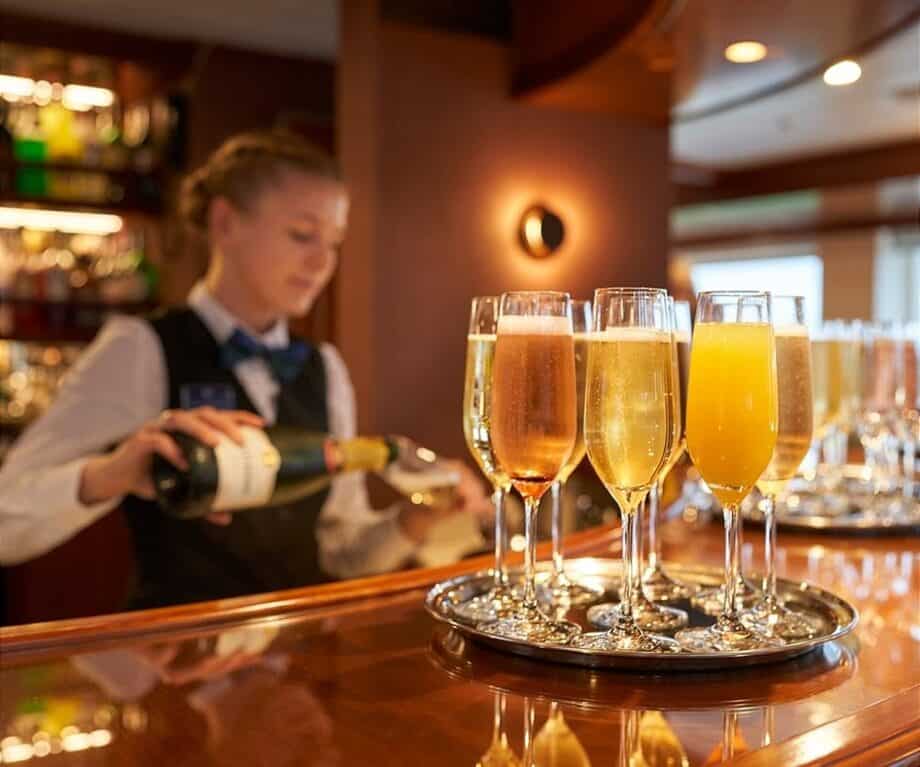
Beverages: house wines, dessert wines, and ports served with meals, alongside an extensive, open-bar inventory featuring 26 distinct single-malt Scotch whiskies.
Land logistics: all shore excursion fees, entrance tickets to historical sites (including Duart Castle and the Culloden Visitor Centre), on-shore refreshments, comprehensive luggage handling, and group transfers between Oban and Inverness.
Official Statements and Expert Commentary
The Academic Lens: Integrating History into Travel
The integration of a resident scholar—historian David Barnes—elevates the Lord of the Highlands from a standard cruise offering to a floating academy. Barnes’s lectures are deliberately accessible, designed to spill out of the ship’s lounge and into informal conversations over coffee or a dram of malt whisky.
"Our objective is never to treat history as a static museum exhibit," notes Barnes during an onboard briefing. "When you stand on the shores of Iona, walk the damp grass of Culloden, or gaze up at Neptune’s Staircase, the timeline of Scotland isn’t something you read about—it is something you inhabit. The landscape itself becomes the primary archive."
Culinary and Cultural Authenticity
The onboard experience places heavy emphasis on local provenance, sourcing ingredients directly from the communities visited along the route. From artisanal cheeses produced by farming families on Mull to sustainably harvested seafood caught in the surrounding sea lochs, the dining room acts as an extension of the land.
This philosophy of authenticity extends to the evening entertainment program, which deliberately honors Scotland’s cultural revival. Traditional Gaelic musicians, storytellers, and highland dancers perform in the intimate lounge settings. A high point of the voyage is the traditional gala dinner, featuring the ceremonial piping-in of the haggis, complete with a kilted crew member declaiming Robert Burns’s famous Address to a Haggis.
Future Outlook: The Evolution of Boutique Heritage Tourism
As global tourism increasingly pivots away from mass-market volume toward hyper-personalized, low-impact, and educational travel experiences, the operational philosophy behind the Lord of the Highlands represents a clear blueprint for the future of luxury cruising.
Sustainability and Slow Travel
Operating on inland waterways and within fragile island ecosystems demands stringent environmental stewardship. Boutique vessels of this scale naturally generate a fraction of the carbon footprint and localized disruption associated with large cruise liners. By engaging directly with small-scale rural producers—such as local cheese makers and independent artisans—the cruise line helps sustain the rural economies it traverses, aligning with modern consumer demands for ethical, sustainable travel.
The Rising Demand for Intellectual Enrichment
Industry trends indicate a sharp rise in "curiosity-driven" travel, where affluent consumers prioritize personal enrichment, historical literacy, and cultural immersion over passive relaxation. Cruises that embed top-tier academic programming, expert-led lectures, and direct access to off-the-beaten-path cultural heritage sites are uniquely positioned to capture this expanding demographic.
By successfully uniting the wild, oceanic isolation of the Hebrides with the tranquil, engineered history of the Caledonian Canal, Hebridean Island Cruises has carved out a distinct, highly resilient niche. For travelers seeking an expedition that satisfies both the intellect and the senses, the Lord of the Highlands sets a remarkably high standard for the future of British boutique cruising.