







As the scorching days of summer recede and the crisp, invigorating air of autumn takes hold, our natural environments undergo a profound transformation. Leaves transition into brilliant shades of amber and gold, and wardrobes pivot from lightweight linens to cozy, insulating wools and cashmeres. Yet, one critical element often gets left behind in this seasonal migration: the human skin.
Following months of relentless ultraviolet (UV) radiation, high humidity, chlorinated pool water, and outdoor perspiration, the skin barrier frequently emerges exhausted, compromised, and structurally fatigued. The drop in atmospheric humidity and plummeting outdoor temperatures characteristic of the autumn months introduce a new set of environmental stressors. As ambient moisture levels fall, transepidermal water loss (TEWL) accelerates, leaving the complexion vulnerable to dehydration, flaky patches, heightened sensitivity, and a dull, lackluster appearance.
Far from being merely a cosmetic concern, this seasonal shift demands an intentional recalibration of our daily regimens and professional treatments. Dermatologists and aesthetic specialists widely agree that autumn serves as the optimal window for a comprehensive skin reset. Because UV intensity diminishes during these months, the skin can safely undergo advanced corrective and resurfacing therapies—such as chemical peels, laser treatments, and medical-grade facials—without the immediate threat of post-inflammatory hyperpigmentation that plagues summer procedures.
This comprehensive report explores the biological mechanisms behind summer skin damage, outlines the physiological impacts of autumn weather, and highlights top-tier aesthetic destinations—including Kur Skin Lab and Buinewicz Plastic Surgery Cosmetic Medicine & MedSpa—that are leading the charge in seasonal skin restoration.
Detailed Chronology: The Lifecycle of Seasonal Skin Stress
To understand why autumn is uniquely positioned as the premier season for skin repair, one must examine the chronological toll that environmental shifts take on the integumentary system throughout the year.
Phase 1: The Summer Assault (June – August)
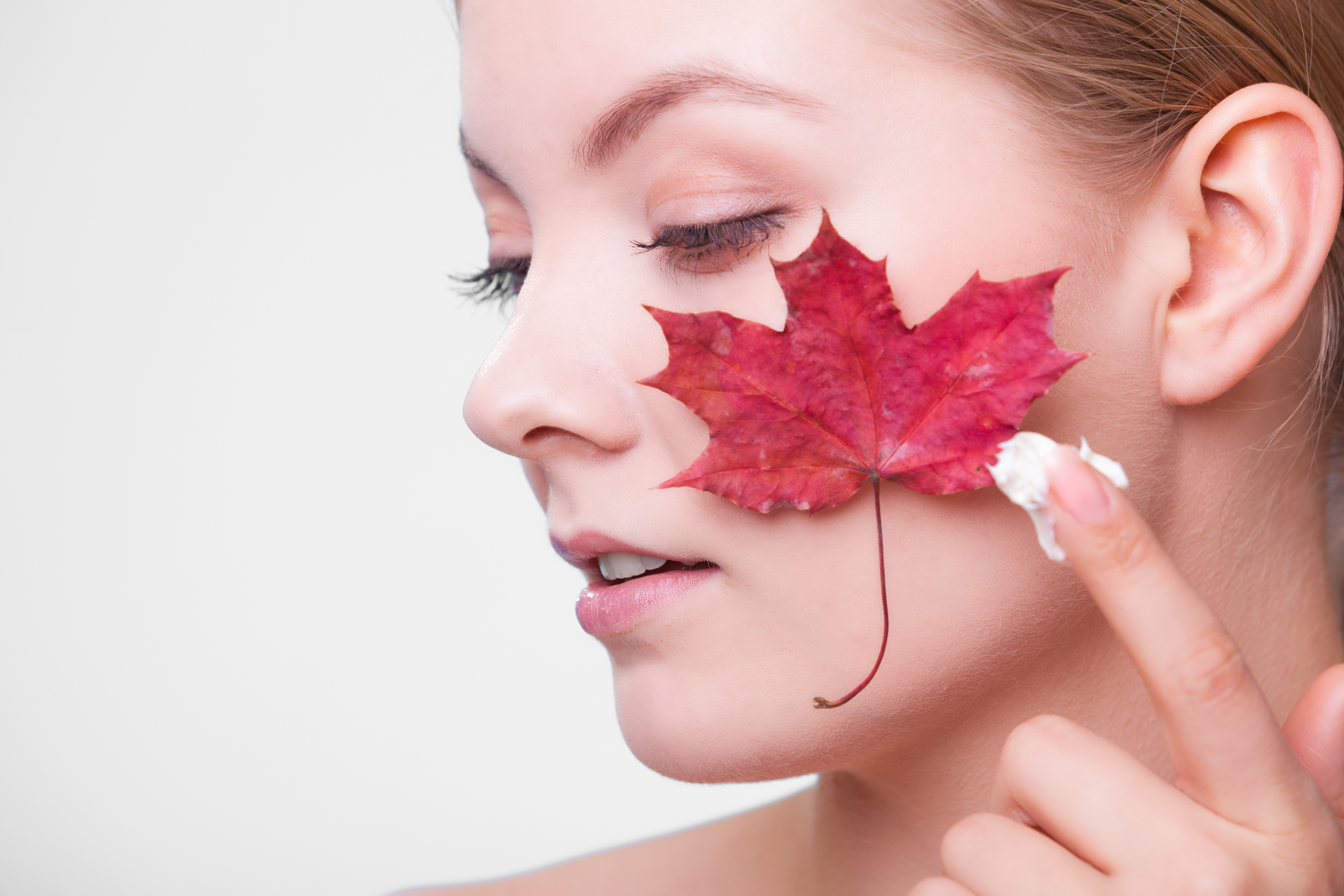
During the summer months, the skin is subjected to high-energy visible (HEV) light, infrared radiation, and UVA/UVB rays. While sunscreen offers critical protection, cumulative exposure often breaches these defenses, triggering melanogenesis—the overproduction of melanin—which manifests as stubborn sun spots, freckles, and general hyperpigmentation. Simultaneously, elevated heat and humidity stimulate hyperactive sebaceous glands, leading to enlarged pores, congestion, and breakouts.
However, the hidden danger of summer is micro-dehydration. While high humidity creates a deceptive sense of skin moisture, excessive air conditioning and frequent sun exposure degrade the skin’s lipid barrier, leading to internal water depletion and accelerated collagen degradation.
Phase 2: The Autumn Transition and Reality Check (September – October)
As summer fades into autumn, the accumulated damage becomes glaringly apparent. The skin, no longer masked by a summer tan or bolstered by humid air, begins to reveal compromised elasticity, uneven texture, and dry patches. As ambient temperatures drop, blood vessels constrict to conserve core body heat, reducing microcirculation to the skin’s surface. This reduction in blood flow limits the natural delivery of vital nutrients and oxygen to skin cells, dampening the skin’s natural, healthy glow.
Phase 3: The Resurfacing Window (October – November)
Recognizing this vulnerability, skincare professionals utilize the autumn months as a strategic intervention window. With reduced solar activity, clinicians can safely deploy intensive restorative modalities. Procedures that require strict UV avoidance—such as deep chemical peels, fractionated laser resurfacing, and intense pulsed light (IPL) therapy—become exceptionally viable. During this chronological phase, the skin can heal efficiently in cooler ambient temperatures, setting a resilient baseline before the harsh, hyper-drying conditions of winter arrive.
Supporting Context & Metrics: The Science of Autumn Skin Renewal
A closer look at dermatological data and physiological metrics reveals precisely why transitional weather patterns necessitate a shift in skincare philosophy.
Transepidermal Water Loss (TEWL) Metrics
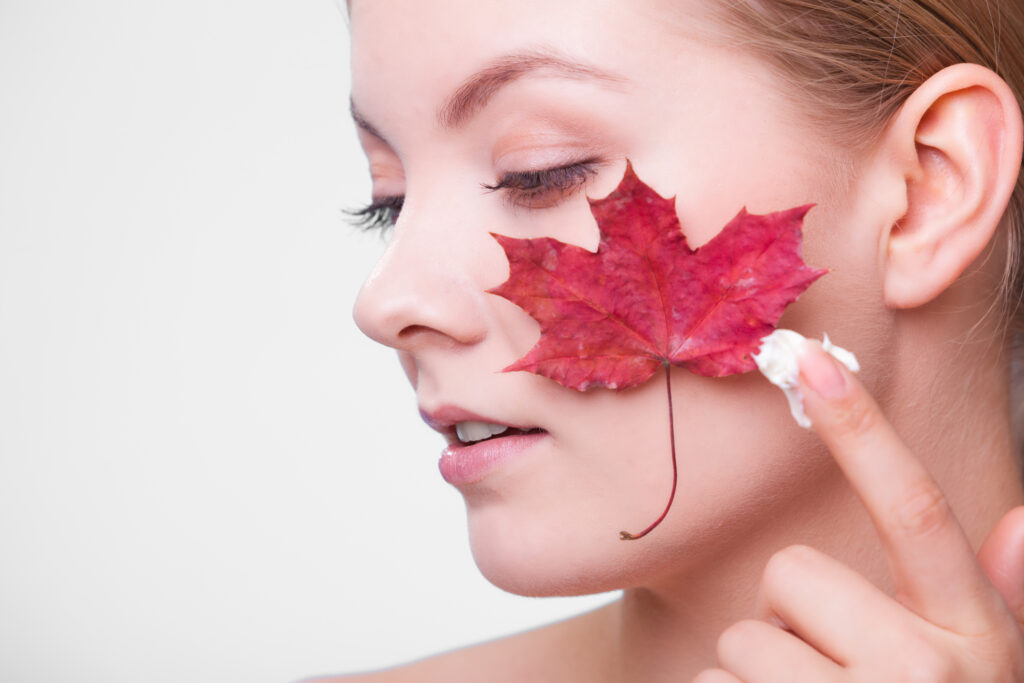
Studies in dermatological science consistently show that when ambient relative humidity drops below 40%—a standard occurrence as autumn weather sets in—the rate of TEWL increases exponentially. Without targeted lipid-replenishing ingredients like ceramides, fatty acids, and squalane, the skin’s stratum corneum (the outermost layer) cracks at a microscopic level. This micro-fissuring not only causes visible flakiness but also compromises the skin microbiome, allowing irritants and pathogens to penetrate more easily.
The Pigmentation Paradox
Melasma and solar lentigines (sun spots) frequently peak in severity at the end of summer. Clinical metrics indicate that melanin clusters formed during peak UV months continue to rise to the skin’s surface well into early autumn. Treating these pigmentary issues requires targeted keratolytic agents (such as alpha-hydroxy acids and retinoids) and specialized clinical lasers. Because UV index values drop significantly between September and November, the risk of rebound hyperpigmentation following these treatments is reduced by up to 60% compared to summer procedures.
The Rise of Professional Intervention
Consumer trend analytics within the wellness and medical aesthetics sectors indicate a sharp 40% surge in bookings for corrective skin treatments beginning in September. Patients increasingly view autumn not as a time to wind down their self-care, but as a critical maintenance period analogous to servicing machinery before a heavy-duty season.
Official Insights & Expert Perspectives
Leading practitioners across the medical aesthetics landscape emphasize that a one-size-fits-all approach to skincare is obsolete. Transitioning from summer to fall requires a customized blueprint tailored to an individual’s unique skin type, lifestyle, and history of sun exposure.
Kur Skin Lab: Tailored Transitional Care
At Kur Skin Lab, the philosophy centers on bespoke skin health that evolves alongside the calendar. Skincare experts at the facility note that the primary mistake individuals make is clinging to lightweight summer gel-hydrators and foaming cleansers as the temperature drops.
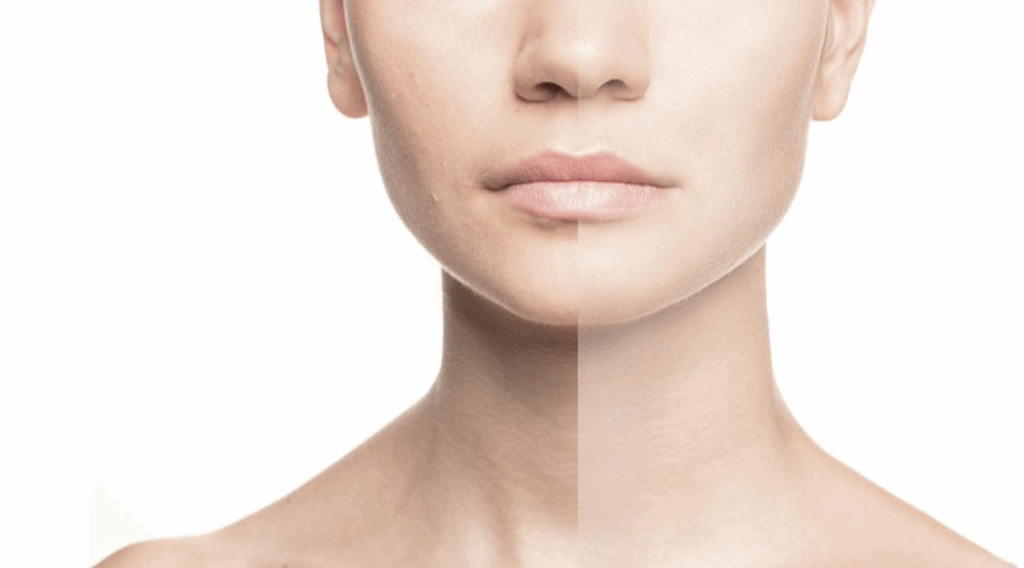
"When the environment shifts, your skin’s biological demands change instantly," notes a leading aesthetician at Kur Skin Lab. "Fall is the time to pivot toward barrier-repairing formulations, richer emulsions, and professional treatments that gently exfoliate summer cellular buildup while infusing deep, long-lasting hydration."
Kur Skin Lab utilizes customized diagnostic consultations to evaluate moisture retention, elasticity, and pigment distribution, ensuring that every guest receives a tailored regimen designed to bridge the gap between summer exhaustion and winter resilience.
Buinewicz Plastic Surgery Cosmetic Medicine & MedSpa: Medical-Grade Restoration
With prominent locations in Doylestown, Pennsylvania, and Flemington, New Jersey, Buinewicz Plastic Surgery Cosmetic Medicine & MedSpa bridges the gap between luxury spa relaxation and advanced clinical science. Led by experienced medical professionals, the practice advocates for aggressive yet safe rejuvenation protocols during the autumn months.
"Patients often come to us post-summer with complaints of rough texture, fine lines that appear more pronounced due to dehydration, and stubborn sun damage," explains the clinical team at Buinewicz. "Autumn gives us the clinical green light to utilize advanced laser resurfacing, precision chemical peels, and medical-grade microdermabrasion. These modalities clear away damaged surface cells and stimulate collagen synthesis from within, ensuring the skin is structurally fortified for the months ahead."
By combining physician-supervised medical aesthetics with individualized skincare education, locations like the Flemington MedSpa and the Doylestown facility empower patients to take control of their skin’s long-term health trajectory.
Future Outlook: The Evolution of Seasonal Wellness
Looking ahead, the intersection of wellness travel, clinical aesthetics, and preventative healthcare points toward an increasingly holistic approach to skincare. The old paradigm of reacting to skin crises (such as severe winter dryness or sudden summer sunburns) is rapidly being replaced by a proactive, seasonal periodicity.
1. Integration of Advanced Diagnostics
Future skincare protocols will increasingly rely on artificial intelligence (AI) imaging and digital skin mapping at the start of every astronomical season. Facilities are beginning to adopt diagnostic tools that measure subsurface sun damage, porphyrin levels, and hydration scores before a single product is recommended, taking the guesswork out of transitional skincare.
2. Barrier-Centric Formulations
The cosmetic chemistry landscape is shifting decisively toward biomimetic formulations. Future autumn skincare routines will feature advanced lipid delivery systems that mimic the skin’s natural sebum composition, fortifying the barrier against fluctuating urban pollution and dropping temperatures.
3. Holistic Aesthetic Ecosystems
As consumers demand more comprehensive wellness experiences, destinations like Spafinder continue to champion the synergy between mental relaxation and physical skin health. Stress is a well-documented catalyst for inflammatory skin conditions like eczema, rosacea, and adult acne. By combining stress-reducing spa therapies with advanced clinical treatments, modern wellness hubs offer a truly 360-degree approach to aging gracefully and maintaining skin vitality.
Conclusion
Autumn is far more than a transition between warm and cold weather—it is a biological reset button. By acknowledging the toll that summer elements take on our dermal layers and responding with targeted professional care, we can reverse environmental damage and cultivate a resilient, luminous complexion.
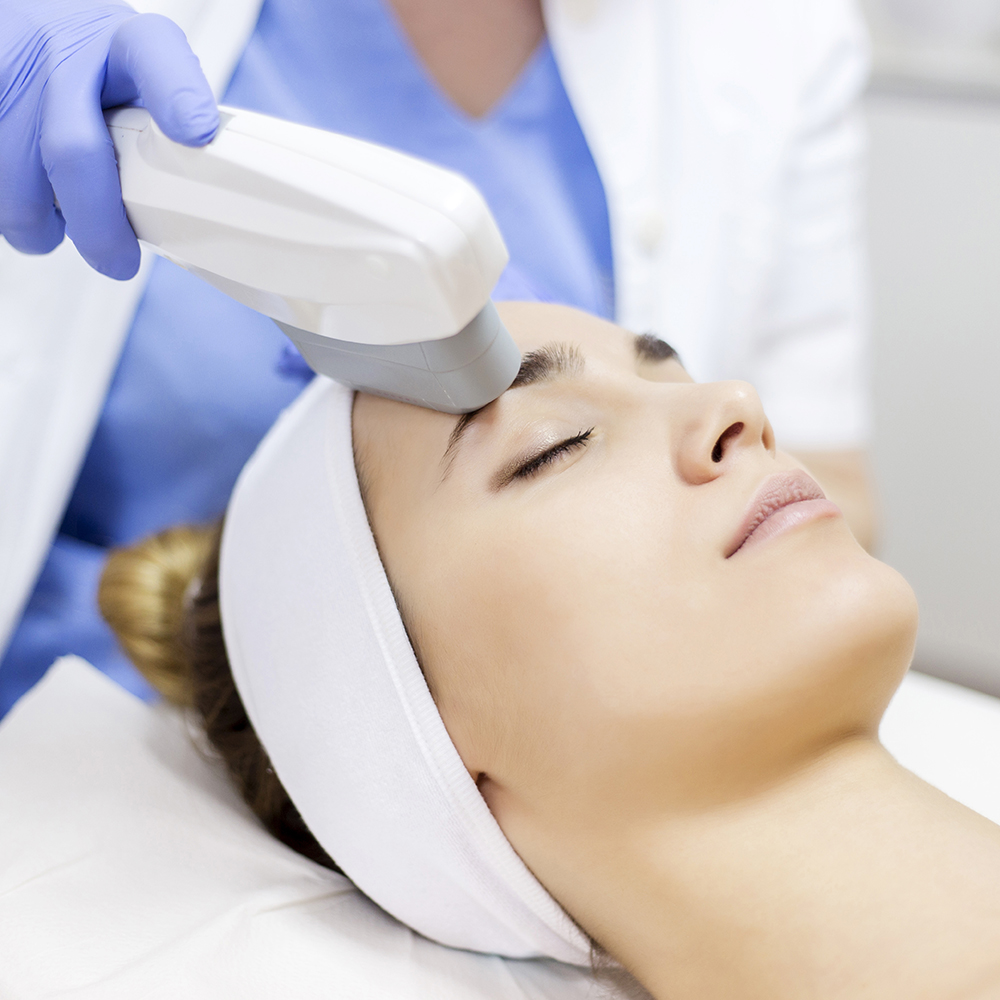
Whether you choose to restore your skin’s equilibrium through the personalized facials at Kur Skin Lab, explore advanced laser rejuvenation at Buinewicz Plastic Surgery Cosmetic Medicine in Doylestown, PA, or indulge in clinical-grade skin resurfacing at the Buinewicz Plastic Surgery MedSpa in Flemington, NJ, the path to radiant skin is clear. Embrace the season of change, adapt your regimen, and allow your healthiest, most vibrant skin to emerge this autumn.