As global climate mechanisms face increasing scrutiny and the race to achieve net-zero emissions accelerates, the demand for transparent, high-integrity carbon offsetting has never been more urgent. On December 17, 2025, Sustainable Travel International officially released its fourth and final Climate Impact Portfolio of the year. This milestone offering encompasses seven meticulously vetted carbon offset and environmental restoration projects deployed across the globe.
Spanning forestry, renewable energy, blue and teal carbon ecosystems, and cutting-edge climate technology, Portfolio 4 of 2025 is designed not merely to sequester carbon dioxide equivalents ($textCO_2texte$), but to generate profound, quantifiable co-benefits for biodiversity, local communities, and sustainable economic development. By addressing the root socio-economic drivers of environmental degradation—such as endemic poverty, energy poverty, and unregulated resource extraction—this portfolio represents a holistic blueprint for 21st-century conservation.
1. THE ARCHITECTURE OF PORTFOLIO 4: STRATEGIC ALLOCATION
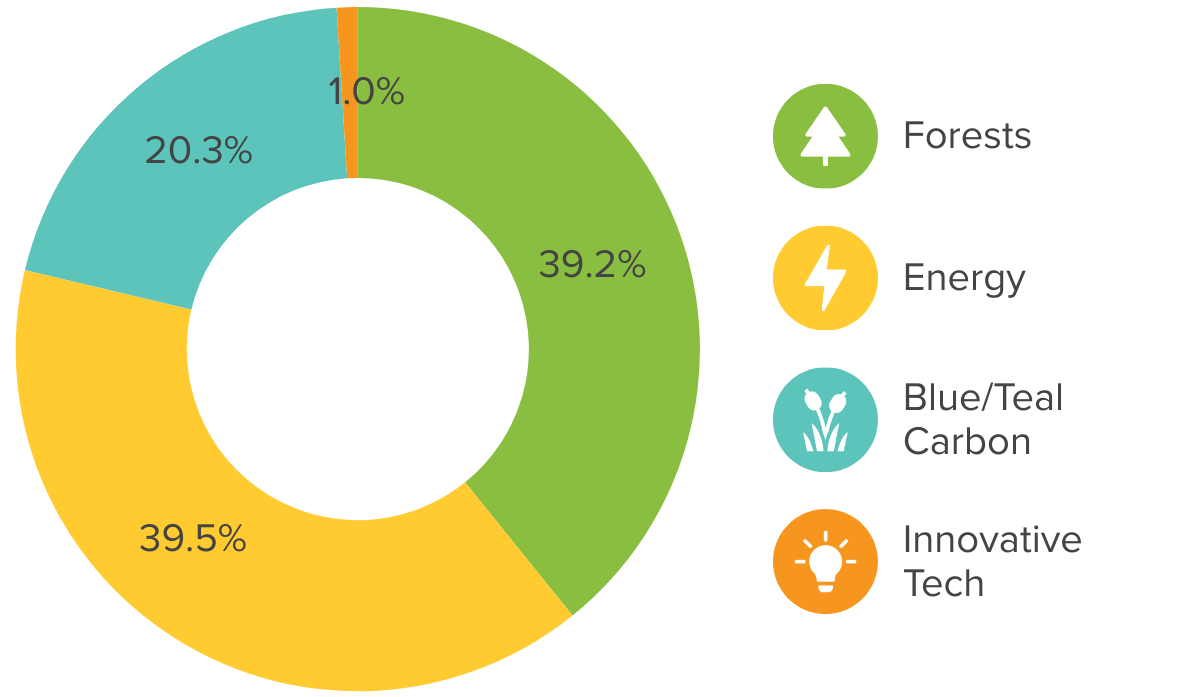
To maximize climate resilience and ensure risk diversification, Sustainable Travel International has distributed the carbon offsets purchased under Portfolio 4 across four distinct environmental asset classes. This multi-pronged methodology recognizes that no single climate intervention can reverse ecological collapse; rather, a synergistic approach is required.
Project Breakdown and Geographic Distribution
The portfolio comprises seven distinct initiatives strategically located across varied ecological and socio-political landscapes:
Sargassum Recovery for Clean Coasts (Mexico) – Innovative Tech / Blue Carbon Interventions
Valle Paleazza Restoration (Italy) – Blue/Teal Carbon Ecosystems
Keo Seima Wildlife Sanctuary (Cambodia) – Forestry Conservation
Garo Clean Cookstoves Initiative (India) – Renewable Energy & Efficiency
Khalladi Wind Farm (Morocco) – Renewable Energy Infrastructure
Yaeda-Eyasi Landscape (Tanzania) – Forestry & Indigenous Land Rights
Rimba Raya Biodiversity Reserve (Indonesia) – Blue Carbon & Peatland Conservation
Quantifying the Global Impact in Numbers
The cumulative environmental and social metrics associated with Portfolio 4 underscore the sheer scale of mobilization achieved through this latest release:
Forest Preservation: Successfully preventing the loss of 1,060,000 acres of carbon-dense, old-growth, and biodiverse forests.
Clean Energy Generation & Efficiency: Generating 296 GWh of clean energy annually while replacing 20,000 inefficient, polluting cookstoves with modern, low-emission alternatives.
Waste Upcycling: Diverting up to 1,440 cubic meters ($textm^3$) of sargassum and organic green waste from landfills every week, transforming environmental hazards into productive agricultural and structural inputs.
Blue & Teal Carbon Safeguarding: Actively protecting and restoring 91,317 acres of critical coastal, marine, and wetland ecosystems, which store carbon at rates vastly superior to terrestrial forests.
2. DETAILED CHRONOLOGY AND PROJECT PROFILES
A granular examination of the seven initiatives reveals how global carbon finance translates into localized, on-the-ground transformation.
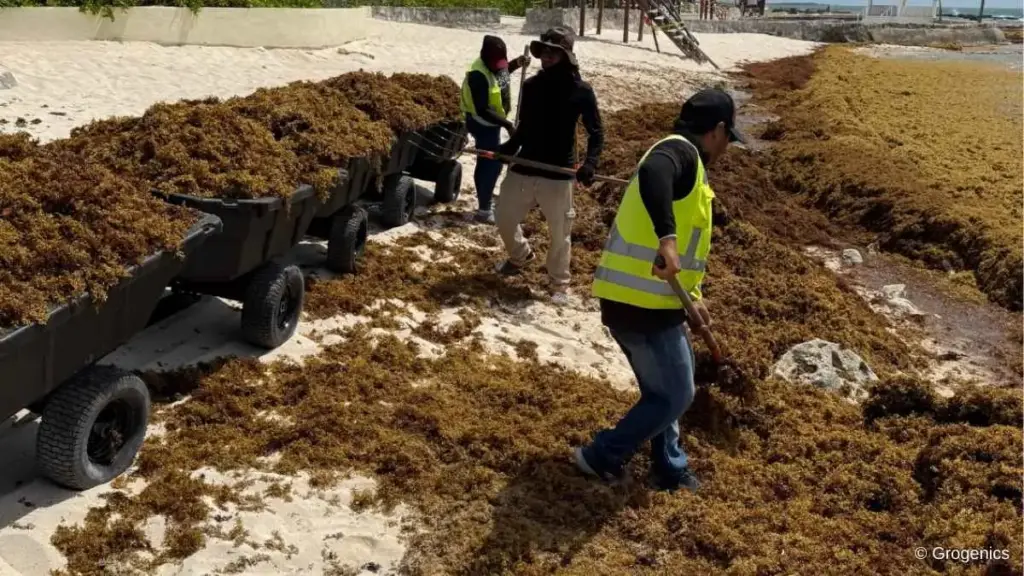
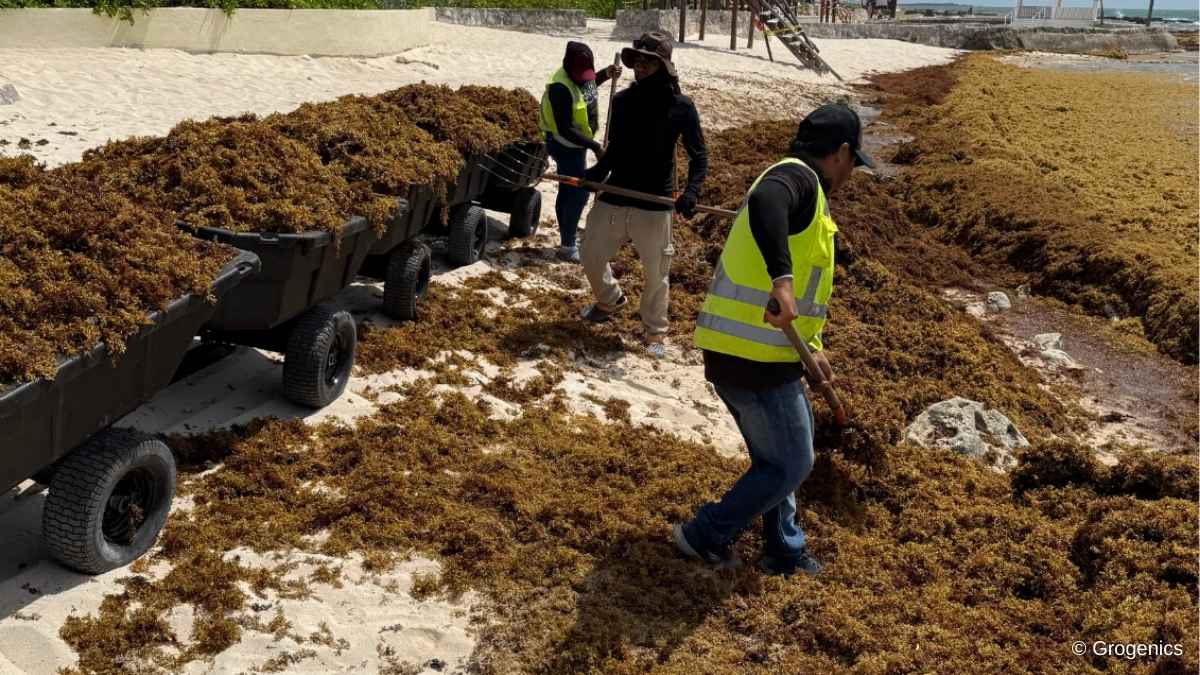
The white-sand beaches and turquoise waters of Mexico’s Riviera Maya have faced an unprecedented ecological crisis in recent years: massive, recurring influxes of pelagic sargassum seaweed. Driven by ocean warming and agricultural runoff, these rotting mats wash ashore in suffocating volumes. As the sargassum decomposes on beaches, it releases toxic hydrogen sulfide gas, kills nesting sea turtles, chokes delicate coral reefs, and paralyzes the region’s vital tourism economy.
This project deploys low-impact, manual and mechanical collection methods to remove sargassum directly from resort shorelines before decomposition sets in. Rather than dumping this organic mass into local landfills—where it would leach toxins and generate methane—the project upcycles the harvested seaweed into high-value products: biochar, nutrient-rich compost, and erosion-control shoreline materials. Furthermore, the initiative generates local green jobs and partners with women-led agricultural cooperatives, supplying sustainably grown local produce directly back to hotel culinary menus.
II. Valle Paleazza Restoration (Italy)
Portfolio Allocation: 5.6%
Asset Class: Blue and Teal Carbon
Geographic Focus: Venice Lagoon, Italy
The Challenge and the Solution
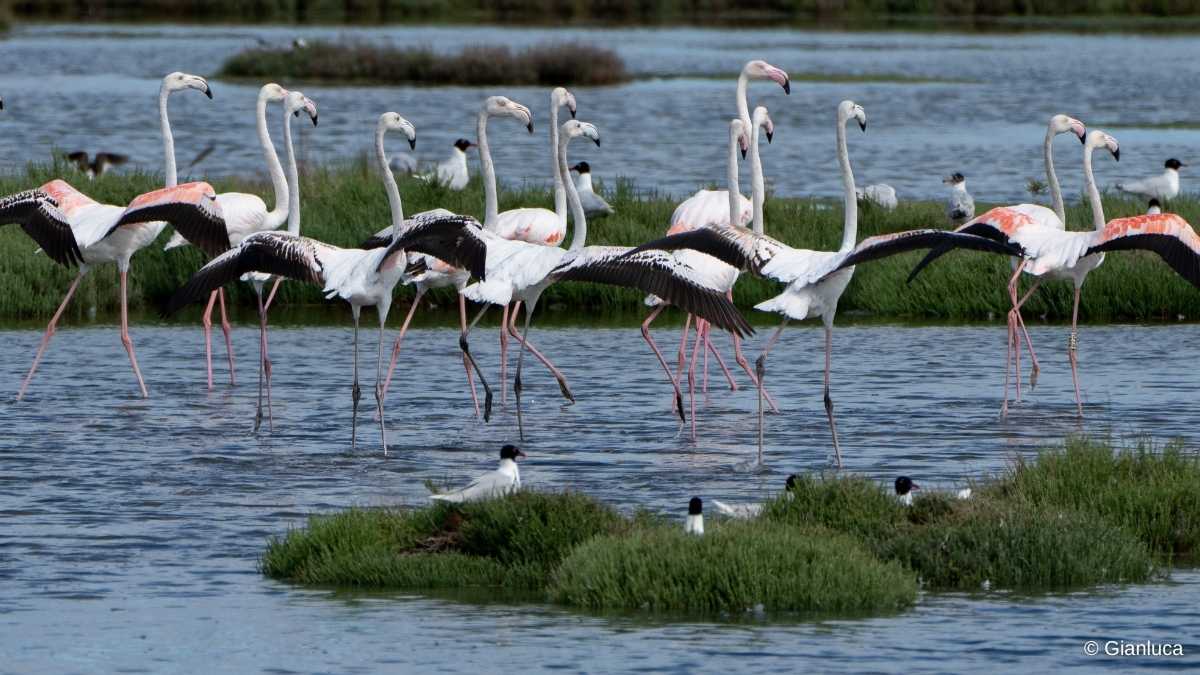
The Venice Lagoon is an internationally celebrated cultural and ecological treasure, yet its historic fishing valleys (valli da pesca) have long suffered from degradation, industrial pressures, and rising sea levels. The Valle Paleazza project focuses on restoring these centuries-old enclosures using traditional water management techniques combined with modern ecological science.
By revitalizing blue carbon habitats—saltmarshes, mudflats, and reed beds—the project enhances the lagoon’s capacity to sequester carbon while simultaneously functioning as a vital nursery for marine fish and a sanctuary for migratory birds. The restoration work stabilizes local shorelines, buffers low-lying communities against severe storm surges and coastal flooding, and safeguards traditional aquaculture livelihoods.
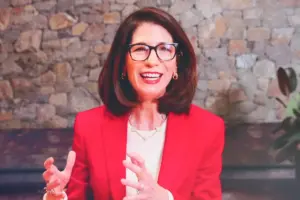
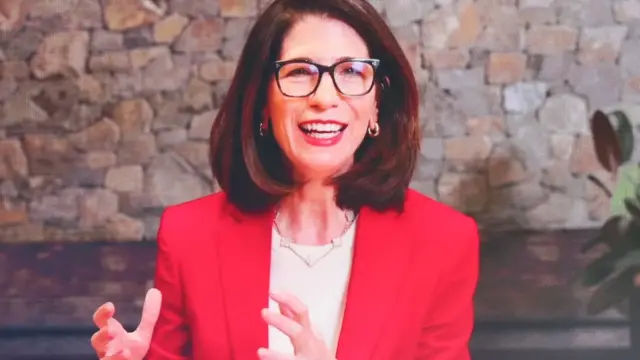
Recent Field Updates: Sustainable Travel International CEO Paloma Zapata recently conducted a field visit to Valle Paleazza to inspect the restoration work firsthand. Accompanied by site custodian Antonio Capadaglio, Zapata and the team engaged in planting native vegetation along canal edges. These living shorelines are engineered to naturally regulate water temperatures, mitigate bank erosion, and provide stability to the delicate wetland ecosystem.
III. Keo Seima Wildlife Sanctuary (Cambodia)
Portfolio Allocation: 34.7%
Asset Class: Forestry Conservation
Geographic Focus: Mondulkiri and Kratie Provinces, Cambodia
The Challenge and the Solution
Covering a massive expanse of tropical forest, the Keo Seima Wildlife Sanctuary is an irreplaceable sanctuary of biodiversity and a ancestral homeland for the Indigenous Bunong people. Historically, the area faced intense pressure from illegal logging, speculative land-clearing for industrial agriculture, and subsistence poaching driven by rural poverty and food insecurity.
The Keo Seima project addresses these threats by combining robust anti-poaching law enforcement with community-based resource management. It directly tackles the root drivers of deforestation by investing carbon revenues into local socio-economic development, securing land tenure for Indigenous groups, and creating sustainable alternative livelihoods.
Recent Field Updates & Milestones:
EmpowerED Program: Ten Indigenous Bunong students were awarded full university scholarships, opening pathways for higher education and professional leadership within the community.
Cash for Communities (C4C): Following comprehensive consultations across 20 villages, the C4C program—funded entirely through carbon revenues—has distributed nearly $2 million toward vital community infrastructure, including schools, clean water wells, and healthcare clinics, with an additional $1 million formally committed for the 2026 fiscal year.
Ecological Recovery: Biodiversity monitoring confirmed the successful fledging of three critically endangered Giant Ibis chicks and the rescue and rehabilitation of a rare stump-tailed macaque. Crucially, these conservation gains are supported by specialized human rights training for park rangers, ensuring that law enforcement is carried out equitably and strengthens trust with local stewards.
IV. Garo Clean Cookstoves Initiative (India)
Portfolio Allocation: 5.7%
Asset Class: Renewable Energy / Energy Efficiency
Geographic Focus: Garo Hills, Meghalaya, India
The Challenge and the Solution
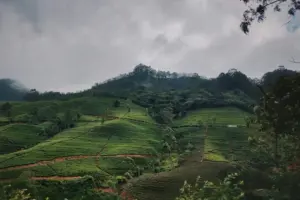
The Garo Hills region in northeastern India is celebrated for its rugged topography, dense subtropical forests, and rich tribal heritage. However, an overwhelming majority of rural households rely on traditional, open-fire wood stoves for daily meal preparation. This practice exacts a devastating toll: indoor air pollution causes chronic respiratory and cardiovascular illnesses (predominantly affecting women and children), time-consuming firewood collection limits educational and economic opportunities, and unsustainable timber harvesting drives local forest degradation.
The Garo Clean Cookstoves project replaces antiquated cooking setups with modern, high-efficiency cookstoves and solar-powered electrical pressure cookers (EPCs). These units drastically reduce firewood consumption, slash indoor toxic emissions, and cut cooking times in half.
Recent Field Updates & Milestones: Recent programmatic expansions have placed gender equity at the forefront of the initiative. A specialized vocational training program successfully equipped 25 local women with certified solar technician credentials, providing hands-on training in photovoltaic assembly and career counseling. By transitioning households to solar-powered cooking and empowering women as green-economy entrepreneurs, the project is simultaneously advancing public health, climate resilience, and gender equality.
V. Khalladi Wind Farm (Morocco)
Portfolio Allocation: 33.8%
Asset Class: Renewable Energy Infrastructure
Geographic Focus: Northern Morocco (Near Tetouan and Chefchaouen)
The Challenge and the Solution
Morocco’s northern coastal region is globally renowned for its historic medinas, scenic landscapes, and cultural landmarks such as the UNESCO-listed city of Tetouan and the famous "Blue City" of Chefchaouen. Historically, however, the broader nation has been heavily dependent on imported fossil fuels to meet its surging electricity demands, resulting in high carbon intensity and acute energy vulnerability.
The Khalladi Wind Farm directly addresses this vulnerability by harnessing the region’s powerful coastal winds to inject massive quantities of clean, renewable electricity into the national grid. Beyond its macro-level decarbonization impact, the project operates under a robust corporate social responsibility framework, channeling funds into local rural infrastructure, educational grants, healthcare access, and regional employment opportunities.
VI. Yaeda-Eyasi Landscape Conservation (Tanzania)
Portfolio Allocation: 4.5%
Asset Class: Forestry & Indigenous Land Rights
Geographic Focus: Rift Valley, Tanzania
The Challenge and the Solution
The Yaeda Valley in northern Tanzania is the ancestral home of the Hadza hunter-gatherers and the Datooga pastoralists. This arid and semi-arid dryland forest landscape faces severe external threats, primarily from agricultural encroachment as external farmers convert vital wildlife corridors and forested tracts into unsustainable croplands.
The Yaeda-Eyasi project pioneered a groundbreaking model of Indigenous-led conservation. By legally securing communal land rights and providing direct financial incentives tied to verified forest protection, the project empowers local communities to act as the primary guardians of their landscape.
Recent Field Updates & Milestones:
Community Reinvestment: Carbon revenues have been strategically reinvested into localized microfinance initiatives and specialized business training programs tailored for women entrepreneurs. Additionally, the project established the Hadza Media Center, dedicated to documenting, archiving, and celebrating hunter-gatherer cultural traditions.
Global Advocacy: The project’s unprecedented success took center stage at the United Nations Climate Change Conference (COP). Project Manager German Sedoyeka, an esteemed leader from the Datooga community, addressed global delegates, emphasizing that true climate justice requires placing land tenure and Indigenous leadership at the very heart of international carbon markets.
VII. Rimba Raya Biodiversity Reserve (Indonesia)
Portfolio Allocation: 14.7%
Asset Class: Blue Carbon / Peatland & Forest Conservation
Geographic Focus: Indonesian Borneo (Kalimantan)
The Challenge and the Solution
The Rimba Raya Biodiversity Reserve encompasses a vast, highly endangered tropical peat swamp forest in Indonesian Borneo. Prior to its establishment as a protected reserve, the land was officially slated for clear-cutting and conversion into industrial palm oil plantations.
Indonesian peatlands are among the most carbon-dense ecosystems on Earth; when drained and cleared, they release cataclysmic volumes of stored carbon dioxide into the atmosphere. Rimba Raya halts this destruction while simultaneously preserving the natural habitat of the critically endangered Bornean orangutan. The project tackles the root socioeconomic drivers of deforestation—such as poverty, malnutrition, and a lack of access to basic healthcare and education—transforming surrounding villages into active partners in conservation.
3. SUPPORTING CONTEXT AND METHODOLOGICAL INTEGRITY
The release of Portfolio 4 arrives at a critical juncture for the voluntary carbon market (VCM). As corporate buyers and regulatory bodies demand increasingly stringent proof of additionality, permanence, and co-benefit verification, Sustainable Travel International continues to enforce rigorous screening protocols for all included projects.
The Multi-Tiered Verification Framework
Every project featured in Portfolio 4 undergoes independent third-party auditing against globally recognized certification standards (such as Verra’s VCS, the Climate, Community & Biodiversity [CCB] Standards, and Gold Standard). These audits verify that:
Additionality: The emission reductions or removals would not have occurred "business-as-usual" without the financial stimulus provided by carbon credit purchases.
Permanence: Mechanisms are in place to insure against reversal risks, such as accidental forest fires or political instability (e.g., buffer pools and community stewardship agreements).
Leakage Mitigation: Projects account for and actively prevent the displacement of destructive activities to adjacent geographic zones.
Co-Benefit Quantification: Beyond carbon metrics, projects are rigorously evaluated on their contributions to the United Nations Sustainable Development Goals (SDGs), particularly regarding gender equality (SDG 5), decent work (SDG 8), climate action (SDG 13), and life on land/water (SDGs 14 and 15).
4. FUTURE OUTLOOK: THE ROAD AHEAD FOR CLIMATE FINANCE
As Sustainable Travel International looks beyond 2025, the trajectory of its Climate Impact Portfolios points toward an increasingly sophisticated integration of technology, community stewardship, and ecological restoration.
The inclusion of innovative technological solutions—such as sargassum-derived biochar in Mexico—signals a vital pivot toward approaches that capture carbon while simultaneously resolving pressing municipal and environmental waste crises. Simultaneously, the profound successes documented in Keo Seima, Yaeda-Eyasi, and the Garo Hills reinforce an immutable lesson: authentic climate action cannot be decoupled from social justice.
By empowering Indigenous peoples, elevating women as green-economy leaders, and preserving irreplaceable blue and teal carbon sinks, Portfolio 4 of 2025 serves as more than a compliance mechanism or a voluntary offsetting tool. It stands as a pragmatic, living model of how global capital can be channeled directly to the frontlines of ecological stewardship—proving that a net-zero future is inextricably linked with human dignity, biodiversity preservation, and community empowerment.