Published: August 7, 2026 Author: Gear Desk Analysis Team
There is no singular "best" mountain bike tire on the market; rather, rubber selection is an exercise in compromise, physics, and terrain matching. Selecting the ideal setup requires evaluating the delicate balance between rolling resistance, puncture protection, weight, and grip. While cross-country (XC) racers prioritize featherlight efficiency and low-profile speed, aggressive trail, enduro, and downhill riders demand heavy-duty casings and sticky compounds capable of absorbing high-velocity impacts.
Furthermore, wheel placement dictates tread design. Front tires require taller, more aggressive shoulder lugs to handle the lion’s share of braking forces and cornering traction. Conversely, rear tires benefit from faster-rolling, densely packed tread patterns to optimize pedaling efficiency under the rider’s weight.
To navigate the expanding ecosystem of tire technology—highlighted by breakthroughs like Schwalbe’s new Radial casings—industry testers spent eight months pushing the latest rubber through some of North America’s most punishing environments. From the slick, wet loam of Bellingham, Washington, to the abrasive, square-edged red rock of Sedona, Arizona, this comprehensive review explores the standout tire pairings of 2026, breaking down how engineering choices directly impact performance on the trail.
Detailed Chronology: The Eight-Month Testing Pipeline
To deliver an authoritative assessment of the 2026 market, the testing initiative followed a rigorous, multi-phase timeline across distinct geographical regions and seasonal weather patterns.
Phase 1: Late Fall 2025 – Wet-Weather Trials (Bellingham, Washington)
Testing commenced in the steep, heavily forested terrain of the Pacific Northwest. Testers targeted slick roots, off-camber rock slabs, and deep, saturated loam. This phase was specifically designed to evaluate low-temperature rubber compound performance, mud-clearing capabilities, and wet-weather braking confidence. Tires like Schwalbe’s Ultra Soft compounds underwent intense scrutiny to see how they adhered to slick surfaces without folding under high cornering loads.
Phase 2: Winter to Early Spring 2026 – Desert Torture Tests (Sedona, Arizona & La Ventana, Baja)
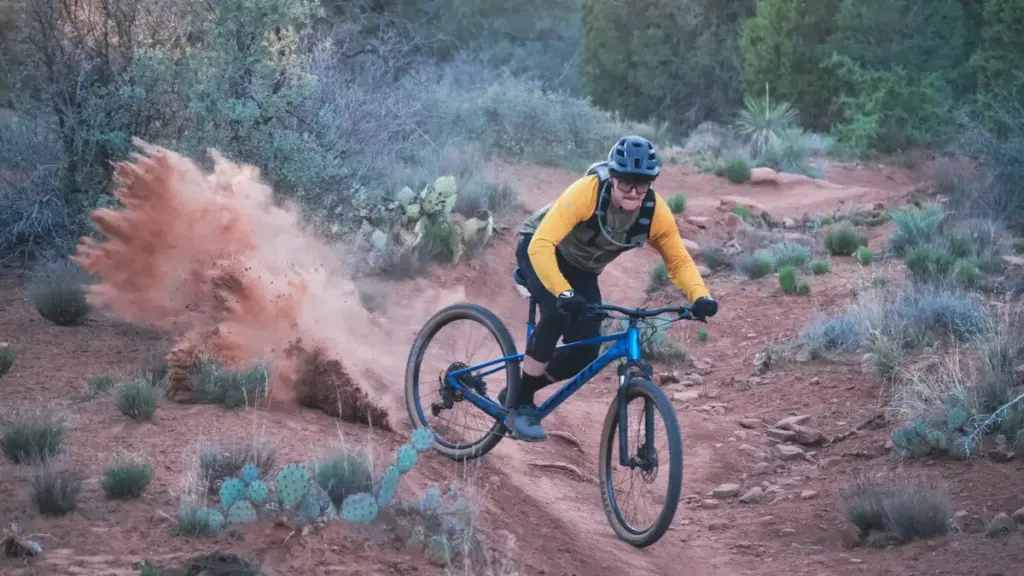
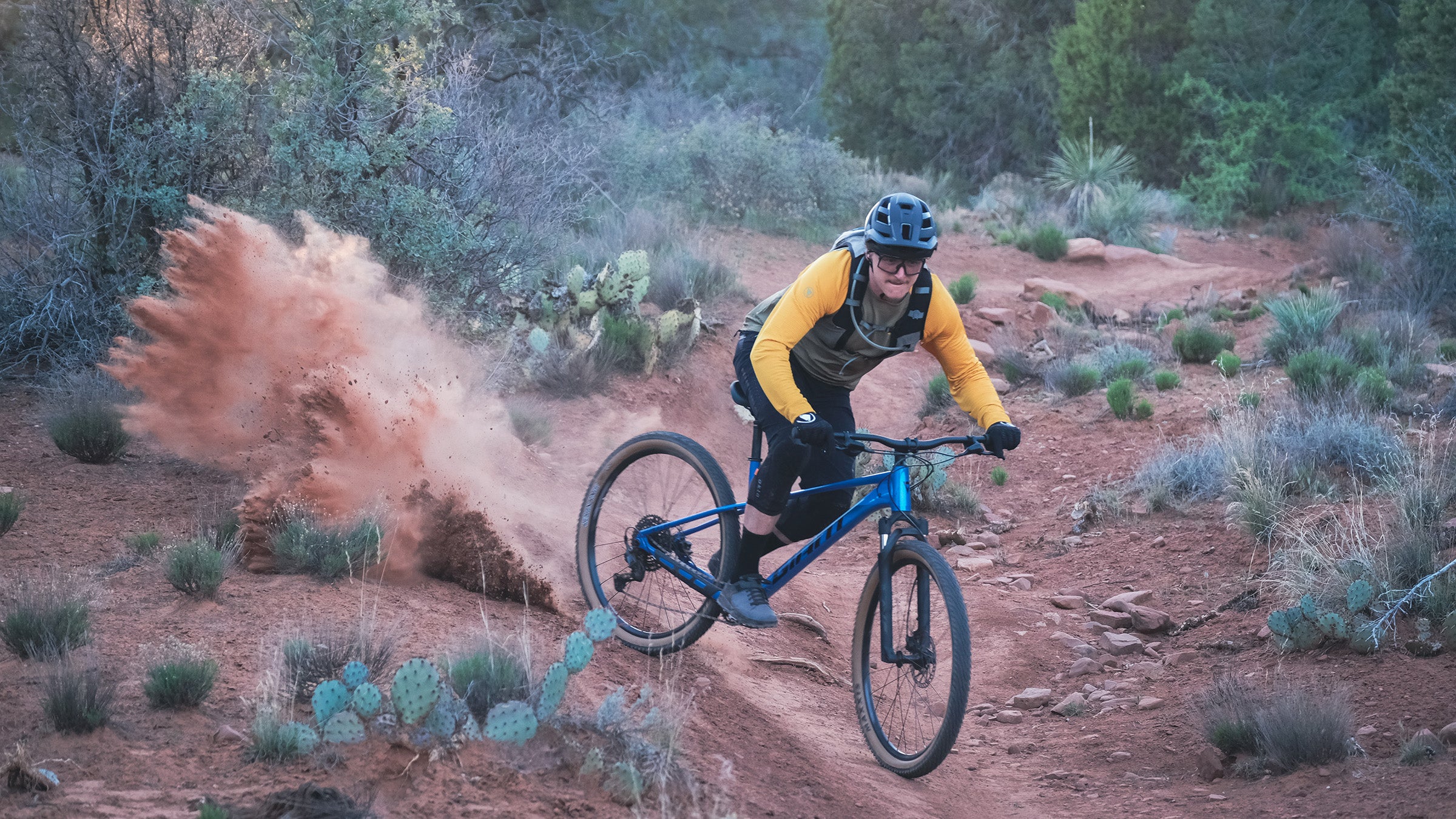
As winter set in, the testing fleet relocated to the sharp, abrasive sandstone of Sedona and the loose, punishing dirt of Baja. This phase focused on sidewall integrity, impact resistance, and tread wear. Riding over high-penalty rock ledges and cactus-strewn singletrack quickly separated fragile XC casings from robust enduro constructions. It was here that casing options like Maxxis EXO+ versus DoubleDown were pushed to their structural limits.
Phase 3: Late Spring to Summer 2026 – High-Speed Hardpack (Hood River, Oregon)
The final leg of testing took place on the fast, exposed, and dusty singletrack of Hood River. As temperatures climbed and trails dried into hardpacked speedways, testers assessed rolling efficiency, high-frequency vibration damping, and predictability when sliding through loose-over-hard cornering conditions. Across all phases, testers averaged 2,000 vertical feet of climbing per ride, compiling thousands of miles of real-world data.
Supporting Context & Metrics: The Top Tire Setups of 2026
Following extensive field evaluations, four distinct tire combinations emerged as categorical leaders.
Schwalbe’s introduction of a radial casing architecture represents a generational leap in tire engineering. Unlike traditional diagonal-cord casings, the radial construction allows the tire sidewall to deform over obstacles in a way that mutes high-frequency trail chatter—mimicking the plush feel of swapping an air shock for a coil setup.
In the wet loam of Bellingham, the Ultra Soft Magic Mary front tire acted as a performance multiplier, clawing into off-camber roots and wet rock with absolute authority. The Albert Radial out back provided predictable braking traction on steep descents. However, this level of performance comes with trade-offs. Weighing roughly 1,400 grams per tire in the Gravity casing, climbing a 2,000-foot ascent feels akin to dragging an anchor, especially on dry fire roads. Furthermore, because the radial casing is exceptionally supple, riders must run slightly higher PSI to stabilize the sidewalls and protect carbon rims.
2. Best for Aggressive Trail Riding: Maxxis High Roller 3 & Dissector
Positioned conceptually between the Assegai and the Shorty, the High Roller 3 is an aggressive trail weapon. The 3C MaxxGrip compound glued testers to exposed red rock slabs in Sedona, inspiring immense confidence on high-consequence lines. Out back, the 3C MaxxTerra Dissector offers notably faster rolling speeds than heavy radial setups, saving energy on extended desert climbs.
Casing selection is critical here. While the 1,030-gram EXO+ Dissector suffices for moderate trail riding, abrasive, sharp-edged rocks quickly chew through lightweight sidewalls. For rocky environments, testers strongly recommend stepping up to the 1,200-gram DoubleDown casing in the rear for ultimate peace of mind.
3. Best Budget-Friendly Setup: Specialized Butcher (T9) & Eliminator (T7)
Proving that elite performance does not require a triple-digit price tag per tire, the Specialized Grid Trail pairing served as the ultimate workhorse throughout the testing period. The Butcher T9 front tire punches well above its $70 class, utilizing a slow-rebound compound that prevents the front end from deflecting off high-speed chunk.
Out back, the Eliminator T7 balances rapid center-tread rolling speed with dependable cornering support. After 200 miles of aggressive riding through abrasive dirt, the tread showed minimal wear while maintaining predictable edge grip. Though rear braking traction sits a fraction behind competitors like the Maxxis DHR II, its superior rolling efficiency and wallet-friendly price make it an exceptional value.
4. Best for Cross-Country (XC) & Down-Country: Continental Magnotal & Trinotal
For XC and down-country riders seeking technical trail control without sacrificing climbing efficiency, the Continental Magnotal and Trinotal pairing hits the sweet spot. The front Magnotal features tall shoulder lugs for reliable cornering bite in loose soil, while the rear Trinotal (~715g) acts as a speed engine. Its chevron tread clears debris effortlessly while maintaining a rounded, fast-rolling profile.
Because the Trinotal utilizes a lower-profile knob pattern, rear braking power is moderately compromised compared to dedicated gravity tires, but the power-transfer efficiency on climbs easily justifies the compromise. Due to thinner sidewalls on the lighter casing, riders must bump up tire pressure slightly to prevent rim strikes.
Official Industry Insights & Expert Perspectives
The development and testing of modern mountain bike rubber involve deep collaboration between professional riders, gear engineers, and technical journalists. Lead tester Nikki Rohan, a veteran of endurance events like Trans BC and the Downieville Classic, emphasizes that tire choice is fundamentally about matching equipment to intent.
"You can drive a tack with a carpenter’s hammer, but a tack hammer does it better," Rohan notes. "The trick isn’t finding one universal mountain bike tire—it’s picking the precise rubber and casing for the specific patch of dirt sitting directly in front of you."
Fellow lead tester Matt Patterson, a long-time PNW trail builder and gravity racer, highlights the psychological impact of tire confidence.
"When a casing like Schwalbe’s radial design or Maxxis’s DoubleDown absorbs high-frequency chatter and eliminates micro-deflections, it changes how aggressively you can commit to a corner. You stop thinking about whether your tires will hold and start focusing entirely on the line."
Future Outlook: Where Mountain Bike Tire Technology is Headed
As bicycle suspension kinematics and frame geometries continue to evolve, tire manufacturers are pushing past the boundaries of traditional textile weaving and rubber compounding. The commercial breakthrough of radial casing technology in 2026 signals a definitive shift away from stiff, over-built sidewalls as the only solution for impact protection.
In the near future, the industry can expect further refinement in radial architecture—specifically targeting weight reduction to make plush, ground-tracing casings viable for lightweight trail and XC bikes, rather than relegating them solely to heavy gravity rigs. Additionally, sustainable rubber sourcing and eco-friendly compound developments are poised to take center stage as manufacturers look to reduce the environmental footprint of high-performance athletic gear without sacrificing wet-weather traction or durability.
Ultimately, the consumer is the ultimate winner. With an expanding array of specialized treads, puncture-resistant sidewalls, and advanced damping compounds, riders today have more precise tools than ever to customize their ride experience, turning treacherous descents into predictable lines of flow.