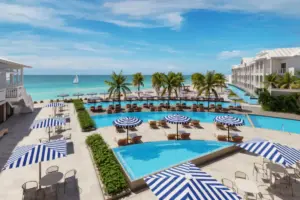
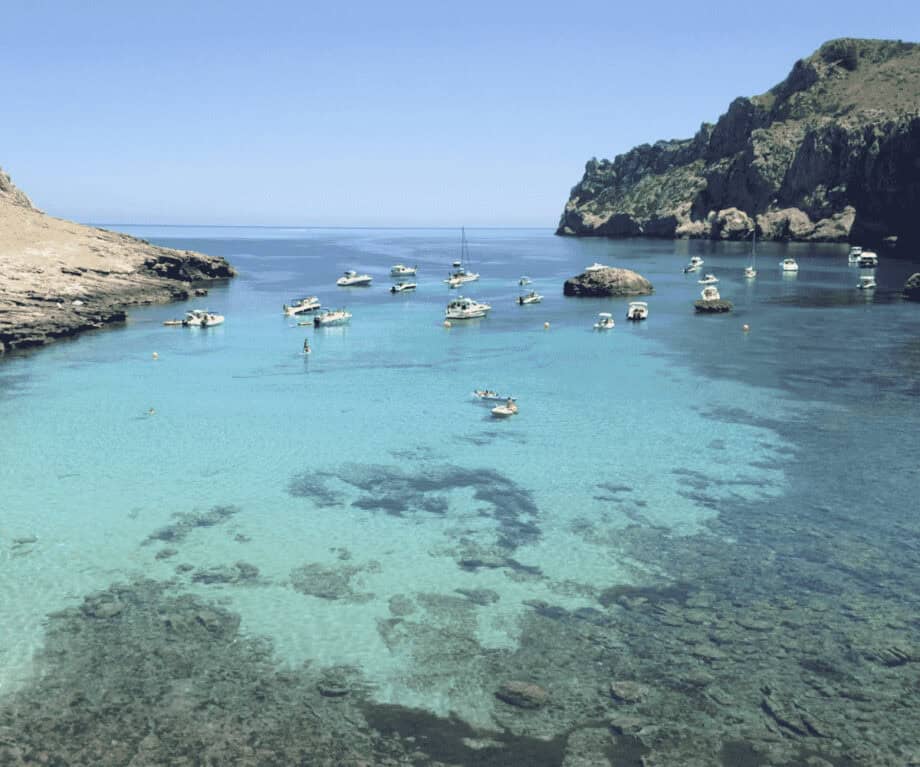
For decades, the global tourism narrative surrounding Mallorca has been tethered to its luminous Mediterranean coastline—a sun-drenched expanse of golden sand, bustling beach clubs, and turquoise waters that welcome millions of international travelers annually. Yet, seasoned travelers and discerning explorers have long recognized a starkly different Mallorca: one defined by the jagged limestone peaks, precipitous cliffs, and centuries-old stone villages of the Serra de Tramuntana.
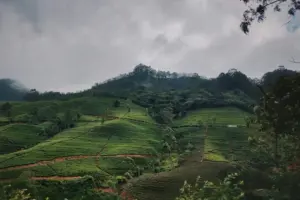
Stretching along the island’s rugged northwestern coast, this UNESCO World Heritage-listed mountain range operates on an entirely different rhythm. Far from the ephemeral hype of package-holiday resorts, the Tramuntana offers a timeless landscape where agricultural terraces built by Moorish inhabitants still cascade down valleys, and villages maintain architectural and cultural integrity preserved over centuries.
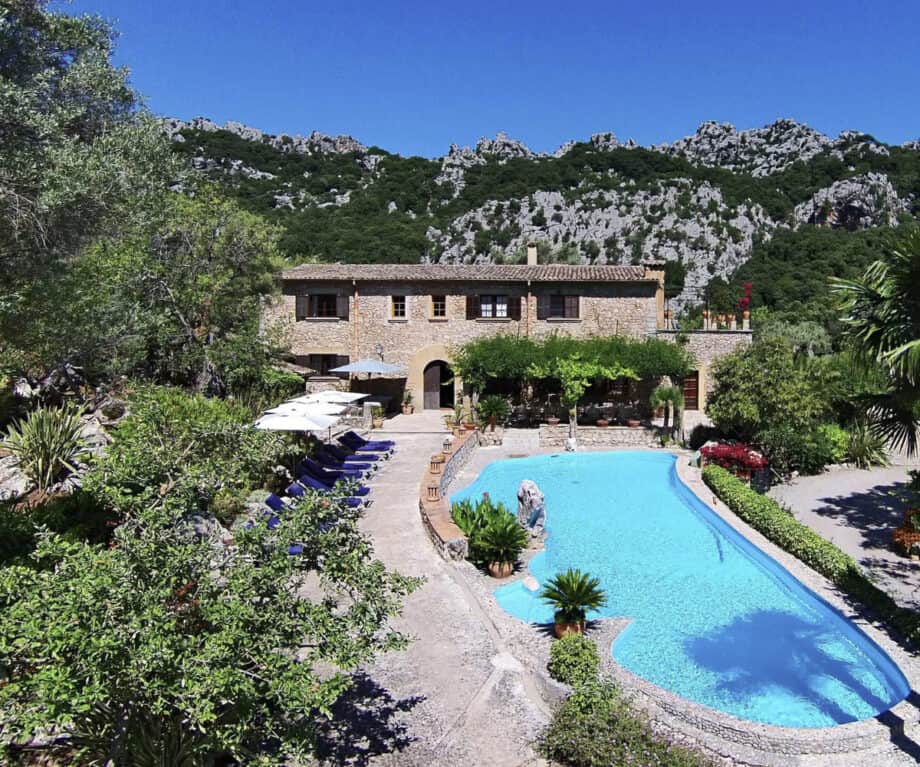
However, unlocking the authentic character of the Tramuntana requires a strategic shift in logistics. Commuting to these remote mountain hamlets from coastal hotels or Palma incurs a heavy toll in time, squandering the early morning tranquility and late-afternoon glow that define the region. Instead, luxury travelers are increasingly turning to curated countryside estates—such as those managed by premier rental portfolios like Privadia—to base themselves directly within the mountain circuit.
This comprehensive report explores the three crown jewels of the Tramuntana range—Deià, Valldemossa, and Fornalutx—providing an authoritative guide to their unique cultural heritage, culinary landscape, logistical realities, and the transformative impact of countryside villa living.
Detailed Chronology & Historical Evolution of the Tramuntana Villages
To fully appreciate the architectural layout and cultural fabric of the Serra de Tramuntana, one must trace the historical forces that shaped human settlement along this punishing, vertical coastline.
Deià: The Sanctuary of Poets and Painters
Perched dramatically on a steep hill overlooking the Mediterranean, Deià’s contemporary identity as an international bohemian enclave traces its roots back nearly a century.
1929: The legendary English poet and novelist Robert Graves arrived in Deià, seeking solitude and inspiration. His relocation permanently altered the village’s trajectory, transforming it from an isolated agricultural and fishing community into a magnet for international writers, painters, and musicians. Graves lived, worked, and eventually passed away in the village; his grave rests quietly in the hilltop cemetery beside the historic Sant Joan church, while his former home on the periphery operates as a meticulously preserved museum.
Mid-to-Late 20th Century: Following Graves’ footsteps, wave after wave of European artists, actors, and intellectuals established roots in Deià, fostering an artisanal culture that persists today. Unlike commercialized tourist hubs, Deià’s boutiques and galleries are largely operated by resident artists whose output surpasses standard Mediterranean souvenir fare.
The Present Era: Today, Deià balances its literary heritage with a vibrant culinary and musical scene, anchored by institutions like the annual Deià International Music Festival, which utilizes historic outdoor amphitheatres and estates throughout the summer months.
Valldemossa: Royal Monasteries and Romantic Tumult
Located deeper within a verdant mountain basin, Valldemossa’s history is inextricably linked to royal patronage, religious architecture, and one of the most famous—and tempestuous—sojourns in romantic history.
The Carthusian Era: Long before international tourism, the dominant architectural presence in Valldemossa was the Royal Carthusian Monastery (Real Cartuja). Originally a royal residence before being handed over to Carthusian monks in the 15th century, the complex underwent multiple structural evolutions reflecting royal, monastic, and municipal chapters.
The Winter of 1838–1839: Valldemossa achieved international literary and musical immortality when composer Frédéric Chopin and French novelist George Sand spent a freezing winter renting a monastic cell within the complex. Seeking a warm climate for Chopin’s failing health, the pair instead encountered unseasonably harsh weather, local suspicion regarding their unmarried status, and a worsening of Chopin’s tuberculosis. Yet, out of this isolation came artistic mastery: Chopin composed several of his immortal Preludes, while Sand penned A Winter in Majorca—a scathing, uncompromising critique of the island’s isolationist society at the time. Today, visitors can tour their preserved cell and view the original piano.
The Cult of Santa Catalina Thomás: Valldemossa is also the birthplace of Mallorca’s beloved patron saint, Santa Catalina Thomás. The village homes maintain a unique tradition of displaying hand-painted ceramic tiles depicting her image across their facades, creating an open-air gallery of folk devotion.
Fornalutx: The Golden Stone of the Solleric Valley
Tucked away in the fertile valley above Sóller, Fornalutx represents a masterclass in architectural preservation.
The Medieval Foundation: Dating back over a thousand years, Fornalutx’s origins trace to Moorish agricultural settlements that engineered the complex system of stone-terraced irrigation channels still visible today. Following the Catalan conquest in the 13th century, the village took on its current Christian-Catalan structural identity, anchored by a 13th-century Gothic church.
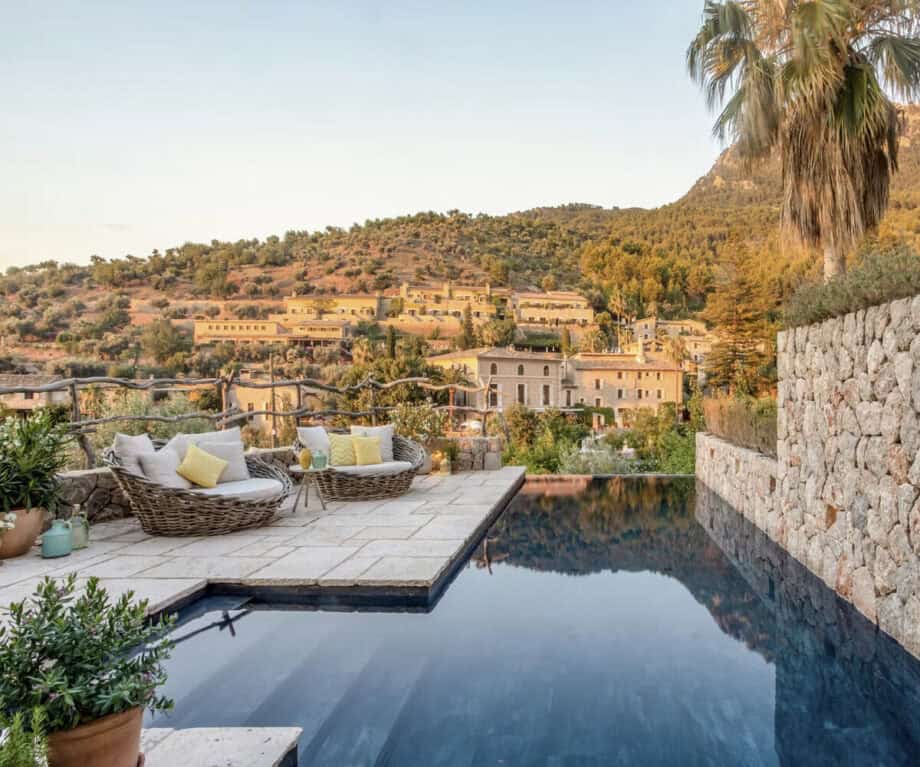
Architectural Consistency: Unlike villages that underwent extensive modernization, Fornalutx strictly maintained its golden-brown local stonework, heavy wooden eaves, and steep, winding stairways rather than broad vehicular roads. This rigorous preservation has earned it repeated accolades as one of Spain’s most picturesque historic villages (Los Pueblos Más Bonitos de España).
Supporting Context & Practical Logistics
Navigating the Serra de Tramuntana requires an appreciation of its physical geography. The mountain range creates a microclimate distinct from the rest of Mallorca, marked by dramatic temperature drops at night, high humidity in the valleys, and sheer cliffside drops along the arterial MA-10 highway.
The Parking and Access Challenge
The physical topography that makes these villages visually striking also creates acute logistical hurdles, chief among them being parking. Built on precipitous mountain slopes, neither Deià, Valldemossa, nor Fornalutx possess expansive municipal parking facilities.
Valldemossa & Deià Peak Hours: Tour buses and day-trippers arriving from Palma routinely jam access roads and fill municipal lots between 11:00 AM and 3:00 PM.
The Strategic Fix: Experienced travelers and local concierge services advise arriving before 9:00 AM or after 4:00 PM. During these golden hours, the day-tripper crowds evaporate, allowing visitors to experience the villages in their natural, tranquil state.
Culinary Landmarks and Gastronomic Realities
The Tramuntana region punches far above its weight class in culinary excellence, featuring everything from Michelin-starred fine dining to rustic seaside institutions.
Deià:
Es Racó d’Es Teix: Holding a prestigious Michelin star, this establishment offers elevated Mallorcan gastronomy with sweeping terrace views, requiring reservations weeks in advance.
Ca’s Patro March (Cala Deià): Perched directly over the crystalline waters of a rocky cove, this legendary seafood restaurant gained global fame after featuring prominently in the television series The Night Manager. Accessible via a 10-minute drive or a steep 30-minute walking descent, it operates on a strictly cash-only basis, and securing a table has become exceptionally competitive.
Sa Fonda: Located on the main street, this is the epicenter of Deià’s evening social life, offering live music and a vibrant, mixed crowd of locals and creatives.
Valldemossa:
Ca’n Molinas: Operating continuously on the main square since 1888, this historic bakery is the definitive spot to consume coca de patata—the traditional sweet potato bun unique to Valldemossa—paired with morning coffee.
Es Taller: Housed in a cleverly converted mid-century car repair garage, this restaurant fuses industrial design with innovative, market-driven Mediterranean cuisine.
Fornalutx:
Es Turó: Offering a terrace overlooking the sprawling citrus groves of the Sóller valley, this dining room specializes in seasonal Tramuntana fare, with slow-roasted mountain lamb serving as the house signature.
Hiking Networks and Outdoor Pursuits
For serious hikers, the Tramuntana serves as the beating heart of Balearic outdoor adventure, anchored by the legendary Dry Stone Route (Ruta de Pedra en Sec / GR 221).
Camí de s’Arxiduc: Connecting Valldemossa and Deià, this historic ridge-line trail covers approximately 14 kilometers round-trip with substantial elevation gain. Originally commissioned by Archduke Ludwig Salvator of Austria in the 19th century to showcase the dramatic coastal vistas, it offers some of the most breathtaking panoramic ridge views in the entire western Mediterranean. It demands proper footwear, hydration, and respect for sudden mountain weather shifts, but rewards hikers with an unforgettable journey above the clouds.
Official Insights: The Paradigm Shift in Luxury Accommodation
To fully grasp how modern travelers experience the Tramuntana, industry leaders emphasize the critical role of accommodation geography. Stuart Glen, Founder of the premier luxury vacation rental provider Privadia, outlines the operational and experiential advantages of shifting away from coastal resorts toward rural mountain estates.
"The Tramuntana takes some explaining to clients who only know Mallorca by its beaches," explains Stuart Glen. "It’s a mountain range running along the northwest coast. The villages inside it are old and mostly intact. Serious travelers have been coming specifically for them since well before the package holiday era. They draw them for different reasons than the beaches do. Getting the most out of this part of the island depends heavily on where you’re based."
Glen emphasizes that logistical friction can severely compromise a luxury holiday:
"If you’re commuting to these villages from Palma or a beach hotel, you’re losing the best hours of the day to the drive. A rural villa positions the group in the middle of the circuit, which changes the whole shape of the trip. Doing these three villages properly means having time in each of them. That’s hard to arrange from a hotel in Palma or a coastal villa on the other side of the island."
Detailing the infrastructure of Privadia’s portfolio, Glen notes the distinct architectural advantages of traditional inland properties:
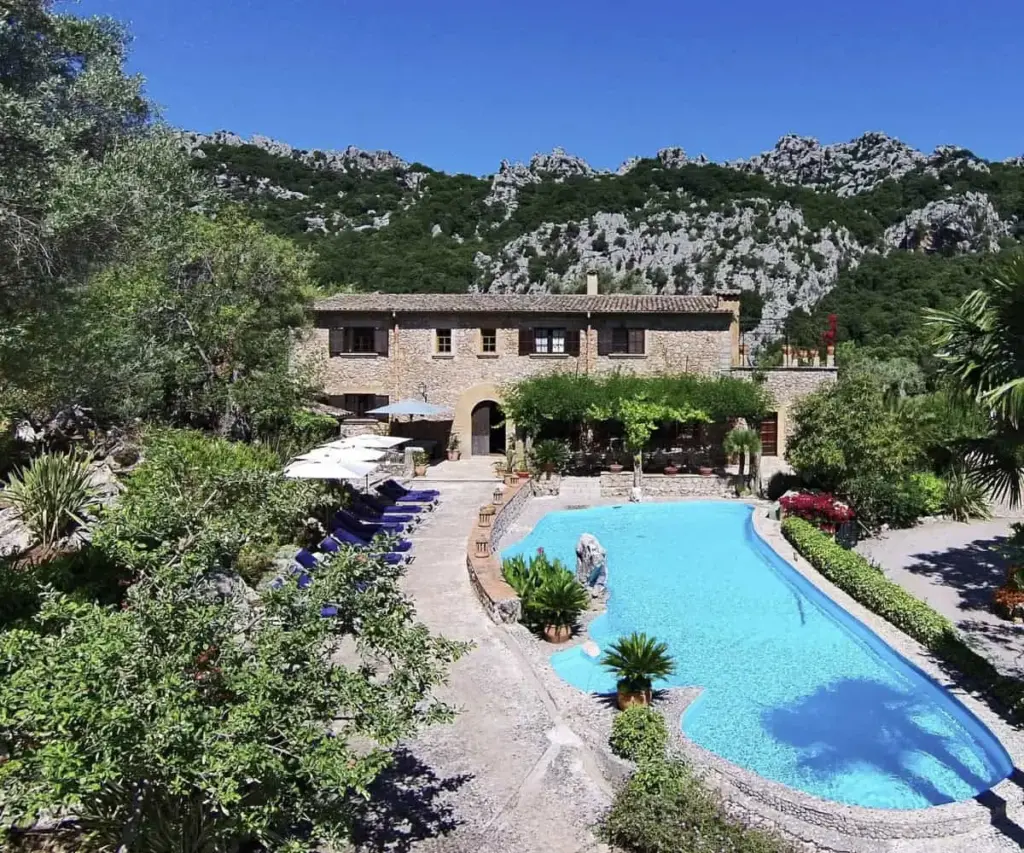
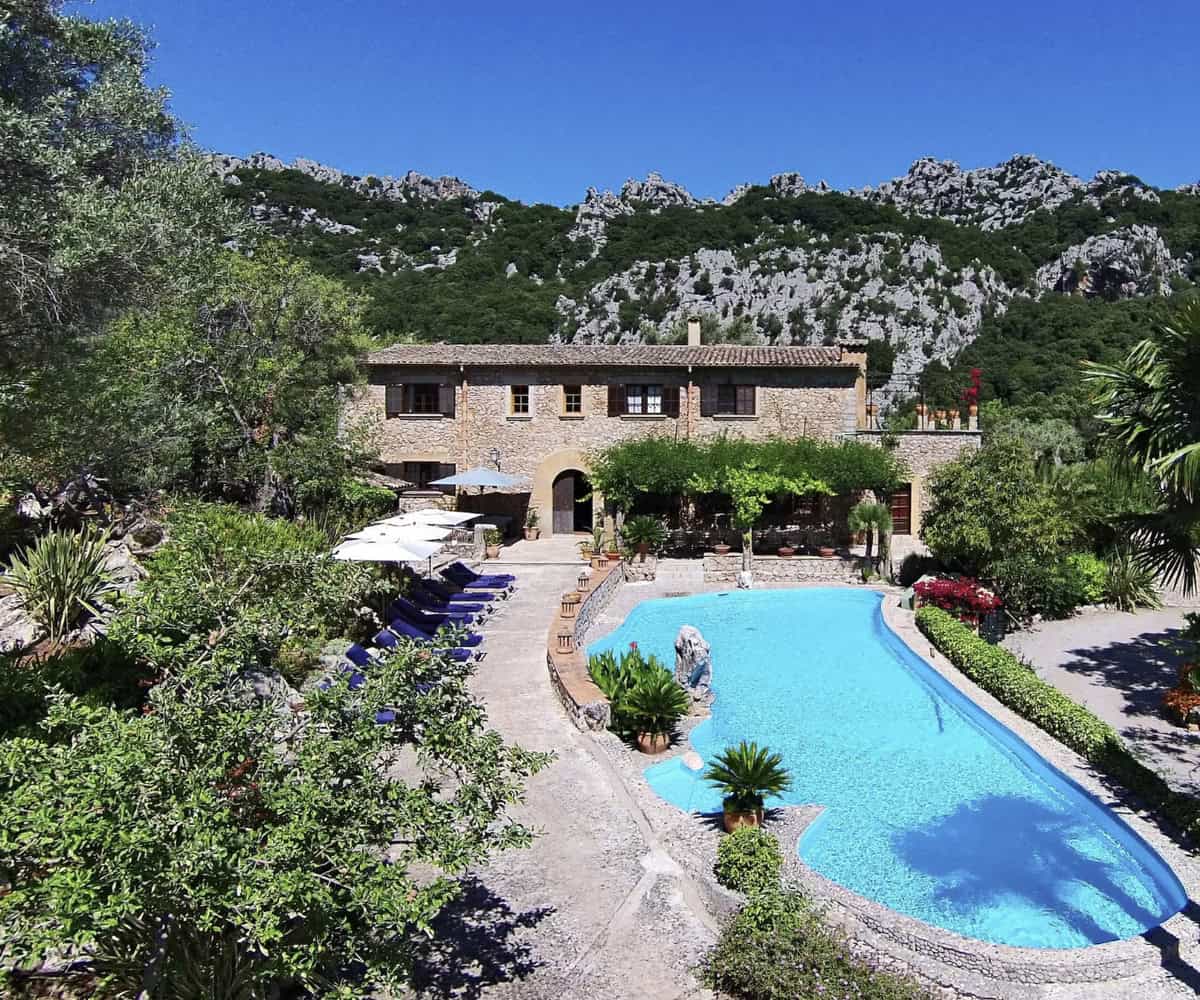
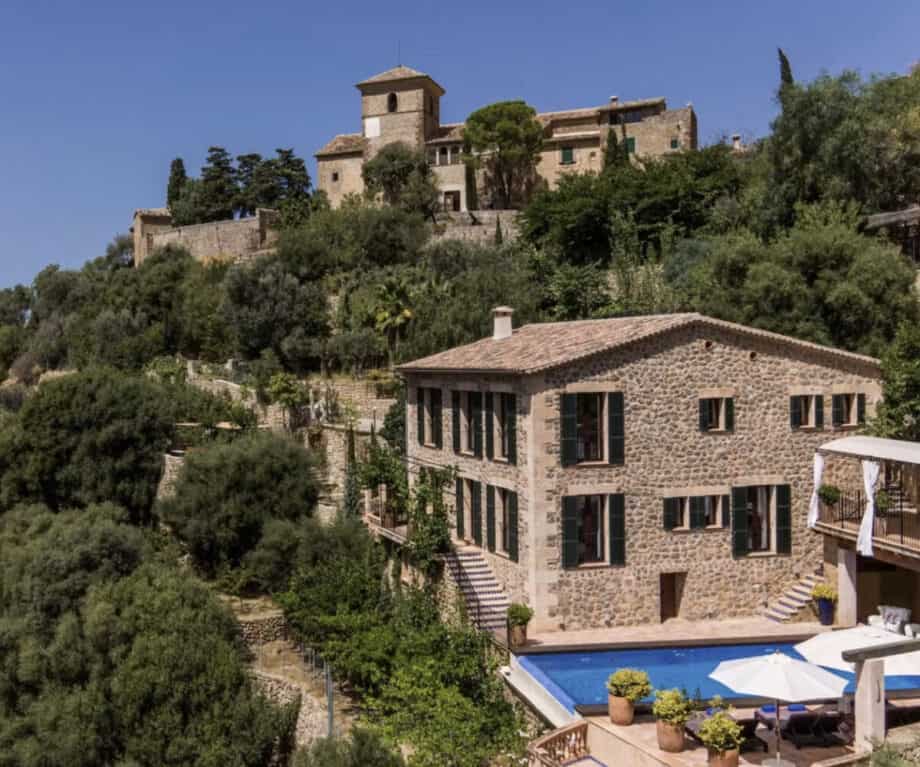
"A Mallorcan finca in the Tramuntana countryside changes the logistics. Stone-built, centuries old in most cases, with the heavy-walled interior and outdoor terracing that works well for groups who want to be outdoors as much as inside. The drive to any of the three villages becomes 15 or 20 minutes rather than the better part of an hour each way."
To mitigate the notorious parking and narrow-road navigation challenges of the Serra de Tramuntana, high-end hospitality services have evolved comprehensive concierge solutions:
"Privadia’s portfolio of exclusive vacation rentals in Mallorca covers properties in the Tramuntana area. A concierge handles restaurant reservations at Es Racó d’Es Teix, Ca’s Patro March, and Es Taller, which are the three where booking ahead genuinely matters. Private driver arrangements for the villages are available for clients who would rather not navigate the mountain roads themselves."
Future Outlook: Sustainable Tourism and Heritage Preservation in the Tramuntana
As global tourism continues to rebound and expand, the Serra de Tramuntana faces a delicate balancing act. Designated as a UNESCO World Heritage site in 2011 under the Cultural Landscape category, the mountain range is recognized for the profound harmony between human agricultural ingenuity and wild natural topography.
Pressures and Protective Measures
The primary challenge facing local authorities and residents in Deià, Valldemossa, and Fornalutx is managing mass day-tourism without suffocating the local economy. In response, regional municipal councils are increasingly implementing stricter traffic-management protocols, encouraging green mobility, and limiting new commercial construction permits within historic village boundaries.
The Rise of Slow, Immersive Travel
Industry metrics indicate a permanent shift among affluent travelers away from passive resort stays toward immersive, slow-travel experiences. The demand for authentic cultural immersion—exemplified by multi-generational families and private groups renting historic stone fincas for week-long stays—supports local agricultural restoration, artisan workshops, and heritage preservation projects.
Conclusion: The Ultimate Tramuntana Itinerary
The three villages of Deià, Valldemossa, and Fornalutx lie approximately 20 minutes apart by car, yet each projects a completely distinct personality shaped by literature, royalty, and agricultural heritage. Spending a week anchored in a private Tramuntana finca rather than a coastal beach hotel allows travelers to witness the changing light across limestone peaks, bypass the mid-day tourist crushes, and experience the true, enduring soul of Mallorca.